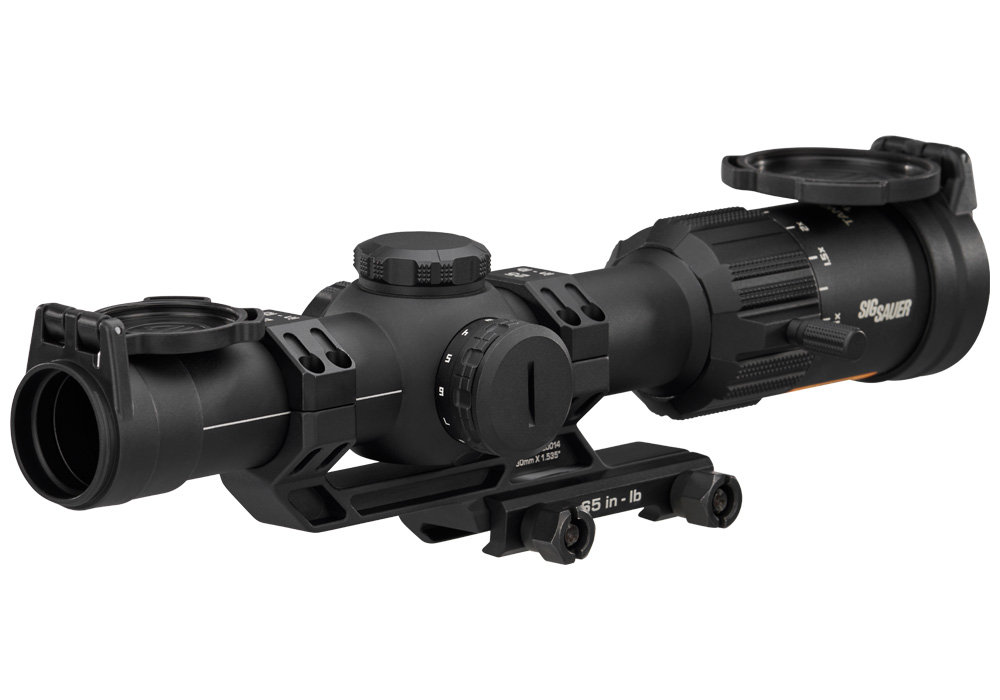
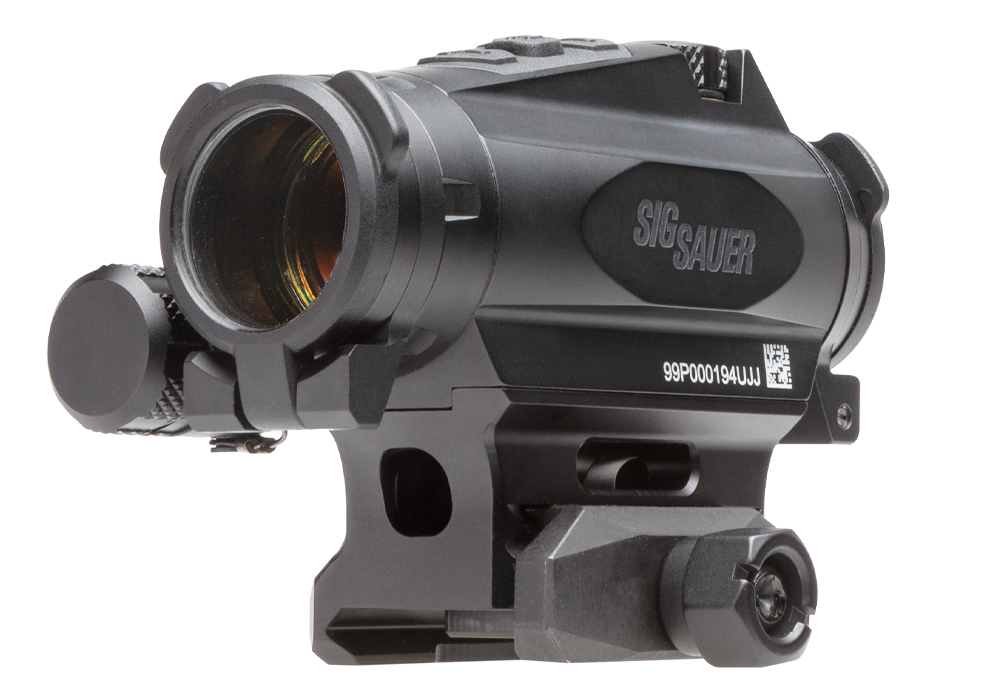
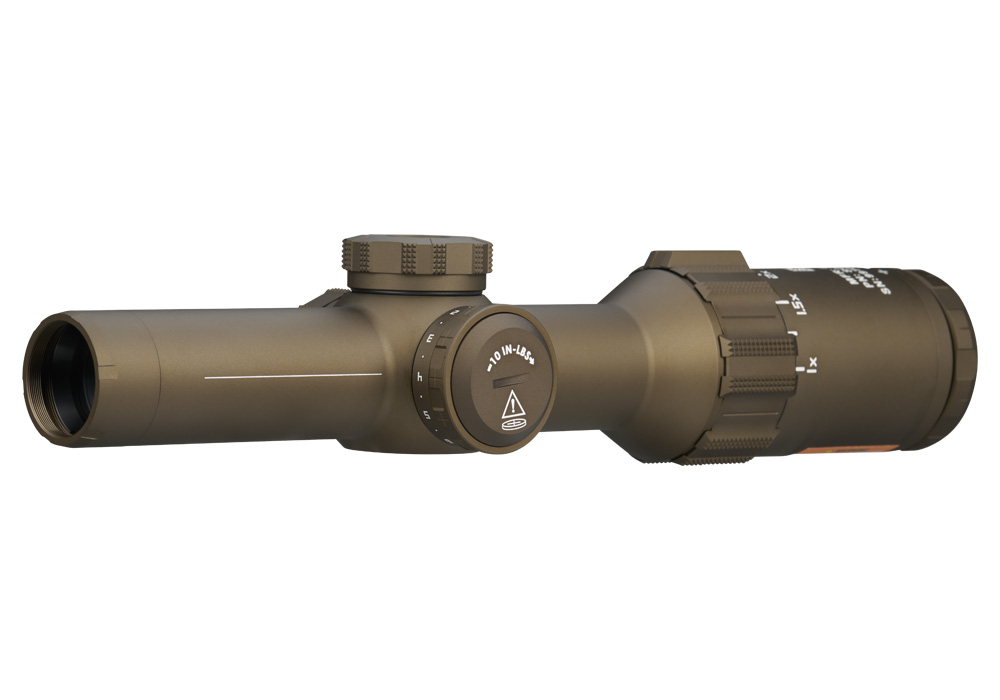
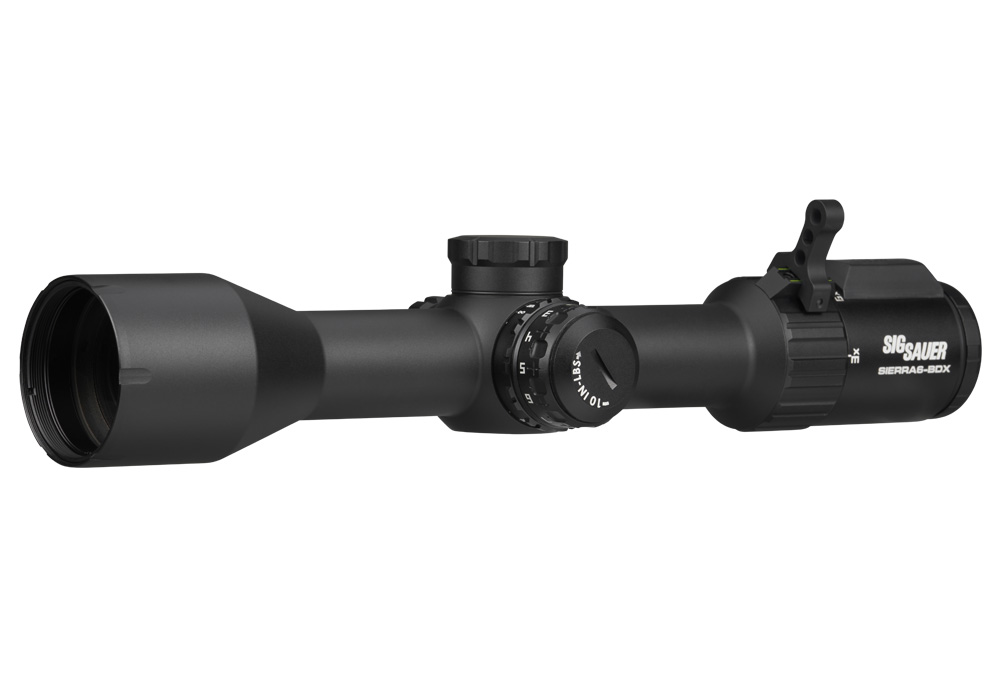
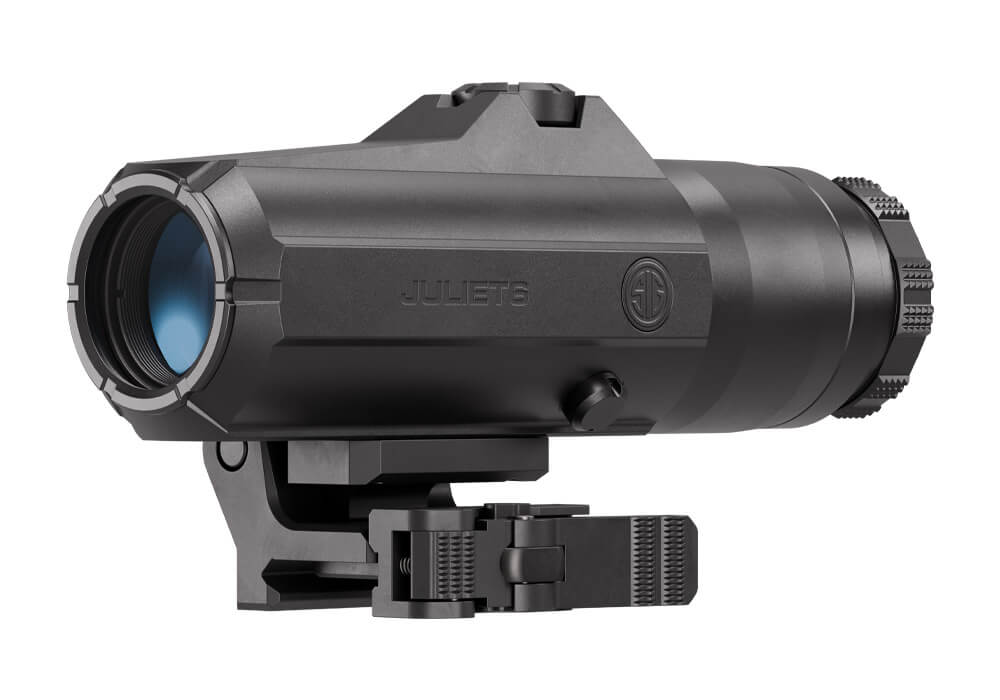
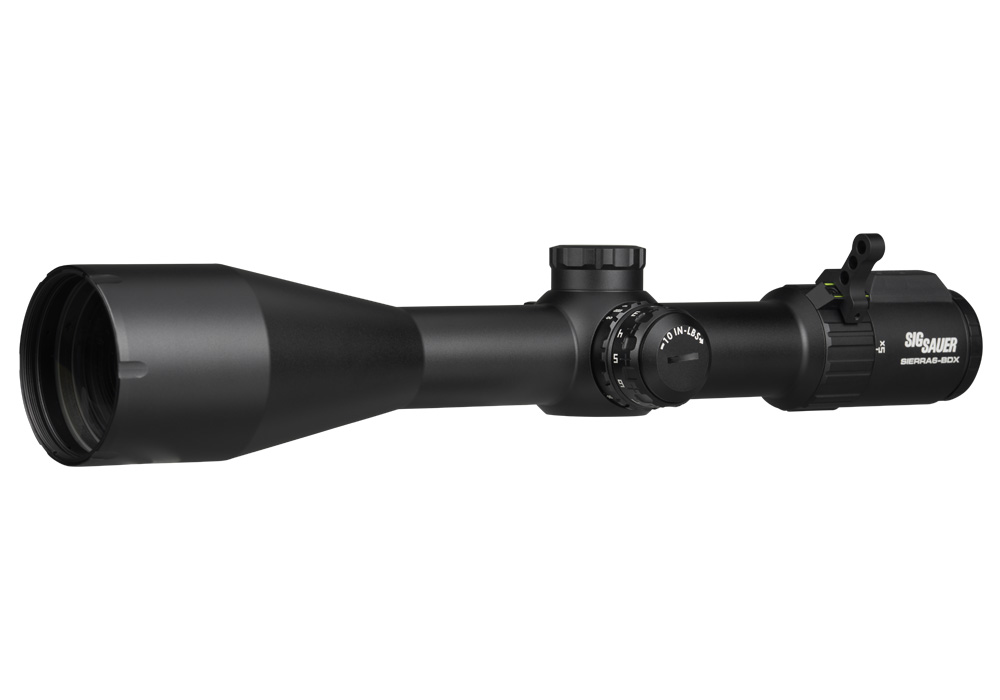
AR optics help tailor an AR-pattern rifle to the way it is actually used, whether that means quick practice drills at close range, careful target work across an open field, or a flexible setup that covers several distances. The right choice begins with the intended use, typical engagement distance, rifle configuration, and the shooter’s comfort with magnification. Unmagnified red dot sights are popular for fast target tracking at short to moderate distances because they offer a simple aiming point, unlimited eye relief, and the ability to keep both eyes open while moving between targets. That combination can feel especially natural during range sessions where transitions matter and sight alignment needs to happen without hesitation. Shooters who spend more time working from supported positions or stretching their groups farther downrange may prefer a magnified optic, including a low-power variable optic that moves from a true 1x setting to several levels of magnification. At the lowest setting, it can support quick shooting and a broad field of view; at higher settings, it can make smaller targets and distant aiming points easier to see. Fixed-power prism optics offer another useful middle ground, combining magnification with an etched reticle that remains visible without relying entirely on battery power. Explore Advanced Reflex Sight Optics when a compact, rapid-aiming solution fits the rifle and shooting plan.
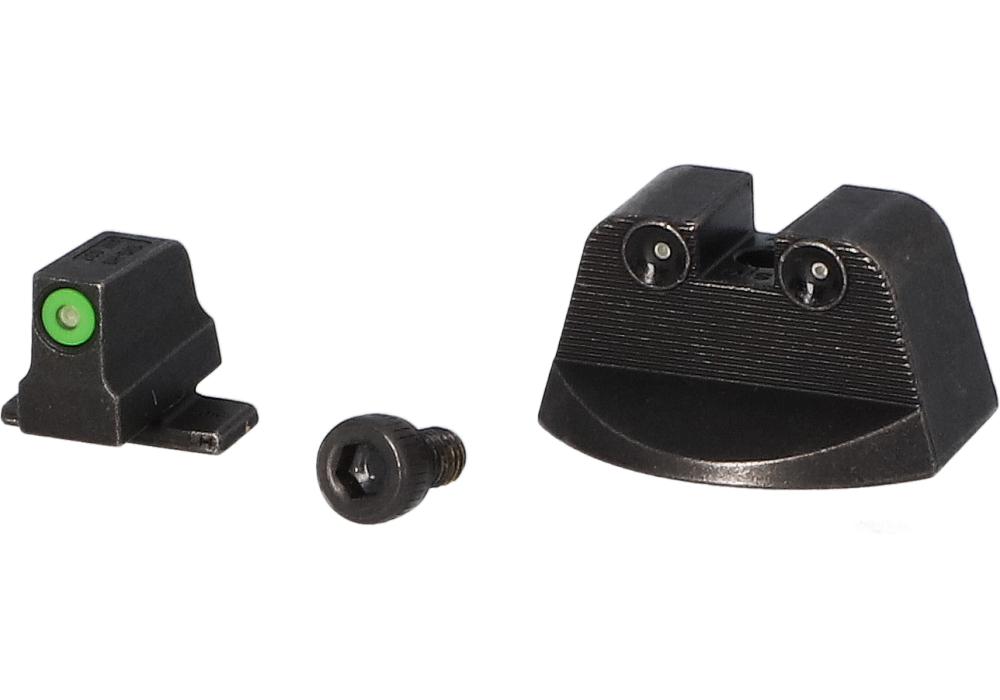
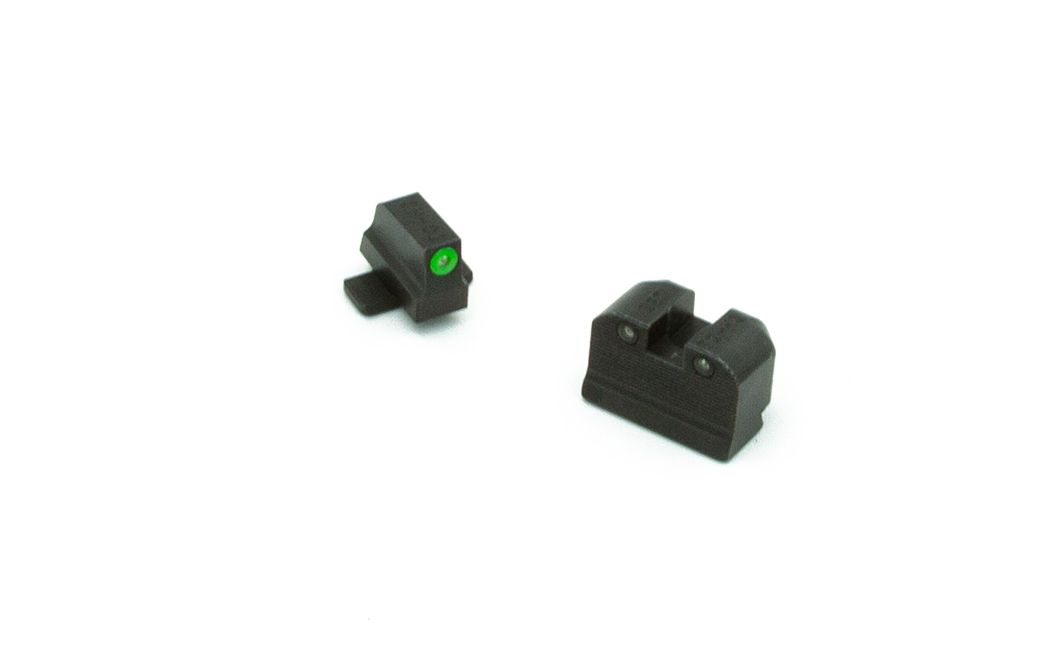
A few practical details often determine whether an optic feels intuitive or becomes an ongoing source of frustration. Start with distance: a shooter who spends most of the day inside 100 yards may value a lightweight, unobstructed sight picture more than extensive magnification, while someone practicing from 200 yards or farther may appreciate a variable optic and a reticle designed for holdovers. Consider the rifle’s overall balance as well. A large optic can add useful capability, but unnecessary weight may make the rifle feel tiring during a long walk, a full afternoon of drills, or a hunting outing during the cooler months. Eye relief and eye box are important for magnified optics, particularly when shooting from imperfect positions. A forgiving eye box makes it easier to find the reticle quickly instead of searching for a narrow viewing window. Reticle style also deserves attention. A simple illuminated dot can keep the sight picture clean, while a more detailed reticle may provide reference points for distance, wind, or bullet drop after the rifle has been properly zeroed. Brightness controls should be easy to reach and offer settings suitable for changing light, from a shaded bench to a bright outdoor range. Battery life, automatic shutoff features, waterproofing, fog resistance, adjustment quality, and lens protection all contribute to dependable operation. Mount height matters as well: a mount should place the optic at a comfortable position and may be selected to support a clear co-witness relationship with backup iron sights. Before installation, confirm that the optic, mount, rifle, and any accessories are compatible, then follow the manufacturer’s instructions and verify the zero after mounting.
AR optics can suit a wide range of shooters and make a thoughtful gift for someone who has recently built or purchased an AR-pattern rifle, provided the recipient’s rifle setup and preferences are known. A new shooter may appreciate an uncomplicated red dot with a clear reticle and straightforward controls, while an experienced range user may prefer a magnified optic that supports deliberate practice at extended distances. Hunters often look for a rugged, weather-resistant sight with a reticle that remains visible in changing light, and competitive shooters may prioritize fast adjustments, a generous field of view, and minimal added weight. For a gift, a mount, lens covers, a compact optic-ready storage case, or a quality maintenance accessory can also be useful when the exact sight preference is uncertain. During warmer weather, an optic may spend long hours exposed to dust, glare, and repeated handling; during cooler months, condensation and low light can place different demands on glass clarity and illumination. A quick inspection before each outing helps catch loose fasteners, damaged lenses, weak batteries, or a shifted zero. Firearms should always be unloaded and pointed in a safe direction during installation and inspection, and every optic should be confirmed at the range before being relied upon for training, hunting, competition, or defensive purposes. With the right combination of magnification, reticle, mounting height, controls, and durability, an AR optic becomes more than an accessory: it becomes the part of the rifle that connects the shooter’s eye, the aiming point, and the intended target with greater consistency.