On this page, “AR stock” refers to the shoulder stock used with an AR-style rifle, not a financial market ticker. A stock is one of the primary points of contact between the shooter and the firearm, helping establish a steady shoulder position, consistent cheek weld, and comfortable length of pull. Replacing an existing stock can be a practical way to refine the fit of a rifle without changing its core operating system. Some shooters choose a new stock after adding a different optic, sling, or rear accessory, while others are looking for improved comfort during extended range sessions. The right choice depends on the rifle’s receiver extension, the shooter’s build, the intended use, and personal preferences for adjustment and support. Browse the broader selection of Weapon Stocks to compare options for different platforms and setups. Before selecting an AR stock, confirm that its interface matches the rifle’s buffer tube or receiver extension. A stock designed for a fixed extension will not serve the same purpose as one intended for a carbine-style extension, and compatibility details should always be reviewed carefully. It is also wise to verify local regulations and follow the firearm manufacturer’s guidance before purchasing or installing any part.
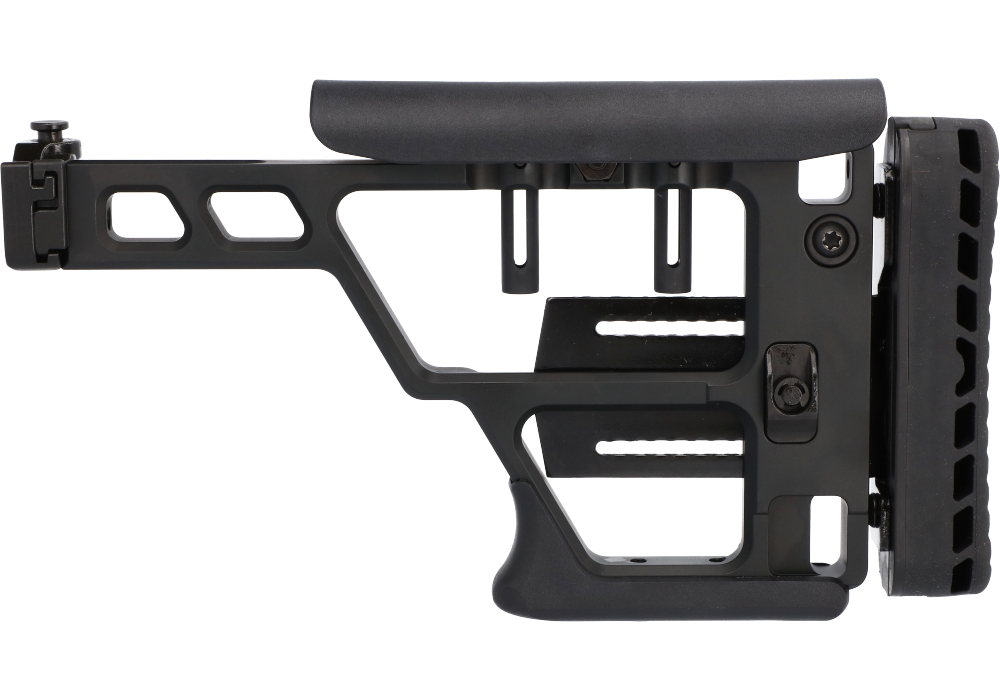
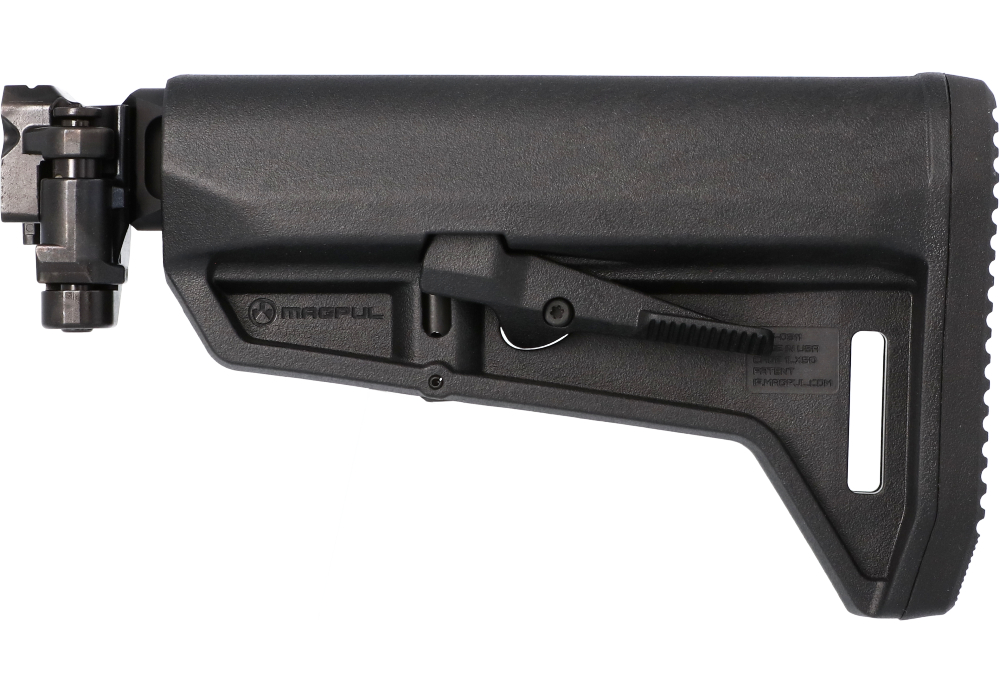
Adjustable, often called collapsible, stocks are popular because they allow the length of pull to change for different shooters, clothing layers, and shooting positions. A shorter setting can be useful when working from a confined space or when wearing heavier outerwear during cooler months, while a longer setting may provide a more natural shoulder position for standing or bench shooting. Adjustment can also help a rifle fit more than one responsible adult in a household, though each user should confirm the fit and handling before live fire. Fixed stocks remain at one solid length and appeal to shooters who value a simple, rigid setup with a consistent cheek position. Precision-oriented stocks typically provide additional adjustment at the cheek rest and butt pad, allowing the shooter to align the eye more naturally behind an optic and settle into a repeatable position for careful, deliberate fire. A properly positioned cheek rest can reduce the need to strain the neck, while a well-shaped butt pad can help the rifle stay planted against the shoulder. These details become especially noticeable during a long practice session, when small points of pressure can turn into fatigue. Weight, texture, sling attachment points, storage features, and the shape of the butt pad also deserve attention. Lightweight designs can help preserve the rifle’s balance, while a more substantial stock may provide a stable feel from a supported position. Polymer construction is common for its practical durability and weather resistance, while other materials and reinforced designs may appeal to shooters seeking a particular balance of rigidity and weight. There is no single stock configuration that suits every rifle or every shooter; the most useful option is the one that supports a consistent, comfortable position without interfering with controls or safe handling.
An AR stock can be a thoughtful gift for an experienced firearm owner, especially when the recipient has already identified a preferred rifle setup or shooting discipline. Because fit and compatibility are so personal, gift shoppers should consider a gift card or confirm the rifle’s receiver extension type, intended stock configuration, and preferred features before selecting a specific part. For owners choosing a stock for themselves, start by considering how the rifle is used most often. A range rifle used from a bench may benefit from a firm, repeatable cheek position and a supportive butt pad, while a general-purpose carbine may be better served by a compact adjustable design that balances mobility with shoulder support. Shooters who practice in changing weather should also look for surfaces that remain secure with gloves or light rain, and they should think about how coats or layered clothing affect length of pull during cooler months. Installation is often straightforward for a qualified owner with the correct tools, but the process varies by rifle configuration and may involve the receiver extension, buffer system, castle nut, or end plate. If the work requires unfamiliar disassembly or creates uncertainty about safe function, consult a qualified gunsmith. After installation, inspect the stock for secure lockup, confirm that adjustment positions hold firmly, and check that the sling mount and nearby controls function as intended. Begin with a careful unloaded fit check, then follow all range-safety practices during live-fire testing. A suitable AR stock should help the shooter establish the same shoulder contact and cheek position from one session to the next, whether practicing fundamentals at an indoor range, sighting in outdoors, or preparing a rifle for regular training. With attention to compatibility, ergonomics, durability, and responsible ownership, an AR stock can provide a practical refinement that makes the rifle feel more natural and controlled in the hands.