AR15 gear for outdoor activities should balance durability, practical handling, and compatibility with the rifle’s intended use. Whether the setup is carried to a public range, used for lawful hunting where permitted, or kept ready for training on private property, the right equipment can make time outdoors more comfortable and organized. Optics are often the first consideration. A red dot sight offers a clear aiming reference and quick target acquisition at shorter distances, making it useful for dynamic range drills, close field work, and changing light. A low-power variable optic provides adjustable magnification for open terrain and longer sight lines, while still allowing a broad field of view at lower settings. When selecting an optic, consider the rifle’s barrel length, the distances involved, the amount of brush or open ground in the area, and whether the sight will be exposed to rain, dust, vibration, or repeated transport. A sturdy mount, clear glass, dependable illumination, and controls that are easy to adjust while wearing gloves are all worthwhile details. Slings also deserve careful attention. A well-fitted two-point sling can keep the rifle secure while both hands are needed to cross uneven ground, open a gate, carry equipment, or steady a pack. Adjustable designs are especially useful when clothing changes during the cooler months, and padded contact points can make a noticeable difference during a long walk. The best fit is the one that keeps the rifle controlled without interfering with the stock, grip, optic, or other accessories.
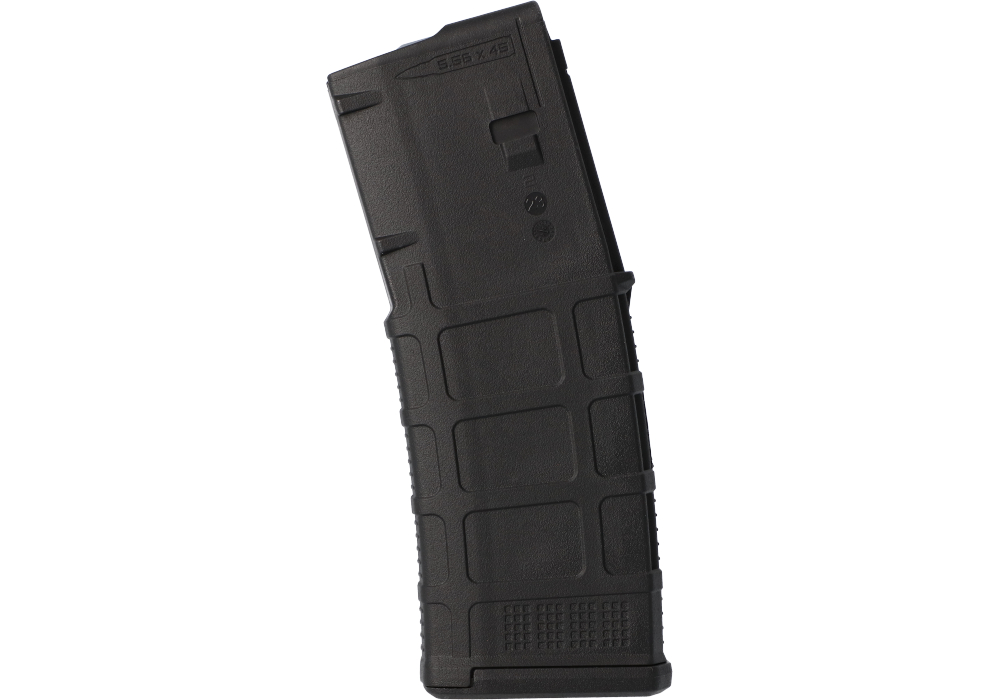
Stability and ergonomics become more important the longer an outdoor session lasts. A bipod attached to a compatible rail can provide a steady rest for sight-in work, precision practice, or a carefully supported shot from a fixed position. It can also reduce fatigue when the rifle is used from a bench, prone position, or natural terrain such as a low berm or packed field edge. Look for a model with a secure attachment system, adjustable legs, and feet that suit the ground where it will be used. An upgraded stock or grip may help tailor the rifle to the shooter’s reach, shoulder position, and preferred stance, especially when wearing a jacket or layered clothing. These changes are often appreciated by experienced shooters, but they can also be thoughtful gifts for someone building a first outdoor range setup, provided the recipient can confirm compatibility with their rifle. Magazines are another practical part of an outdoor kit, and carrying a few dependable spares helps keep training sessions organized without repeatedly stopping to reload. The appropriate quantity and configuration depend on local law, range rules, the rifle’s chambering, and the activity planned. For a closer look at options intended for field and range use, browse AR 15 Magazines For Outdoor Shooting. Choose magazines that fit the rifle correctly, lock into place cleanly, and drop free when released, then inspect feed lips, springs, and followers periodically for wear. Storing them in a pouch or case protects them from grit and keeps ammunition separated from other equipment during transport.
Outdoor conditions can be hard on firearms, even during a short afternoon away from the bench. Dust from a dry trail, fine sand around a shooting position, moisture from grass, and condensation caused by moving between a vehicle and cooler air can all find their way into working parts. A compact cleaning kit with brushes, patches, a suitable rod or pull-through system, chamber tools, and lubricant is a useful addition to a range bag or field pack. It is sensible to perform a basic inspection before leaving home, confirm that the bore is clear, and clean and lubricate the rifle according to the manufacturer’s instructions after exposure to dirt or moisture. Protective cases, lens covers, rail covers, gloves, eye and ear protection, spare batteries, and a small set of tools can round out an outdoor setup without adding unnecessary bulk. During the cooler months, gloves should allow a secure grip and enough dexterity to operate controls safely; in damp conditions, water-resistant storage can help protect ammunition and electronic accessories. Anyone transporting an AR15 should follow all applicable federal, state, and local requirements, use a secure case when required, and observe the rules of the range, hunting area, or private property. Every firearm should be treated as loaded until personally verified otherwise, kept pointed in a safe direction, and stored away from unauthorized users. With the right combination of optics, sling, stability aid, magazines, cleaning supplies, and protective equipment, an AR15 can be configured for more comfortable, controlled, and responsible outdoor use across a wide range of conditions.