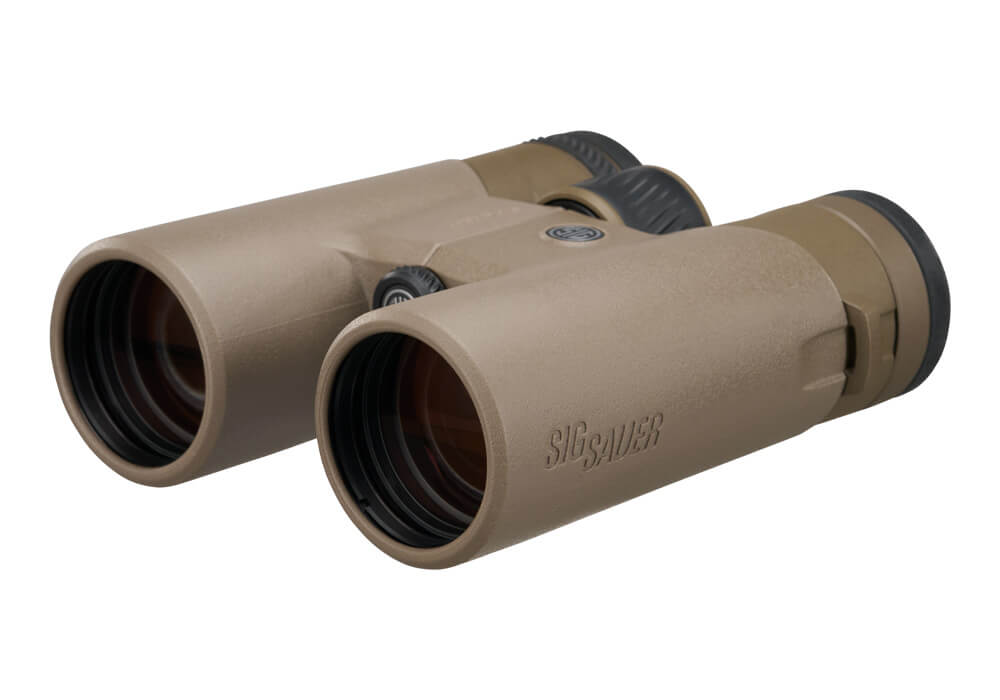
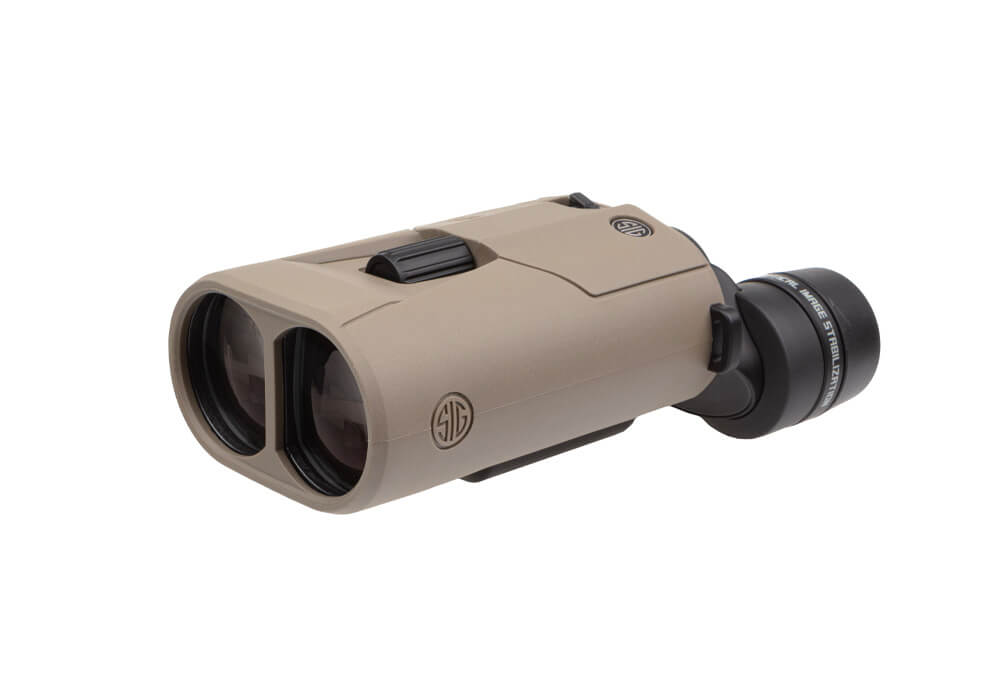
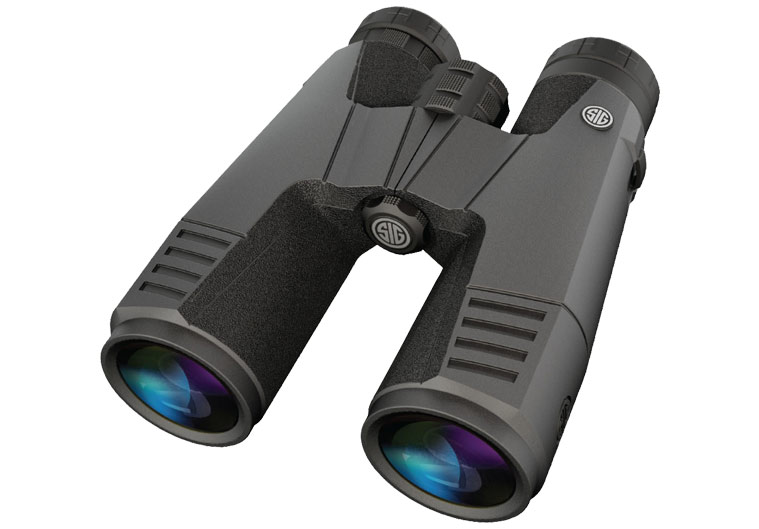
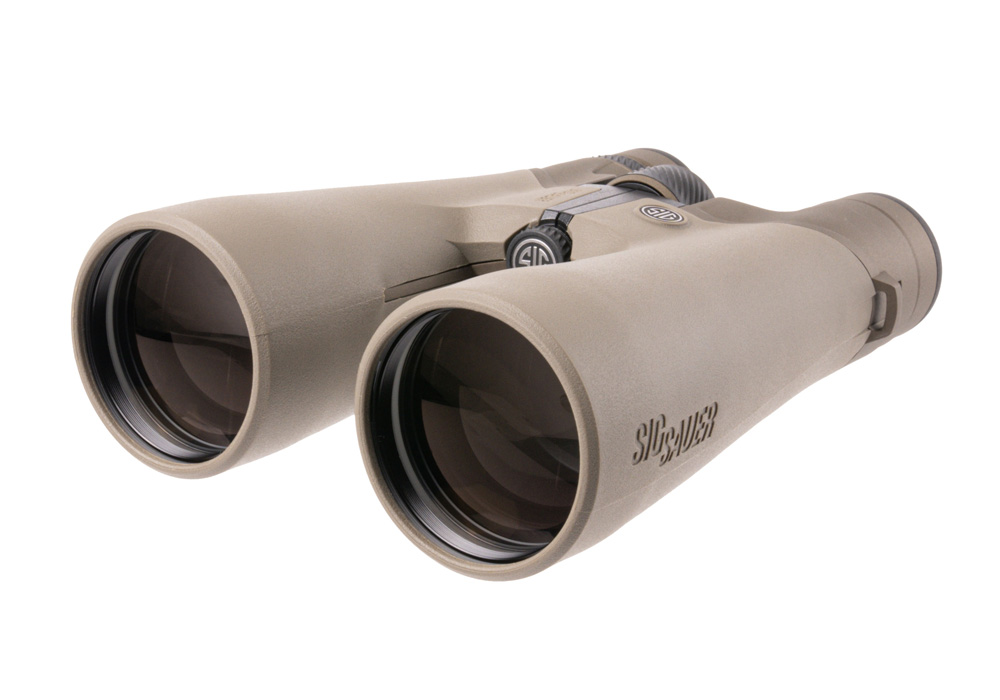
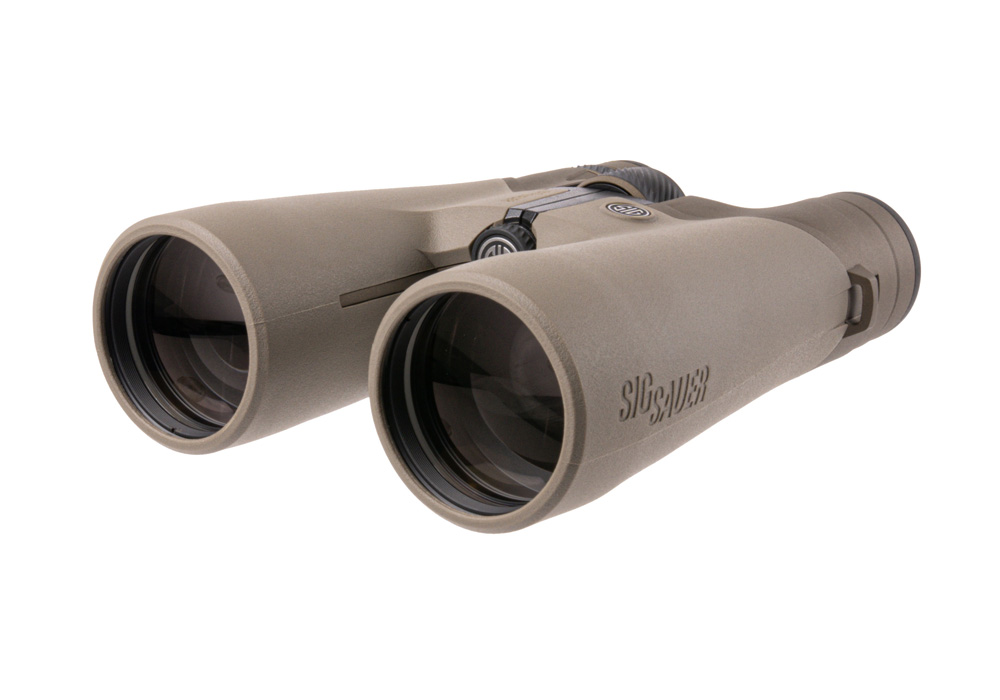
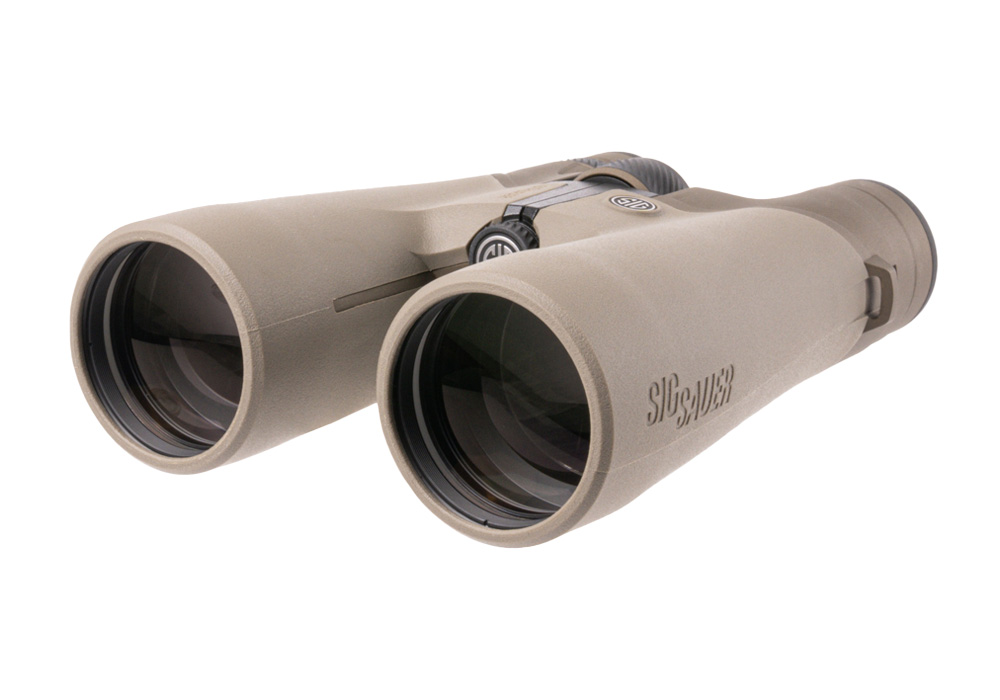
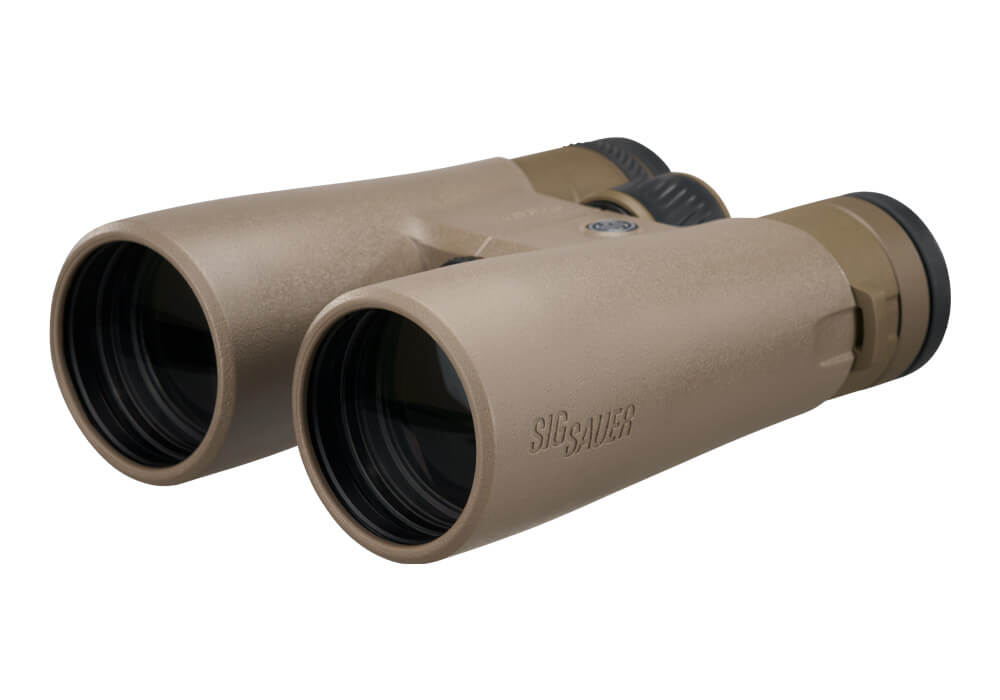
Archery binoculars help turn distant detail into useful information, whether you are following a 3D course through timber, watching a target’s scoring rings from the shooting line, or quietly studying a game animal during a bowhunting setup. The right pair should reveal fine detail without making the scene feel narrow or unsteady. For most archers, 8x or 10x magnification offers the most practical balance: 8x binoculars are especially comfortable when scanning moving subjects or navigating a wooded course, while 10x binoculars can make antler points, target markings, and distant features easier to distinguish across open ground. Higher magnification can provide more apparent detail, but it also magnifies hand movement and may reduce the field of view, which can make it harder to relocate an animal or track activity. Objective lenses in the 40mm to 50mm range are a useful fit for outdoor archery because they gather enough light during dawn, dusk, and overcast conditions without becoming unnecessarily bulky. A 10x42 configuration, for example, is widely appreciated for its combination of reach, brightness, and manageable size. As the weather shifts through cooler months, a clear view can make the difference between recognizing a branch, reading a distant target, and identifying the movement that matters. Archery binoculars are also a thoughtful gift for bowhunters, 3D competitors, coaches, and outdoor observers who spend long hours carrying their equipment from one position to the next.
Optical performance is only part of the decision. A dependable pair of archery binoculars should be waterproof and fogproof, with sealing that helps protect the internal optics when a cool morning gives way to damp vegetation or a sudden shower. Fog resistance is particularly valuable when binoculars move between a warm vehicle, a gear bag, and crisp outdoor air. Look for a durable exterior that provides a secure grip with wet or gloved hands, along with a design that can withstand being placed on a bench, carried against brush, or worn on a chest harness throughout a full day. Roof prism construction is popular for archery and hunting because it keeps the housing slim, streamlined, and comfortable to carry close to the body. Weight matters more than it may seem; after several hours on a trail or at a 3D range, a compact pair that stays balanced can be easier to use than a larger optic with similar magnification. Twist-up eyecups can help accommodate glasses, while a smooth center focus and diopter adjustment allow each user to fine-tune the view for their eyes. A chest harness, neck strap, or protective case can add comfort and keep the binoculars ready without allowing them to swing while walking. If multiple people will use the optic, simple controls and a broad focus range are practical advantages. For more specialized setups, rangefinding binoculars combine magnified viewing with distance measurement, reducing the amount of equipment carried on a bowhunting outing and helping archers confirm the range to a target, landmark, or animal before making a shot decision. These features are best considered alongside local regulations, responsible field practices, and the intended environment rather than treated as replacements for careful judgment.
Use is another important part of choosing archery binoculars. On a 3D archery course, a wide field of view and comfortable 8x or 10x magnification can help identify target details, locate scoring rings, and study the terrain between shooting stations without constant repositioning. In a tree stand or ground blind, strong low-light performance and reliable weather sealing are valuable when the first or last minutes of legal shooting light bring subtle movement and muted contrast. For western bowhunting or open-country scouting, edge-to-edge sharpness, a manageable weight, and enough magnification to inspect distant slopes can make long glassing sessions more productive. Before purchasing, consider how far you normally observe, how much walking your outings involve, whether you wear eyeglasses, and whether the binoculars will be used from a steady rest or held in the hands. It is also helpful to compare the apparent brightness, clarity, focus feel, and field of view rather than relying on magnification alone. A binocular that feels natural to raise, focus, and lower repeatedly is often more useful than one with impressive specifications but excessive size or shake. Those building a complete outdoor optics setup can also explore Sports Binoculars for additional viewing needs beyond the archery range. With thoughtful selection, archery binoculars become a familiar part of the kit: ready for checking a distant target, reading changing terrain, watching wildlife, or sharing a quiet observation with a hunting partner as the season moves through cooler, shorter days.