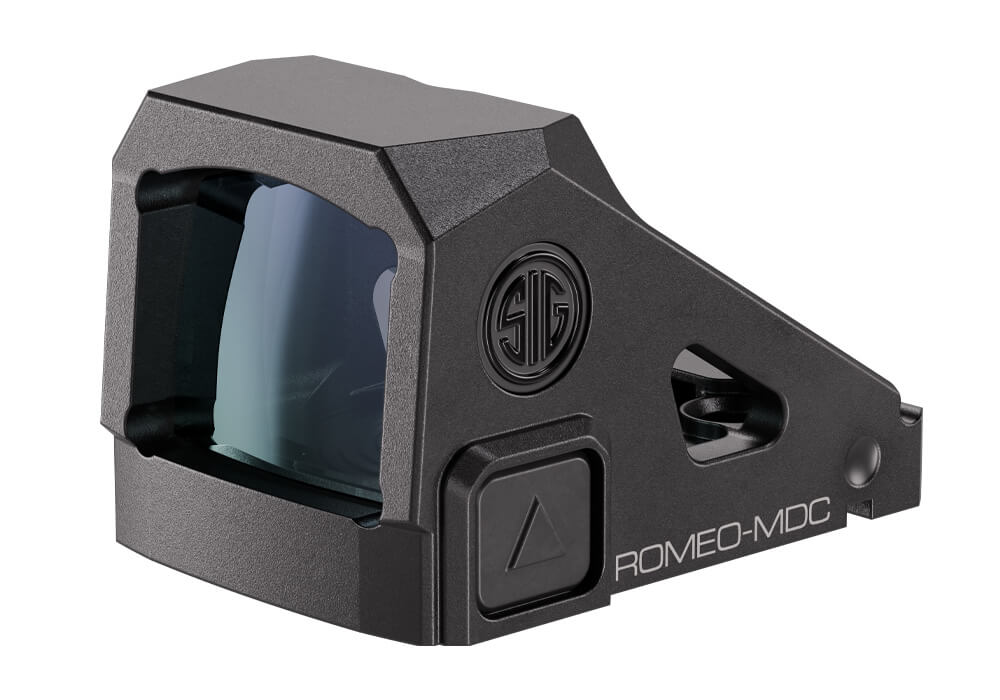
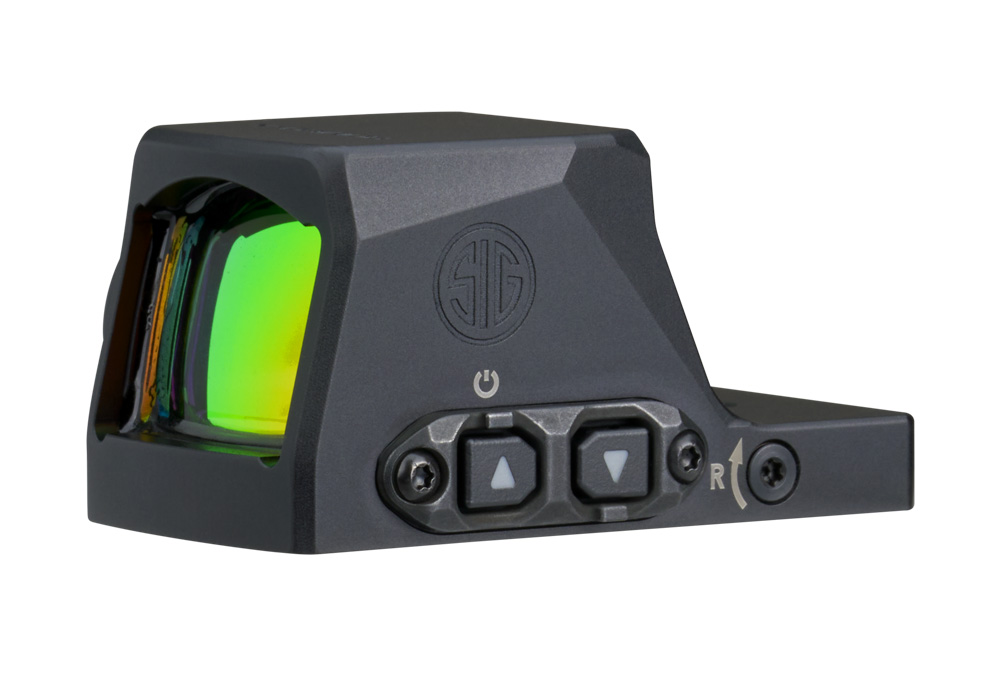
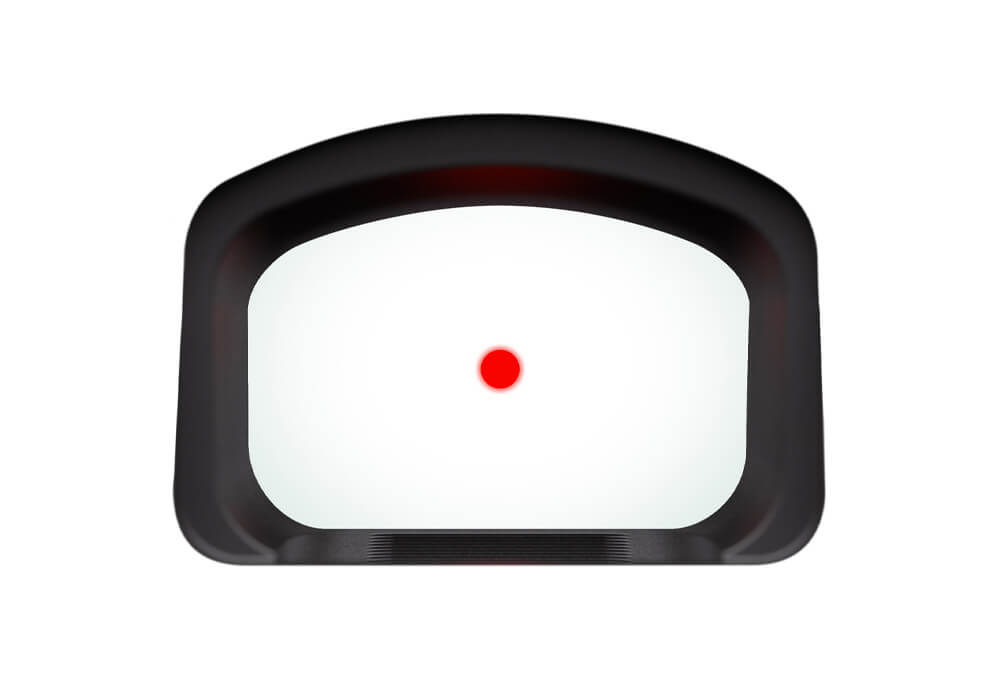
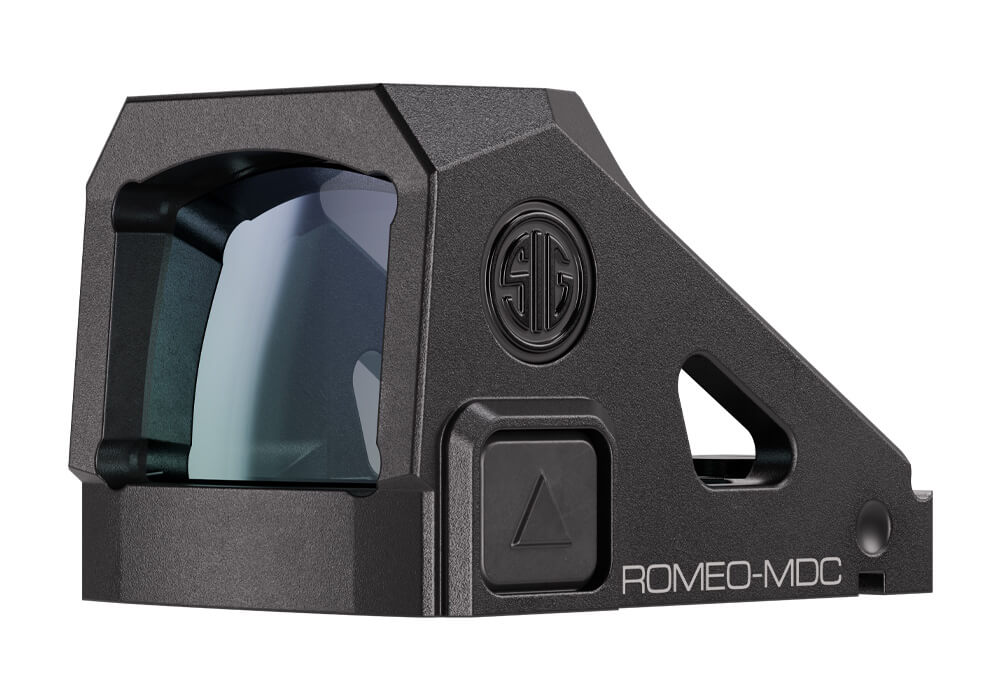
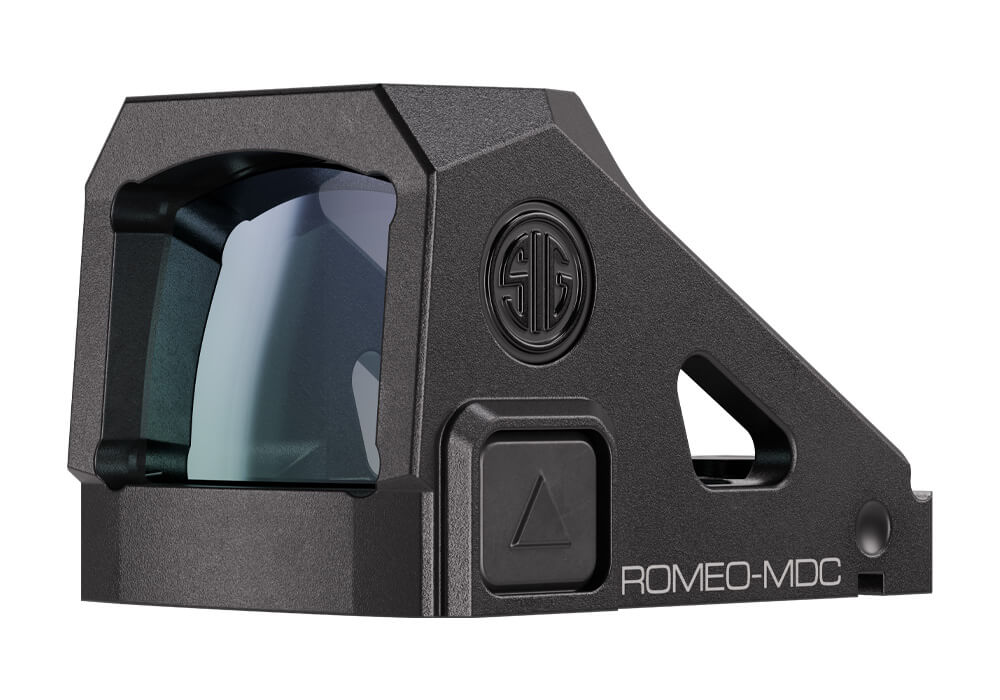
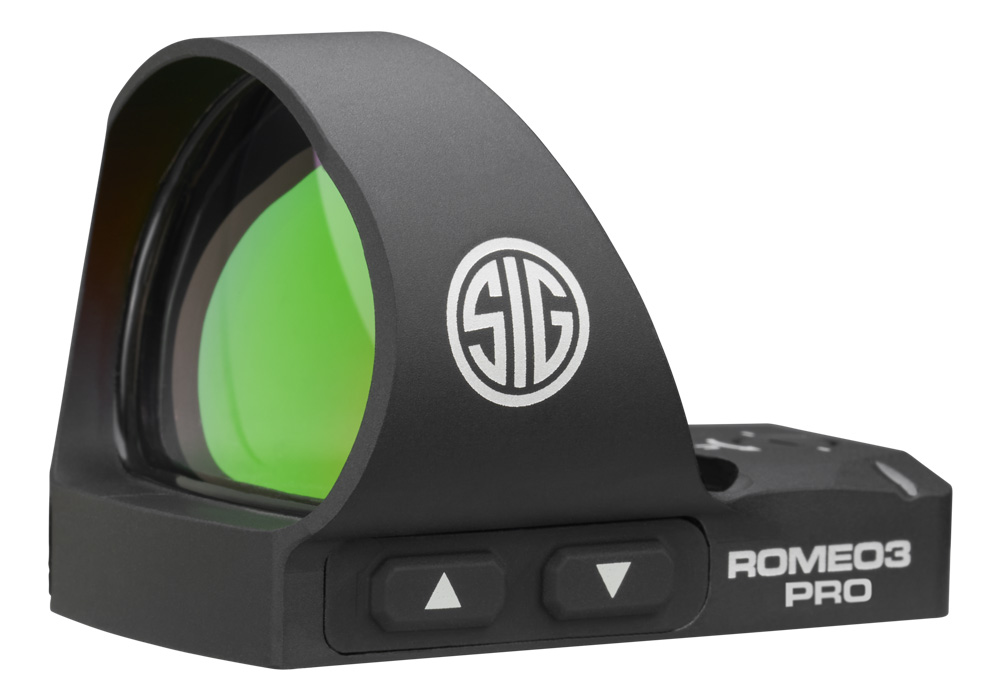
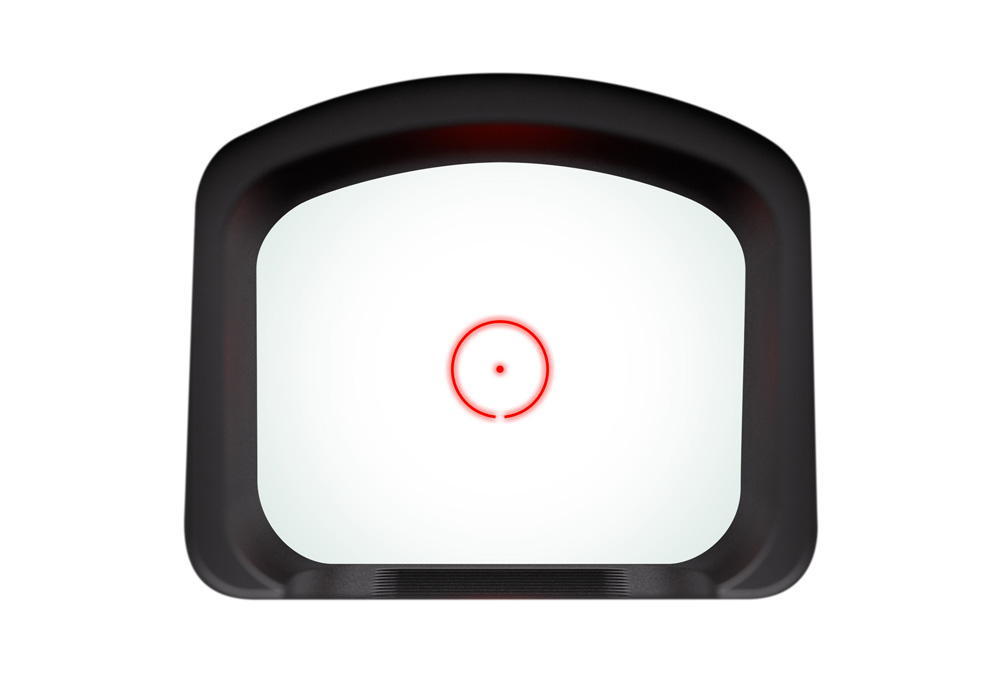
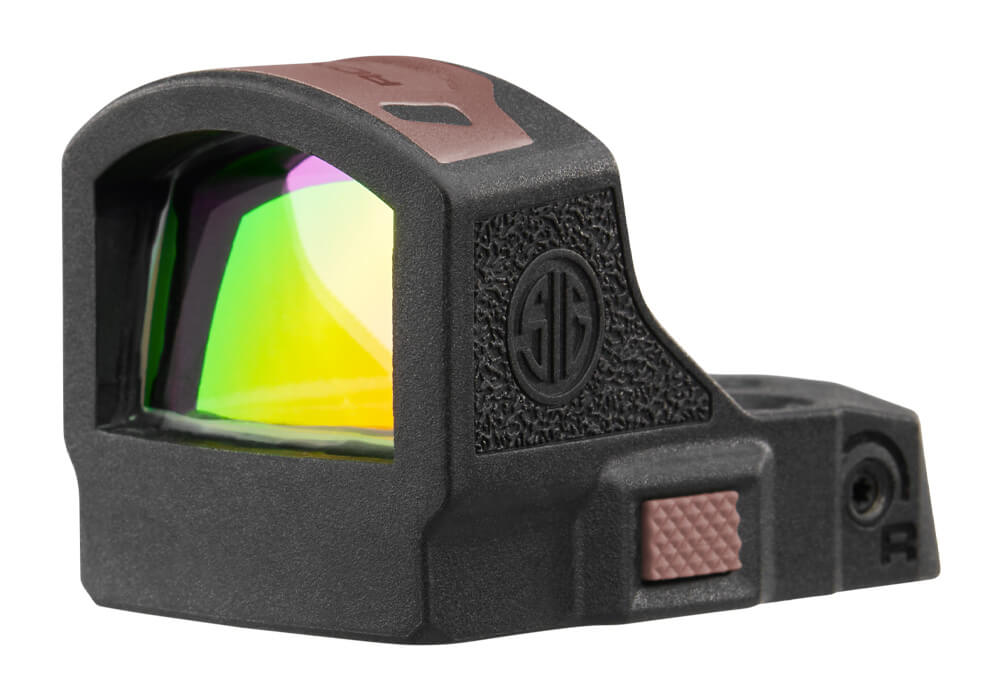
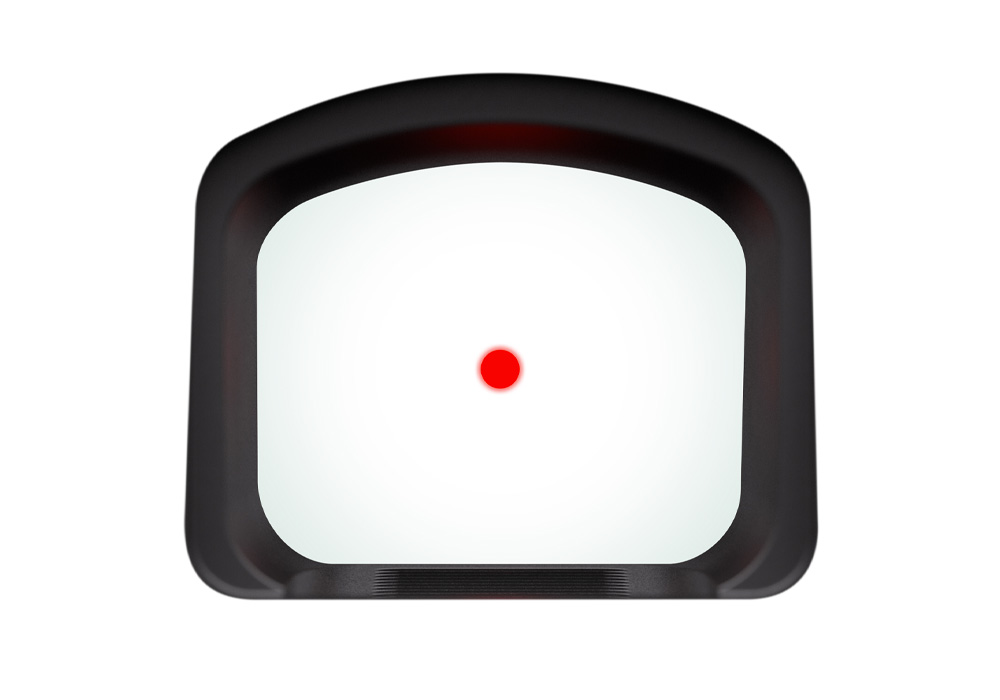
Aspherical glass lens optics for pistols are designed to provide a clear, natural-looking sight picture in a compact package suited to handgun use. Unlike a traditional spherical lens, an aspherical lens uses a precisely shaped surface to manage light more evenly across the viewing window. The result is a true 1x image with less edge distortion, reduced “fish-eye” appearance, and a reticle that remains sharp and easy to track as the eye moves behind the optic. For many shooters, that clarity is especially noticeable during quick transitions between the target and the aiming point, when there is little time to settle into a perfectly centered view. A crisp red dot can also be helpful for users who notice starbursting, flaring, or irregular shapes with illuminated reticles; while every eye is different, a well-designed glass lens may make the aiming point appear more defined and consistent. Aspherical glass is valued for more than optical refinement. Real glass generally offers stronger scratch resistance than softer polymer alternatives, an important consideration for an optic that may be handled frequently, carried in a holster, or exposed to dust, grit, and changing conditions. Precision glass can add to the cost and may contribute somewhat more weight than a minimal polymer lens, so shoppers should balance optical quality with the pistol’s size, intended role, and preferred carry setup. A compact optic that preserves a broad field of view without adding unnecessary bulk is often a practical match for a concealed-carry handgun, while a larger viewing window may appeal to range users, competition shooters, or anyone who values a more forgiving sight picture. Browse related options in Compact Optics for Striker Fired Pistols when comparing compact configurations and handgun compatibility.
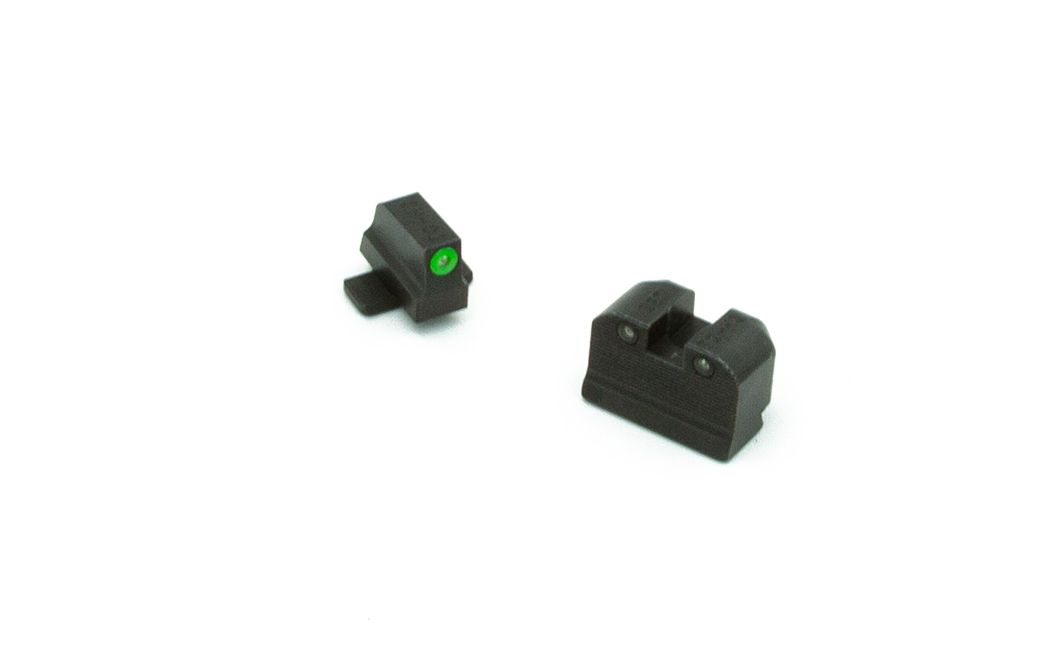
When choosing an aspherical glass pistol optic, start with the fit between the optic, mounting system, and handgun. Confirm the required footprint or adapter plate, the available slide space, and whether the sight is intended for the specific pistol configuration. A secure mounting interface is essential for maintaining a dependable zero, while a low-profile design can help preserve a familiar presentation and support compatibility with suppressor-height backup sights where appropriate. Consider the window dimensions as well: a broader window can make it easier to find the dot during presentation, while a smaller micro-style housing may reduce weight and keep the slide profile streamlined. Reticle size is another personal preference. A finer dot can support precise aiming at distance, whereas a larger dot may be quicker to see in bright daylight or during close-range practice. Adjustable illumination is useful across the varied light encountered from an indoor range to an outdoor lane during the cooler months, and automatic brightness modes can simplify use when moving between shade and sunlight. Battery access, estimated battery life, motion activation, and a clear low-battery indication all deserve attention, particularly for an optic kept on a defensive pistol. Look for practical protection against rain, dust, and impact, along with controls that can be operated without obstructing the lens or changing the firing grip. Even a rugged optic benefits from a protective cover during storage and a soft, clean lens cloth for routine maintenance. Avoid wiping the glass with clothing or abrasive material, since small particles can create fine scratches over time. A simple inspection of the lens, fasteners, and illumination before each range session helps keep the setup familiar and ready for responsible use.
These optics can serve a wide range of pistol owners, from someone assembling a first red-dot-ready handgun to an experienced shooter refining a carefully practiced setup. They are often selected for training because the unobstructed 1x view allows the shooter to keep both eyes open and maintain awareness of the surrounding scene, while the illuminated aiming point provides a clear reference against varied backgrounds. They may also suit recreational range users who appreciate the satisfying precision of a sharply defined dot, instructors outfitting a training pistol, or competitors looking for an optic that supports rapid target engagement. As a gift, an aspherical glass pistol optic can be a thoughtful choice for a responsible adult who already owns a compatible handgun and has expressed interest in modernizing its sighting system. Because mounting footprints, reticle preferences, and slide cuts vary, gifting one is best handled with a little advance research or alongside a gift receipt. A range bag, lens pen, protective cover, or professional installation service can make a useful companion gift when the exact optic is not yet known. During the transition between warmer and cooler weather, a clear lens and dependable illumination can be particularly welcome as outdoor light shifts throughout the day, but the most important factors remain compatibility, durability, optical clarity, and the user’s own training habits. Aspherical glass does not replace practice or sound handling; it is a tool intended to make the sight picture more consistent, helping the shooter spend less time searching for the reticle and more time building a repeatable, responsible presentation.