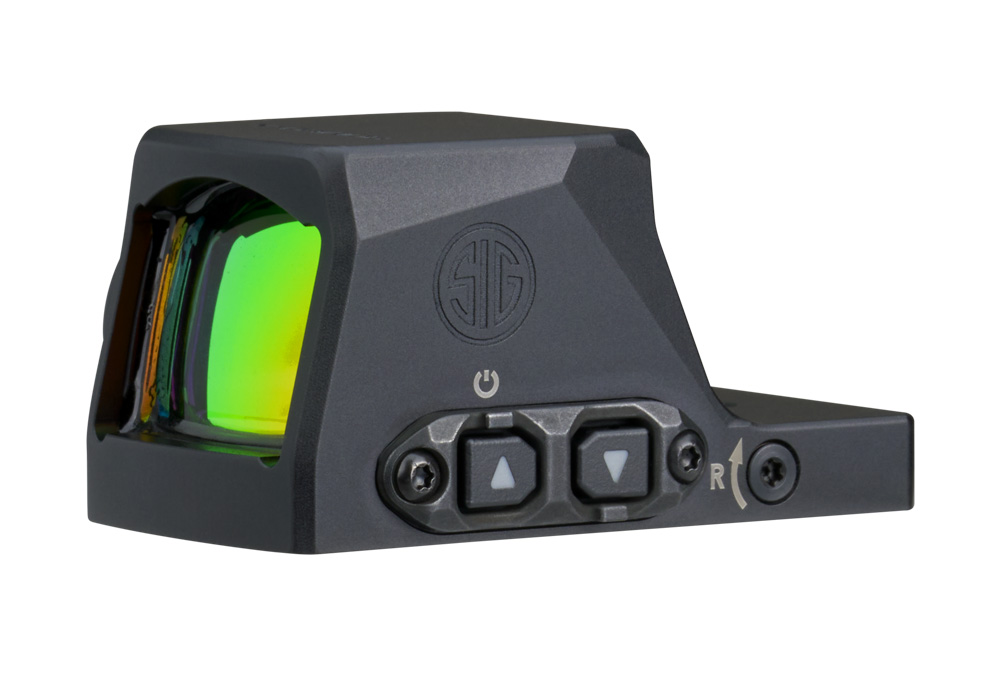
Handgun optics with zero distortion lens technology are designed to provide a cleaner, more natural sight picture when speed, precision, and consistent presentation matter. In practical terms, a distortion-free or aspheric lens helps reduce the edge warping and uneven visual magnification that can occur with traditional curved spherical glass. The result is a flatter-looking window in which the target remains more consistent whether it appears near the center or toward the edge of the optic. This true 1x perspective helps preserve natural depth and target size, allowing the shooter to keep both eyes open and maintain better awareness of the surrounding environment. A sharply focused lens can also make the illuminated reticle appear more defined, which is especially helpful for shooters who notice starbursts, flaring, or other visual artifacts around red dots. While no optic can correct every individual vision concern, a well-designed lens and properly adjusted reticle may provide a more usable aiming reference for a wider range of users. These optics are commonly selected for compact concealed-carry handguns, personal-defense pistols, training guns, and range setups where a fast, unobstructed aiming solution is valuable. They can be particularly useful during hurried presentations from a holster, when the shooter has little time to search for a precise sight alignment. With practice, the optic window becomes a familiar visual doorway: the pistol rises, the target appears, and the reticle settles without the need to align multiple iron-sight elements.
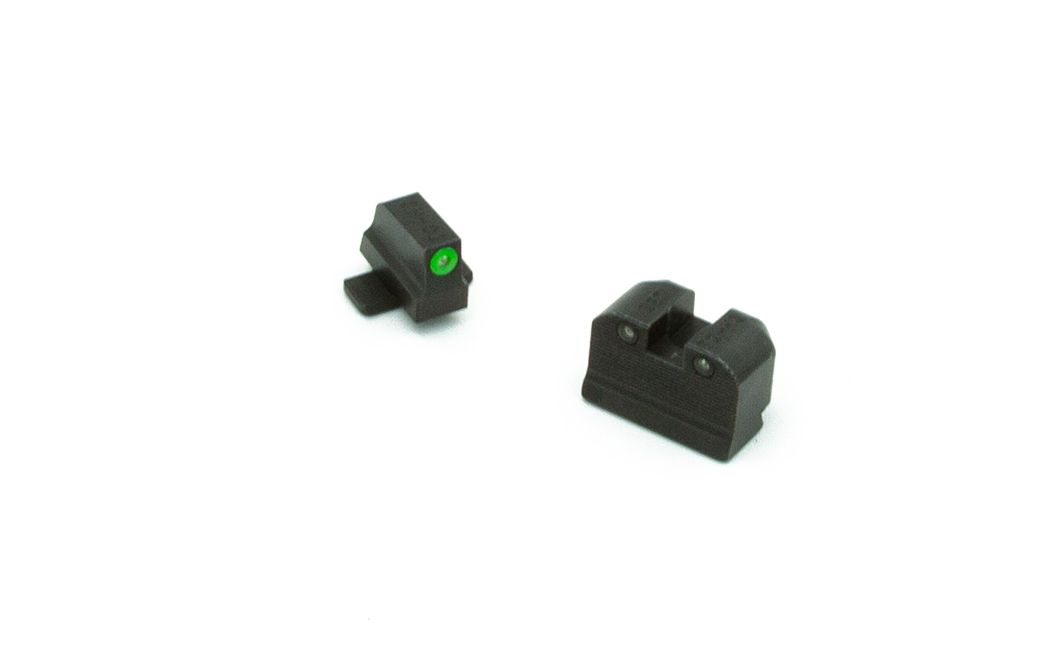
Choosing the right handgun optic starts with compatibility. Confirm the handgun’s slide cut, mounting footprint, screw pattern, and required mounting plate before placing an order, since similar-looking optics may use different interfaces. A secure fit depends on more than simply matching the optic to the pistol; the correct screws, torque specifications, sealing hardware, and plate system all contribute to reliable performance. Co-witness height is another important consideration. Lower-third or lower co-witness setups can leave the iron sights visible through the window without allowing them to dominate the sight picture, while other configurations may prioritize a larger unobstructed view. Open-emitter optics are often valued for their compact profile and straightforward presentation, while enclosed-emitter designs help shield the emitter from rain, dust, lint, and debris. Shooters who carry during the cooler months may appreciate the added confidence of an enclosed housing when clothing fibers or condensation could otherwise collect around an exposed emitter. Window size, housing shape, and overall height also affect concealment and draw comfort. A broad window may make it easier to find the reticle during early practice, while a slimmer profile can be preferable for a deep-concealment setup. Reticle options deserve equal attention. Smaller dots can support precise aiming at distance, larger dots may be faster to pick up at defensive ranges, and circle-dot patterns can provide a more visible reference during movement. Adjustable brightness allows the reticle to remain visible in changing conditions, from a dim indoor range to bright outdoor light, but the setting should be tested in the environments where the handgun will actually be used. Battery access, automatic illumination features, motion activation, night-vision compatibility, and an accessible brightness control can all influence day-to-day practicality.
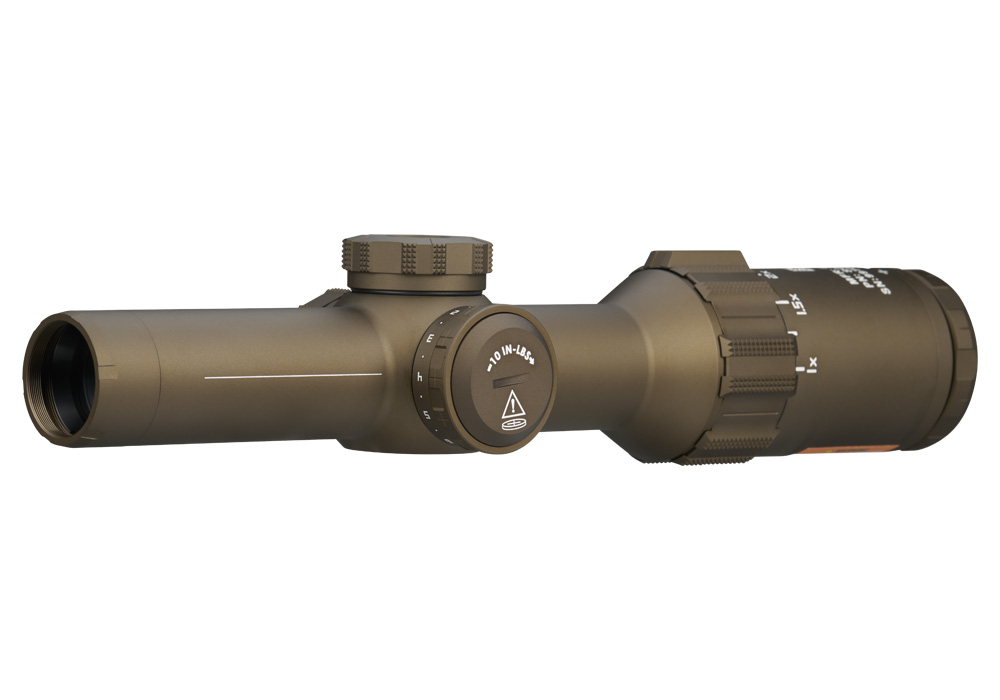
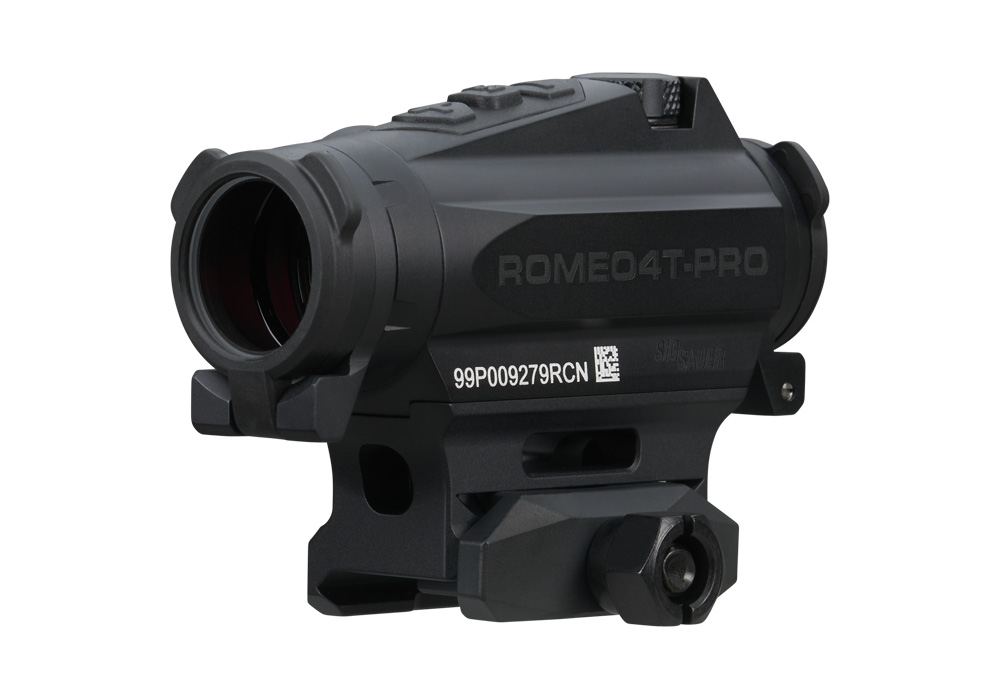
A handgun optic is only as useful as the complete system around it, so allow time for installation, zeroing, and repeated confirmation. Begin with the manufacturer’s mounting instructions and use the recommended torque rather than relying on feel; over-tightening can damage fasteners or the optic, while insufficient tension may allow movement under recoil. After mounting, establish a zero at a practical distance and confirm it from a stable position before refining the zero from standing and draw-based presentations. Fire enough rounds to verify that the point of impact remains consistent, then inspect the mounting screws, lens, and housing for signs of movement or damage. Keep the lens clean with appropriate optical tools, and avoid wiping away grit with a dry cloth, which can create fine scratches over time. A soft lens brush, air blower, and clean microfiber cloth are useful additions to a range bag. Training should include finding the reticle without fishing for it, tracking the dot through recoil, and maintaining a target-focused visual approach. Dry practice with an unloaded firearm, conducted in a safe area and according to all applicable safety rules, can make the presentation more repeatable before live-fire work. These optics can also make thoughtful gifts for a shooter who already owns a compatible handgun and wants to modernize its sighting system, though the recipient’s slide cut, preferred footprint, reticle style, and carry method should be confirmed first. For those building a broader collection of sighting equipment, Precision Optics for AR Platforms offers a separate category for long-gun applications. Whether used for practice, competition, concealed carry, or responsible home-defense preparation, a zero distortion lens handgun optic should be evaluated as part of a complete setup that includes a dependable pistol, secure holster, suitable ammunition, protective equipment, and consistent training.