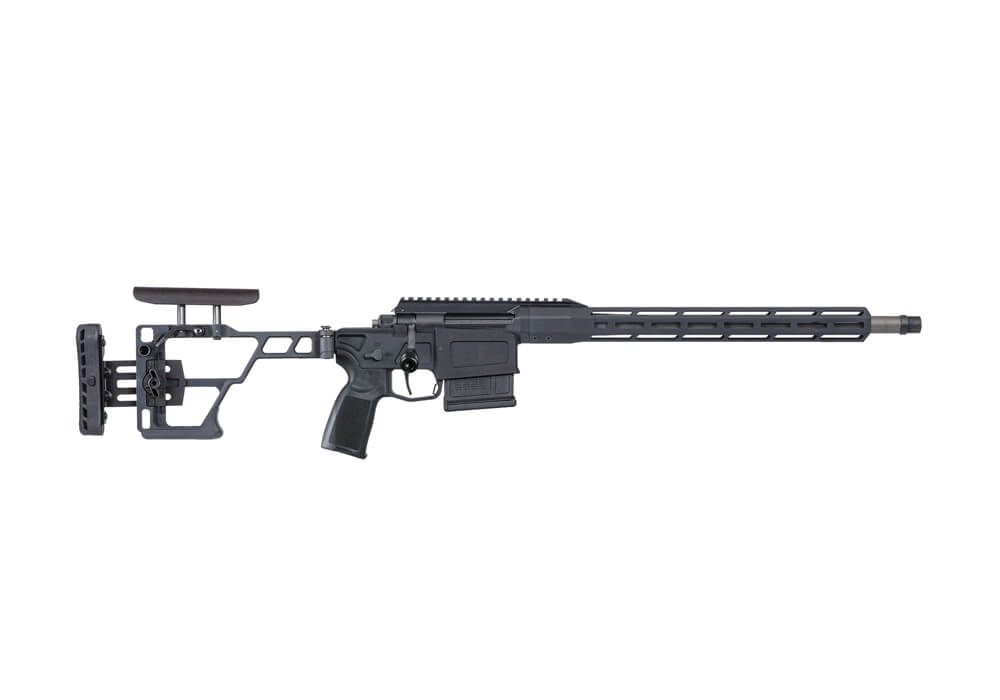
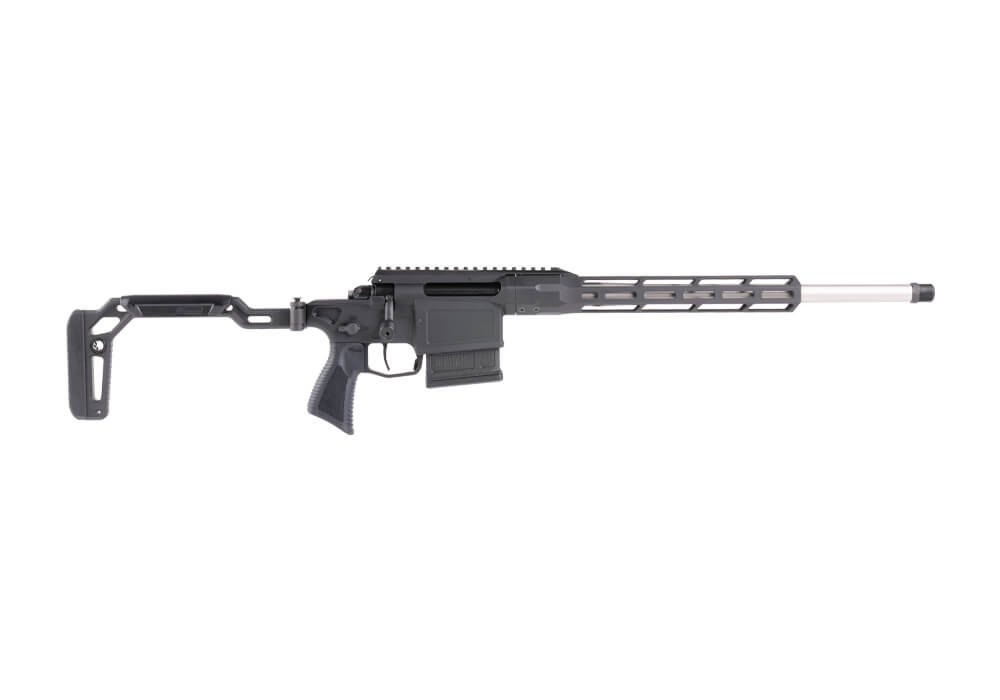
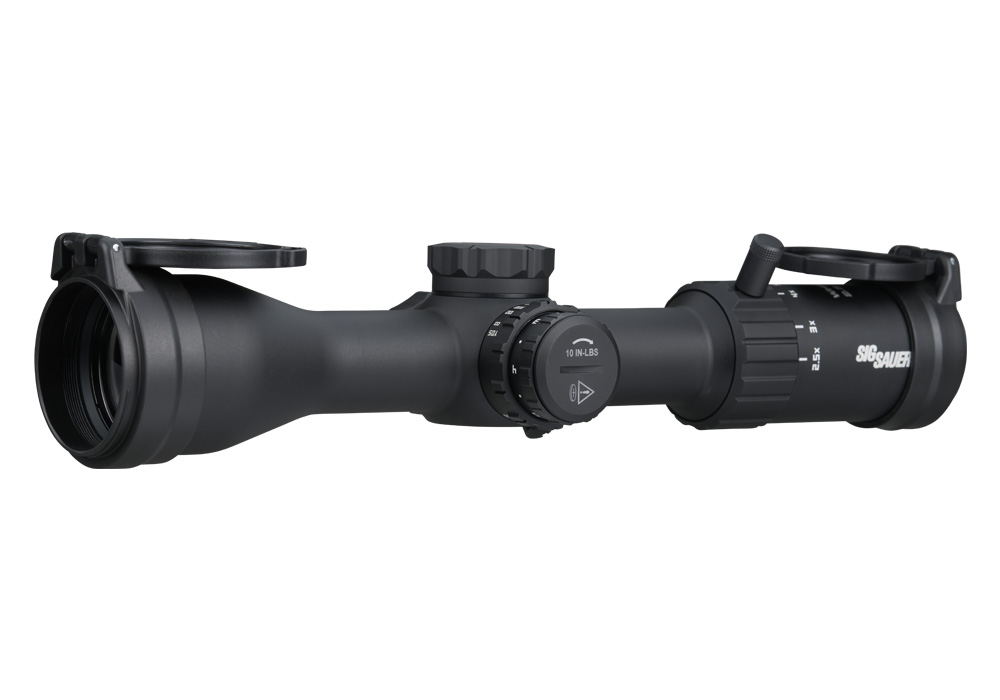
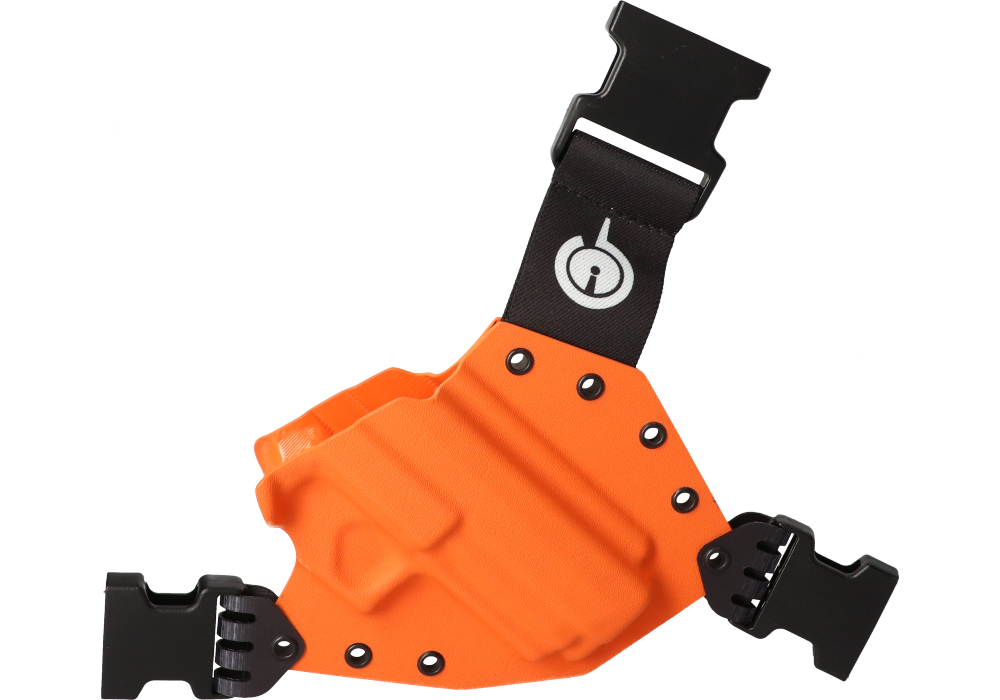
Beginner hunting gear should make a first outing safer, more comfortable, and easier to manage from the moment you leave the trailhead until you return home. The right starting point includes equipment for lawful participation, safe firearm handling, changing weather, navigation, observation, and field care. Before purchasing, identify the game you plan to pursue, the terrain you expect to cover, and the regulations for the season and area. A state-issued hunting license, required permits or tags, and any hunter education credentials should be carried as required, preferably in a waterproof pouch along with emergency contact information. If a firearm is part of the hunt, choose ammunition specifically matched to that firearm and intended game, follow all storage and transport laws, and practice safe handling until loading, unloading, carrying, and securing the firearm become familiar routines. Hearing and eye protection are useful during practice and should be part of a responsible shooting setup. Visibility requirements also deserve close attention: some seasons or public lands require blaze orange garments, hats, or other visible apparel, while camouflage can help conceal movement when regulations allow it. A dependable daypack brings these essentials together with water, food, extra layers, a first-aid kit, personal medication, sunscreen, insect protection, and a small repair kit. During the warmer part of the season, lightweight clothing that dries quickly can prevent sweat from becoming a later chill; as temperatures drop, a layering system built around moisture-managing base layers, an insulating mid-layer, and a wind- or water-resistant shell offers more flexibility than one heavy garment. Avoid relying on cotton when conditions may turn wet, since it holds moisture and loses warmth.
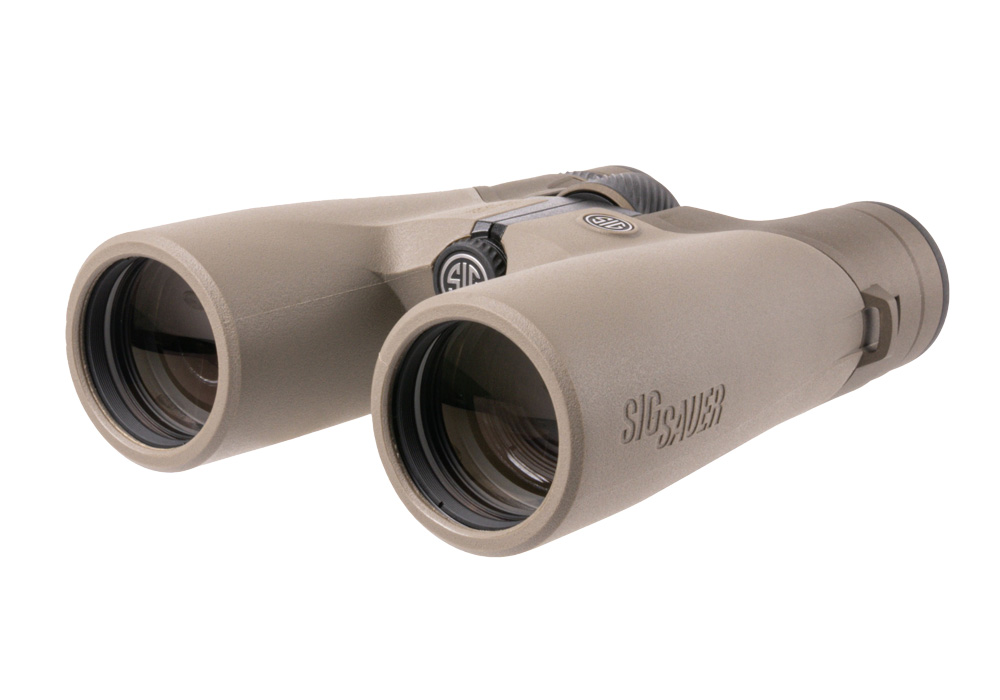
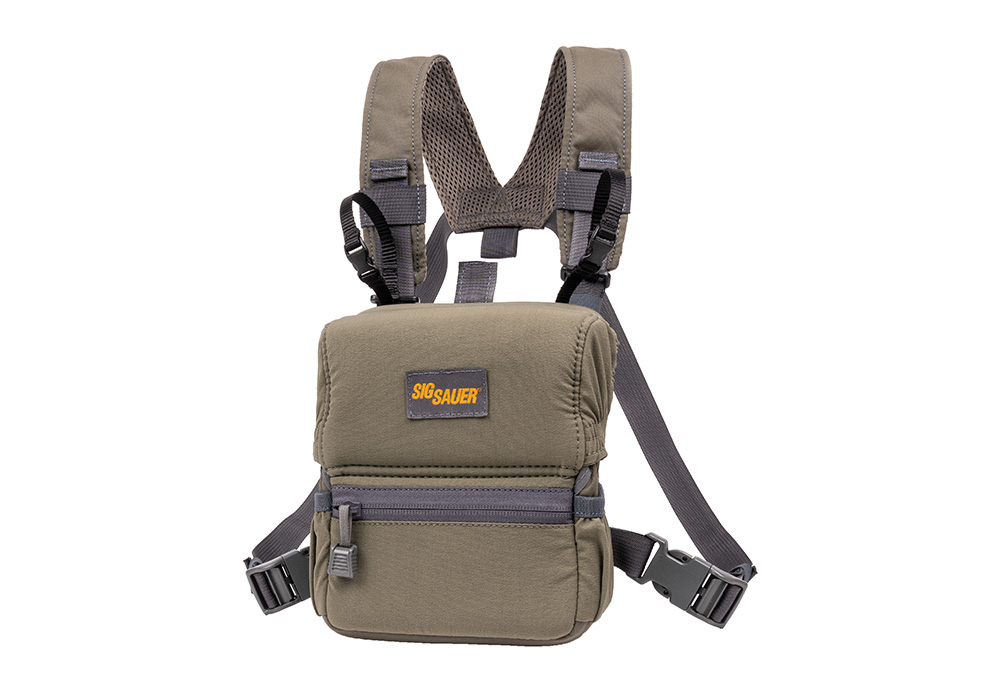
Footwear often determines how long a new hunter can stay focused in the field. Broken-in boots with dependable traction, adequate ankle support, and waterproof protection are a practical choice for uneven ground, wet grass, muddy access roads, or long walks through timber. Pair them with moisture-managing socks and carry a spare pair in a sealed bag; the simple comfort of dry socks can make a noticeable difference after crossing a shallow stream or pushing through morning dew. Binoculars help beginners study distant ridgelines, field edges, and brush without moving closer or raising a firearm, and magnification should be balanced with a bright, stable view that is easy to use while standing or seated. A sling, case, or other secure carrying solution can make transport more comfortable while protecting equipment between the vehicle and the hunting area. Navigation deserves more than a phone battery. A printed topographic or property map, a traditional compass, and a fully charged phone with a reliable mapping application create useful layers of backup, particularly where reception is limited. Mark parking areas, boundaries, water crossings, and planned routes before walking in, and let someone at home know where you will be. A headlamp leaves both hands available for climbing, organizing equipment, or safely handling a firearm before sunrise, while spare batteries or a charged backup light add valuable reassurance when the return takes longer than expected. A compact first-aid kit should cover blisters, minor cuts, scrapes, insect bites, and basic cleaning, with room for any personal prescriptions. These practical items are also thoughtful gifts for a new hunter, especially when selected in neutral, versatile styles that can serve during scouting, range practice, camping, or other outdoor activities.
Field-care equipment becomes important as soon as a harvest is made. A sharp, easy-to-control knife is useful for careful field dressing, while protective gloves, lightweight game bags, cord, and sealable bags help keep meat clean and organized. Learn the local requirements for tagging, transporting, and reporting harvested game before entering the field, since the details vary by jurisdiction and species. A small towel, disinfecting wipes, and a way to keep meat cool can be worthwhile additions when the walk out is long or the weather is mild. Many beginners find that organizing gear in separate pouches prevents small necessities from disappearing beneath an extra jacket or lunch. Keep licenses and tags accessible, place navigation tools where they can be reached without emptying the pack, and test zippers, headlamps, optics, and clothing closures before the hunt rather than discovering a problem in the dark. Products in this category can also help family members or friends support a first hunting experience with useful gifts such as warm layers, a durable daypack, binoculars, a compass, or a field-lighting solution—items that encourage preparation without requiring a perfect understanding of a particular hunting style. The recommended selection at Hunting Essentials can be considered alongside local laws, personal fit, and the conditions expected during the cooler months. Good beginner gear is not about carrying everything; it is about choosing dependable equipment that performs a clear job, fits comfortably, and supports safe decisions in the field. With the essentials prepared, a new hunter can spend less time managing preventable discomfort and more time observing the landscape, reading wind and cover, and building the steady habits that make each outing more rewarding.