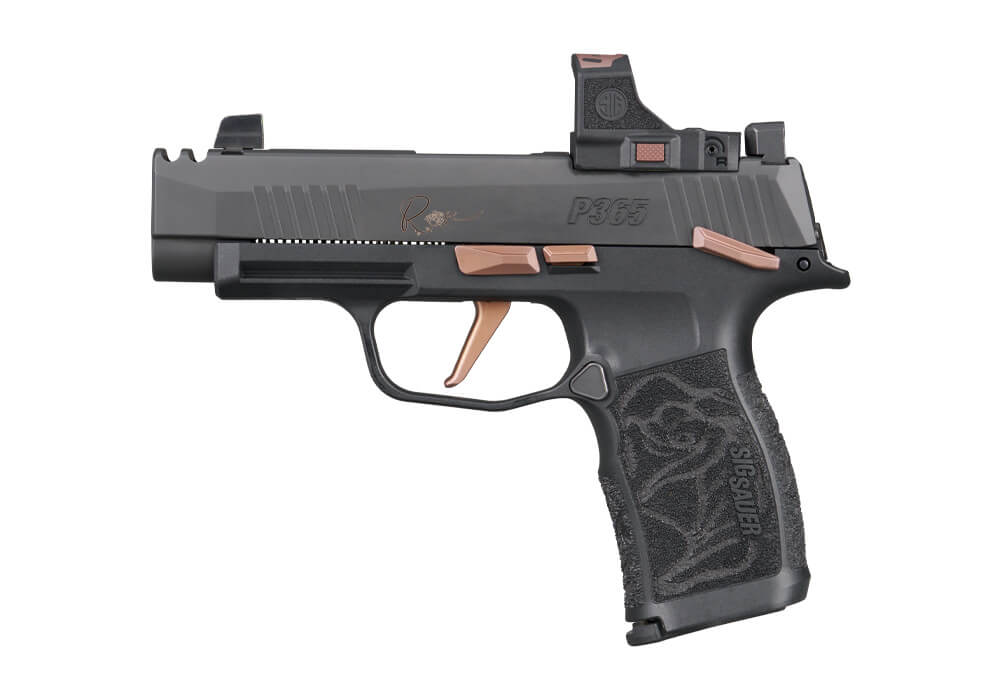
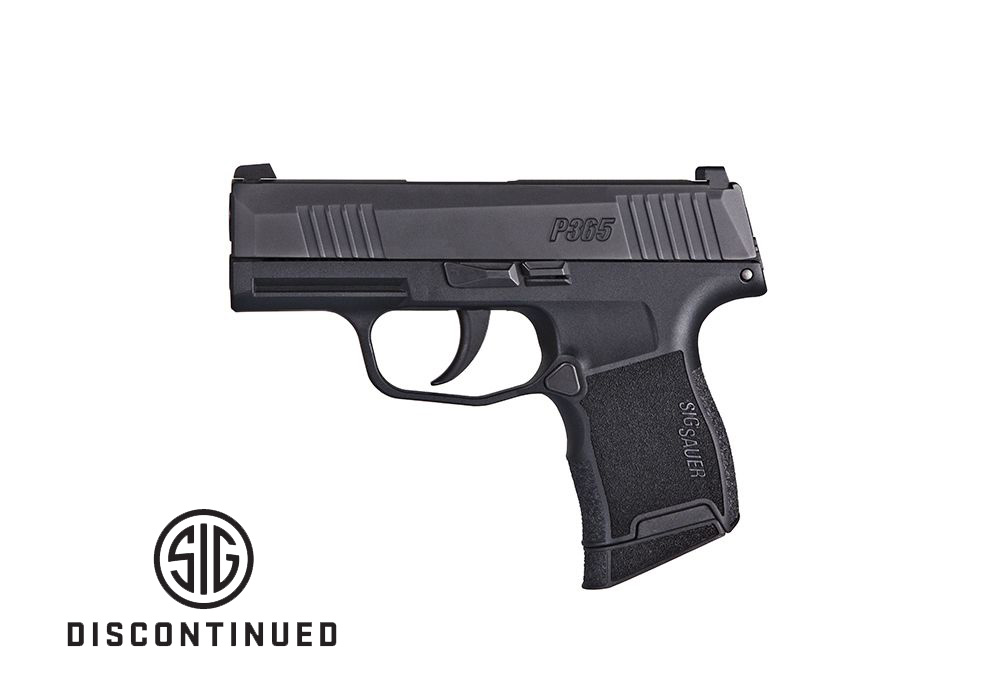
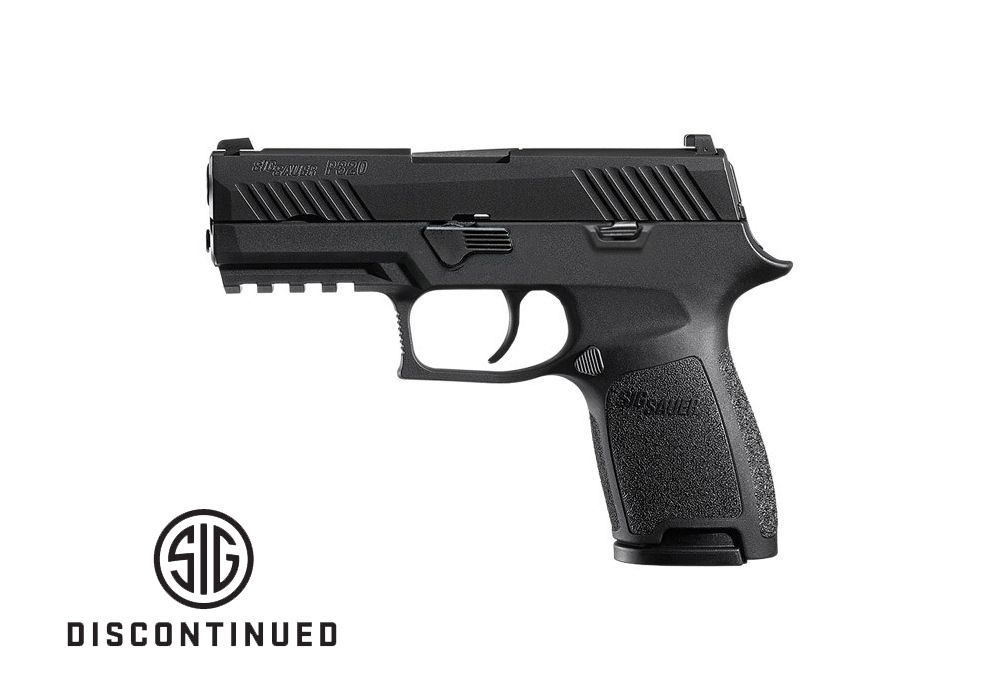
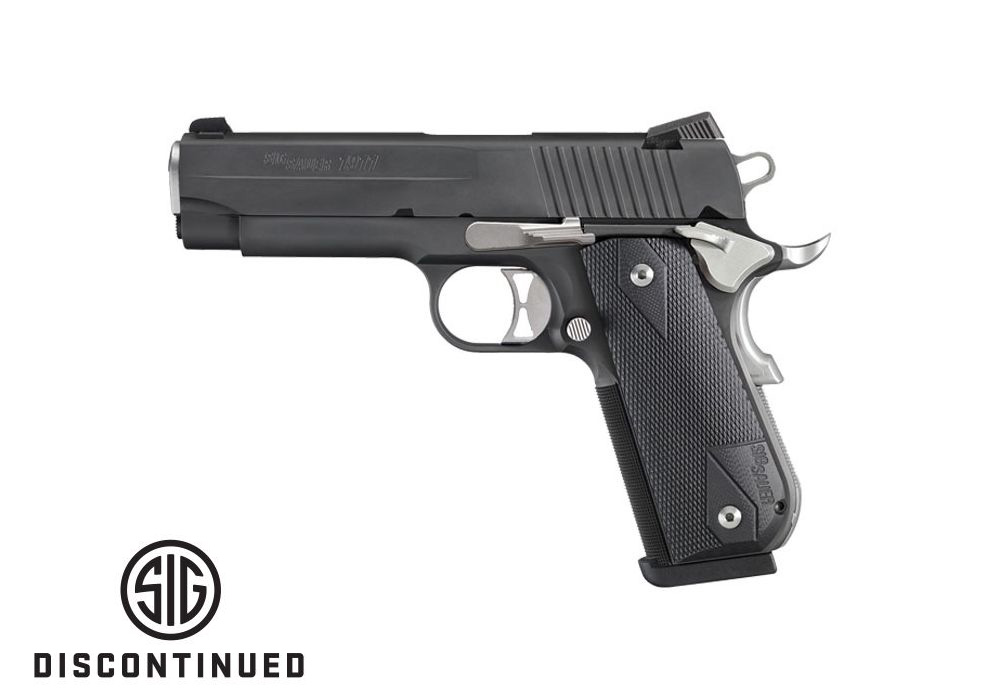
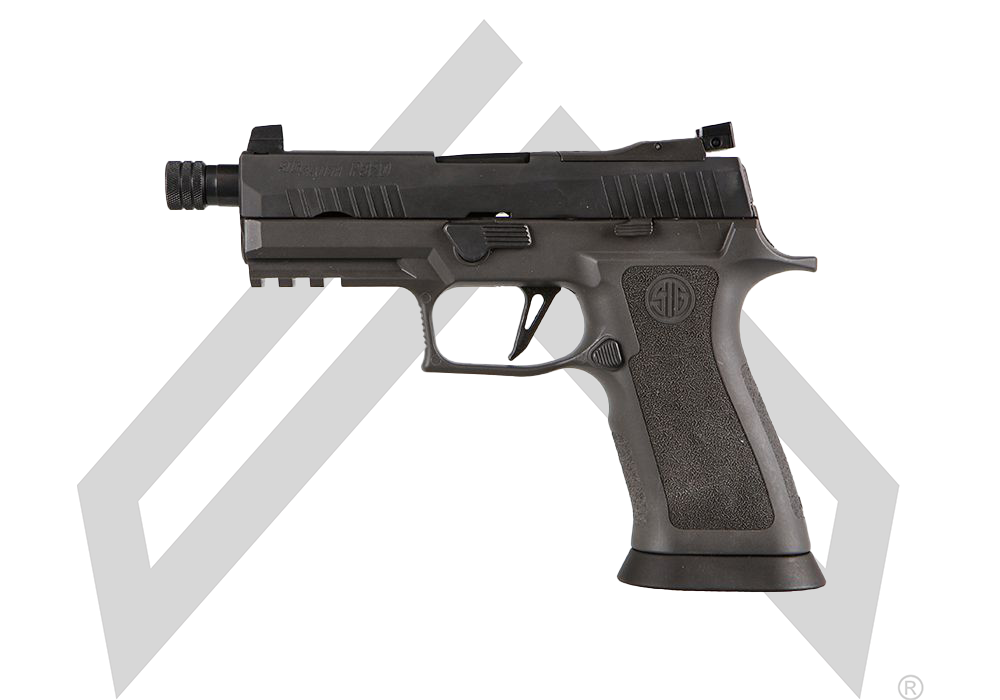
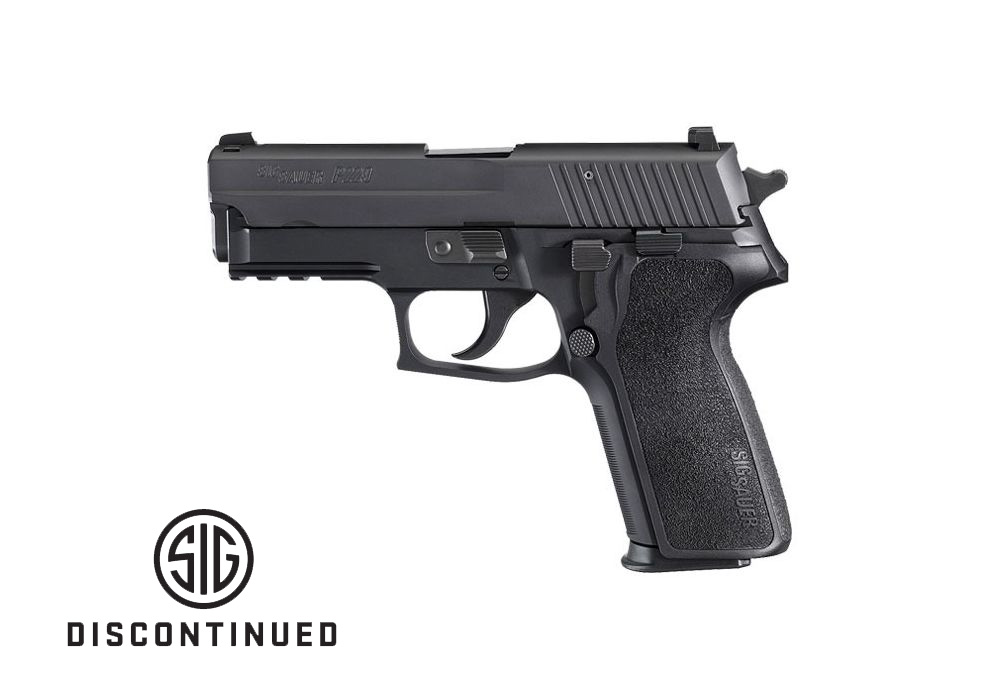
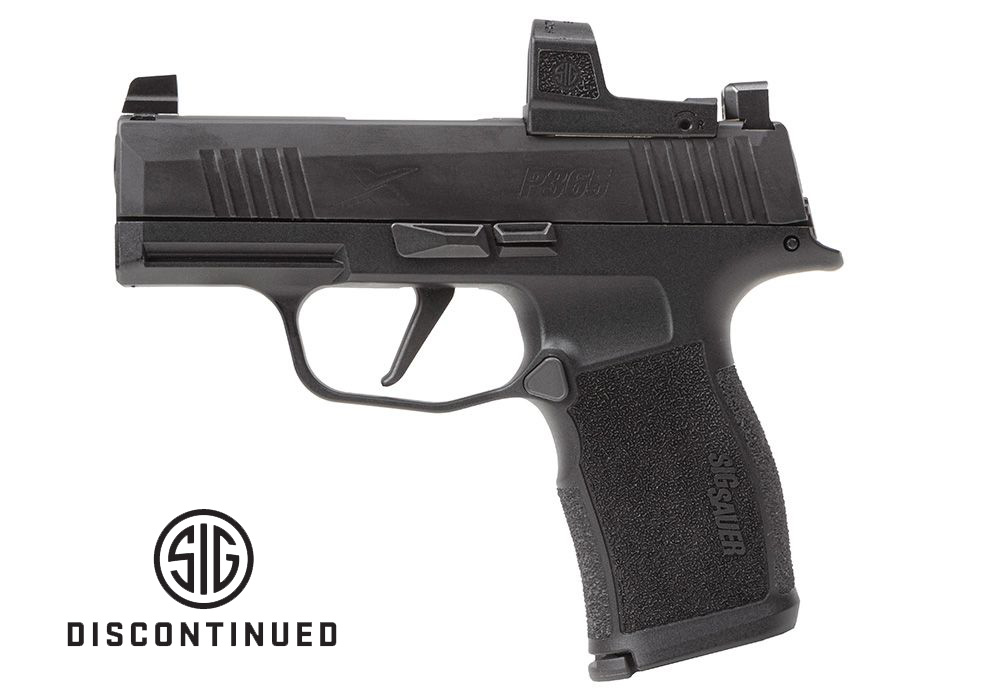
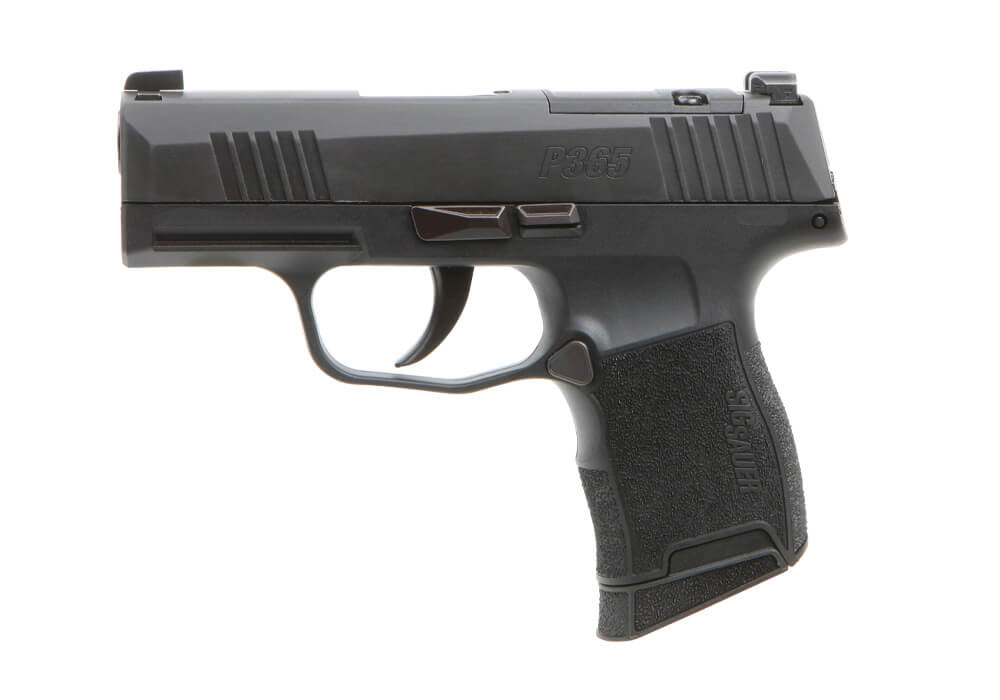
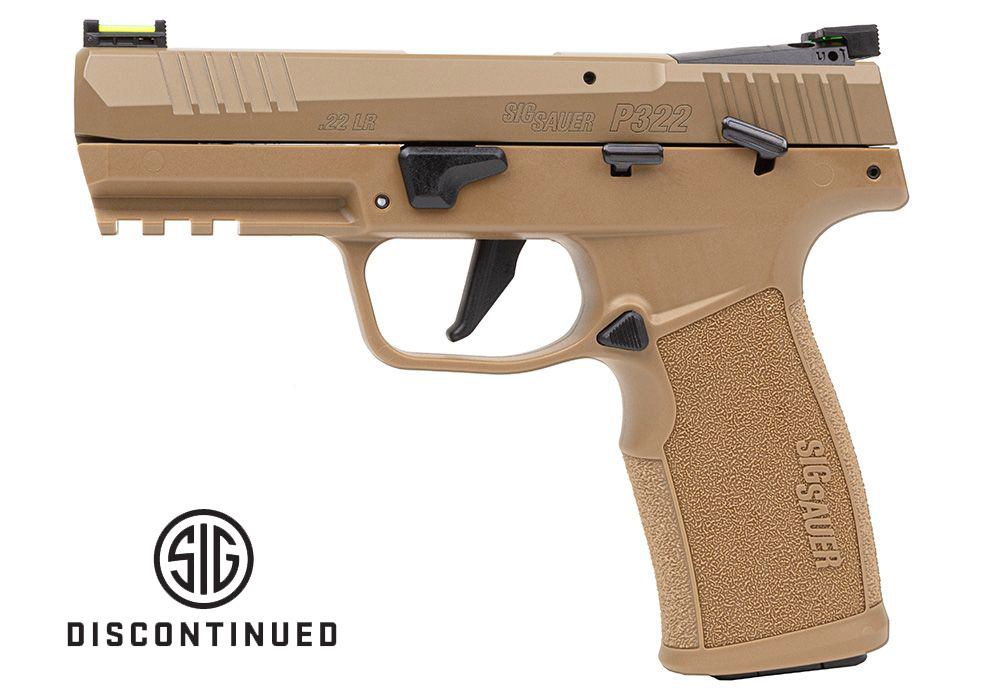
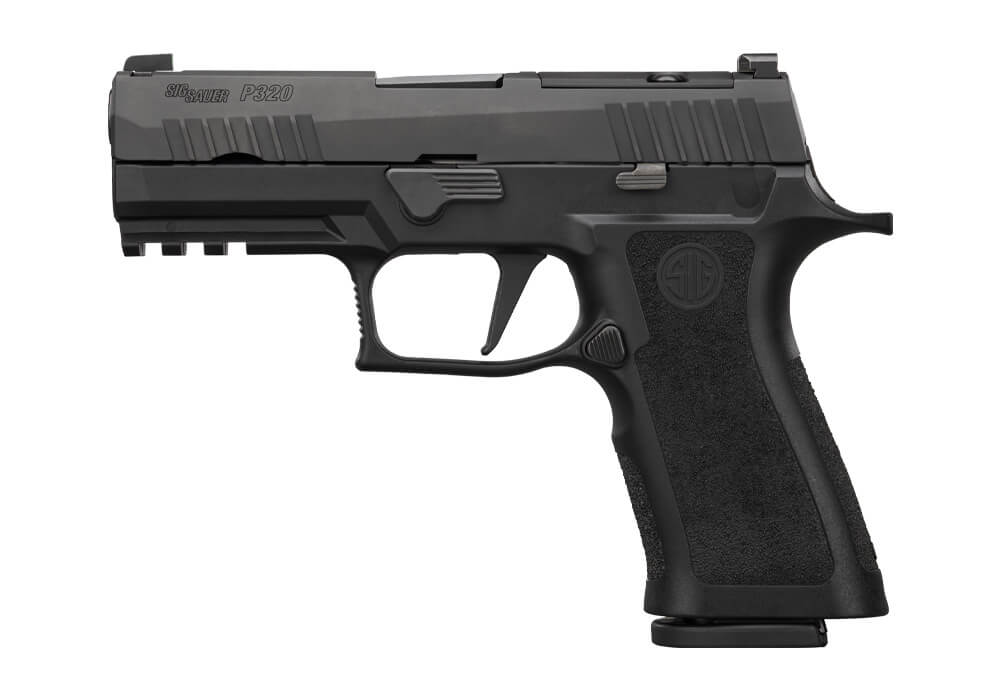
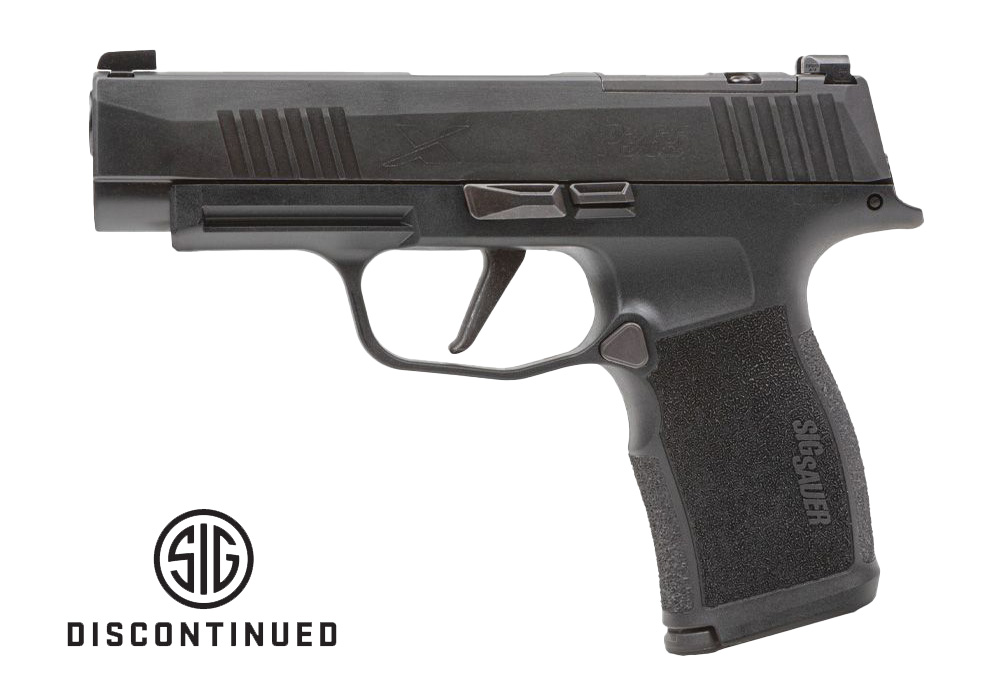
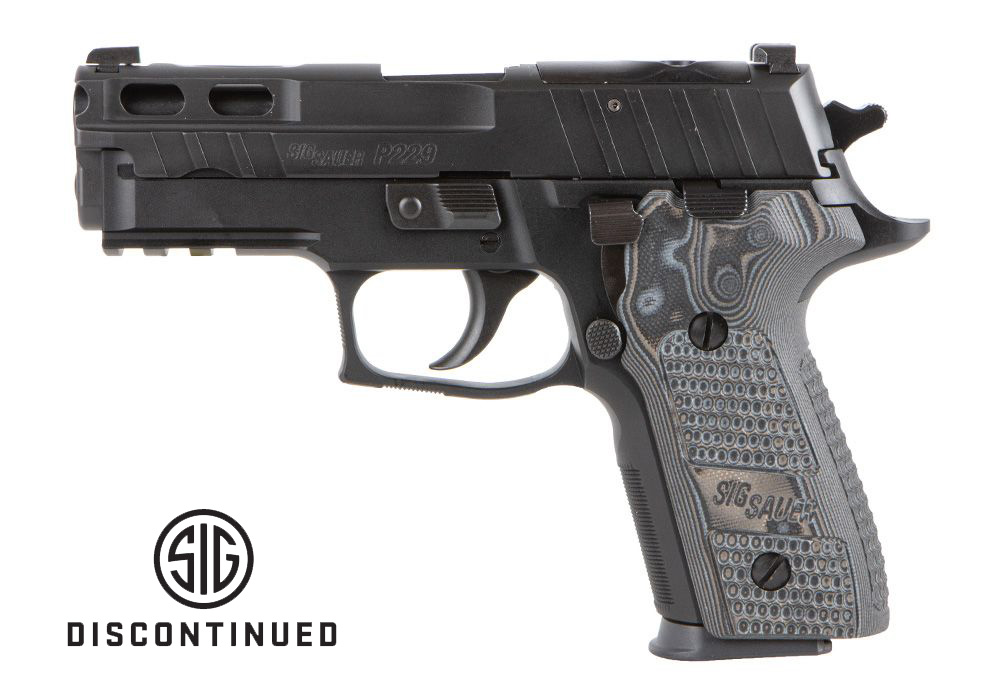
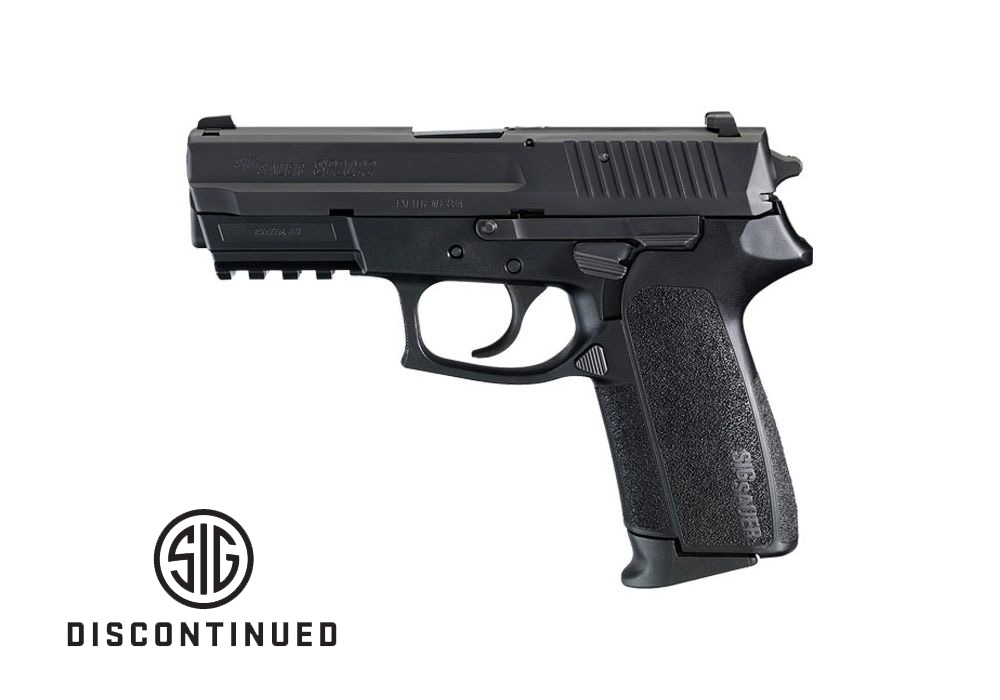
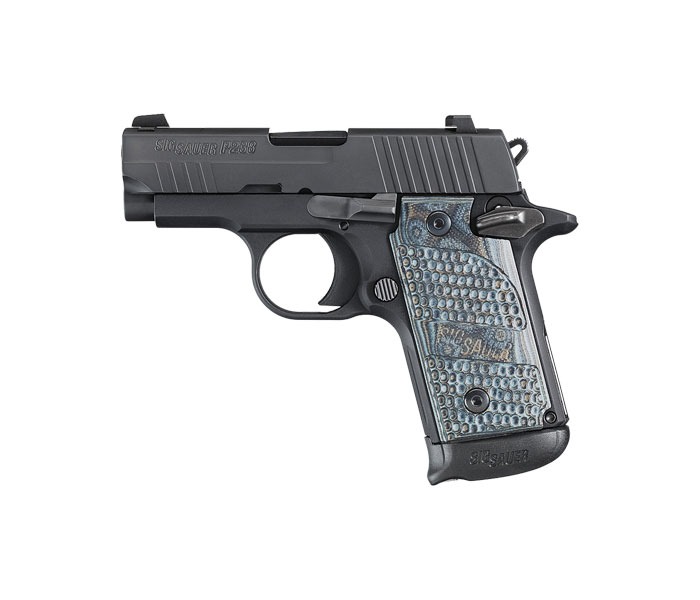
Choosing a concealed carry pistol as a mother often means balancing several practical needs at once. A suitable firearm should be dependable, comfortable to operate, simple to carry discreetly, and compatible with the pace of daily family life. One day may involve school drop-off, a trip to the grocery store, and time spent outdoors; another may call for business-casual clothing, athletic wear, or layered garments during cooler months. Recommended concealed carry pistols for moms generally include compact and subcompact designs that fit a range of wardrobes without becoming burdensome. Size alone should not determine the decision. A very small pistol may be easy to conceal but can feel more difficult to control, while a slightly larger grip may provide better stability and a more natural fit in the hand. Caliber is another important consideration. Both .380 ACP and 9mm pistols are common choices for personal protection, and the right option depends on the shooter’s comfort with recoil, ability to operate the controls, and commitment to regular practice. Those exploring a lighter-recoiling option can review Best 380 ACP Pistols for Women for additional context on size, handling, and practical selection criteria. The best match is the one that can be held securely, aimed confidently, and operated without hesitation under ordinary range conditions.
Hand fit and ease of operation deserve close attention before purchase. A grip should allow the trigger finger to reach the trigger naturally without stretching or placing excessive finger on the trigger face. The support hand should have enough room to contribute to control, and the texture should provide a secure hold without creating discomfort during extended practice. Slide manipulation is equally important, particularly for anyone with smaller hands, reduced hand strength, or joint discomfort. A pistol that is difficult to rack, lock open, or clear safely can become frustrating to use, so it is wise to handle several options at a properly supervised range or retailer whenever possible. Recoil should be manageable enough to support accurate follow-up shots, especially when practicing from realistic defensive distances. Features such as a well-shaped grip, a smooth trigger, usable sights, and an accessible magazine release can make a meaningful difference. Some parents prefer a manual safety as an additional handling preference, while others choose a design without one because they want a consistent draw-and-fire sequence; either approach requires deliberate training and strict adherence to the four fundamental rules of firearm safety. A secure holster designed for the specific pistol is essential. For on-body carry, look for reliable trigger-guard coverage, stable retention, and a position that remains comfortable while bending, lifting, driving, or sitting through a school activity. Off-body carry requires even greater care: a dedicated compartment or purpose-built bag should keep the firearm separated from keys, phones, makeup, toys, and other objects, and the bag must remain under the owner’s direct control. A loose pistol in an ordinary purse or diaper bag is not a safe carry method.
A concealed carry pistol may be purchased for a mother, partner, daughter, or close family member, but a firearm is a personal item rather than a surprise gift chosen solely for appearance or convenience. The intended recipient should have an active role in selecting the model, caliber, grip size, safety configuration, and carry method, and all transfers must comply with applicable federal, state, and local laws. For many new owners, the most valuable part of the purchase is a complete plan that includes professional instruction, safe storage, a quality holster, eye and ear protection, and regular range practice. Training should cover loading and unloading, safe presentation from the chosen holster, malfunction procedures, situational awareness, and the legal responsibilities surrounding defensive firearm use. Parents should also establish a storage routine before bringing a pistol home. When it is not being carried under the owner’s direct control, it should be secured in a locked container or other appropriate safety device, with access limited to authorized adults. Children should be taught age-appropriate firearm safety concepts, including the importance of never touching a firearm without permission and immediately notifying a trusted adult if one is found. During warmer weather, lighter clothing may make concealment more challenging, while during the cooler months, jackets and layered garments can introduce new concerns about access and covering material. Practicing with the clothing, holster, and position used in everyday life helps build consistent habits. The goal is not simply to own a compact pistol, but to select a reliable, manageable tool and develop the judgment, skill, and secure routines needed to carry it responsibly.