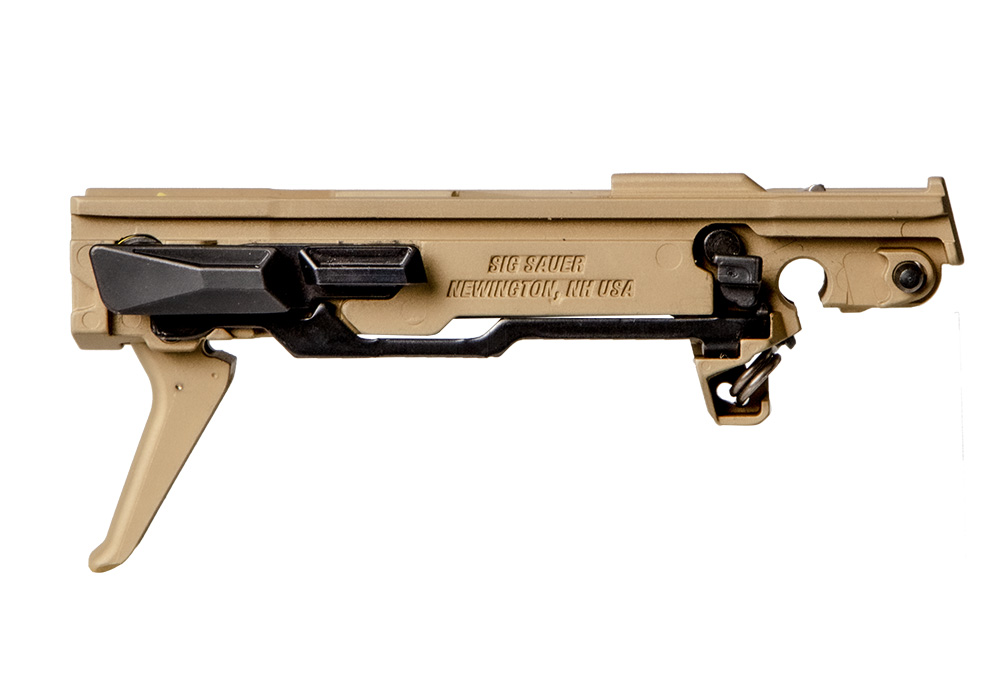
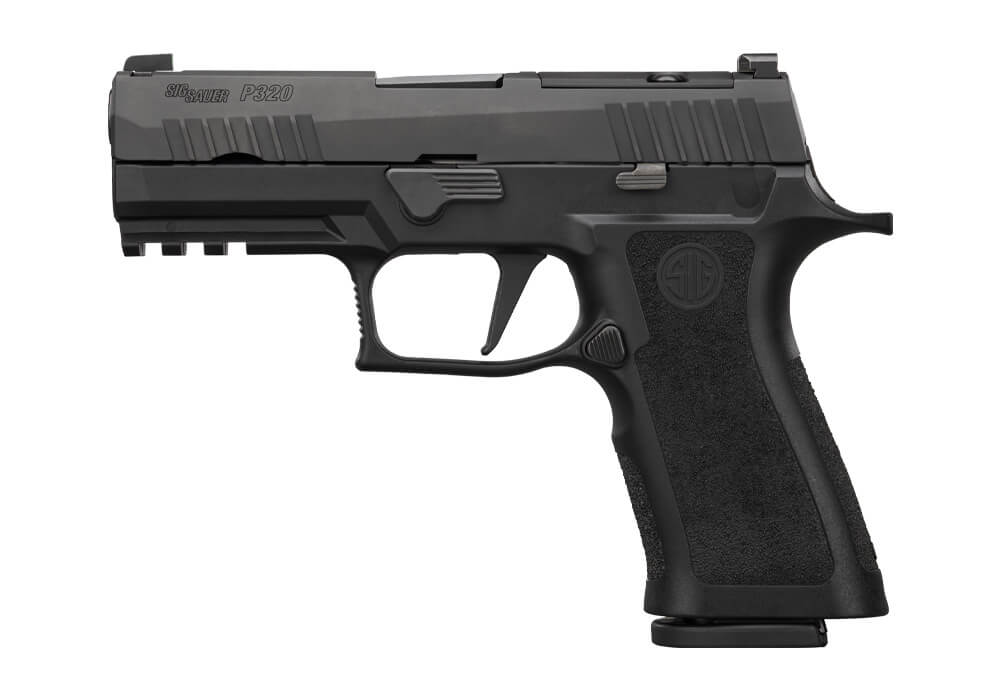
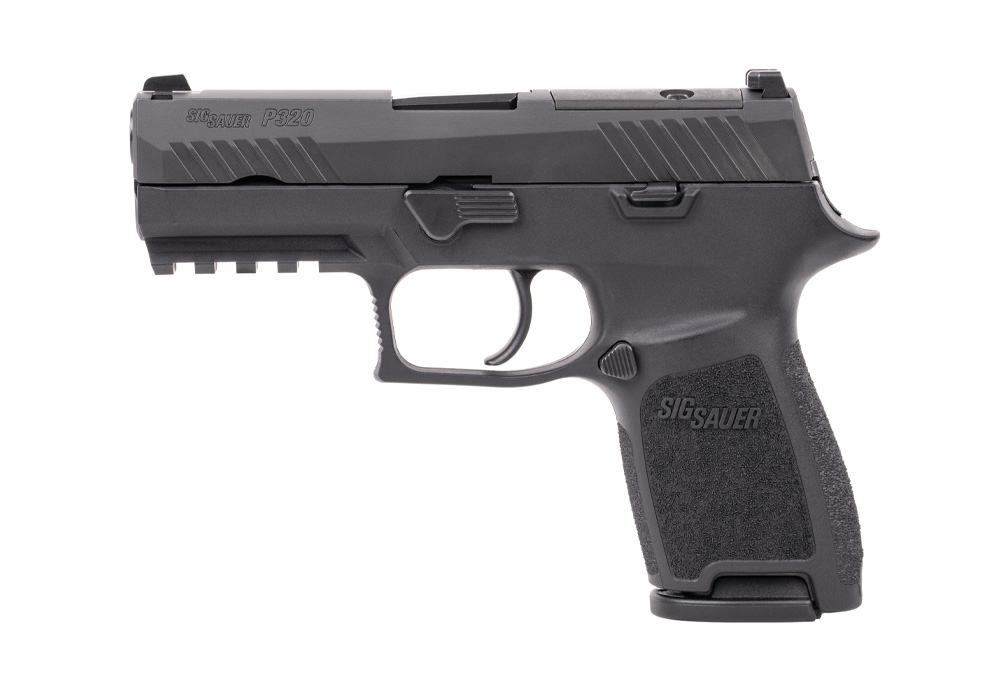
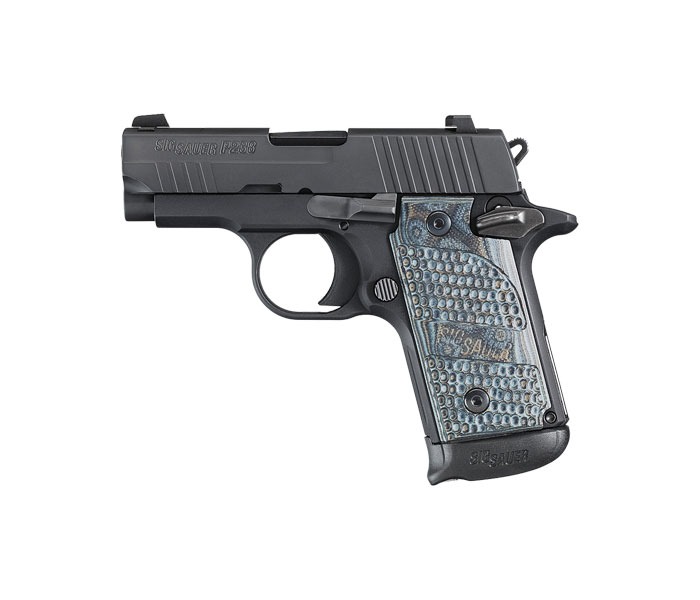
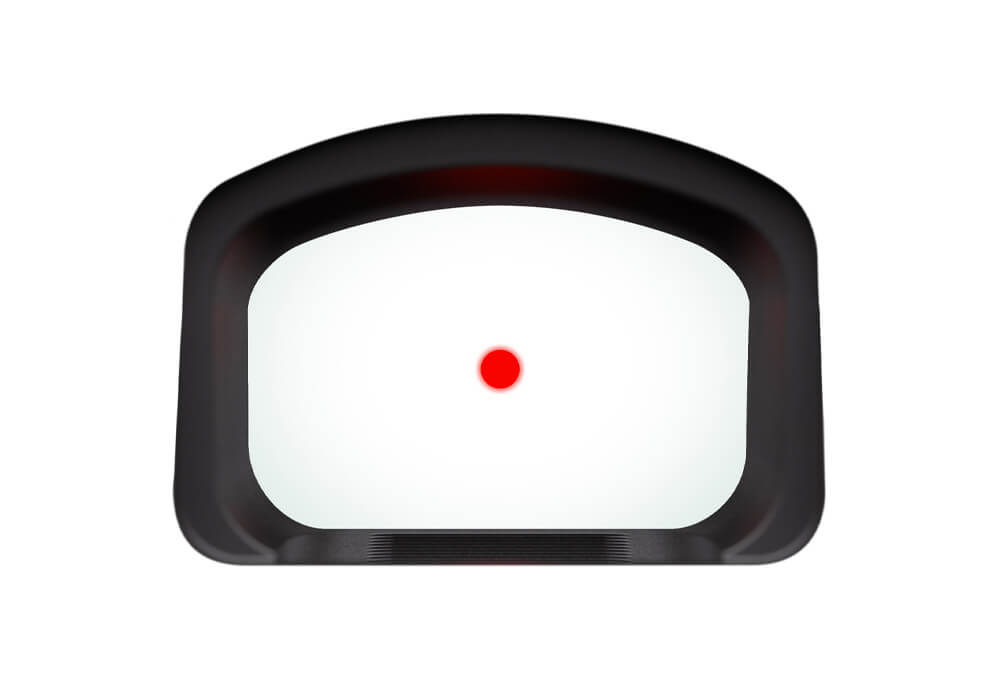
Easy-draw concealed carry pistols are generally compact or micro-compact handguns designed to balance discreet carry with a clean, consistent presentation. Their slim profiles, rounded edges, smooth trigger guards, and low-profile controls can help reduce the chance of catching on clothing or the holster during the draw. A pistol that disappears beneath a light shirt during warmer weather may feel very different under a jacket, sweater, or heavier outer layer during the cooler months, so overall dimensions and carry position deserve careful consideration. Many people compare .380 ACP and 9mm options when selecting a concealed carry pistol. A .380 ACP pistol can offer reduced size and weight for pocket or deep concealment, while a 9mm pistol may provide a familiar balance of manageable recoil, ammunition availability, and performance. The best choice is the one the owner can safely control, carry securely, and operate confidently under stress. Grip length is especially important in a small frame. A slightly extended grip can make it easier to establish a full, high purchase as the hand meets the pistol, while a shorter grip may conceal more readily. Texturing should provide a secure hold without creating sharp edges that rub against the body or snag a cover garment. Controls should be easy to reach without requiring the shooter to shift the hand, and sights should remain visible in varied lighting. For shoppers comparing an optic-ready setup, Concealed Carry Pistols Reflex Sights can help narrow the selection toward pistols configured for a reflex sight, provided the optic, mounting system, and holster are properly matched.
A clean draw depends on more than the pistol itself. Strong-side hip carry, commonly positioned around the 3 o’clock to 4 o’clock area, offers a familiar motion and can work well beneath an untucked shirt, overshirt, or jacket. Appendix carry, near the front of the waistband, can offer efficient access and a natural path for the hand, but it requires careful attention to holster design, body position, and safe handling. Pocket carry may suit an especially small pistol, though it calls for a dedicated pocket holster that keeps the trigger protected and prevents the firearm from sharing space with keys, coins, or other objects. Whichever position is selected, the holster should retain the pistol securely, fully cover the trigger guard, and remain stable as the wearer sits, walks, bends, or gets in and out of a vehicle. A useful way to evaluate concealment is to wear an unloaded, holstered setup around the house under the clothing normally worn for work, errands, or outdoor activities. Notice where the grip prints against fabric, whether the belt shifts, and whether the holster creates pressure after an hour in a chair. A compact pistol that feels comfortable at a counter may need a different ride height or cant for a long drive. Cover garments also matter. An open-front shirt, cardigan, jacket, or sweatshirt may allow the hand to move directly to the grip, while a fitted shirt can make access less predictable. Practice should focus on a safe, repeatable motion: establish a firm grip, clear the garment without sweeping it across the trigger, draw the pistol straight up and out of the holster, and orient it toward the intended direction only when appropriate. Dry practice must be conducted with the firearm unloaded, ammunition in another room, and a safe backstop or direction selected according to established safety practices.
These pistols may appeal to experienced concealed carriers seeking a lighter everyday setup, new owners looking for a manageable starting point, or anyone who values discreet personal protection while maintaining a secure, accessible option. They can also be considered as a gift for a qualified adult, but firearms should never be given casually or without confirming the recipient’s eligibility, local requirements, safe-storage plan, and genuine interest in responsible ownership. A thoughtful gift may include professional instruction, a quality belt, a properly fitted holster, secure storage, eye and ear protection, or range time rather than a firearm selected without the recipient’s input. Fit is personal: hand size, clothing, body shape, dominant hand, carry position, and experience all influence what feels natural. A pistol with standard capacity may be preferable for a particularly slim setup, while an extended-capacity magazine can provide additional grip length and ammunition capacity when concealment and local laws allow. Magazine changes, controls, and recoil should be evaluated at a range with appropriate supervision, not judged solely by appearance. During the transition from lighter clothing to layered fall and winter clothing, confirm that coats and sweaters do not interfere with access or allow the holster to shift. Keep the pistol secured whenever it is not under the owner’s direct control, and use locked storage around children, visitors, and anyone who should not access it. With a secure holster, compatible clothing, realistic practice, and careful attention to lawful ownership and storage, an easy-draw concealed carry pistol can become a practical part of a responsible daily carry system without sacrificing discretion or comfort.