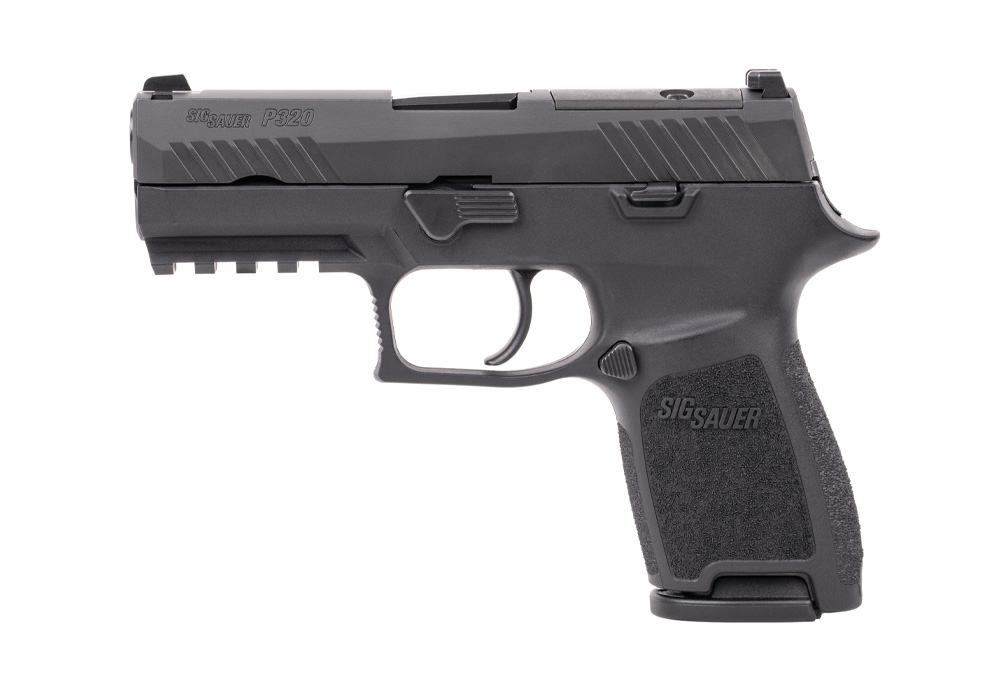
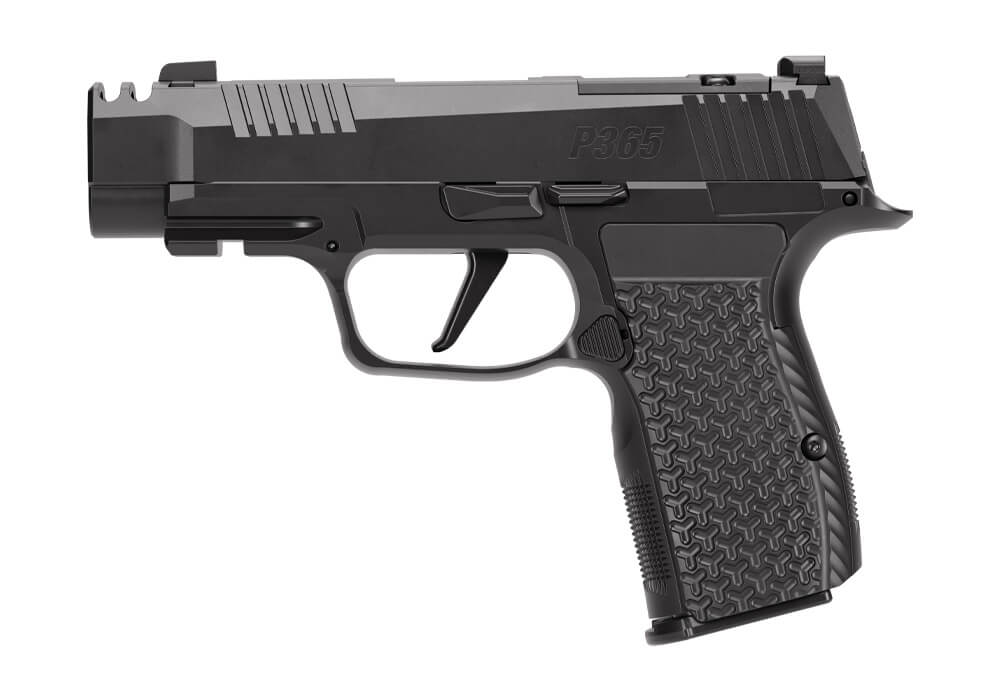
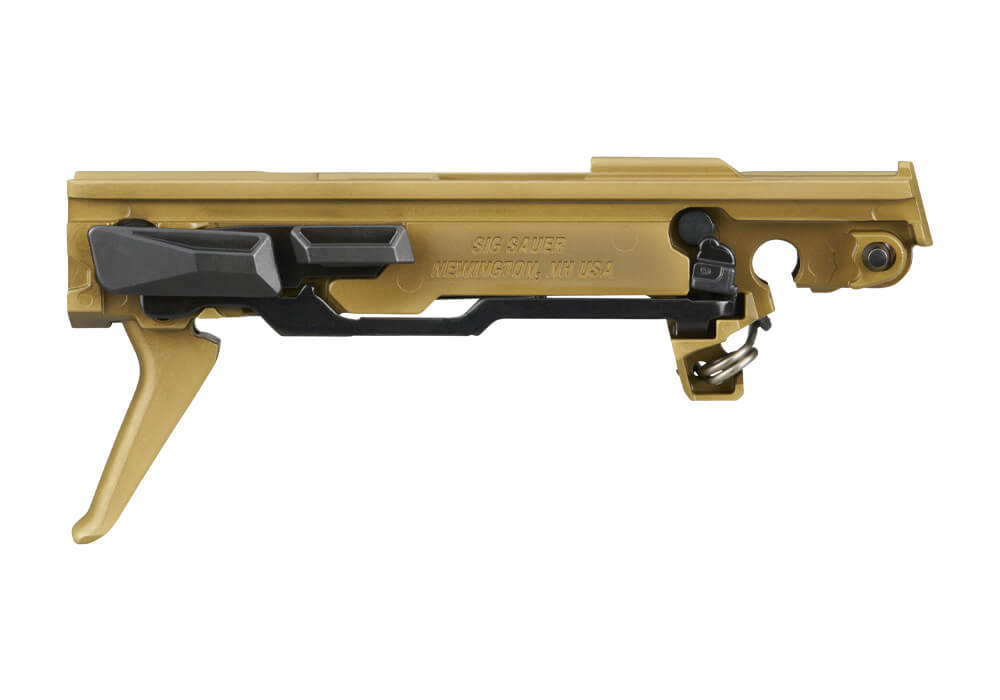
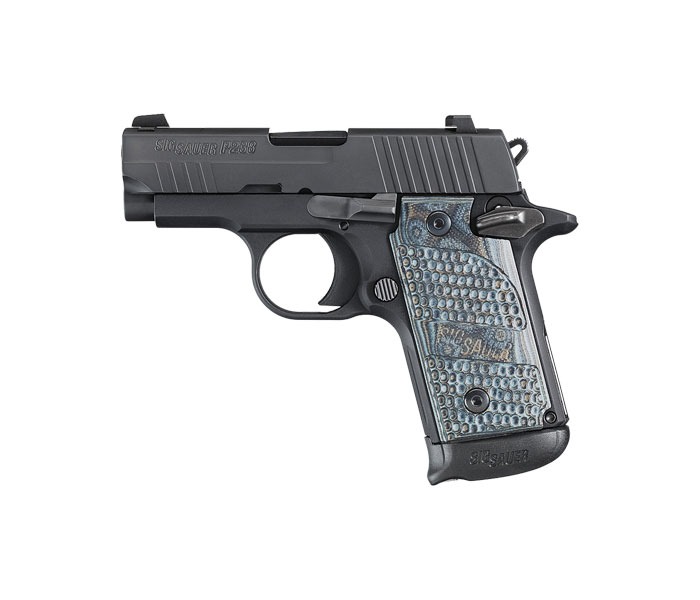
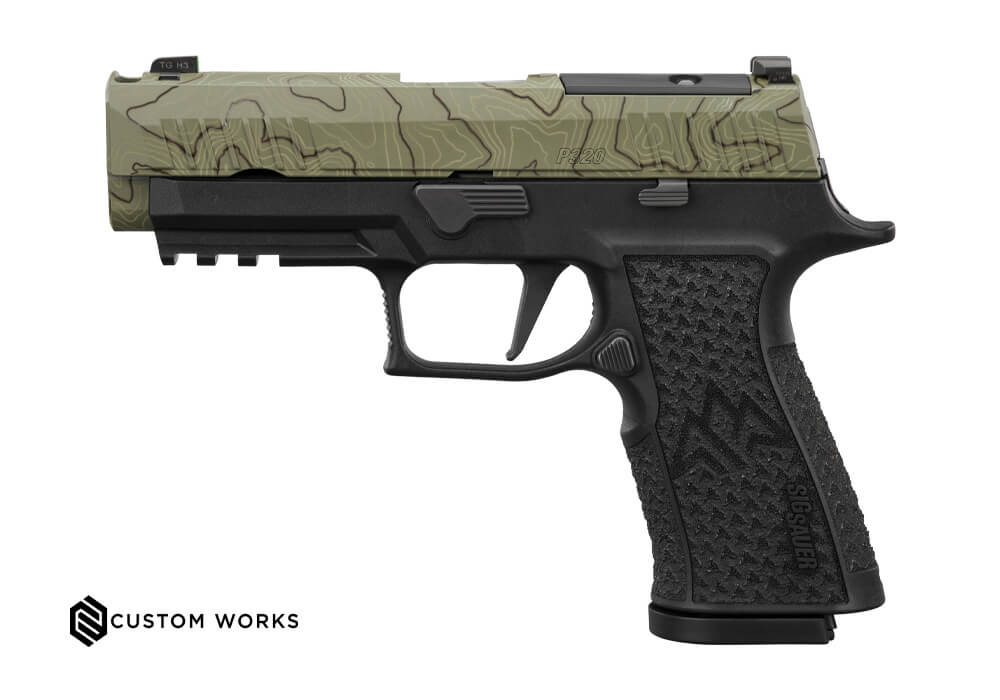
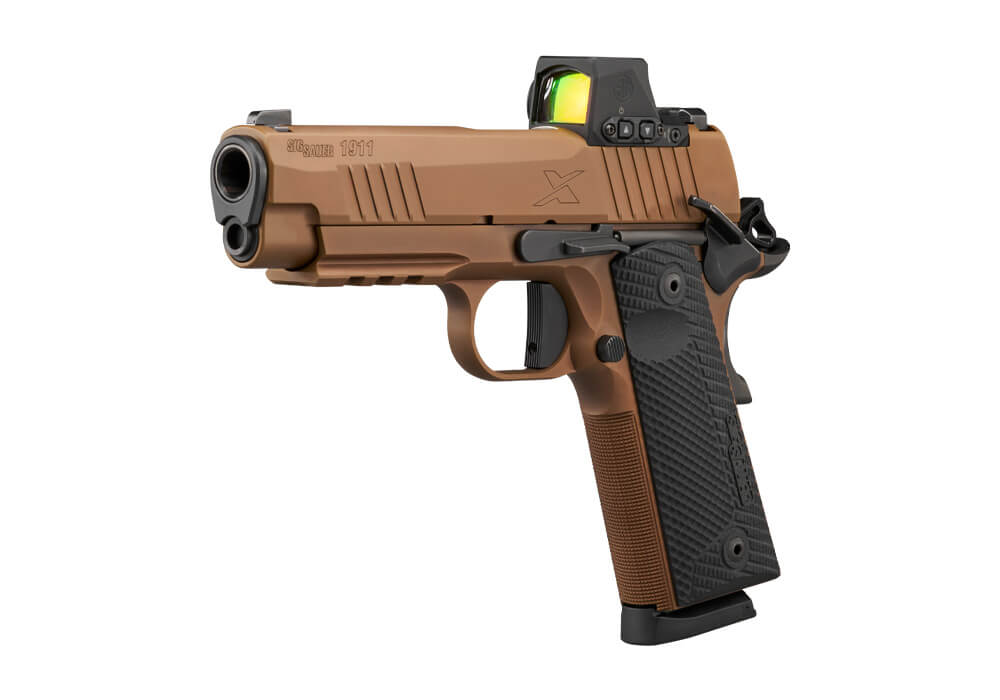
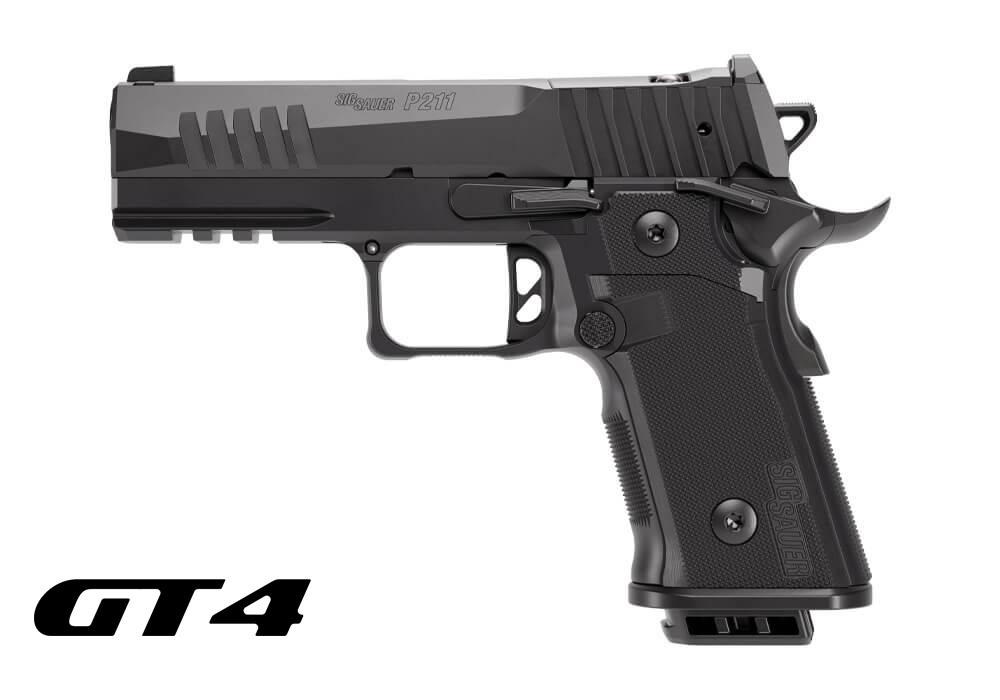
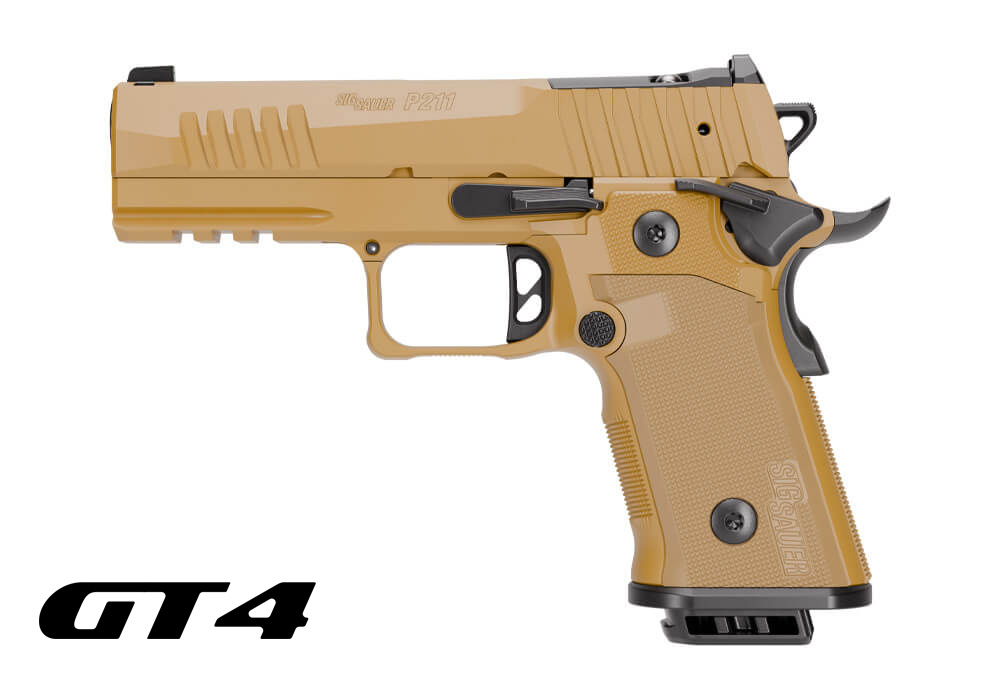
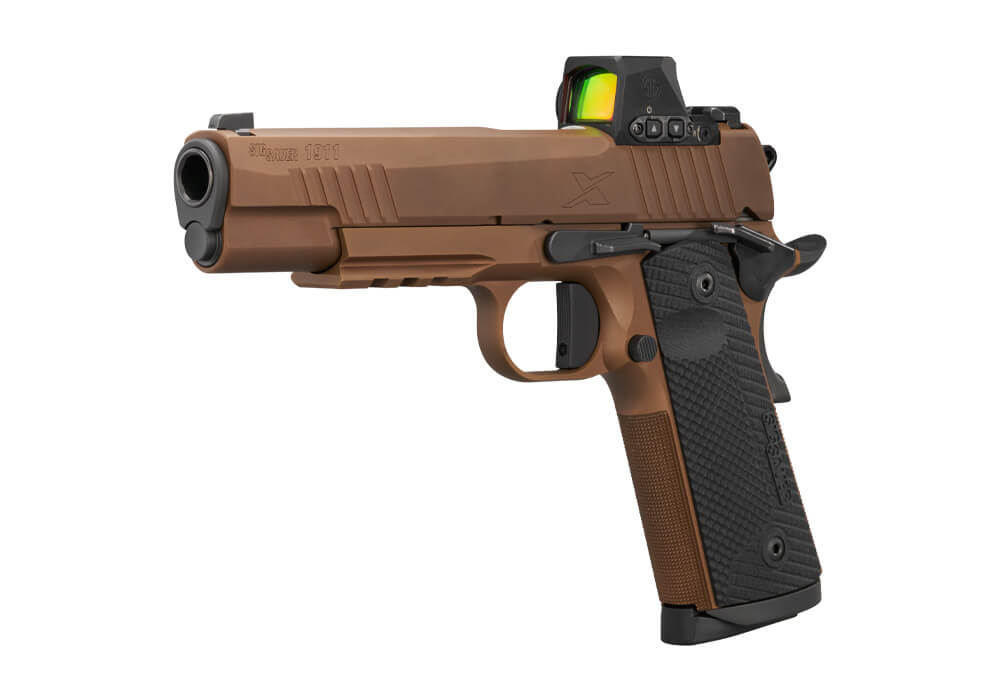
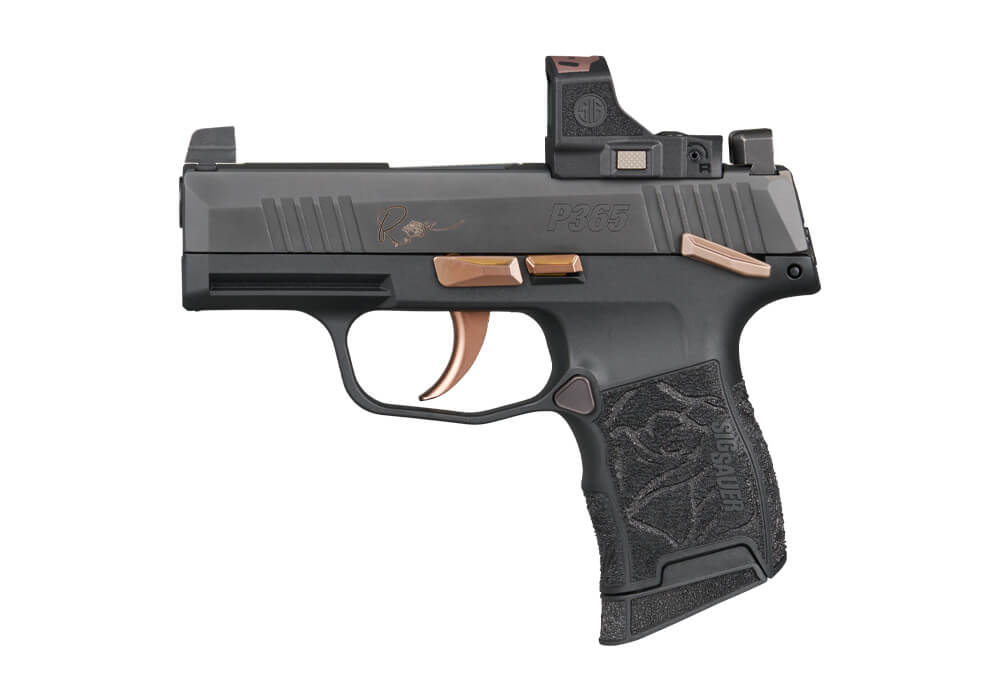
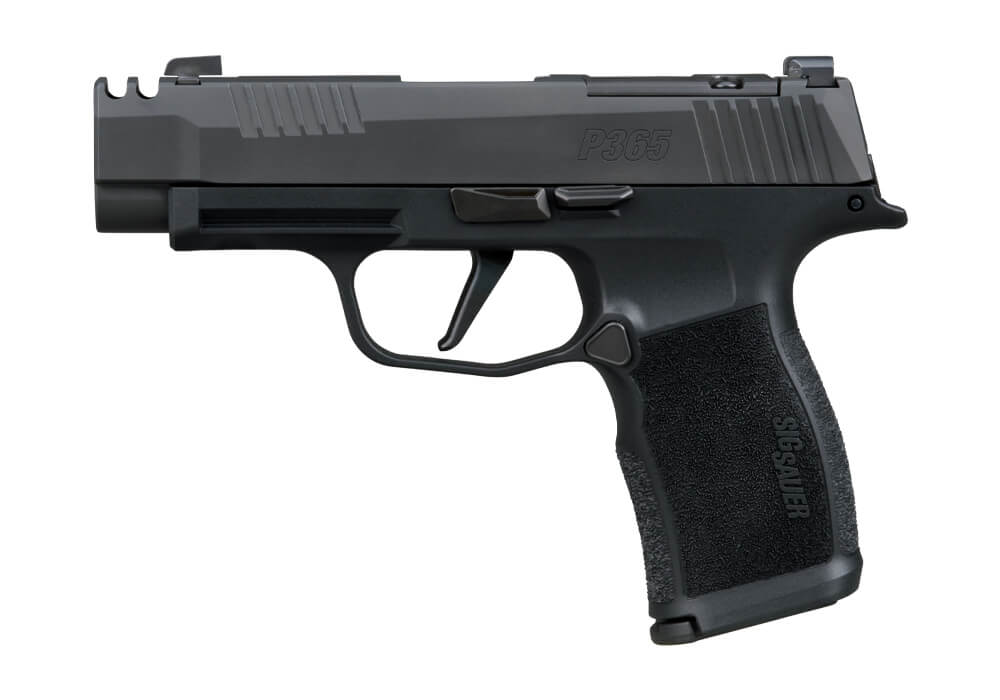
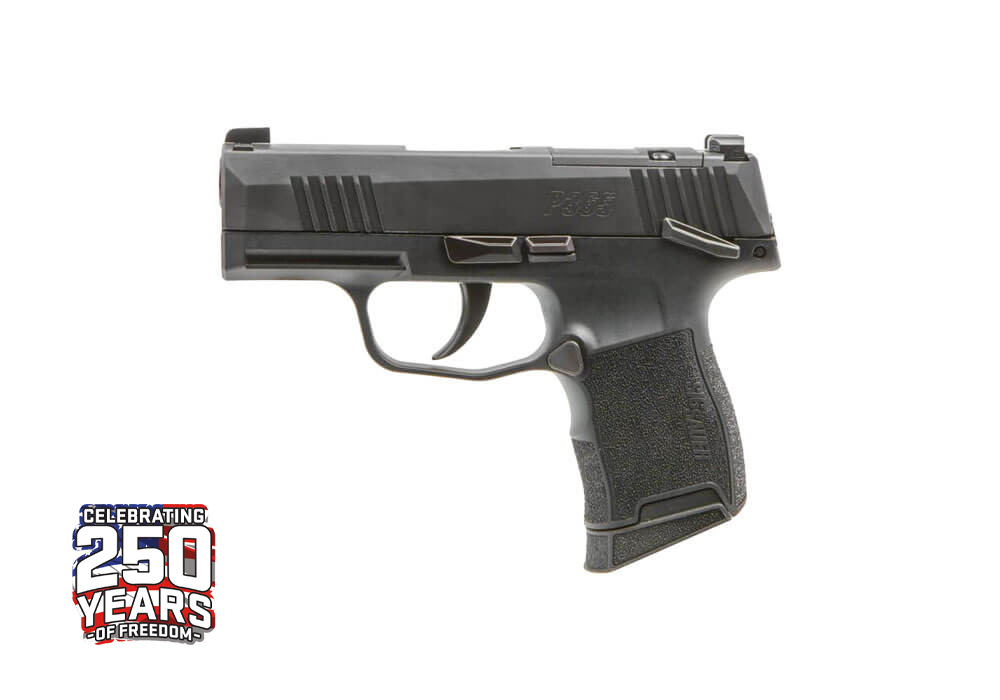
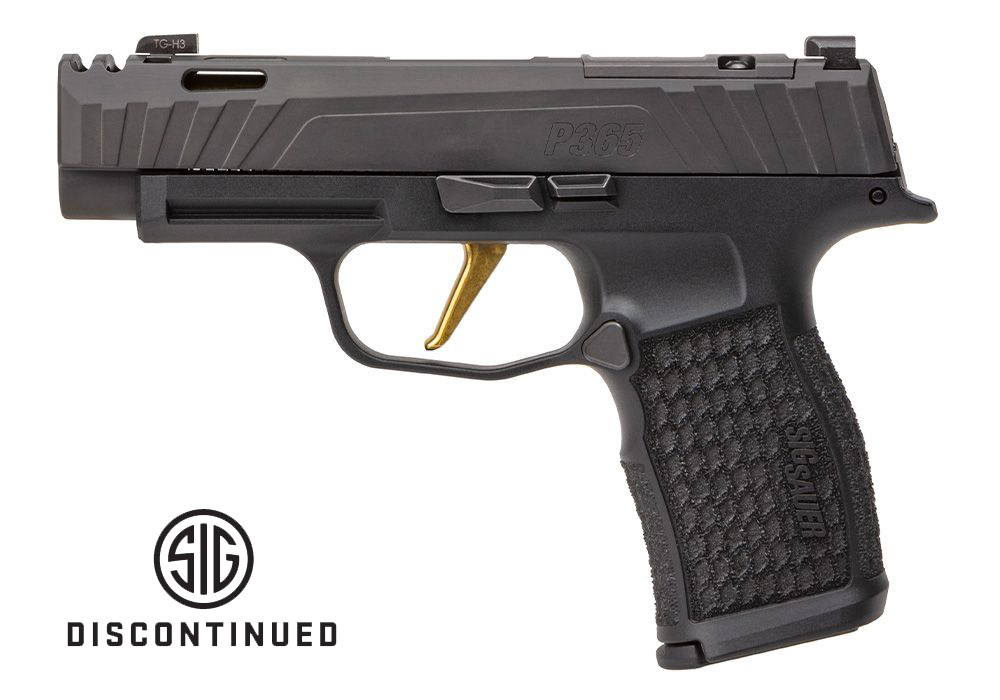
The latest model concealed carry pistols reflect a practical shift toward smaller dimensions, improved shootability, and features that support everyday carry. Micro-compact designs are especially popular because they offer a slim profile that is easier to conceal under a light shirt, jacket, or untucked overshirt while still providing a useful grip and sight radius. Common chamberings include .380 ACP and 9mm, giving shoppers a choice between a softer-shooting pocket-oriented format and the broader ammunition availability and performance associated with 9mm. When comparing options, pay close attention to unloaded weight, overall length, height, slide width, and grip circumference rather than focusing on any single specification. A pistol that disappears beneath clothing but feels difficult to control may be less suitable than a slightly larger model with a more comfortable grip. The best fit often becomes clear during a hands-on visit to a properly licensed retailer, where you can assess how naturally the controls fall beneath your thumb, how securely the grip sits in your hand, and whether you can reach the trigger without shifting your hold. For shoppers who prefer a lighter draw, an Easy Draw Concealed Carry Pistols selection may provide useful context when comparing compact frames, streamlined controls, and carry-friendly profiles. Before purchasing, confirm all applicable federal, state, and local requirements, including eligibility, permits, waiting periods, transport rules, and restrictions on where firearms may be carried. A secure holster designed for the specific pistol is equally important; it should cover the trigger guard, hold the firearm consistently, and remain stable when sitting, walking, or reaching overhead.
Newer concealed carry pistols may also include features that once appeared mainly on larger range or duty firearms. An optics-ready slide allows a compatible miniature red dot sight to be added later, giving the owner a clear aiming reference that can be particularly useful in changing light or for those who prefer a more visible sight picture. Some models use a compensated barrel or integrated compensator to redirect gases and help reduce muzzle rise, potentially allowing faster recovery between shots when paired with sound technique. These features are not substitutes for practice, and a compact pistol can still be lively in the hand, especially with lighter frames and defensive ammunition. A useful evaluation includes testing the controls, confirming that the sights are easy to acquire, and practicing safe draws from the chosen holster under qualified instruction. Magazine options also deserve careful attention. Standard-capacity magazines may offer a balanced combination of concealment and shooting time, while extended-capacity magazines can provide additional rounds for training or lawful carry when their dimensions remain comfortable and compliant with local regulations. Consider whether spare magazines are easy to carry, whether the release can be operated without altering your grip, and whether the pistol comes with interchangeable grip components that allow a more personalized fit. A compact case, lockable storage container, eye and ear protection, inert training ammunition, and a quality cleaning kit can round out a responsible setup. These accessories can make a thoughtful gift for an experienced adult who has already chosen a suitable firearm, although a handgun should never be given as a surprise to someone who has not confirmed their interest, eligibility, and ability to possess it legally.
Concealed carry is most successful when the firearm becomes part of a consistent, safety-focused routine rather than an afterthought. During the cooler months, heavier layers may make concealment easier, but coats and sweatshirts can also interfere with access if the draw stroke is not practiced from the clothing actually worn. In warmer conditions, lightweight garments place greater demands on holster selection, belt support, and trigger-guard coverage. Wherever the pistol is carried, keep the muzzle pointed in a safe direction, keep your finger outside the trigger guard until you have made the decision to fire, and treat every firearm as loaded. Store it unloaded and secured when it is not under your direct control, using a method that prevents unauthorized access by children, visitors, or anyone who is not legally permitted to handle it. Regular practice should include a safe, unloaded review of the draw, grip, sight alignment, reload process, and reholstering procedure, followed by live-fire training at an appropriate range with a qualified instructor. New owners often discover that a few focused sessions reveal important preferences: one trigger may feel easier to manage, one grip texture may remain secure with cold or damp hands, and one sight arrangement may be faster to find against a dark target area. Ammunition selection should follow the manufacturer’s specifications, and reliability should be verified with the intended carry load before relying on any pistol for personal protection. Whether chosen for discreet daily carry, home storage, or structured training, the latest model concealed carry pistols are best evaluated as complete systems—firearm, holster, magazines, sights, ammunition, training, and secure storage—matched to the owner’s hand, clothing, lifestyle, and legal responsibilities.