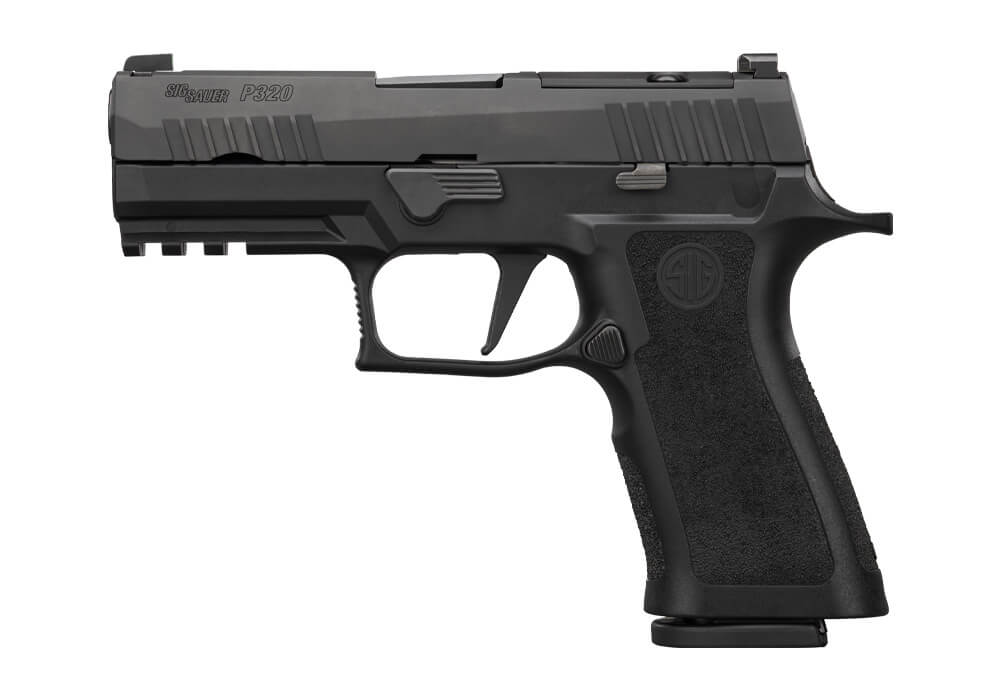
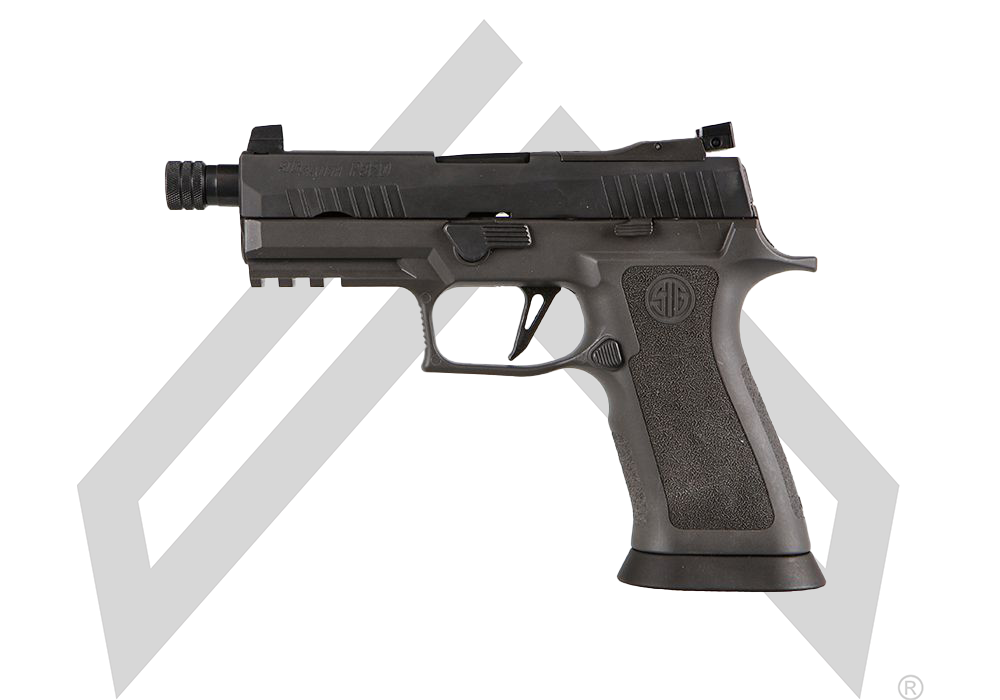
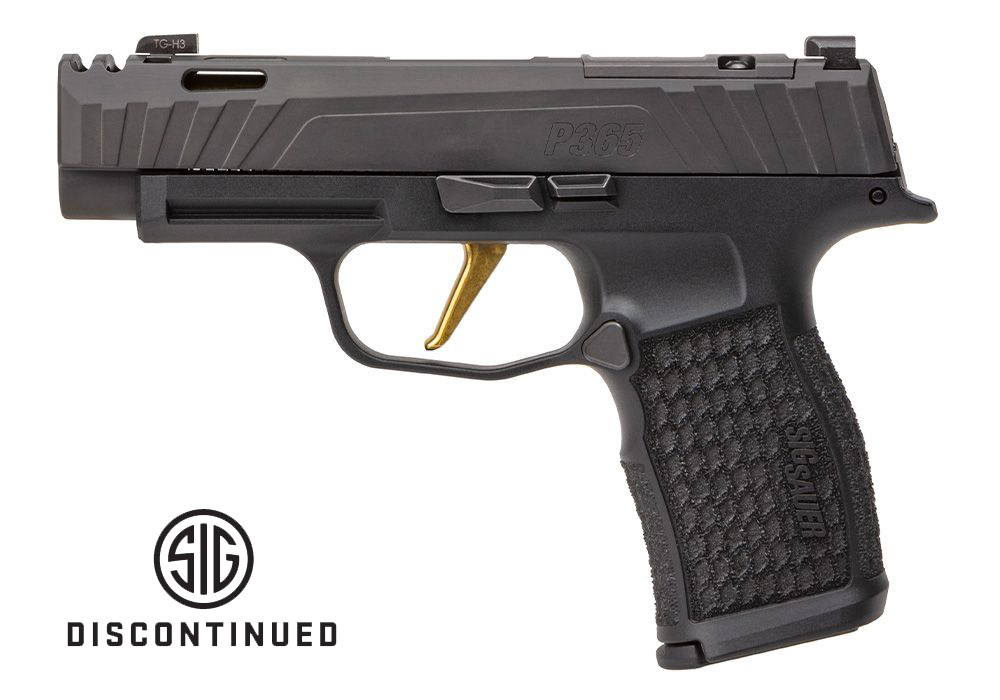
Concealed carry pistols with advanced technology bring modern design, practical control, and adaptable fit to a category built around everyday readiness. These handguns are generally selected by responsible adults who want a discreet defensive option that can be carried during ordinary routines, from commuting and travel to errands during the cooler months. Their compact dimensions make them easier to conceal beneath a jacket, overshirt, or other appropriate clothing, while contemporary engineering adds features intended to improve handling without making the pistol unnecessarily difficult to carry. When comparing options, consider the balance between overall size, grip length, weight, control layout, and the way the pistol fits your hand. A smaller frame may conceal more easily, but a slightly larger grip can offer more purchase and a steadier shooting experience. The best choice is one that can be carried securely, drawn safely under professional instruction, and handled confidently at the range. Features such as textured grip surfaces, reversible controls, clear sight pictures, and consistent trigger characteristics can make a meaningful difference during practice. A pistol that feels natural in the hand is often easier to keep aligned and manage through repeated training sessions. For shoppers comparing related categories, Compact Pistols With Tactical Features can provide additional context when a slightly broader frame, accessory compatibility, or duty-inspired design is part of the intended use. Every purchase should also account for local laws, required permits, restrictions on transport and carry, and any rules that apply to storage in a vehicle or home.
Advanced technology in concealed carry pistols can take several forms, and each feature should be considered in relation to the way the firearm will actually be used. Built-in compensators or integrated porting are designed to redirect expanding gases and may help reduce muzzle movement, allowing the shooter to return the sights to the target more efficiently. Because these systems are incorporated into the slide and barrel design rather than added as a separate accessory, they can preserve a streamlined profile that remains practical for concealed carry. Modular internal chassis systems offer another type of flexibility by placing key fire-control components in a removable serialized unit that can be fitted into compatible grip frames. This approach can let an owner adjust grip size, circumference, or configuration without purchasing an entirely different firearm, provided the parts and modifications are lawful and installed correctly. Optics-ready slides and direct-mount optic systems are also increasingly common. A compatible low-profile red dot sight can provide a bright aiming reference and may be especially useful for shooters who have difficulty focusing on traditional iron sights, though every optic requires a period of familiarization, regular inspection, and a dependable backup plan. Direct mounting can reduce unnecessary interface layers and help maintain a low profile, while an optics-ready cut gives the owner the option to begin with iron sights and add an optic later. Other details deserve equal attention: ambidextrous or reversible controls, tactile slide serrations, durable surface treatments, multiple safety mechanisms, and sights that remain visible in changing light. Technology should support safe, repeatable handling rather than replace fundamentals. A new owner should plan for professional instruction, unloaded handling practice, live-fire training, and routine checks of fasteners, magazines, sights, and carry equipment.
These pistols may appeal to experienced concealed carriers refining a daily setup, first-time buyers seeking current design features, or outdoor and security-minded adults who want a compact firearm for lawful personal protection. They can also be a thoughtful gift for a spouse, adult child, or close relative when the recipient has expressed a clear interest, is legally eligible to own the firearm, and can complete the purchase through the required transfer process. A firearm should never be given casually or without considering the recipient’s training, storage arrangements, and personal comfort. In many cases, a gift certificate, training course, safe, lockbox, quality holster, or range session is a better starting point than selecting a pistol on someone else’s behalf. For any concealed carry setup, a rigid holster designed for the specific pistol is essential; it should fully protect the trigger area, retain the firearm securely, and remain comfortable enough to encourage consistent use. Clothing, belt support, seated comfort, and access while moving through daily activities all influence whether a setup is practical. During the transition between warmer and cooler weather, changes in outer layers can affect concealment and draw mechanics, making it wise to practice with the clothing normally worn. Safe storage remains just as important as carry equipment. Use a secure locking container when the firearm is not under your direct control, keep it inaccessible to unauthorized users, and store ammunition according to applicable safety guidance. With careful selection, realistic practice, and responsible ownership, concealed carry pistols with advanced technology can offer a refined combination of compact concealment, adaptable ergonomics, modern sighting options, and improved control for lawful defensive use.