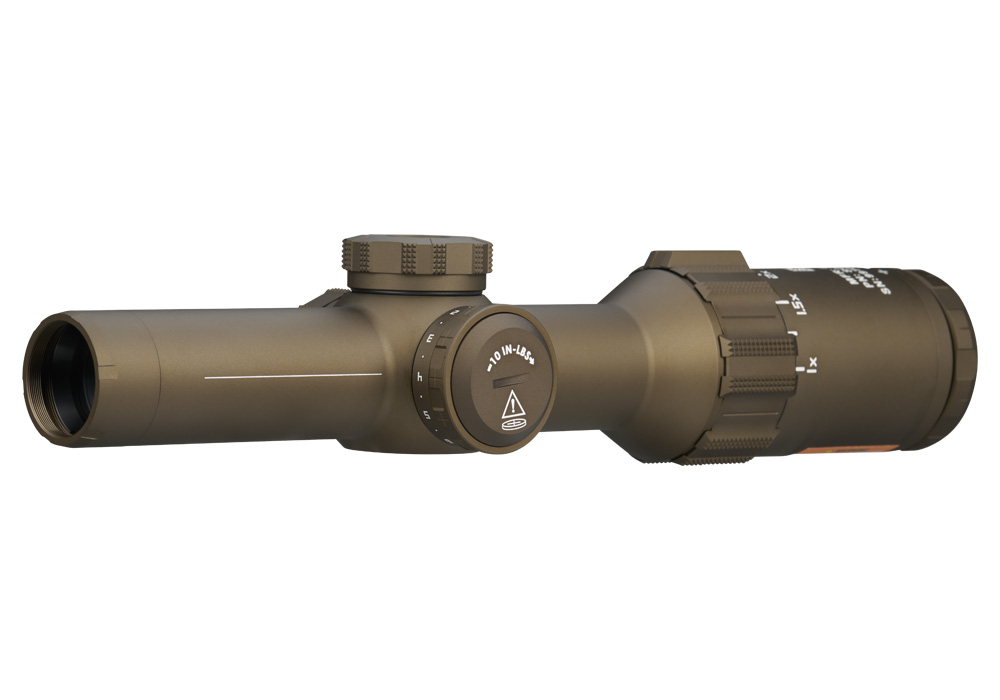
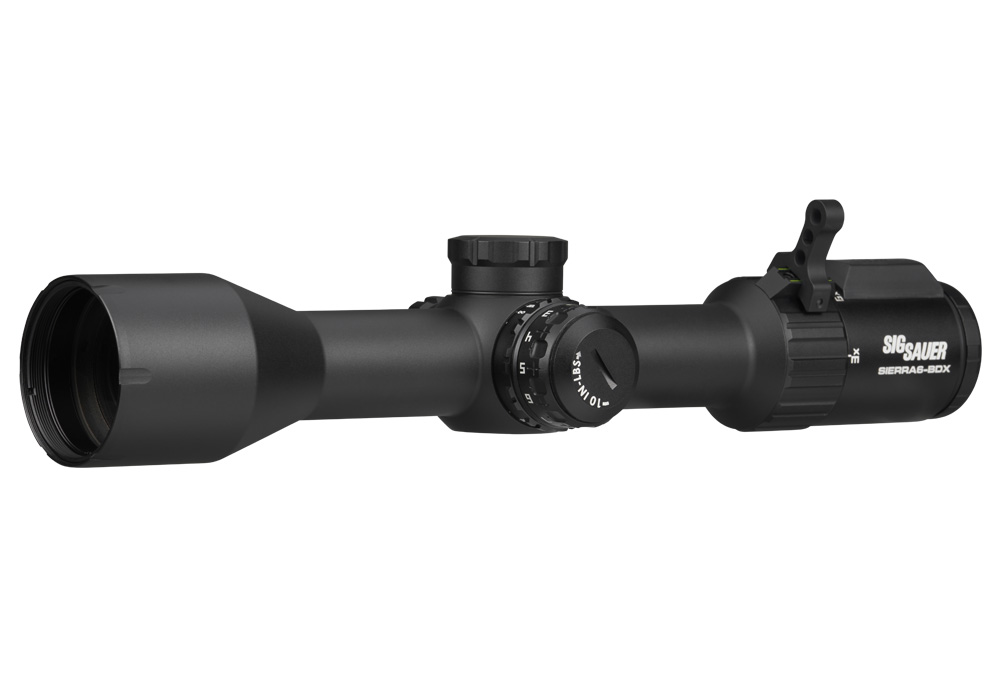
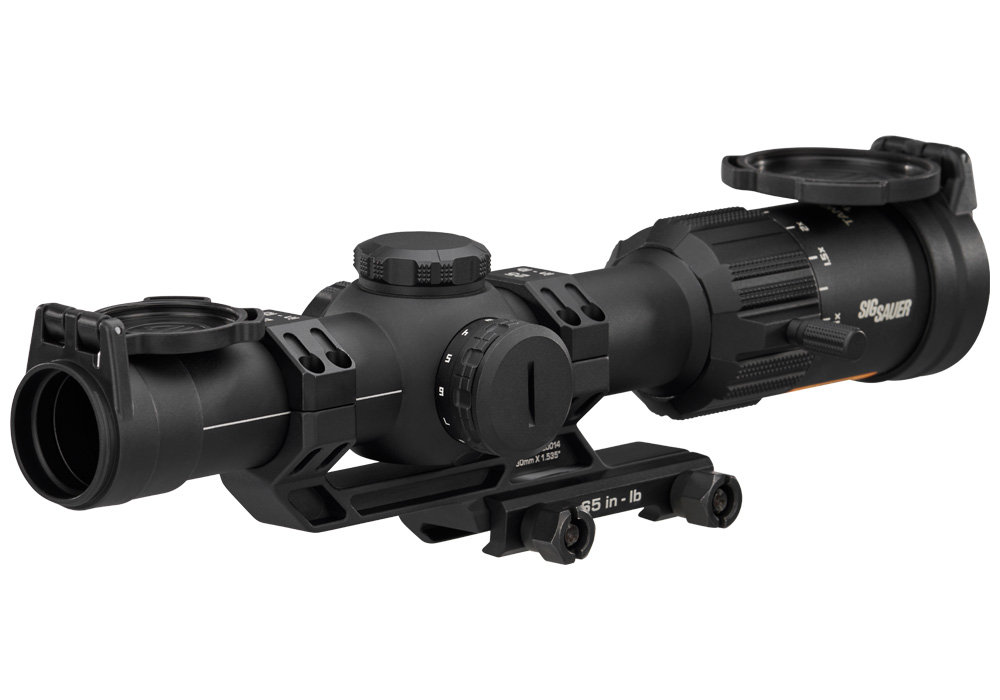
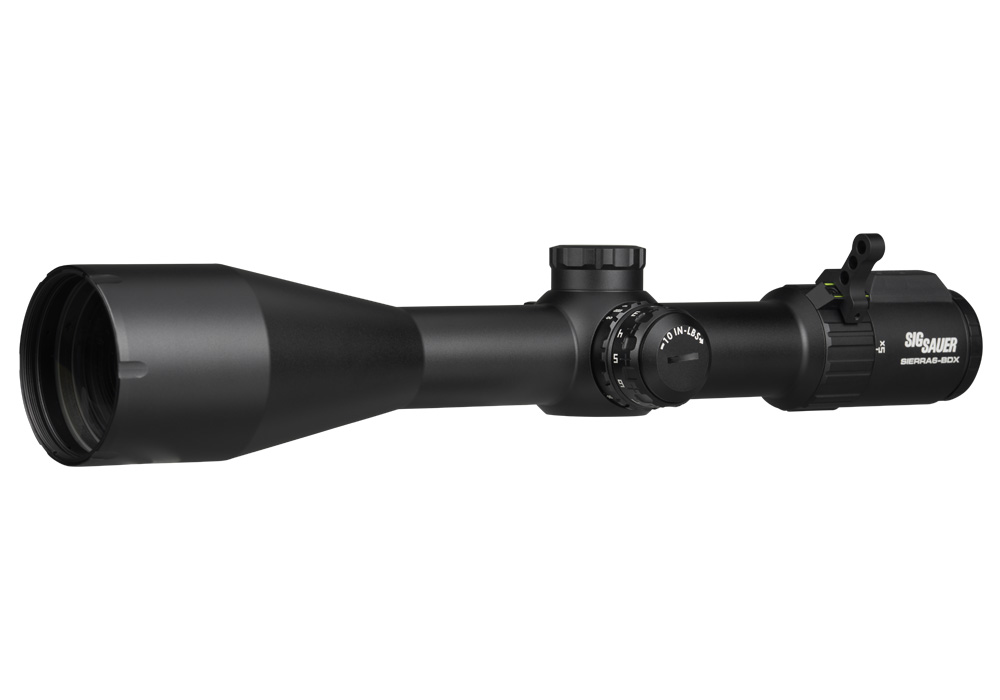
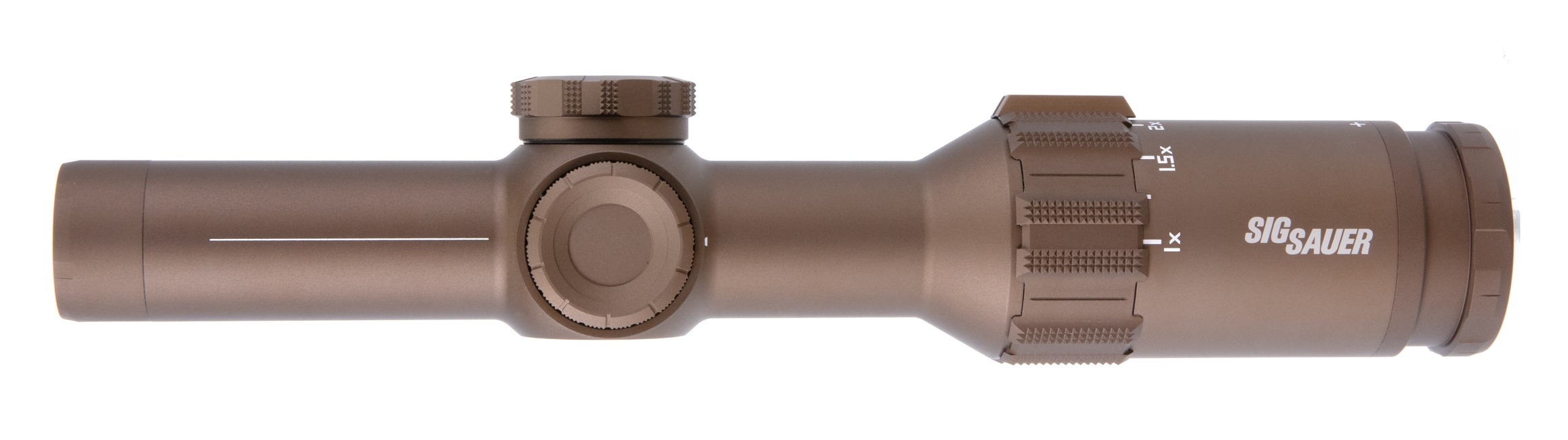
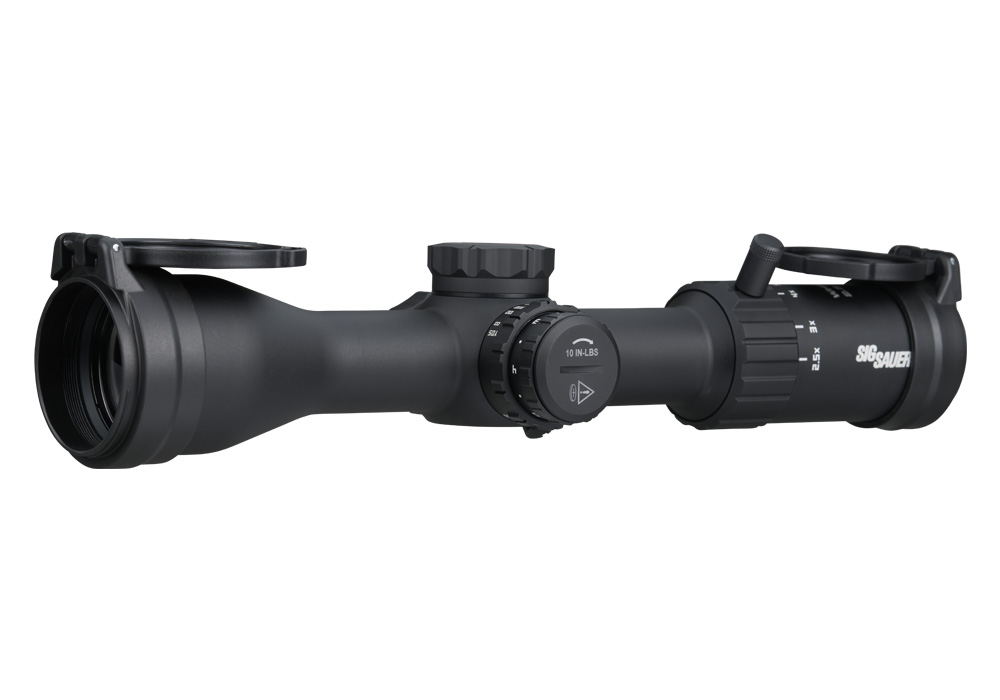
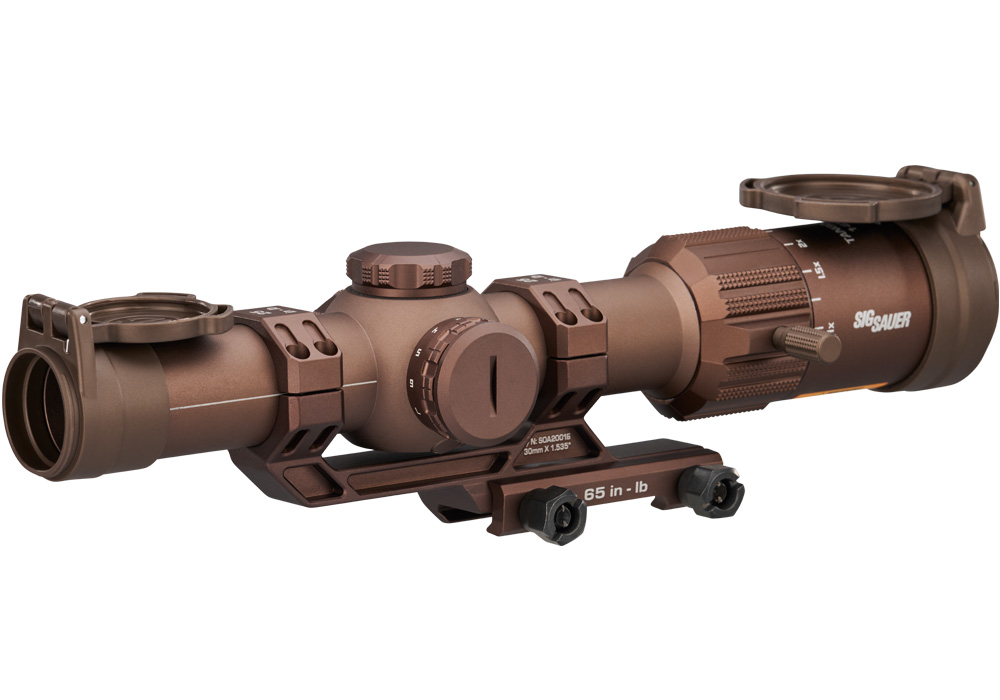
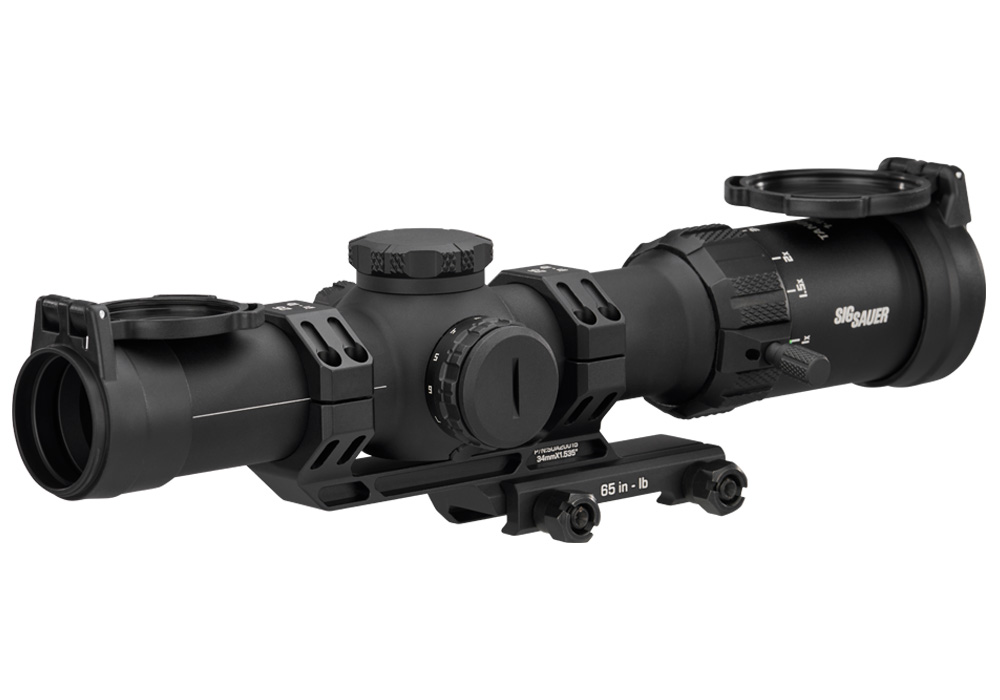
Broad spectrum scopes are versatile digital optics designed to support observation and aiming across changing light conditions, from bright open-country afternoons to the dim, low-contrast hours before sunrise or after sunset. Unlike a conventional day-only riflescope, a digital day-and-night optic uses an electronic image sensor to collect available light and display the scene on an internal screen. In daylight, many models provide a color image that helps preserve the natural appearance of terrain, vegetation, and game. As light fades, the display can transition to a monochrome or digitally enhanced view, with some systems supporting infrared illumination for situations where ambient light is limited. This makes broad spectrum scopes a practical choice for hunters who begin a setup in daylight and remain in the field through dusk, land managers who monitor property during variable conditions, and recreational shooters who want one optic that can serve across more than one range session. Image quality depends on the sensor, display resolution, lens design, software, and the amount of light available, so shoppers should compare specifications rather than relying on the broad category name alone. A sharper sensor and well-designed display can make it easier to identify a target, read the surrounding landscape, and maintain a clear sight picture without excessive digital noise. Magnification range also deserves close attention: lower magnification can provide a wider field of view for scanning, while greater magnification may help with precise aiming at extended distances. Look for controls that are easy to operate with gloves, menus that are straightforward to navigate, and a housing built to handle the bumps, vibration, and changing weather that commonly accompany field use. An optic should complement the rifle and intended application rather than add unnecessary weight or complexity. For shoppers comparing optical systems across categories, the Advanced Scopes collection offers another place to review specialized sighting solutions alongside digital options.
A built-in laser rangefinder can add another layer of useful information by measuring the distance to a selected point and displaying that measurement in the optic. Distance data is especially valuable when a shot may involve a significant change in elevation, uneven terrain, or a target positioned beyond the distances at which a familiar holdover remains reliable. Some broad spectrum scopes pair ranging capability with a ballistic calculator that uses inputs such as ammunition data, sight height, environmental conditions, and rifle performance to estimate trajectory corrections. These features can streamline the process of making a responsible aiming adjustment, but they do not replace careful setup or verification. The rifle should be sighted in with the ammunition being used, and the ballistic profile entered into the optic should reflect real-world results confirmed at known distances. Rangefinders can also be affected by brush, rain, reflective surfaces, or a small target area, so learning how to place the ranging reticle and interpret the returned distance is part of becoming comfortable with the system. Recording a few reference measurements before heading into the field can save time when light is changing quickly. Battery planning is equally important. Digital scopes rely on power for the sensor, display, processing functions, recording features, and, when included, rangefinding or illumination tools. Compare published runtime figures, understand which features draw the most power, and consider whether the optic accepts a removable battery, an external power source, or a secondary power system. Carrying a charged spare and keeping it protected from extreme cold can make a meaningful difference during long sits in a blind or extended range sessions during the cooler months. Mount height, eye relief, controls, recoil rating, storage protection, and resistance to moisture should all be considered before purchase, since a feature-rich optic is most useful when it remains secure, readable, and dependable in the conditions where it will actually be used.
Broad spectrum scopes can serve several different kinds of users, which is part of their appeal. A hunter may use one to glass a field during the last daylight, identify a safe background, and maintain a consistent aiming setup as visibility changes. A property owner or wildlife observer may appreciate the ability to document activity without carrying separate day and low-light equipment. At the range, a digital optic can help shooters practice holdovers, evaluate groups, and become familiar with reticle or display settings before using the system in the field. These optics can also make thoughtful gifts for an experienced hunter, a dedicated range enthusiast, or someone building a carefully selected rifle setup, provided the recipient’s rifle, mounting system, preferred ammunition, and intended use are known. A compact design may be better for a mobile hunter who values reduced bulk, while a larger model with an integrated rangefinder may appeal to someone who spends more time evaluating distance and trajectory from a fixed position. Broad spectrum digital scopes should not be confused with thermal optics: digital night-vision-style systems amplify or process available light, while thermal devices detect differences in heat. Each technology presents information differently, and the right choice depends on the user’s environment, identification needs, legal requirements, and comfort with electronic controls. Before buying, review local regulations governing nighttime hunting, illumination, recording, and the use of rangefinding equipment, and confirm that the optic is appropriate for the intended firearm. With a properly zeroed rifle, realistic expectations, fresh power, and practice in both daylight and low-light settings, a broad spectrum scope can provide a flexible sighting solution that keeps pace with the changing conditions of a full day outdoors.