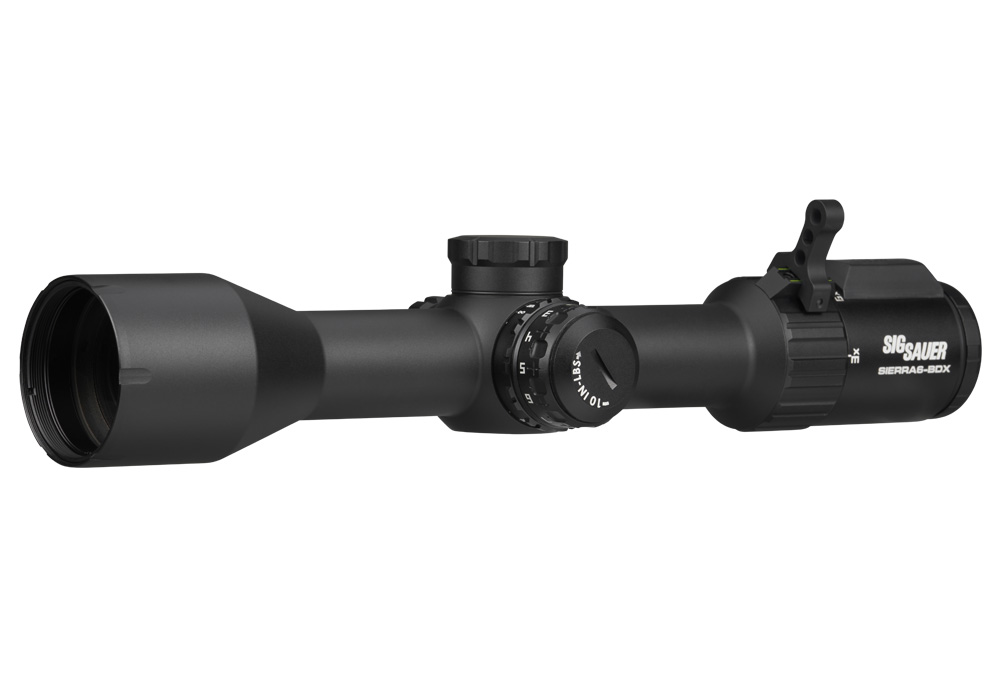
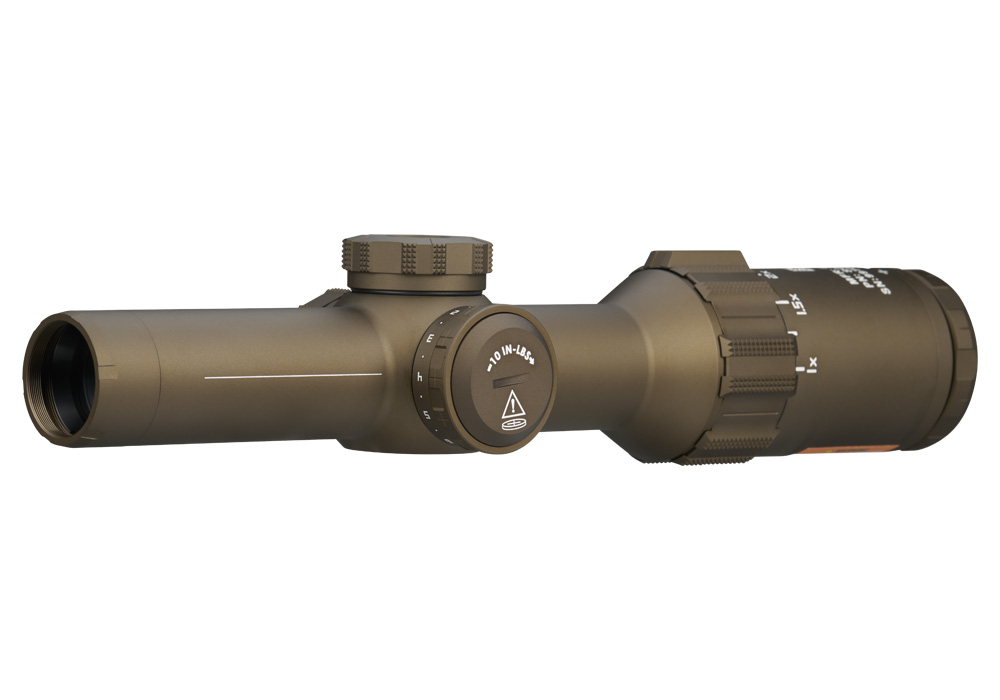
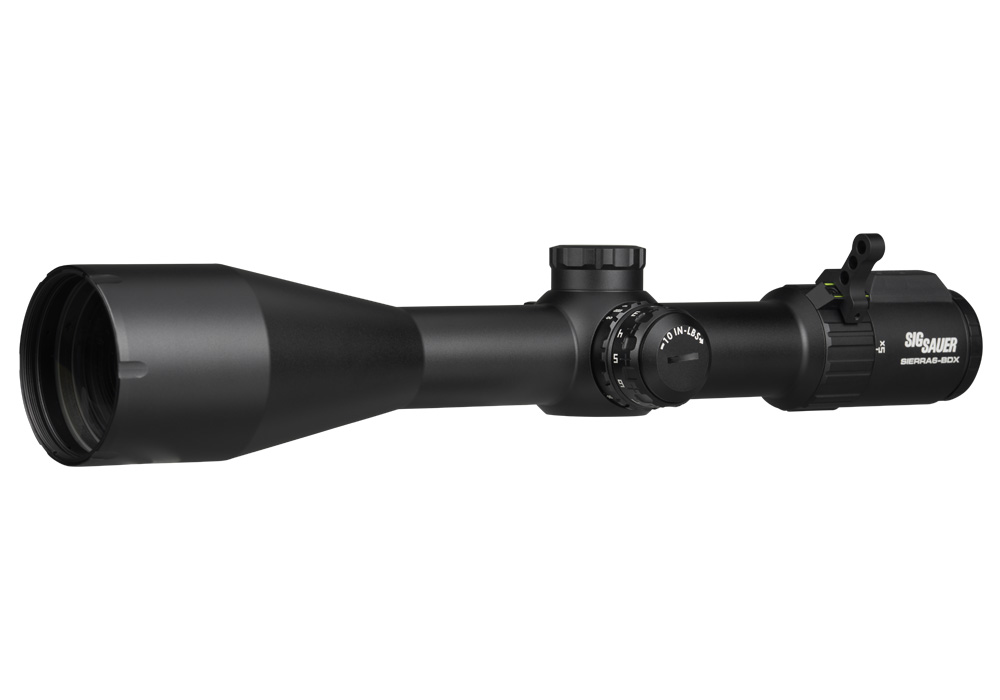
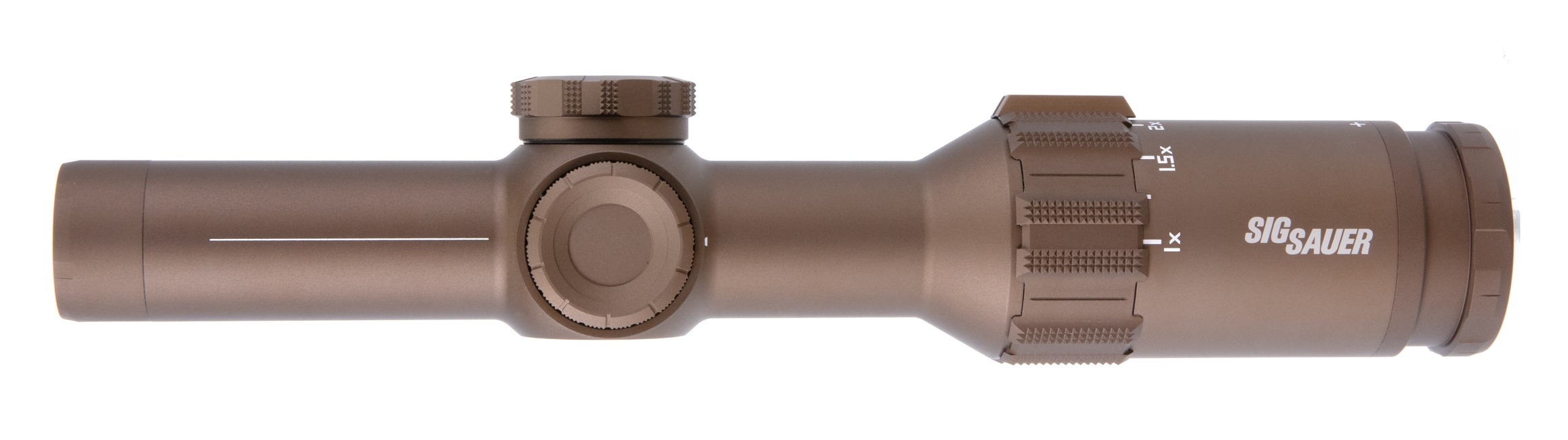
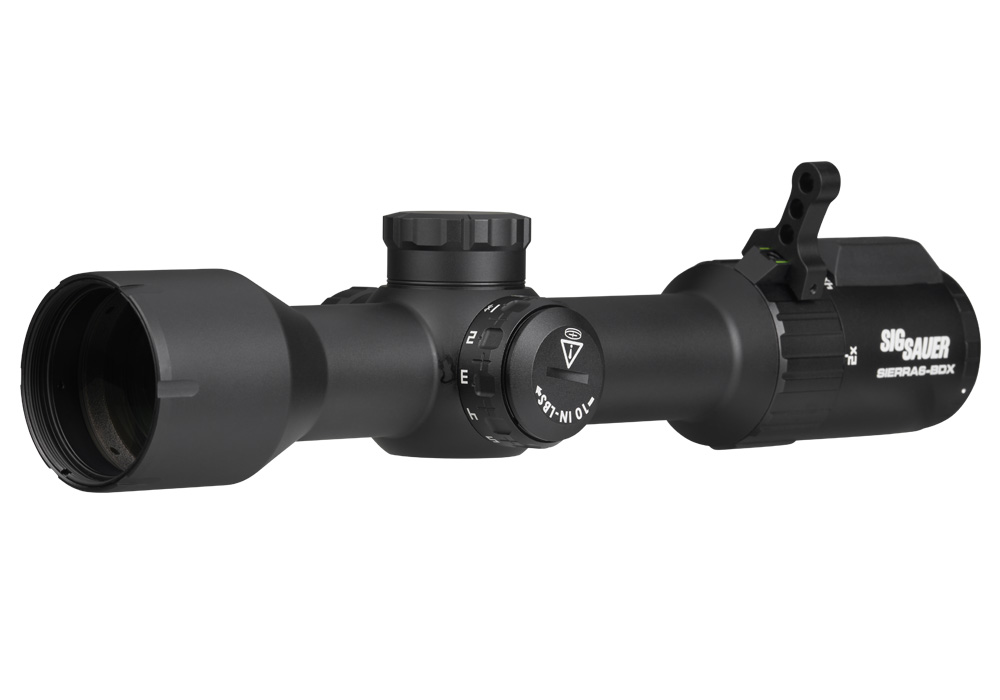
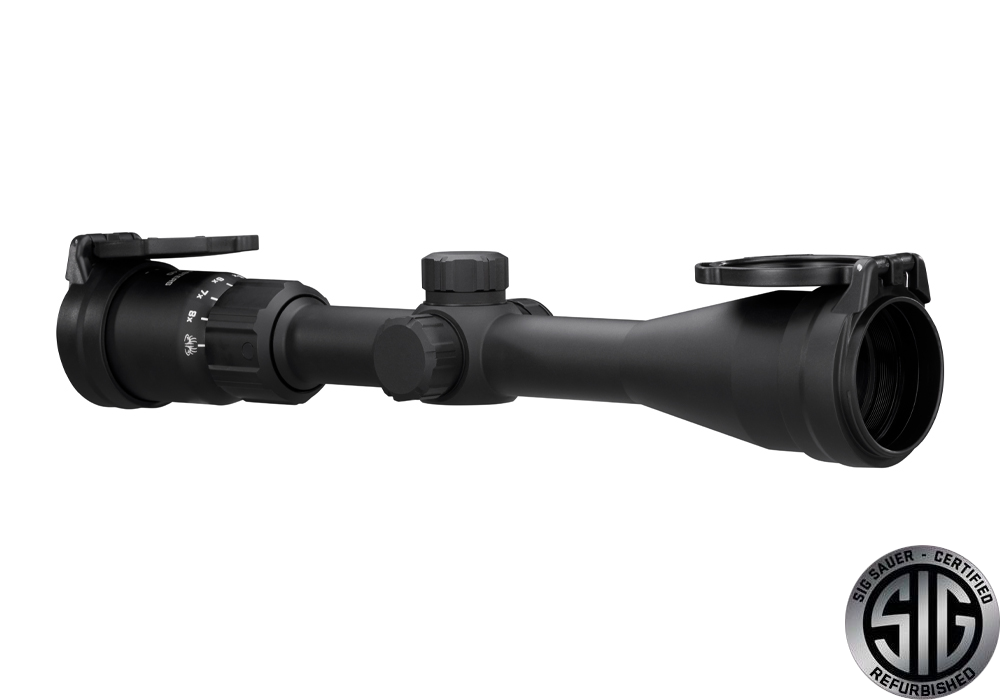
Clear image scopes are designed to provide sharp, well-defined target visibility with minimal distortion, color fringing, and edge blur across changing distances and lighting conditions. For hunters, target shooters, and responsible firearm owners, the right optic can make a rifle feel more intuitive by presenting a clean sight picture that is easy to acquire and comfortable to maintain. Traditional glass scopes remain a dependable choice for daylight shooting, offering magnification ranges suited to everything from close woodland distances to open-country sighting. Look for fully multi-coated lenses, quality optical glass, generous eye relief, and a forgiving eye box that helps the reticle appear quickly when the rifle is shouldered. A well-designed reticle can also support practical aiming without obscuring the target, while a first- or second-focal-plane configuration may better suit different shooting preferences. Parallax adjustment is another important consideration, especially for precision work at varied distances, because it can help keep the reticle properly aligned with the target as the shooter’s head position changes. Before selecting an optic, consider the rifle’s intended use, the distances typically encountered, the available mounting space, and the weight that is comfortable to carry over a full day outdoors. A compact scope may be ideal for a lightweight hunting rifle carried through thick timber, while a model with greater magnification and more adjustment range may be better suited to a heavier platform used from a bench or a fixed position. Browsing the latest additions in New Scopes can also help shoppers compare current features, configurations, and optical formats in one place.
Clear image scopes serve different needs depending on how and where they will be used. A hunter moving through shaded forest may value a bright image, generous field of view, and low-light performance that preserves detail as daylight fades during the cooler months. On the other hand, a shooter practicing at a range may prioritize precise adjustment turrets, a visible reticle, repeatable tracking, and magnification that makes small aiming points easier to distinguish. Digital optics add another category of capability by using an electronic sensor and display to present a real-time image, often with features such as configurable reticles, recording, onboard ballistics, and profiles for different loads or distances. Thermal imaging scopes work differently: rather than relying on visible light, they detect infrared energy and display differences in heat. This can help identify warm objects against cooler surroundings in darkness, light fog, or heavy shade, although performance depends on the sensor, lens, environmental conditions, and the temperature contrast between the subject and its background. When comparing digital or thermal systems, pay attention to sensor resolution, refresh rate, detection range, display quality, battery life, controls, mounting compatibility, and how quickly the optic transitions between settings. A lower NETD rating in a thermal system generally indicates greater sensitivity to subtle temperature differences, while a wider objective aperture may contribute to improved image brightness and detail. Digital systems should be evaluated for screen clarity, startup time, image lag, storage functions, and performance in both daylight and darkness. These technologies can be useful for lawful hunting, property observation, and organized shooting applications, but they require practice; the display may look different from a traditional glass sight, and judging distance or terrain through an electronic image takes familiarity. Always follow applicable laws, hunting regulations, range rules, and manufacturer instructions, and confirm that any night- or thermal-imaging equipment is permitted for the intended activity.
Choosing among clear image scopes becomes easier when the optic is matched to the person, rifle, and setting rather than selected by magnification alone. Someone who spends long mornings walking ridgelines may appreciate a lighter scope with a broad field of view and straightforward controls, while a precision-minded range shooter may prefer a more substantial optic with detailed elevation and windage markings. A scope can also be a thoughtful gift for a hunter, competitive shooter, or firearm enthusiast when the recipient’s rifle platform and intended use are known. Since mounting dimensions, tube diameter, reticle style, magnification, and eye-relief preferences vary, gift buyers should confirm compatibility or choose an accessory or store option that allows the shooter to make the final selection. Practical details matter in the field: capped turrets can help protect settings while moving through brush, illuminated reticles may improve aiming contrast in dim conditions, and durable weather sealing can provide confidence when a clear afternoon gives way to drizzle or frost. The best image should remain crisp from center to edge, with natural color through traditional glass and clean, responsive detail through digital or thermal displays. After mounting, take time to level the optic, establish a proper cheek weld, verify eye relief, and sight in with the ammunition that will actually be used. Recheck mounting screws, inspect lenses with appropriate cleaning materials, and carry spare batteries for electronic systems during extended outings. Whether the goal is a bright sight picture at first light, a steady view across an open range, or heat-based visibility after sunset where lawful, clear image scopes offer a practical way to match optical performance to real-world shooting conditions.