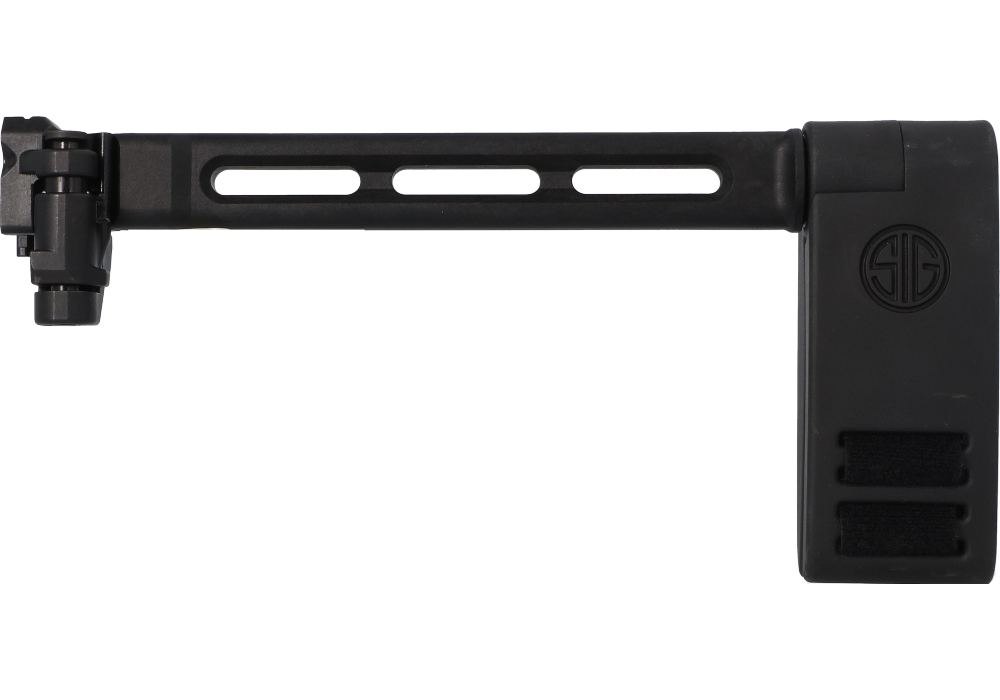
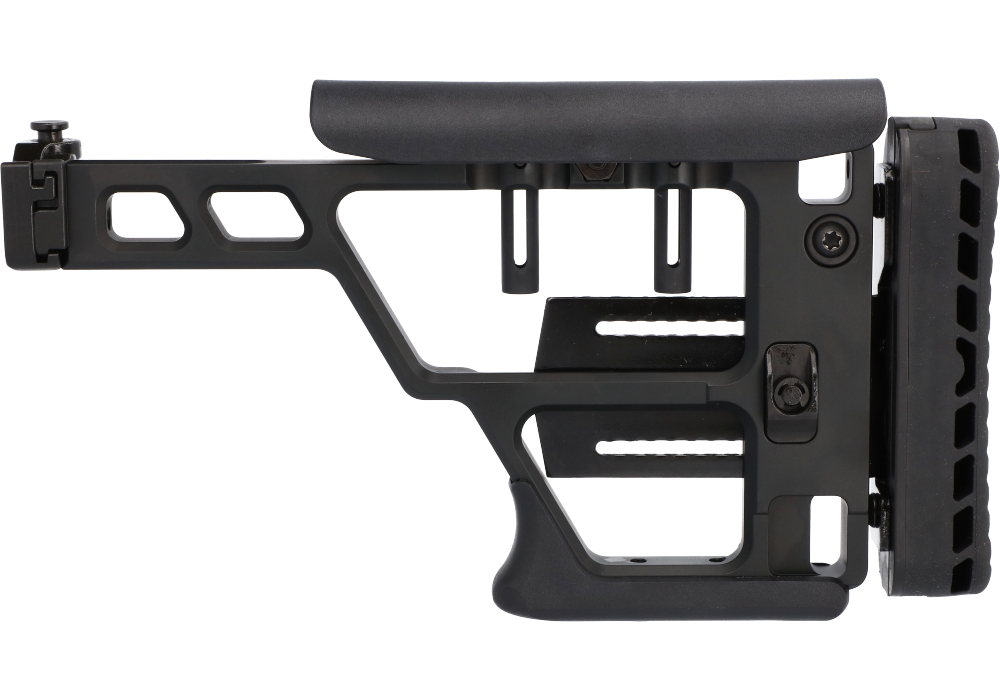
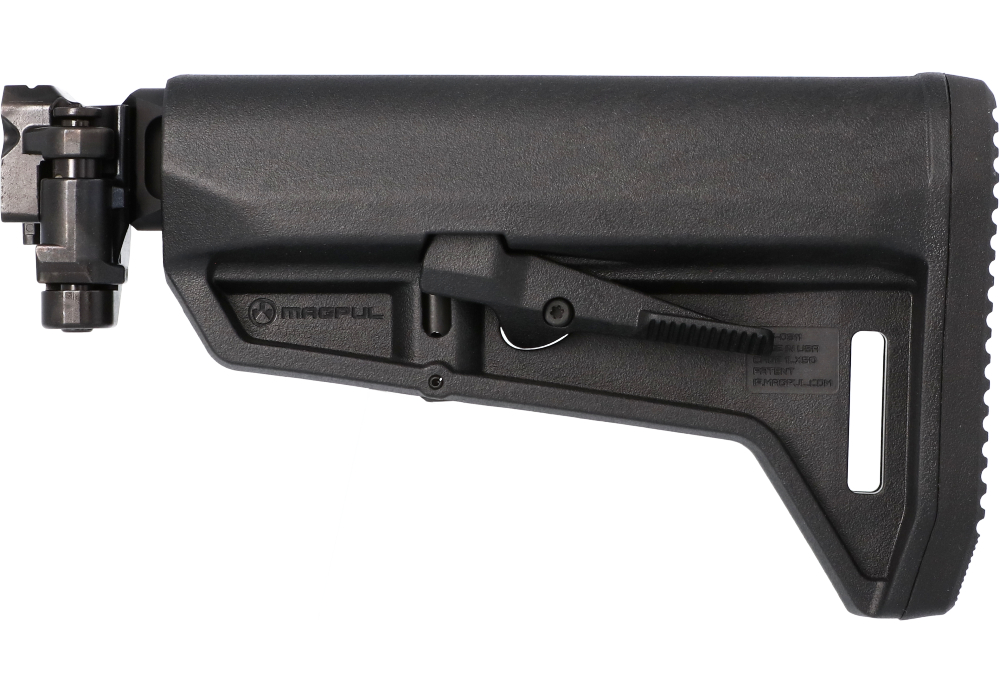
Collapsing stocks are a practical choice for shooters who want a more adaptable rifle setup during summer range sessions and beyond. By allowing the stock to telescope or collapse along the receiver extension, these assemblies make it possible to adjust the rifle’s length of pull—the distance between the trigger and the rear of the stock—to better suit the shooter, clothing, and shooting position. A shorter setting can be useful when moving through a crowded firing line, working around a vehicle door, or carrying a rifle between a storage case and a bench. Extending the stock can provide a more natural shoulder position and a steadier cheek weld when there is room to settle in. That flexibility is especially helpful during the warmer part of the year, when light clothing, hydration packs, range bags, and other gear can change the way a rifle sits against the body. As the weather transitions into cooler months and heavier layers become part of a day at the range, the same adjustment can help maintain a comfortable, repeatable fit. A collapsing stock may also be a thoughtful gift for a new firearm owner, an experienced recreational shooter refining a familiar setup, or anyone who shares a rifle with family members of different heights and arm lengths. The best choice depends on the firearm platform, receiver configuration, buffer or operating system, and the stock interface already in place, so compatibility should be confirmed before purchase. It is also important to consider the intended use, local regulations, and whether installation should be completed by a qualified professional.
For range transport, a collapsing stock can reduce the overall length of a rifle without requiring the firearm to be disassembled. This can make a compact range bag or vehicle case easier to organize, leaving room for eye and ear protection, ammunition, tools, targets, and a small cleaning kit. On a summer outing, when equipment may be carried from a parking area to an outdoor firing line or packed alongside camping and hiking supplies, a shorter configuration can be easier to manage. The reduced profile can also help prevent the stock from catching on straps, seat backs, door frames, or brush while the unloaded firearm is being transported in accordance with applicable laws and range rules. These stocks are not simply about making a rifle smaller; they are also about creating a consistent interface between the shooter and the firearm. Look for a design that locks securely in each position, moves smoothly without excessive play, and provides a comfortable buttpad and cheek support. A low-profile shape can be useful when gear is layered around the rifle, while a textured adjustment mechanism can make changes easier with gloved or sweaty hands. Weight is another consideration. A lighter stock may preserve the rifle’s balance for standing practice and movement drills, while a more substantial design may feel steadier from a bench or supported position. Folding and telescoping mechanisms serve different purposes, and they are not interchangeable on every platform. Review the manufacturer’s specifications for mounting compatibility, adjustment range, sling attachment points, and clearance around the charging handle or other controls. For shooters comparing complete setups, related equipment such as Early Summer Shooting Scopes can complement a collapsible configuration by helping create a balanced, purposeful rifle package.
The right collapsing stock should support safe handling, comfortable positioning, and reliable operation without distracting from the fundamentals of marksmanship. Before selecting one, identify the exact firearm platform and confirm whether the rifle uses a compatible receiver extension, adapter, hinge, or proprietary mounting system. Some stocks are intended for a particular family of firearms, while others fit a broader range of configurations when paired with the correct hardware. Pay attention to the available length-of-pull settings and consider how the rifle will be used most often: bench shooting may favor a solid cheek position and a broad buttpad, while field carry and movement may place greater value on compact storage, snag resistance, and quick adjustment. A shooter who practices from standing, kneeling, and seated positions may appreciate the ability to fine-tune the stock between positions rather than adapting the body to one fixed dimension. The same feature can help households where more than one responsible, properly trained adult uses the firearm, although every user should confirm a secure fit and maintain safe control before firing. For a gift, collapsing stocks are best selected by someone who knows the recipient’s exact platform and preferred shooting style; a gift card or accessory chosen with the recipient can avoid the frustration of an incompatible interface. Installation should follow the appropriate instructions, and any change to a firearm’s configuration should be checked for secure attachment, unobstructed controls, and proper function before live fire. Store and transport the firearm unloaded and secured, follow all range procedures, and observe applicable federal, state, and local requirements. With those considerations in place, a collapsing stock can bring useful versatility to summer shooting, remain practical as clothing and conditions change during the cooler months, and provide a comfortable, compact connection between the shooter and the rifle.