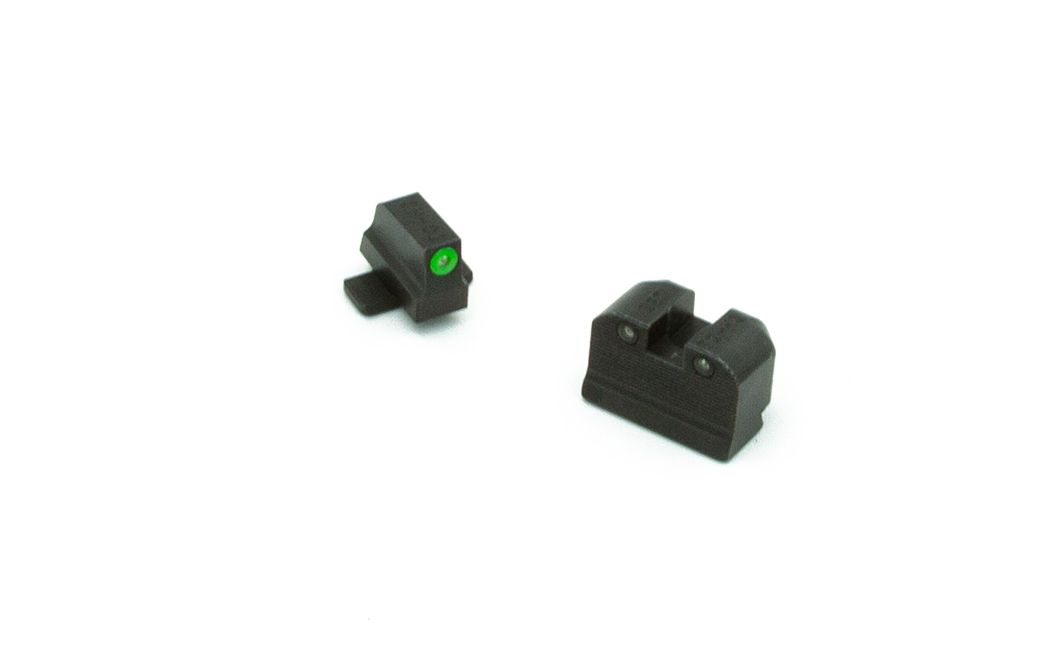
Competitive shooting sights are selected to make the sight picture easier to find, easier to confirm, and more consistent from one shot to the next. Whether a competitor prefers a traditional iron sight setup or an electronic optic, the goal remains the same: establish a repeatable alignment while keeping attention on the target and the stage. Iron sights for competition commonly pair a bright fiber-optic front post with a plain, matte-black rear sight. The front fiber draws the eye naturally, while a serrated or blacked-out rear helps reduce glare and visual distractions under changing range light. A wider rear notch can leave more daylight around the front post, allowing quicker alignment during movement or when transitioning between targets. A narrower notch may offer a more precise appearance for slower, accuracy-focused stages, so the best choice depends on the shooter’s vision, presentation speed, firearm, and division requirements. Competitors who spend time practicing at both indoor and outdoor ranges often appreciate how much lighting affects the sight picture; a fiber that looks vivid beneath bright sun may appear different beneath covered bays or artificial lighting. Sight height, front-and-rear compatibility, installation method, and adjustment range also deserve careful attention. A set that fits the firearm properly and holds its point of aim through repeated practice is more valuable than one chosen only for appearance. Before purchasing, confirm the firearm model, slide or mounting configuration, division rules, and whether the sight is intended for a standard or extended capacity setup. Those details help prevent fitment surprises and support a setup that feels natural in the hand.
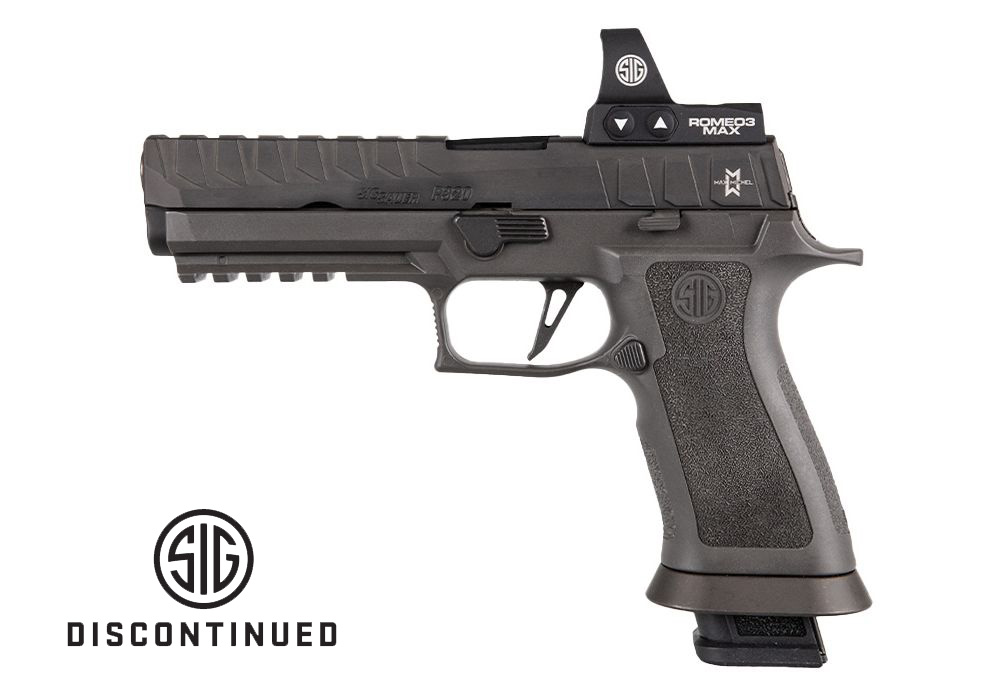
Electronic sights offer another approach to rapid target acquisition, particularly for shooters who prefer a crisp aiming point rather than a conventional front-and-rear alignment. A competition-oriented optic may feature a generous viewing window that helps the shooter locate the dot quickly during the presentation, track it through recoil, and transition smoothly across multiple targets. Clear glass with minimal distortion is important when the firearm is moving, since a distracting edge or warped image can interrupt the sight picture at the exact moment a clean confirmation is needed. Dot size, brightness controls, battery access, adjustment range, mounting footprint, and overall durability should be considered alongside window dimensions. A smaller dot can support fine aiming at distance, while a larger dot may be easier to see during fast strings or under less favorable lighting. Brightness should be set high enough to remain visible without blooming into an oversized blur. A properly mounted optic must also be checked for secure fasteners, correct torque, and a confirmed zero before serious practice or match use. After installation, many shooters benefit from a deliberate confirmation routine: verify the dot or iron-sight alignment at a safe range, fire controlled groups, make small adjustments, and recheck the mounting hardware after the first sessions. That process takes a little patience, but it builds confidence when the stage begins and the timer’s first tone cuts through the air. Anyone transitioning from iron sights to an optic may need time to develop a consistent presentation, while an experienced optic user may find that a different window or dot configuration improves visibility without changing familiar fundamentals. Always follow the manufacturer’s instructions and applicable range, storage, and firearm-safety practices.
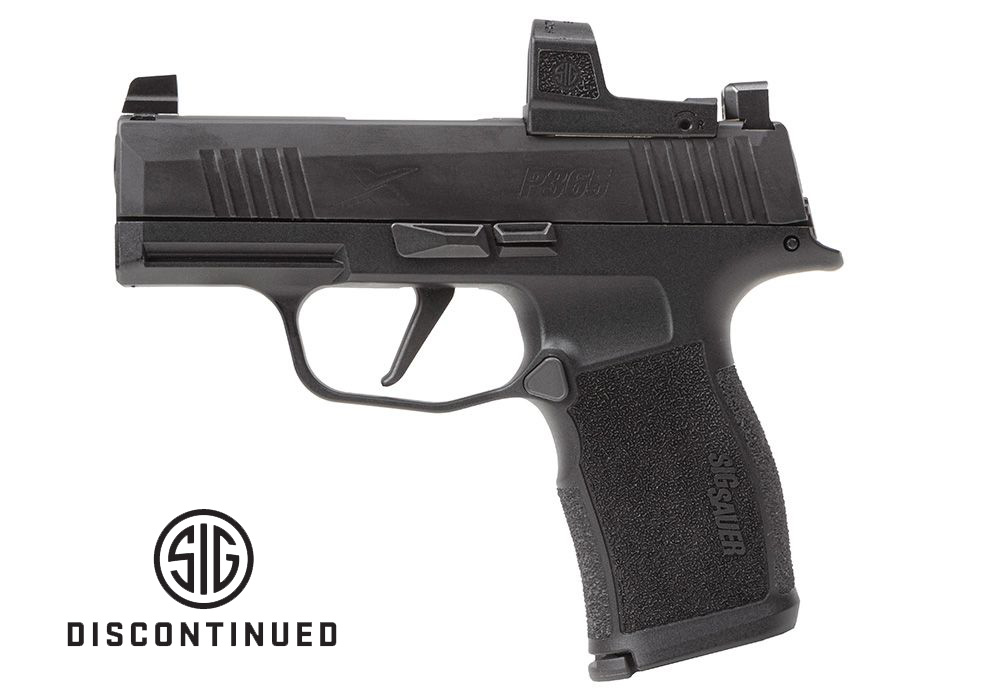
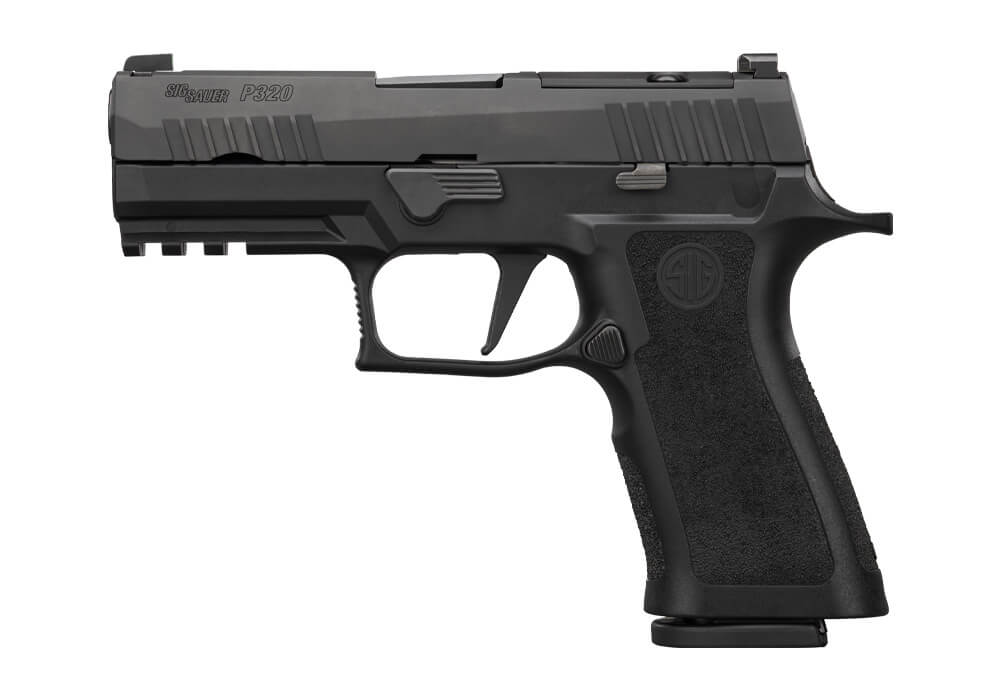
The right competitive shooting sights should match the way the firearm is used, the shooter’s experience, and the demands of the match rather than simply following a popular configuration. Practical competitors in disciplines such as USPSA or IDPA may value a wide, uncluttered sight picture for quick transitions, while precision-minded competitors may prioritize a sharply defined aiming reference and predictable adjustments. Sight sets and optics can also make thoughtful gifts for a shooter preparing for a first match, refining a competition pistol, or returning to regular practice during the cooler months. A useful gift is one that supports a specific firearm and a clear training goal, so checking the recipient’s model, division, preferred sight style, and mounting system is worthwhile before ordering. For those still assembling a competition setup, browsing Firearms for Competitive Shooting can help place sight selection in the context of the complete platform. Keep in mind that a sight is only one part of a repeatable system. A stable grip, consistent presentation, focused visual discipline, and regular live-fire or dry-fire practice all contribute to performance. Many shooters discover that small changes become noticeable over time: a front fiber that is easier to pick up in the first instant, a rear notch that leaves just enough daylight, or an optic window that keeps the aiming point visible through recoil. During the transition from bright outdoor sessions to dimmer indoor bays, verify the sight picture again and make sure brightness, zero, and visibility remain appropriate. With thoughtful selection and consistent practice, competitive shooting sights can help turn a hurried alignment into a familiar, dependable reference for every stage.