Competitive shooting training is structured instruction that helps participants understand organized shooting sports, build consistent habits, and prepare for the demands of a match. Depending on the course, that instruction may include supervised dry-fire practice, live-fire exercises, scoring fundamentals, equipment familiarization, and an introduction to stage planning. The purpose is broader than producing a fast time: competition asks participants to balance accuracy, sound judgment, rule compliance, and composure within a defined course of fire. A shooter who feels comfortable practicing in a familiar lane may find a first match surprisingly different, with range commands, unfamiliar scoring procedures, and other competitors waiting nearby. A class provides a setting where those details can receive attention before match day. Introductory instruction can suit adults who already meet basic firearm-handling prerequisites but have little experience with organized competition. More advanced classes may serve established competitors seeking focused feedback or participants moving into a different discipline. Practical shooting, precision-oriented events, and multi-firearm formats place different demands on participants, so a course’s stated focus matters more than a broad beginner or advanced label alone. Prerequisites, required equipment, expected physical activity, and the balance between classroom discussion and range instruction help clarify whether a particular experience fits. For someone preparing for a first local match, understanding commands and procedures may be the most valuable starting point. For a regular competitor, the benefit may be a clearer picture of recurring inconsistencies and a more purposeful approach to practice. Competitive shooting instruction gives both participants a shared foundation: respect for range rules, an understanding of the sport, and realistic expectations about progress. It also introduces the rhythm of an organized event, where preparation, observation, shooting, scoring, and waiting all form part of the experience. Knowing what happens beyond an individual turn on the firing line can make participation feel less unfamiliar and help a newcomer arrive with useful questions rather than uncertainty about every stage of the day.
A competition-focused class combines explanation, demonstration, supervised practice, and instructor feedback, although the exact structure depends on the curriculum. Topics may include consistent grip, sight awareness, trigger control, recoil management, target transitions, and the relationship between accuracy and elapsed time. These subjects are most useful when presented within the rules and expectations of the relevant shooting discipline, rather than as isolated measures of speed. Dry-fire practice and live-fire practice serve different purposes, and instruction can explain their respective roles without treating one as a substitute for the other. Any dry-fire component requires clear safety procedures, an appropriate practice environment, and separation from live ammunition. On the range, attentive supervision and understandable commands support a learning environment where participants can concentrate on the task being discussed. Stage preparation adds another layer to competition training. A stage is a defined shooting challenge with its own boundaries, target arrangements, and procedural requirements; understanding those requirements is part of participating responsibly. Courses may introduce walkthroughs, scoring terminology, penalties, and the expectations surrounding movement between designated shooting positions. The learning experience also includes handling the ordinary pressures of being observed and timed. A participant might complete a familiar exercise comfortably, then feel less settled when a score is recorded. Instructor feedback can help distinguish a technical concern from uncertainty about the exercise or a simple lapse in concentration. That distinction matters because useful practice begins with an accurate understanding of what needs attention. Clear explanations, manageable learning objectives, and opportunities to ask questions give participants more to retain than a long sequence of unfamiliar exercises. A productive class leaves room for reflection as well as repetition, helping students recognize what felt consistent, what remained unclear, and which subjects warrant further instruction. Progress is not identical for every participant, and meaningful improvement may first appear as better understanding, steadier attention, or greater familiarity with match procedures rather than a dramatic change in a score.
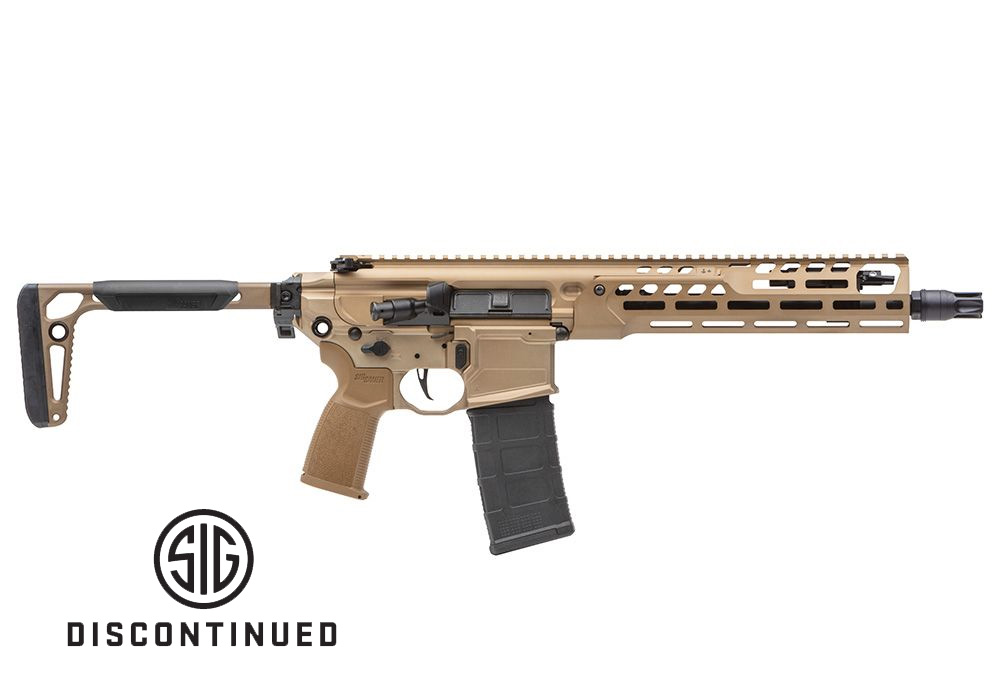
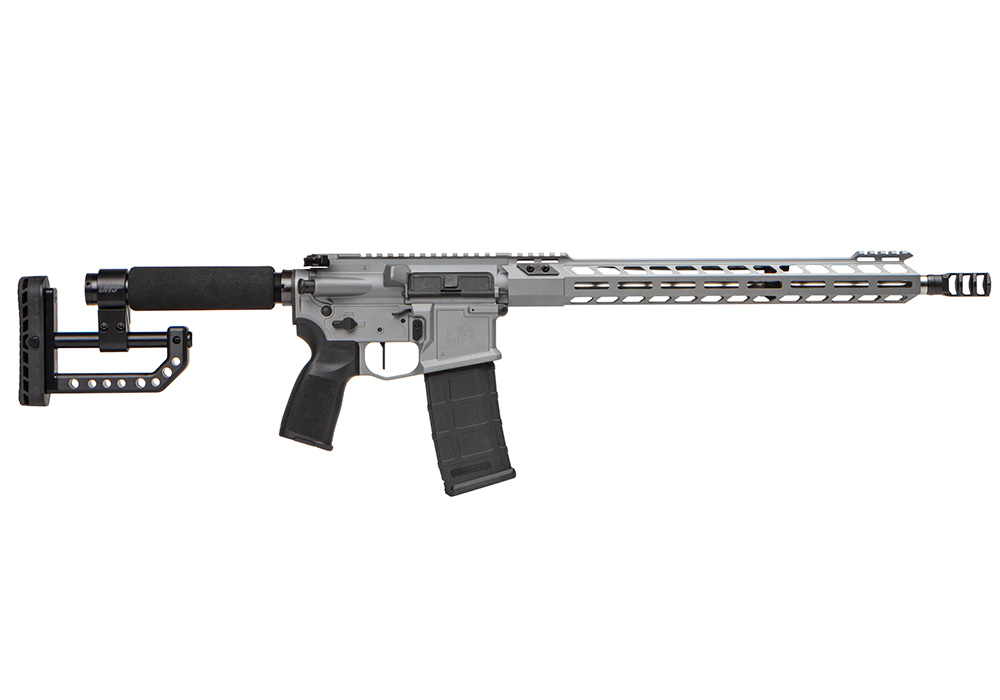
Choosing competitive shooting training also means considering how the experience fits into a participant’s broader involvement in the sport. A first-match preparation class has a different purpose from a discipline-specific clinic or an advanced session intended for competitors with established experience. Class size, instructional format, prerequisite skills, and the amount of individual feedback can all influence that fit. Some participants value a group setting because it offers a chance to hear other students’ questions and observe a range of experience levels. Others may benefit from instruction centered on a narrower set of learning goals. Physical expectations deserve equal attention: a course may involve extended periods on the range, repeated movement between training areas, or sustained concentration across several instructional blocks. Published course details should establish those expectations, along with any required protective equipment, ammunition, and firearm compatibility. For participants comparing equipment with the requirements of a chosen discipline, Firearms for Competitive Shooting provides related context, while the course requirements and governing rules remain essential references for suitability. Familiar, serviceable equipment can help keep attention on learning rather than on unfamiliar controls or unresolved fit concerns. Training can be a useful milestone before entering a first organized event, returning after a lengthy break, or exploring a new competitive format. It can also be a thoughtful experience gift for an eligible adult who has expressed a genuine interest in the sport, provided the class matches that person’s background and goals. The lasting value lies in more than the range session itself. Clearer expectations, informed questions, and an understanding of personal strengths and limitations can give subsequent practice a stronger sense of purpose. Competitive shooting is also a social activity built around shared rules and consideration for others. Learning how to listen during briefings, respect the work of range officials, and participate patiently contributes to a better experience for the entire group. Training brings these elements together, helping participants approach competition as a disciplined sporting pursuit with measurable goals and a continuing emphasis on responsible conduct.