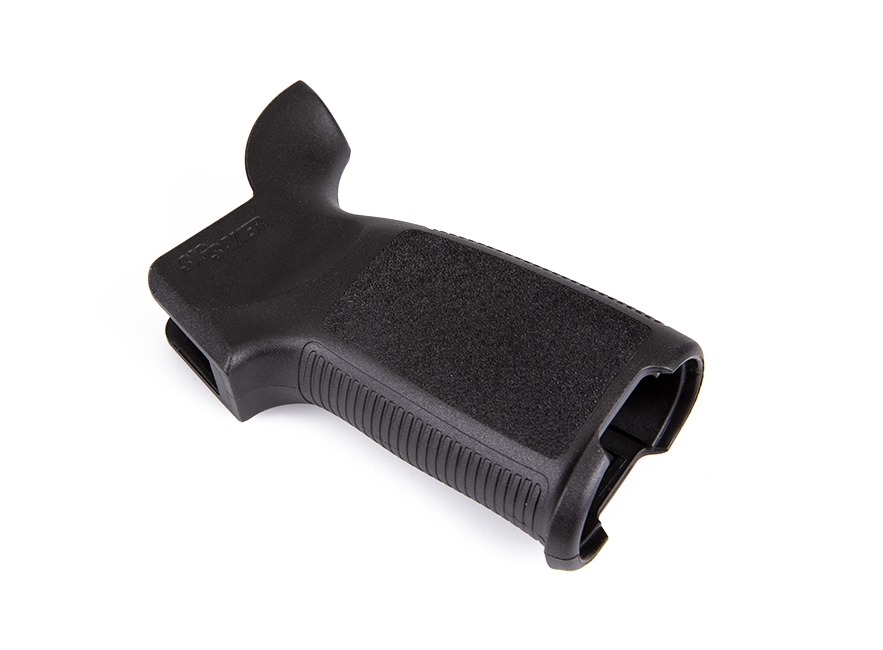
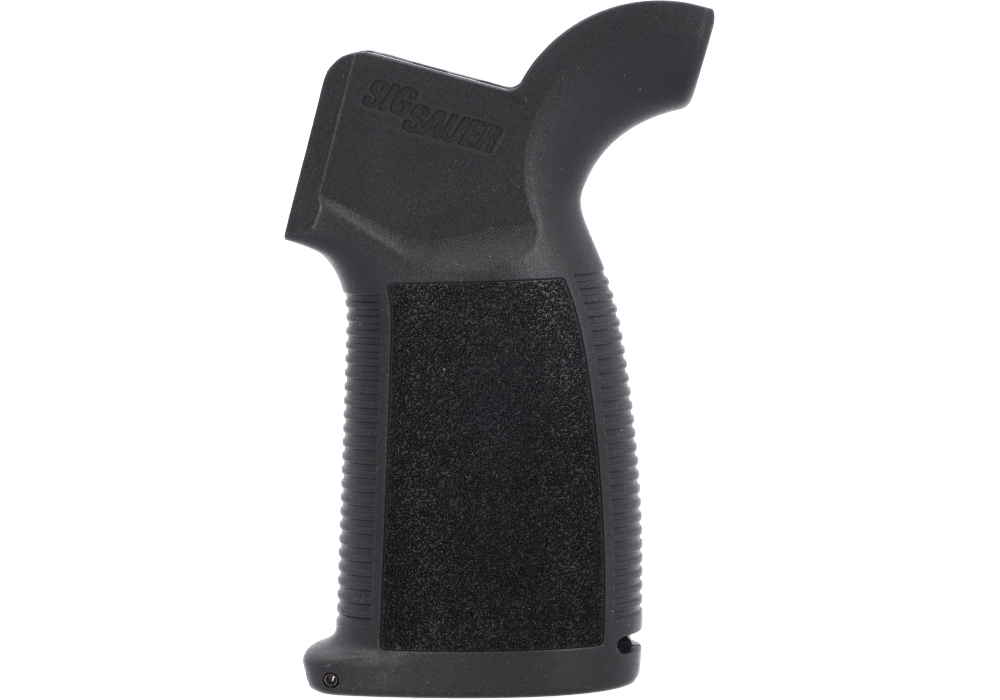
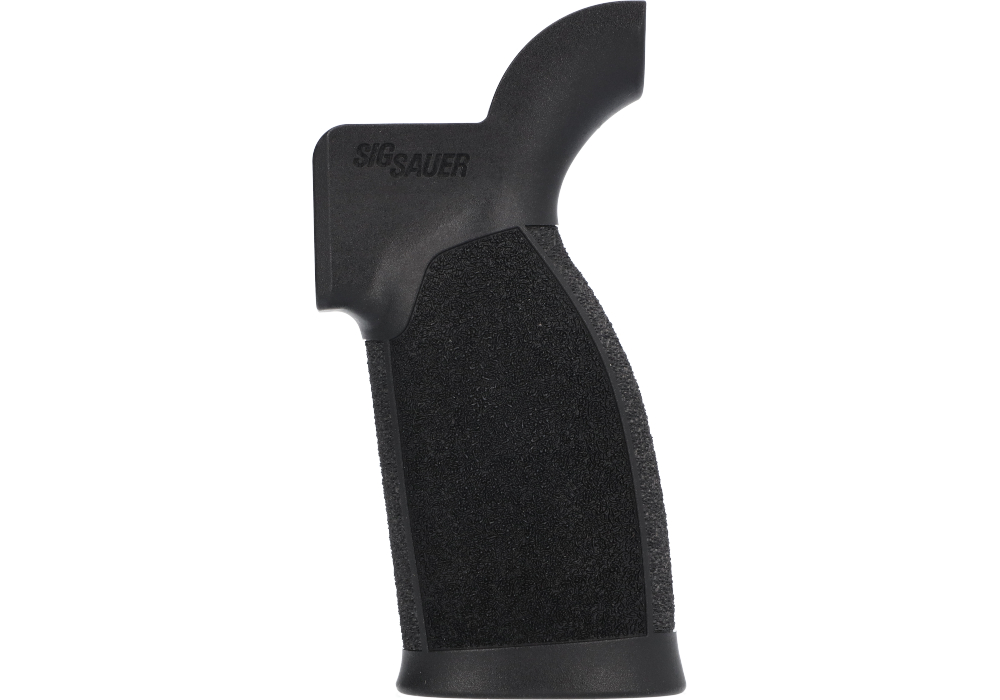
Conversion grips, also known as round-to-square or R2S conversion grips, are aftermarket revolver grips designed to change the feel and profile of a round-butt frame without altering the underlying frame itself. By extending farther toward the heel, a conversion grip creates a fuller, more traditional square-butt shape that can provide additional contact with the shooting hand. This added surface area may help distribute recoil, improve hand placement, and give the revolver a steadier feel during deliberate fire. For many revolver owners, the appeal is a familiar balance between the compact handling of a round-butt frame and the substantial purchase of a larger grip. Conversion grips can be especially useful for range sessions, practical training, duty-oriented setups, or anyone who finds a smaller factory grip difficult to hold comfortably. They may also suit shooters with larger hands who want more room beneath the palm, or those who simply prefer the visual and tactile character of a full-profile revolver grip. Materials and contours vary widely, with options ranging from durable synthetic construction to textured laminates and carefully finished hardwood. Some profiles are smooth and rounded for a classic appearance, while others include finger grooves, palm swells, or more pronounced texturing for a secure hold when hands are wet, gloved, or perspiring during warmer weather. Because the grip is one of the primary points of contact between the shooter and the revolver, even a modest change in shape can affect comfort, trigger reach, perceived recoil, and the way the firearm settles back on target.
Fitment is the most important consideration when selecting conversion grips. A grip intended for one revolver frame size, butt configuration, or mounting system may not fit another, even when the firearms look similar at a glance. Before choosing an option, confirm the exact frame family, model variation, generation, and whether the revolver uses a round-butt frame that accepts a conversion-style profile. Also check details such as grip screw placement, internal clearance, exposed or enclosed backstraps, and compatibility with the firearm’s existing hardware. A proper fit should sit securely against the frame, leave controls unobstructed, and allow the shooter to reach the trigger and operate the hammer or other controls without shifting an awkward amount of hand position. Grip dimensions matter as well: a longer heel can add stability, but a profile that is too large may interfere with concealment, holster fit, or the shooter’s ability to establish a consistent draw. Likewise, a heavily textured surface can be useful for control but may feel abrasive during extended practice or catch on clothing. Finish, maintenance, and intended use should guide the material choice. Textured synthetic materials are often selected for a confident hold and straightforward care, while wood and other refined finishes can bring a distinctive appearance to a revolver used for recreation, collecting, or formal range sessions. Some shooters choose conversion grips to refresh an older revolver, replace worn or damaged panels, or tailor a familiar firearm to a different hand size. Others appreciate the ability to change the revolver’s feel without permanently modifying the frame. Anyone installing a new grip should follow the manufacturer’s instructions, verify that all fasteners are properly seated without over-tightening, and perform a careful function check with the firearm unloaded before live fire. When evaluating related grip categories, shoppers may also wish to browse Forward Grips for additional grip solutions suited to different firearm platforms and setup preferences.
Conversion grips can be a practical choice for experienced revolver owners, new shooters refining their preferred hand position, and gift-givers looking for a useful accessory for someone who spends time at the range. They can make a thoughtful gift when the recipient’s revolver model and frame details are known, particularly for a shooter who has mentioned discomfort, limited palm support, or a desire for a more traditional square-butt feel. A grip is also a personal upgrade that reflects how someone actually uses a firearm: a competition-minded shooter may prioritize consistent indexing and recoil control, a recreational shooter may focus on comfort during long afternoons of practice, and a collector may value a period-appropriate shape or attractive material that complements the revolver’s finish. During the warmer months, a secure, well-contoured grip can help maintain control when hands are perspiring, while during cooler months a slightly fuller profile may be more comfortable with light gloves, provided the glove and grip combination still allows dependable access to the trigger and controls. Regardless of season, the best conversion grip is one that fits the specific frame, feels natural in the hand, and supports a repeatable shooting position. It is worth comparing overall length, width, palm swell, texture, material, color, and installation requirements rather than choosing based on appearance alone. A good grip should not create pressure points, force the wrist into an uncomfortable angle, or require the shooter to alter a well-practiced technique simply to manage the accessory. As with any firearm component, confirm compatibility through reliable specifications, follow all applicable laws and range rules, and handle installation and testing with the revolver unloaded and pointed in a safe direction. With the right fit and profile, conversion grips can give a round-butt revolver a more substantial feel, a steadier grasp, and a personalized appearance while preserving the frame’s original configuration.