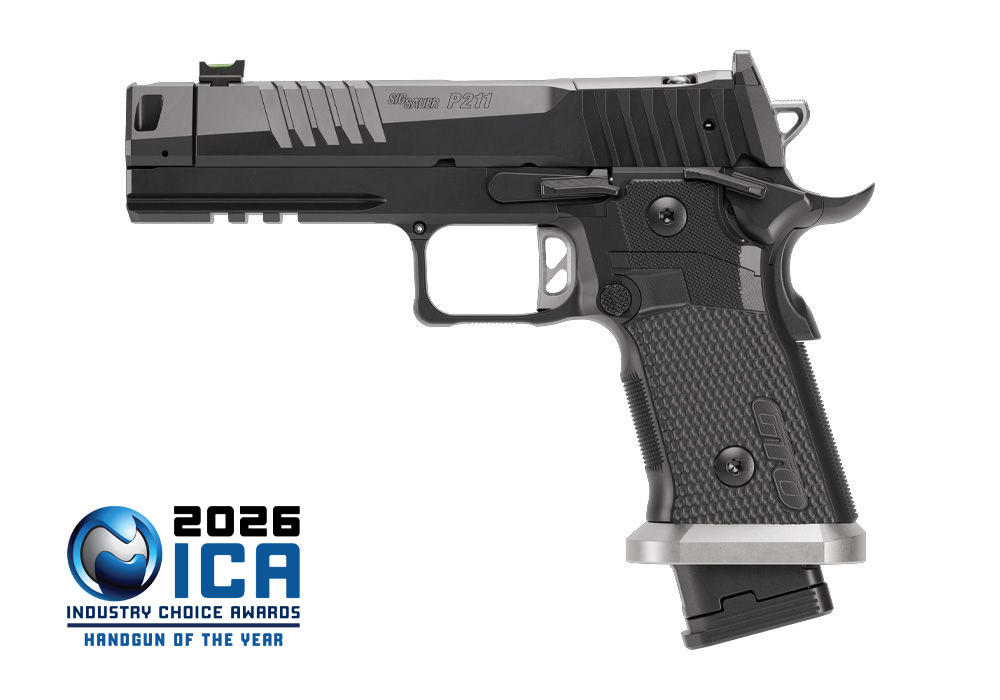
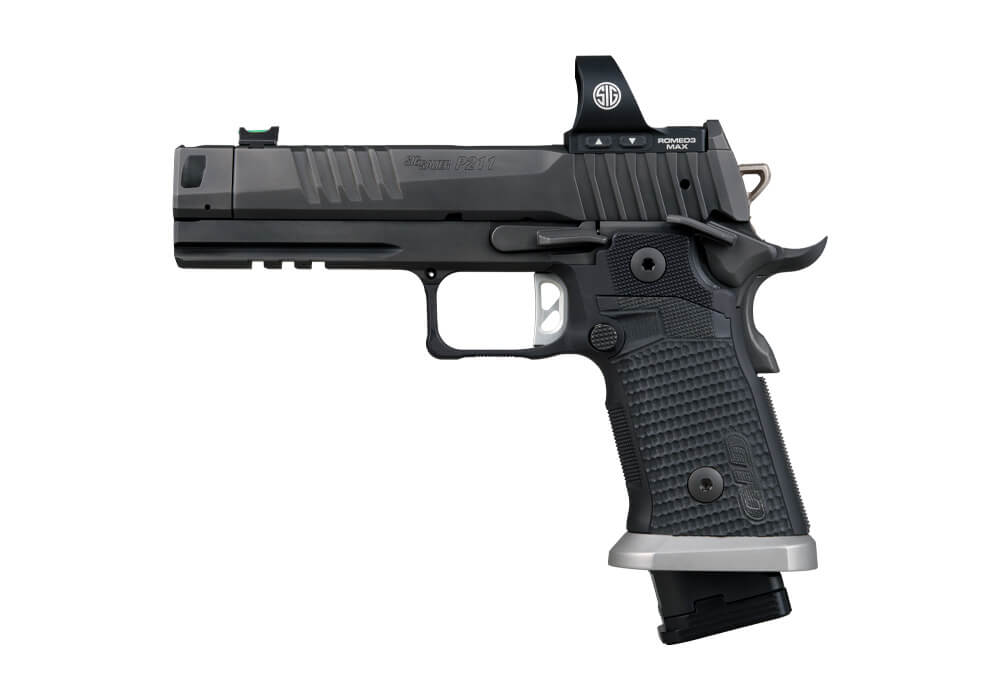
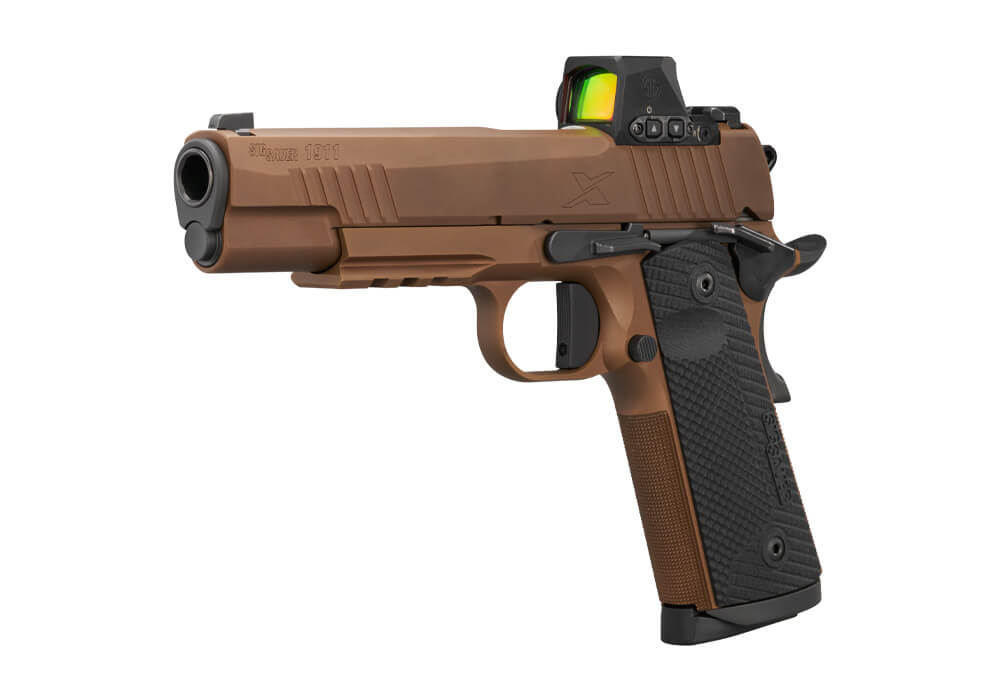
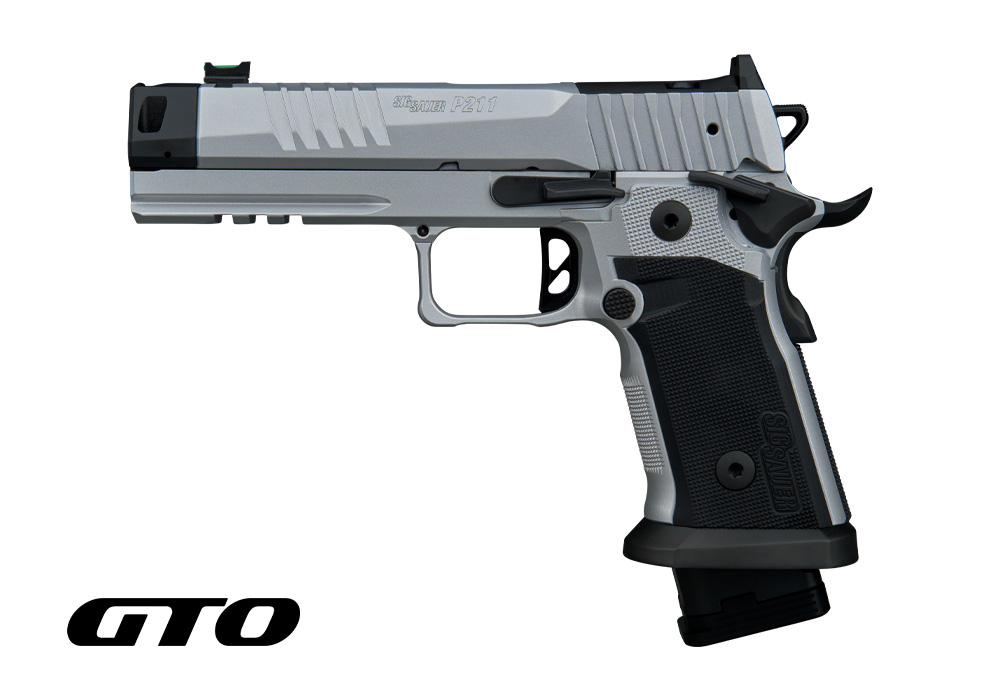
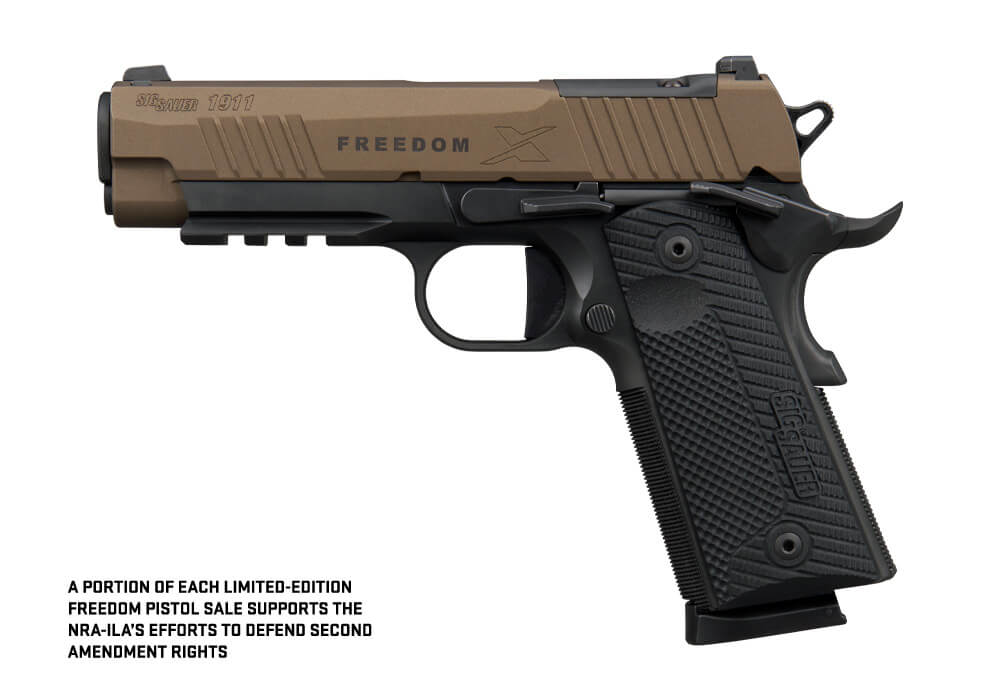
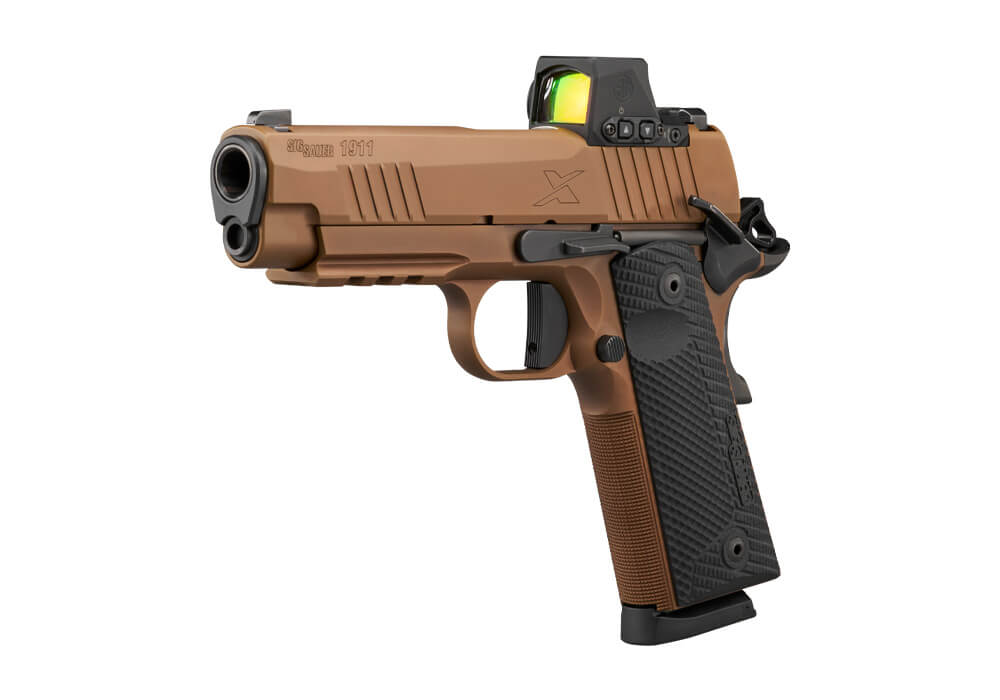
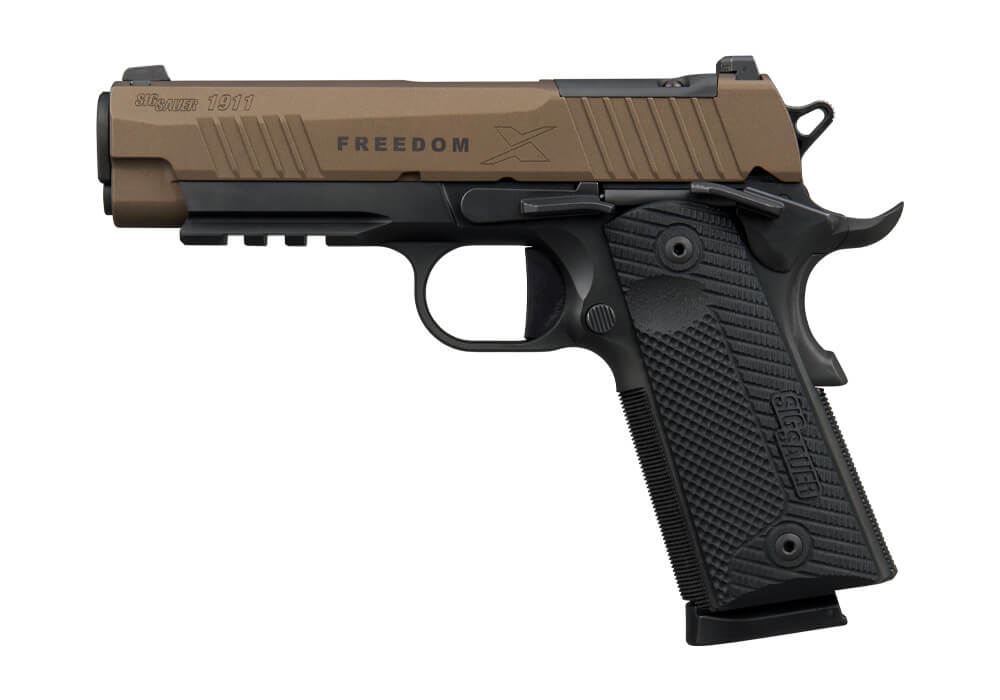
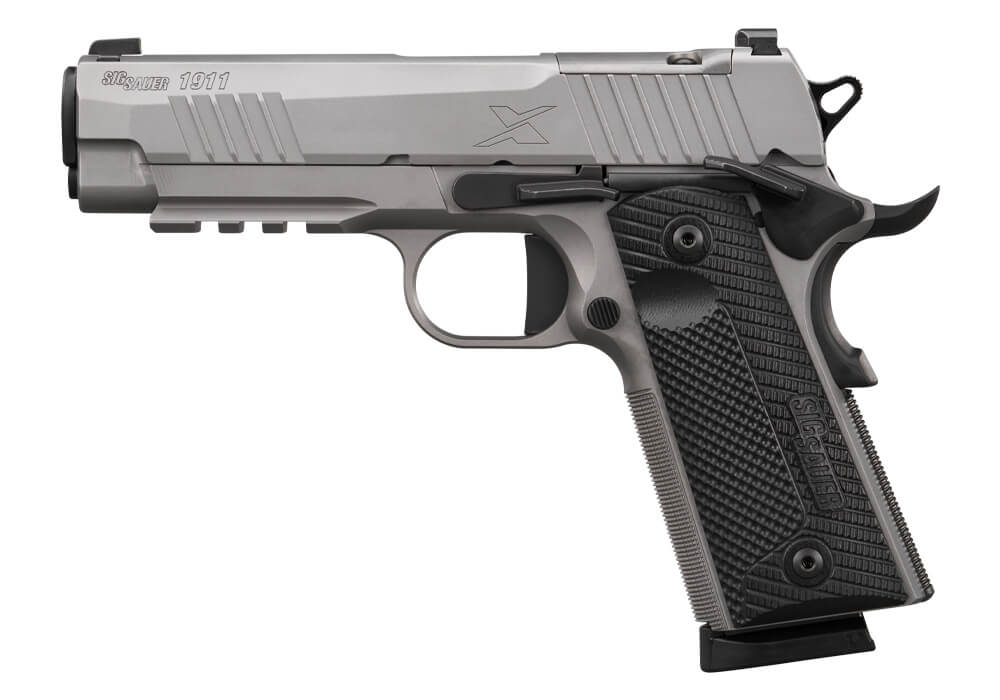
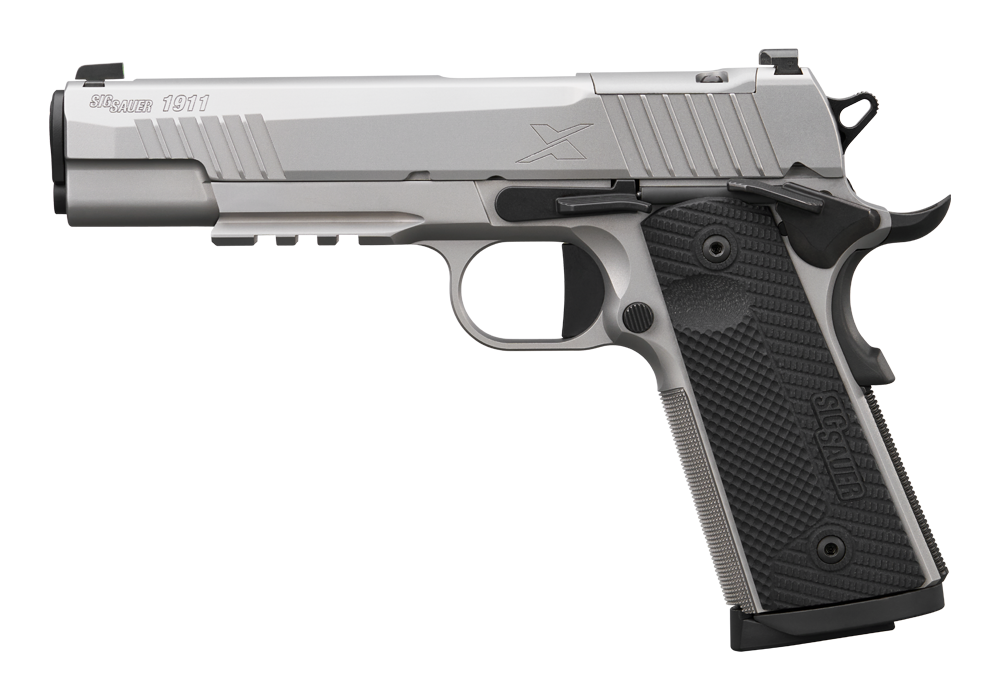
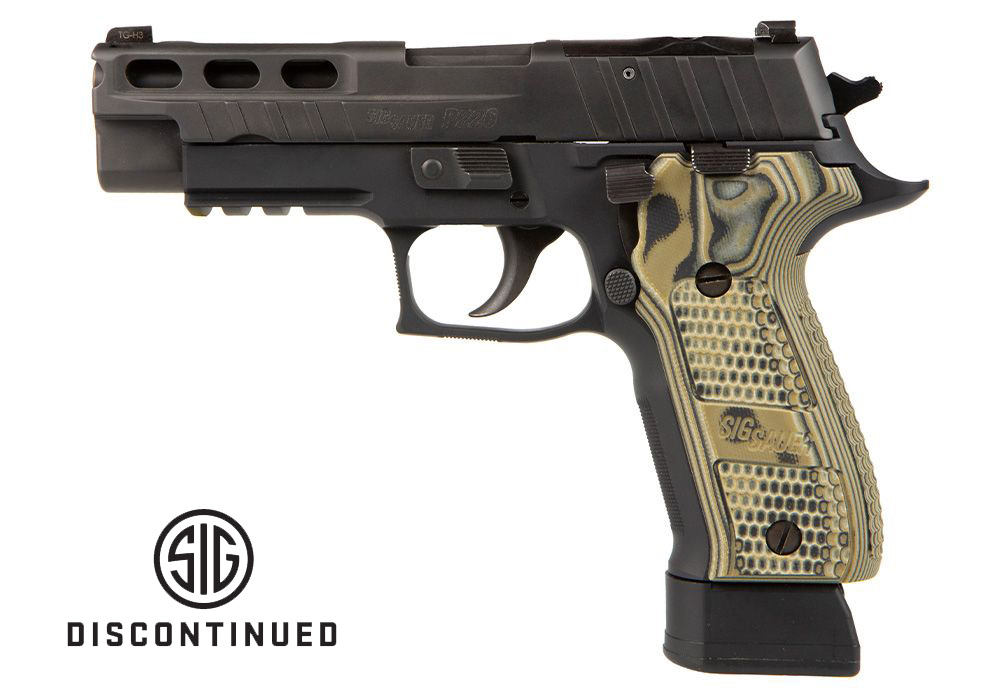
Double Stack 1911 Pistols combine the familiar single-action layout of the classic 1911 with a wider grip frame and a larger magazine, giving shooters a greater round count without abandoning the platform’s distinctive handling. Compared with a traditional single-stack 1911, these pistols generally offer more ammunition on board, often with 9mm magazines holding 15 to 20 or more rounds, while some configurations are available in other popular calibers. The wider frame also provides additional room for the shooter’s hand, and many designs feature a crisp, short trigger, a defined thumb safety, an extended beavertail, and checkering or textured grip surfaces that help maintain control. For some shooters, the first few minutes on the range reveal the appeal immediately: the pistol settles naturally into the hand, the trigger breaks cleanly, and each shot feels deliberate rather than hurried. For others, the broader grip requires an adjustment period, especially when reaching the trigger or operating the magazine release. Hand size, grip angle, trigger reach, and overall balance deserve close attention before selecting a configuration. A double-stack 1911 can serve well for recreational range practice, formal competition, training, and home protection when selected, stored, and handled responsibly. Its generous magazine size can reduce the frequency of reloads during a practice session, while the familiar controls offer a consistent manual of arms for those already comfortable with the 1911 pattern. Many current designs include an accessory rail for a weapon light and an optics-ready slide for a compatible red-dot sight, though those features should be evaluated according to the shooter’s training, intended use, and preference rather than treated as necessities.
Choosing among Double Stack 1911 Pistols starts with intended use. A competition-oriented shooter may prioritize a refined trigger, rapid sight recovery, a balanced frame, an optics-ready slide, and controls that are easy to operate without shifting the firing grip. Someone building a home-protection setup may place greater emphasis on dependable function, practical dimensions, a secure weapon light, visible sights, and a grip texture that remains manageable during extended practice. For general range use, comfort and reliability often matter more than a long list of features. A 9mm chambering is commonly selected for its manageable recoil, broad ammunition availability, and suitability for regular training, while other chamberings may appeal to shooters seeking a different recoil impulse or ballistic profile. Magazine availability is another important consideration; confirm that spare magazines, replacement parts, holsters, and compatible accessories are easy to obtain for the specific configuration. The larger grip and wider slide assembly can provide a steady feel, but they may be less convenient for concealed carry than a slim single-stack design. Shooters who place a high priority on discreet carry may wish to compare this category with Compact 1911 Pistols for Concealed Carry before choosing a full-size or competition-oriented frame. Fit also extends to the holster, belt, safe, and storage location. A pistol that feels excellent at an indoor range may require a different holster or wardrobe for everyday use, and a larger grip can print beneath light clothing. During the cooler months, heavier garments may offer more room for a secure carry setup, but concealment should never replace a proper holster, trigger protection, and careful compliance with local law.
These pistols can be a thoughtful purchase for an experienced shooter, a competitor preparing for a new season, or a responsible enthusiast upgrading from a basic range setup, but they are not casual gifts for someone without firearms experience. Before presenting any firearm, confirm that the recipient is legally eligible to possess it, understand the transfer requirements in the relevant jurisdiction, and consider arranging the purchase through a licensed dealer when required. A safe, quality holster, secure storage solution, eye and ear protection, training ammunition, and instruction from a qualified professional can be more valuable than an extra accessory chosen without knowing the shooter’s preferences. New owners should begin with a safety briefing, learn the controls with an unloaded firearm, and practice loading, unloading, aiming, and malfunction procedures under supervision. At the range, a careful session might begin with slow groups at close distance, continue with controlled pairs, and finish with deliberate magazine changes while maintaining safe muzzle direction and trigger-finger discipline. That method gives the shooter time to learn the trigger, manage the wider grip, and discover which sight picture feels most natural. Regular cleaning and inspection are also worthwhile, particularly around the slide rails, feed ramp, extractor, and magazines, with maintenance performed according to the manufacturer’s instructions. Store the pistol secured from unauthorized access, keep ammunition separately secured when appropriate, and follow all applicable laws and range rules. With thoughtful selection and consistent training, a double-stack 1911 can provide the precise trigger control, stable handling, and generous ammunition supply that attract shooters to this enduring platform, whether the goal is relaxed practice on a crisp afternoon, structured competition, or a carefully planned defensive setup.