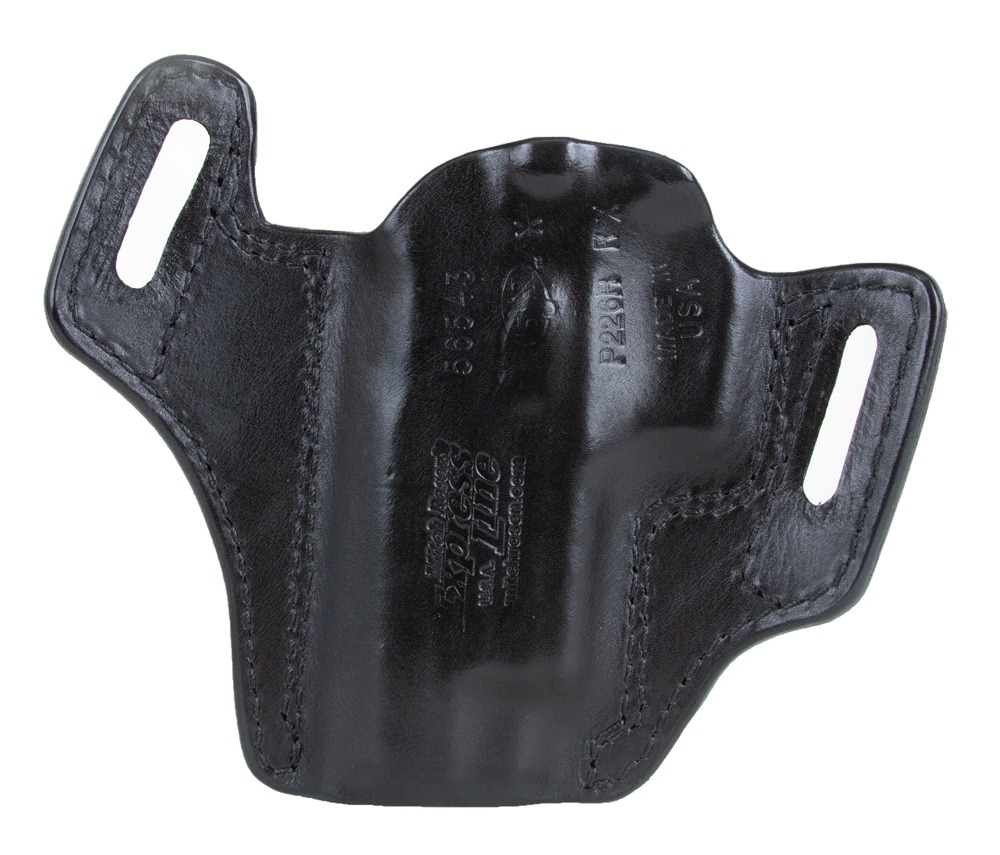
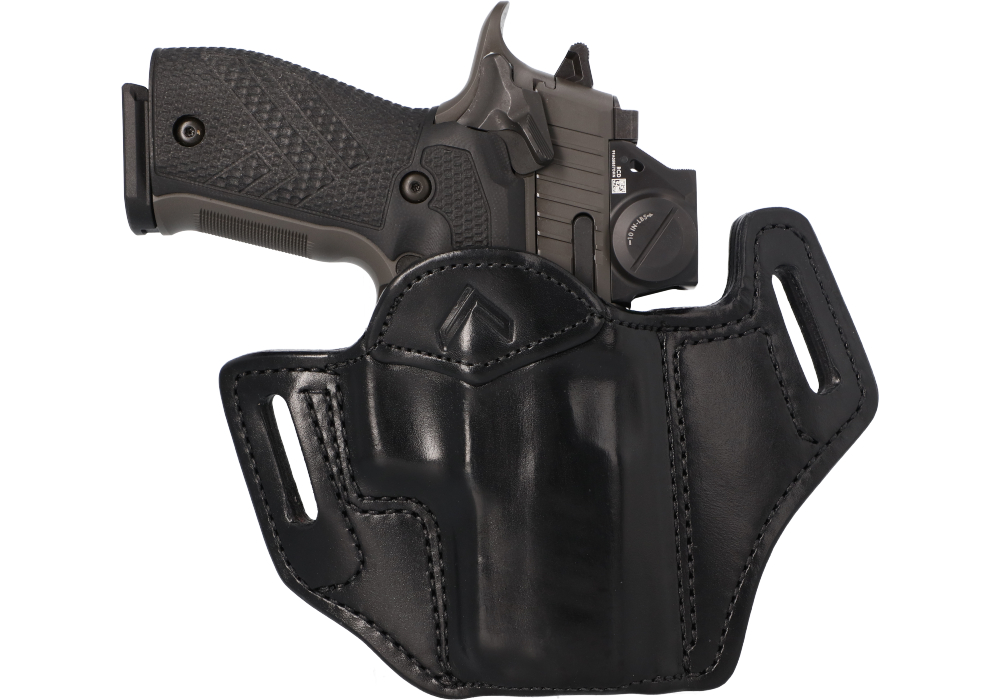
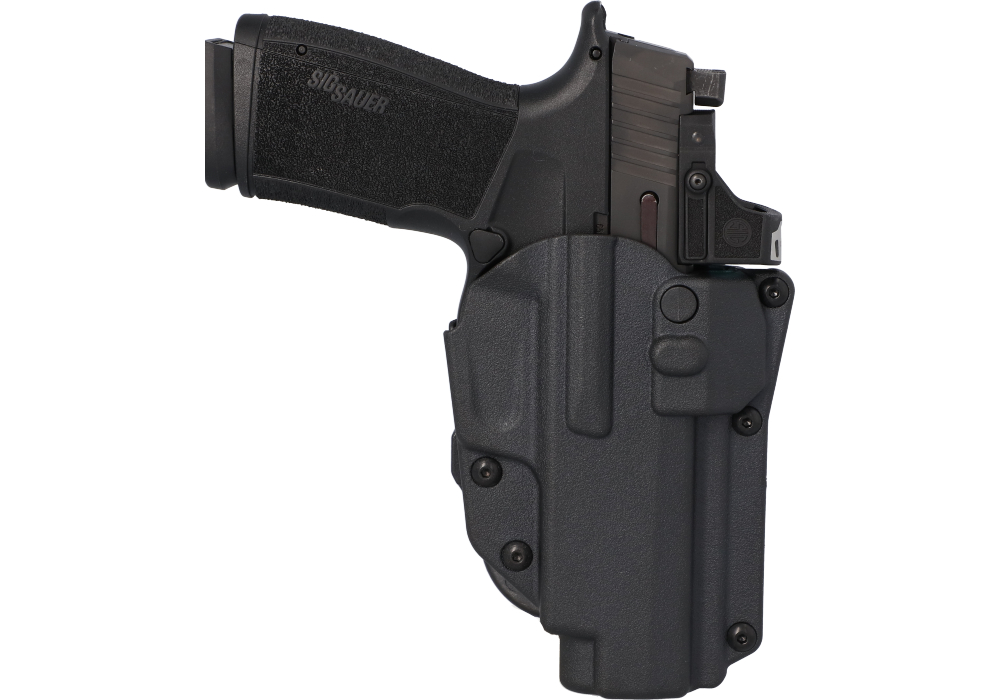
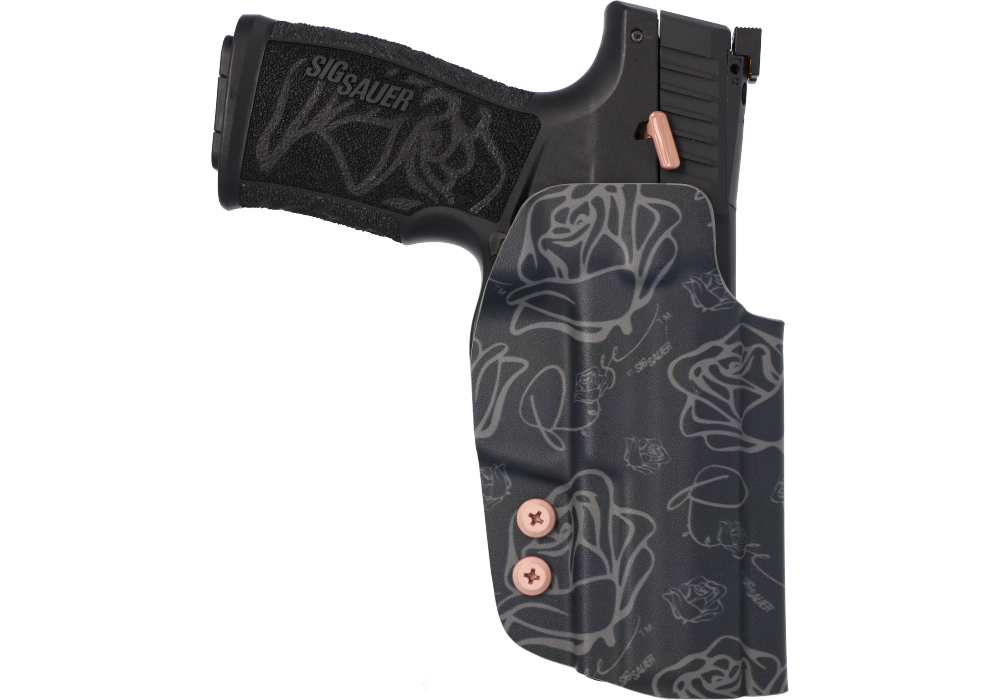
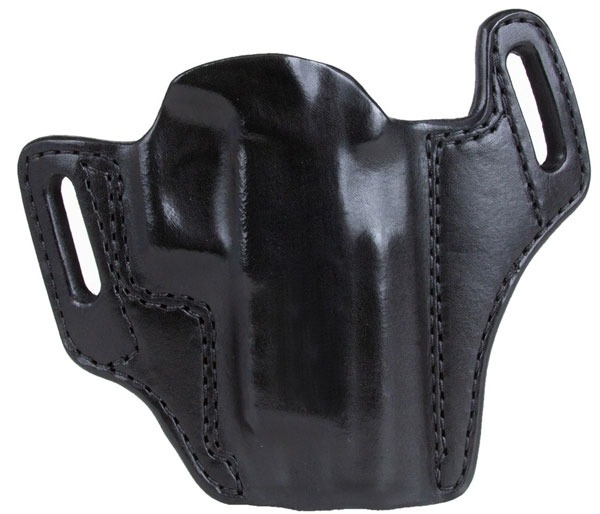
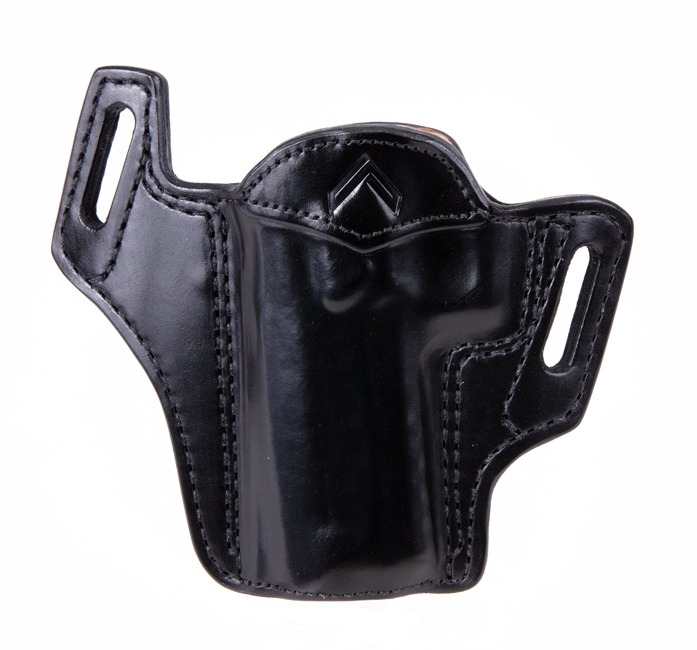
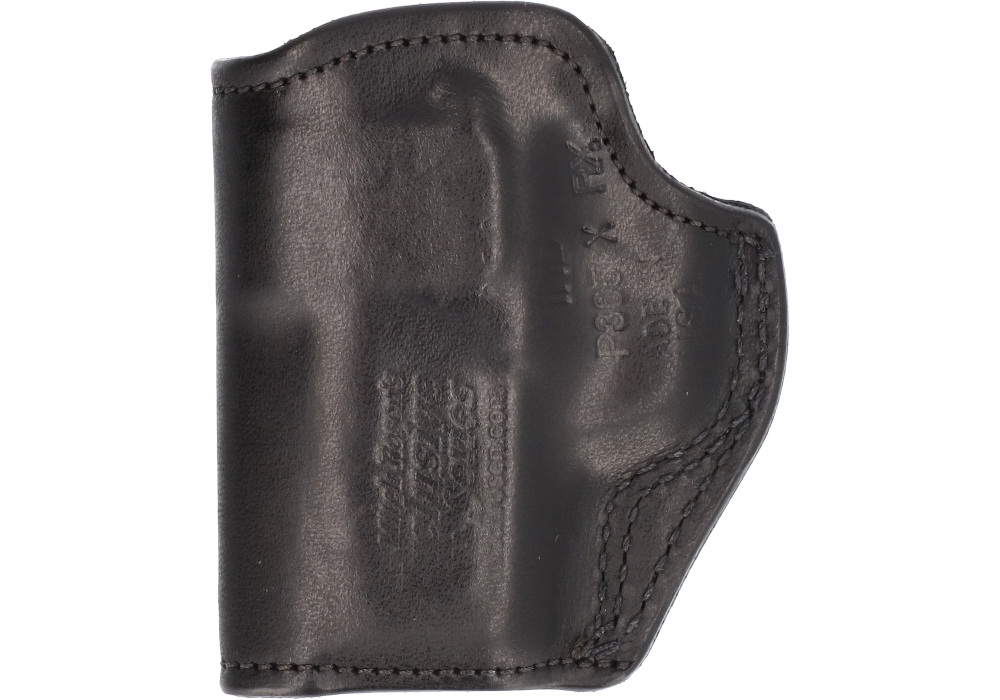
Draw holsters are designed to keep a firearm secure while supporting a consistent, controlled presentation when the user needs to access it. Choosing the right style begins with understanding how the holster will be worn, what firearm it is intended to fit, and how it will be used throughout the day. Outside-the-waistband designs are often selected for range sessions, training, duty applications, and open-carry environments because they can provide a stable platform and a clear path to the grip. Inside-the-waistband options may be preferred for discreet carry, while other configurations can suit vehicle use, outdoor activities, or specialized equipment setups. A proper fit is essential: the firearm should seat fully, remain secure during normal movement, and release smoothly only when the user deliberately establishes a grip and draws. Look for a holster molded or sized for the exact firearm model, including considerations for an attached light, optic, threaded barrel, or other compatible accessory. Retention is another important factor. Passive retention generally relies on the shape and friction of the holster, while adjustable or active systems may add a mechanical release or locking feature. The ideal choice balances security with a predictable draw that does not require excessive force or awkward manipulation. Ride height and cant also affect comfort and access. A higher ride may conceal more easily under a covering garment, while a lower position can provide additional clearance for a full firing grip. Forward or neutral cant may help align the holster with the wearer’s preferred draw motion, but comfort and repeatability should guide the final decision. A sturdy belt or compatible mounting system matters just as much as the holster itself; even a well-designed draw holster can shift, tilt, or become uncomfortable when paired with a soft or undersized belt. Before carrying, inspect the holster for sharp edges, loose hardware, damaged retention components, or obstructions around the trigger guard. The firearm should be unloaded during fit checks, and the holster should fully cover and protect the trigger area. For users who prefer a compact setup, browsing related options such as Small Holsters can help identify a configuration suited to a smaller firearm or streamlined carry arrangement. During cooler months, heavier layers can change access and concealment, so a holster should be evaluated with the clothing, belt, jacket, and daily routine that will actually be worn.
A safe, efficient draw comes from equipment that supports consistent movement and practice conducted under appropriate supervision. The commonly taught sequence begins with establishing a full firing grip high on the backstrap while the support hand clears a covering garment or remains in a safe, repeatable position. The firearm is then pulled straight up until it is completely clear of the holster; the muzzle must remain directed in a safe orientation, and the trigger finger should stay straight and outside the trigger guard until the shooter has made the decision to fire and is properly aligned with the target. From there, the hands meet at the centerline of the body, followed by a controlled press-out toward the intended target. Iron sights or an optic should be confirmed during this presentation rather than relying on speed alone. Each movement should be practiced slowly with an unloaded firearm and a safe backstop or appropriate training environment before gradually increasing pace. A draw holster is not a substitute for instruction, secure storage, or responsible handling, and local laws and regulations should be reviewed before carrying or transporting a firearm. These products can be useful for new owners building a consistent setup, experienced shooters refining a familiar presentation, range users seeking a dependable training platform, and professionals whose equipment must remain secure through long periods of movement. They may also be a thoughtful gift for a responsible firearm owner, provided the giver knows the recipient’s exact firearm model, dominant hand, preferred carry position, and intended use. Fit is too important to guess, and a gift card or opportunity to choose may be more practical than selecting an unfamiliar configuration. Consider everyday details such as seated access in a vehicle, movement on stairs, bending, outdoor activity, and whether the holster will be worn beneath a coat or other outer layer. Materials can influence comfort, durability, and maintenance: molded synthetic designs are often easy to clean and resistant to moisture, while other constructions may offer a different feel against clothing or the body. Regardless of material, keep the holster free from dirt, lint, moisture, and debris, and periodically check screws, clips, belt attachments, and retention settings. A dependable draw holster should become a stable part of a complete carry system, helping the user keep the firearm protected, the trigger covered, and the draw motion consistent from the first careful practice session through regular use.