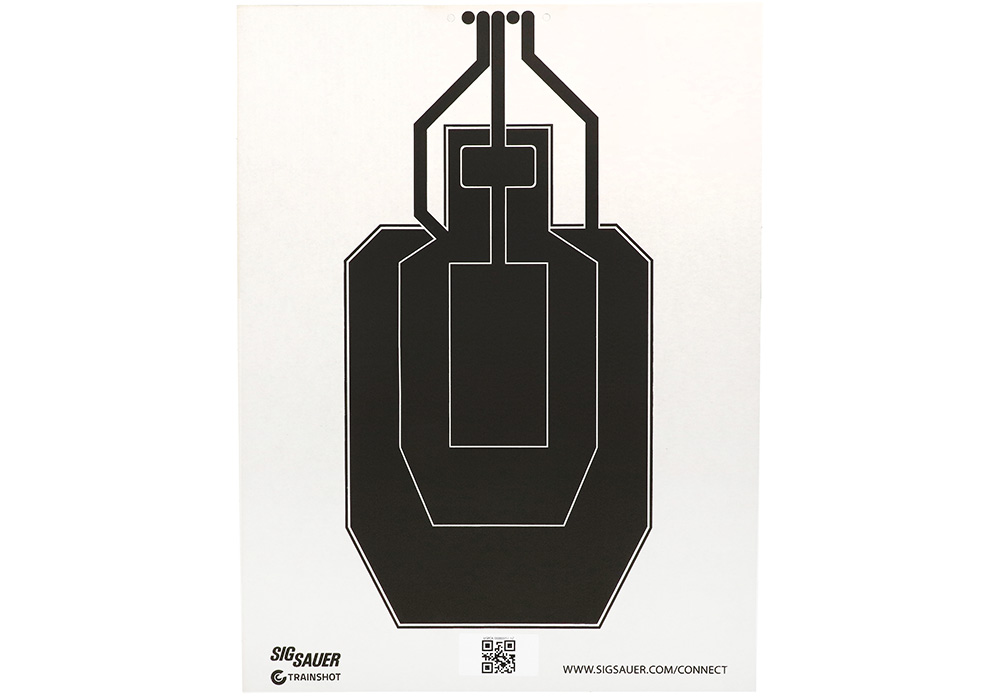
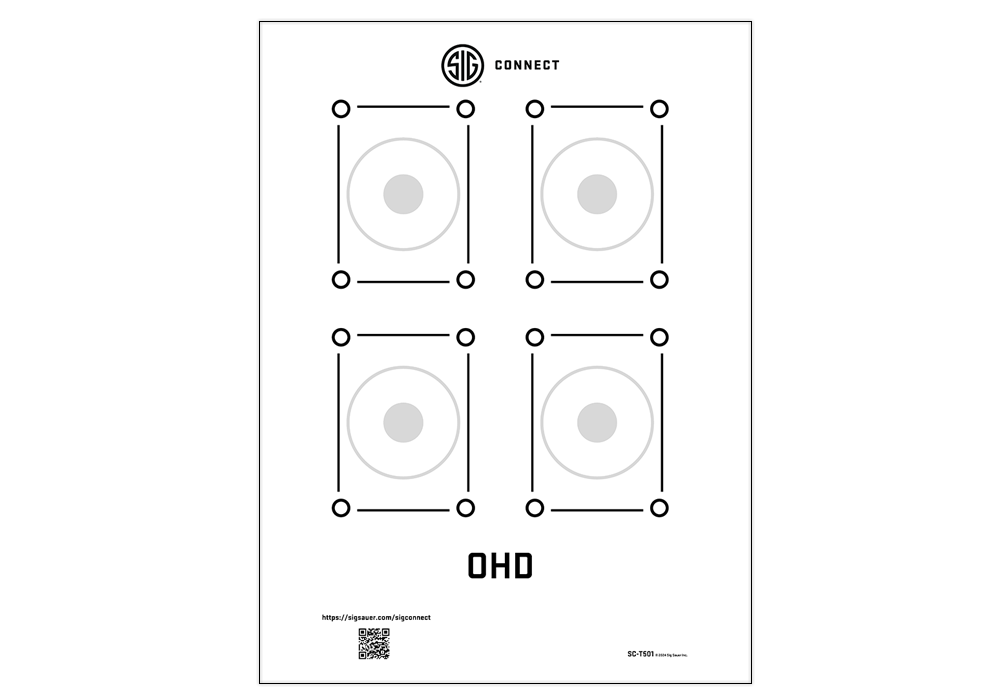
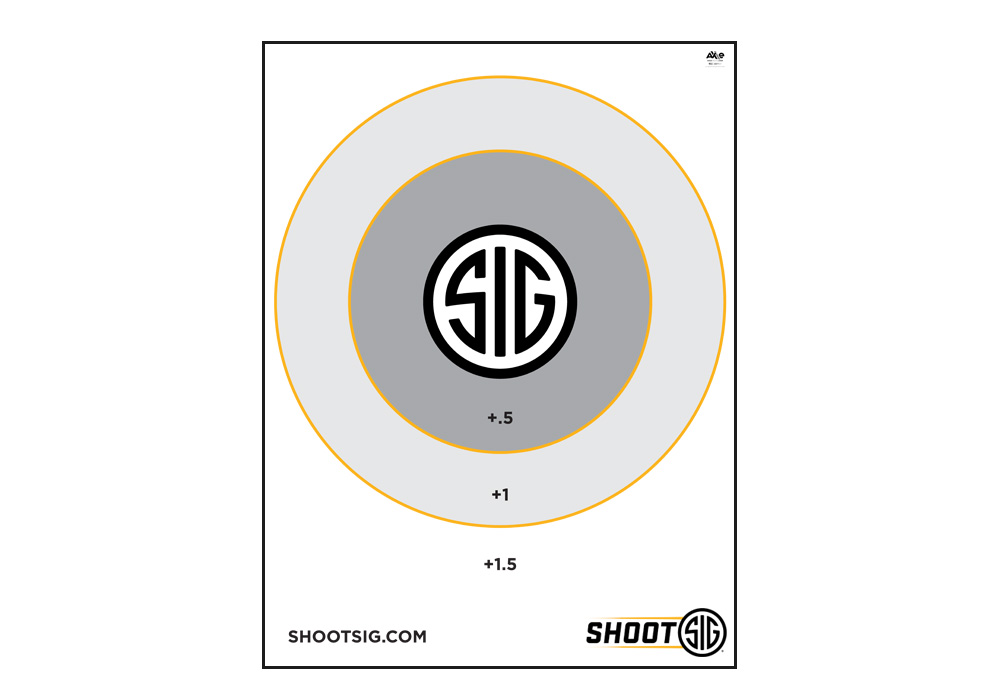
Drill targets are shooting range targets with multiple aiming points, grids, numbered shapes, or clearly defined scoring areas that give structured practice a consistent visual reference. Unlike a single bull’s-eye, a drill target can organize several distinct areas on one sheet, making it easier to distinguish groups and review results without crowding every shot into the same spot. Common layouts include rows of circles, combinations of geometric shapes, numbered sections, and grid patterns. Each format presents information differently: a clean circular outline establishes a defined aiming area, while a grid adds reference lines that make placement easier to describe. Numbers and letters can also help an instructor identify a particular section clearly during a supervised session. The useful distinction is not how busy the design looks, but how easily its markings can be read and its results understood. Sharply printed artwork with generous spacing often offers more practical value than a cluttered layout with competing visual cues. For newer participants, a straightforward design can keep the visual task clear while an instructor handles the fundamentals and range procedures. Experienced recreational shooters and competitive participants may prefer a familiar format that keeps their records comparable from one visit to the next. A target serves as a useful record of practice, but it is not a substitute for qualified instruction or safe firearm handling. It also cannot explain every cause behind a particular result. Its role is to preserve visible evidence that a participant or coach can review in context. That makes repeatable printing, recognizable boundaries, and enough room for notes meaningful details rather than decorative extras. A sheet that stays legible after use is easier to photograph, label, and keep with a practice log. For anyone who values an organized range visit, drill targets bring a recognizable framework to an activity that can otherwise leave little more than a collection of holes.
Material and print quality influence how a drill target handles before, during, and after a range session. Paper targets are lightweight, easy to transport flat, and convenient for keeping individual records. Heavier paper generally resists handling creases better than thin sheets, although weight alone does not guarantee clean printing or resistance to tearing. Cardboard provides a more rigid surface and can be useful when a target needs additional support, provided the range permits that material and format. Some designs use contrasting surface layers to make individual marks more visible; others rely on simple dark outlines against a light background. Neither approach is automatically the best choice for every setting. Clear contrast, readable labels, and well-separated scoring boundaries matter more than decorative detail. A dense black area may present a bold aiming reference, while a lighter interior can make small marks easier to distinguish during review. Overall dimensions deserve the same attention as the artwork. The sheet should fit the range’s approved carrier or backing board without requiring important scoring areas to be folded, covered, or trimmed away. Printed target size and aiming-area size are separate considerations: two sheets with identical outer dimensions can present very different layouts. Margins can provide useful room for approved attachment methods and written notes without interfering with the printed exercise. Before selecting a format, check the facility’s rules for target materials, dimensions, imagery, and mounting. For storage, keep unused sheets flat, dry, and protected from crushing inside a folder, portfolio, or similarly supportive container. Folding through an aiming area can distort its appearance, and tape placed across printed boundaries can complicate later review. Cardboard edges also benefit from protection during transport, especially when several targets share a range bag with other equipment. Targets are consumable surfaces, so durability is best understood as their ability to remain readable and securely supported for their intended use, rather than an expectation that one sheet will last indefinitely. Replace a target when overlapping marks or damaged edges prevent a clear assessment, following the range’s procedures for handling and disposal.
Choosing among drill targets starts with the setting and the people who will use them. A supervised introductory session may call for uncomplicated shapes and large, readable labels, while a club practice or recurring class may benefit from a standardized layout that everyone can identify consistently. Instructors may also value space for a participant’s name, the session date, and brief observations, particularly when several similar sheets need to be kept separate. Recreational shooters who prefer an orderly range bag often appreciate formats that travel flat and can be sorted without extensive folding. For someone maintaining a practice record, consistent dimensions and printing help preserve a familiar reference across separate visits. That consistency does not turn a target into a complete evaluation system, but it can make conversations with an instructor more precise. A clear photograph of an intact sheet usually communicates more than a hurried description of scattered marks. The broader Training Targets category provides context for comparing drill-focused layouts with other practice formats, especially when the distinction between a general aiming surface and a structured exercise sheet matters. The best fit is the design that suits the approved activity without adding unnecessary visual complexity. Drill targets can also be a practical gift for an adult who already participates in organized range activities, particularly when the recipient’s preferred format and facility requirements are known. Familiar dimensions and clear graphics are more useful than an elaborate design that cannot be used at the recipient’s usual range. For shared practice, a recognizable layout can help keep explanations concise and records organized without turning the target itself into the focus of the session. Responsible use still depends on appropriate supervision, eye and hearing protection, an approved range environment, and compliance with all facility rules. Within that setting, a well-chosen drill target offers something straightforward and valuable: a clean visual reference, a readable record, and a practical way to give each range visit a more defined purpose.