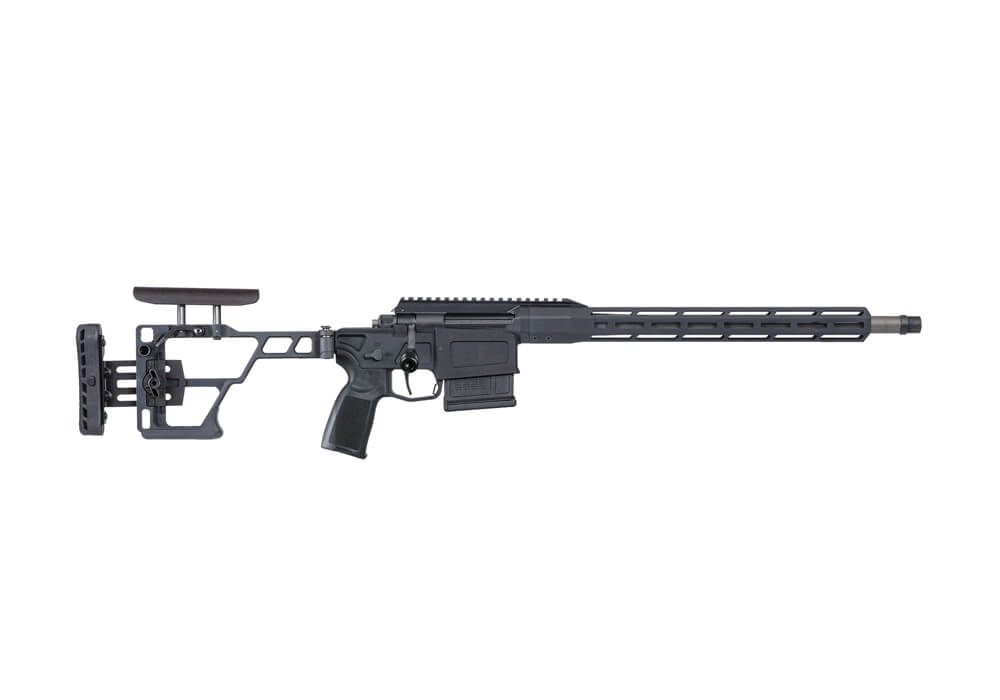
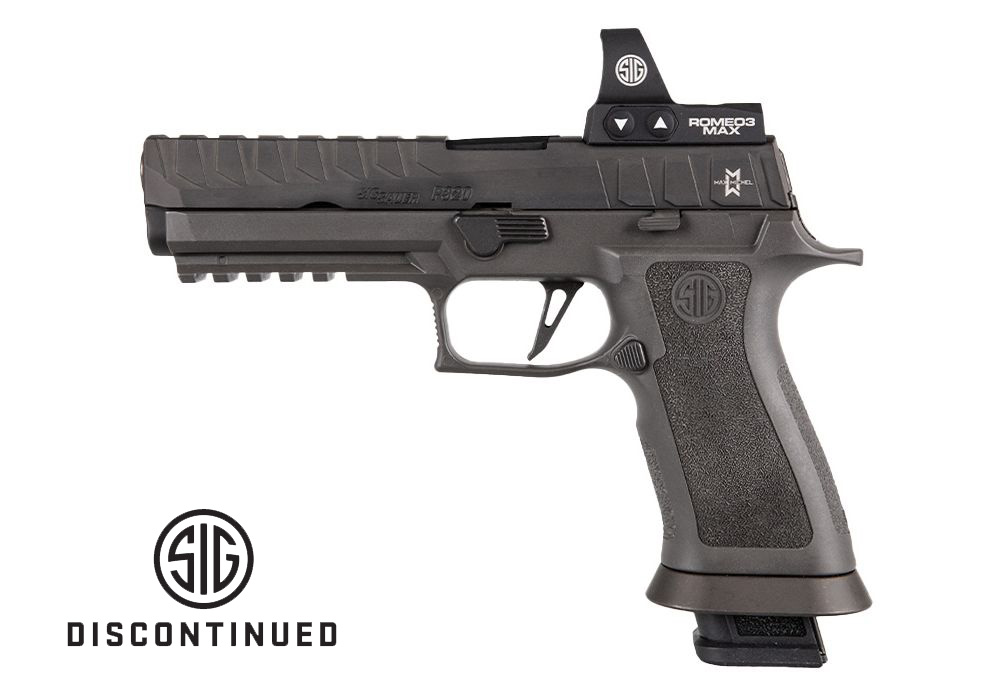
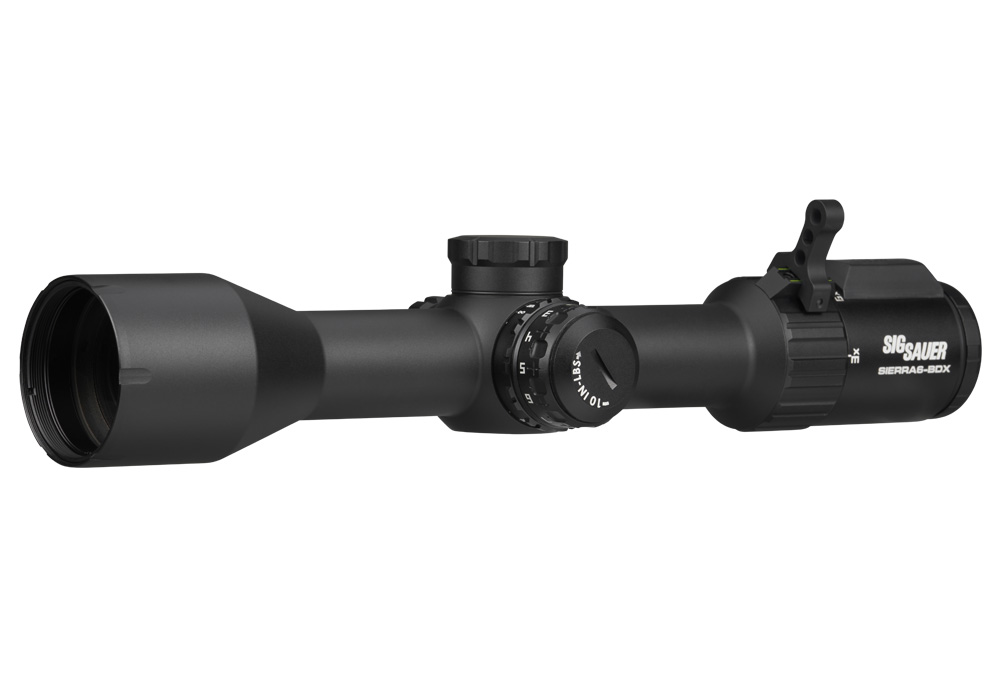
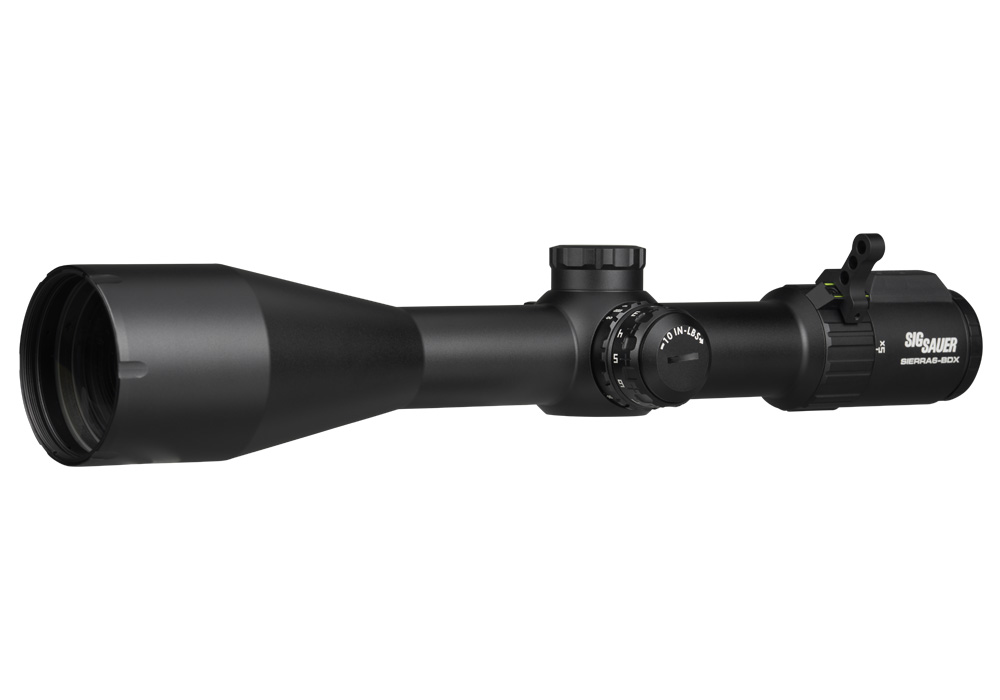
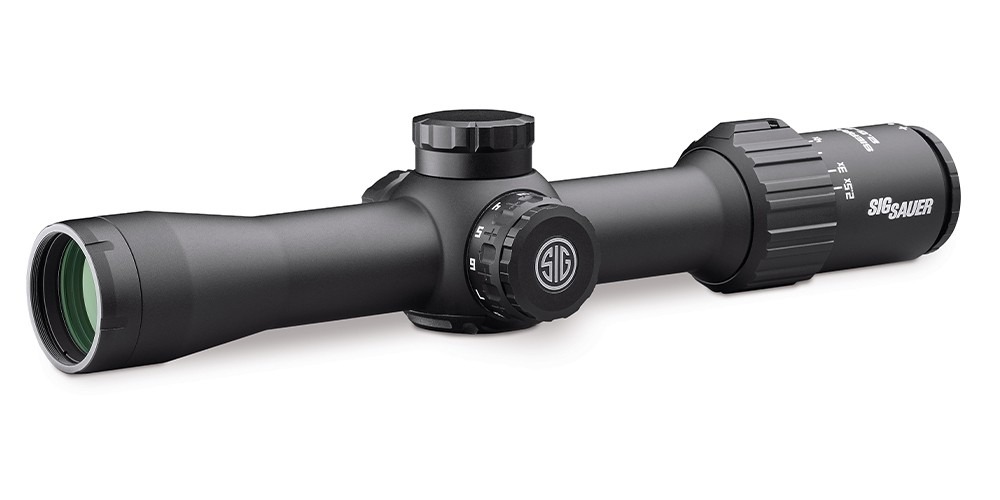
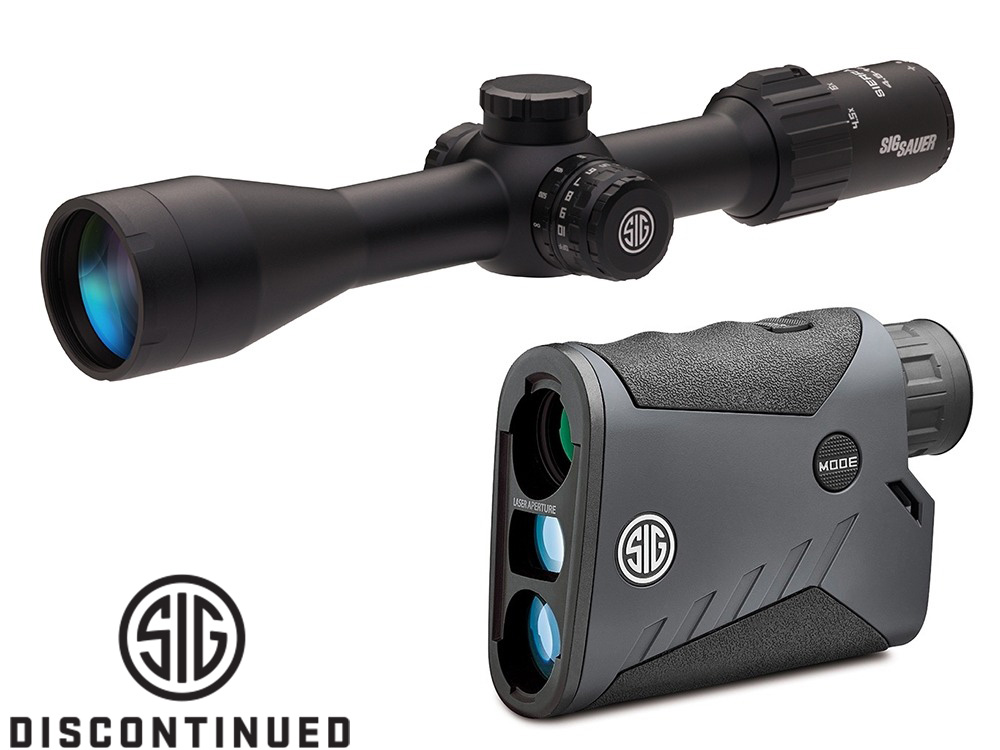
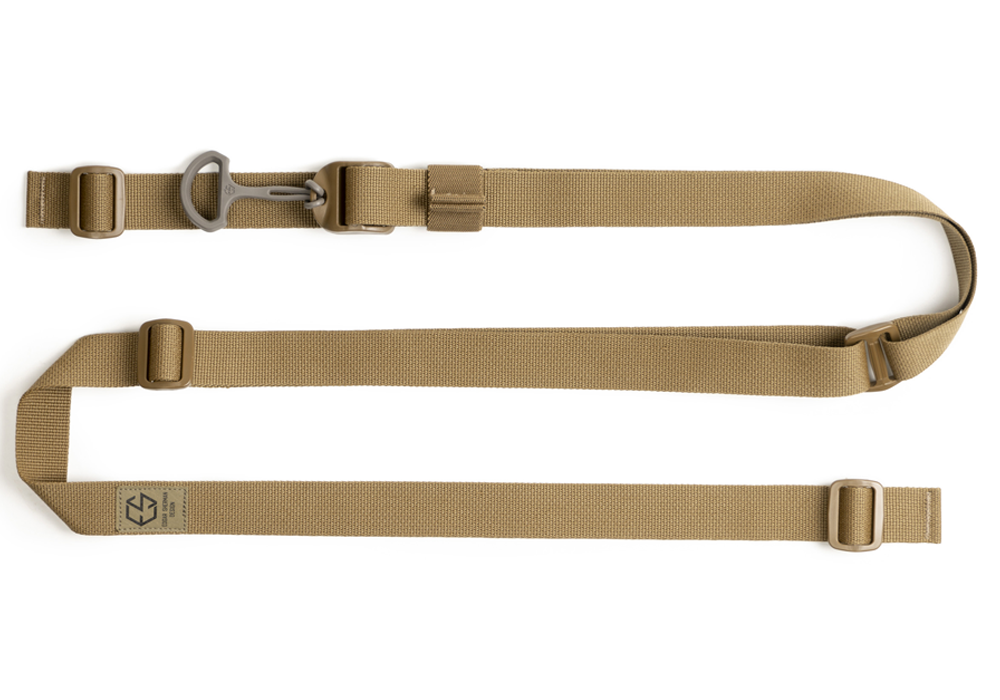
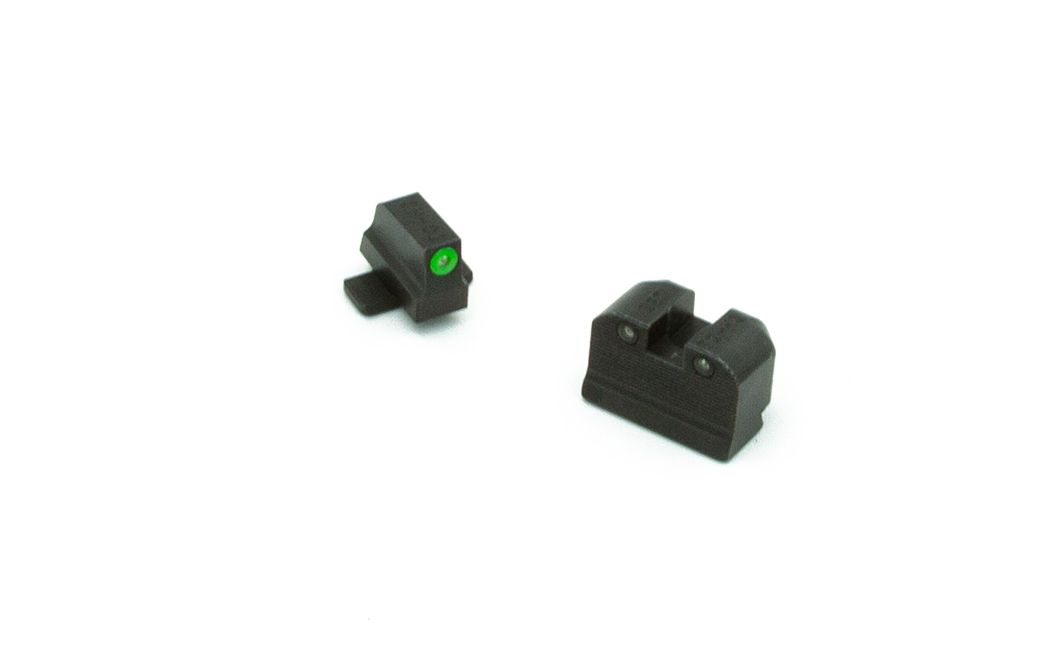
Elite shooting equipment is selected for shooters who value dependable performance, thoughtful design, and the ability to fine-tune their setup for a particular discipline. The right equipment can support a wide range of pursuits, from trap, skeet, and sporting clays to precision rifle matches, practical pistol competition, smallbore shooting, and recreational range sessions. Competitive shotgun shooters often look for balanced handling, a stock that fits naturally, and controls that remain easy to operate through long practice sessions. Precision rifle users may prioritize a stable platform, an adjustable support system, consistent ammunition compatibility, and optics that provide a clear sight picture across changing distances and light conditions. Pistol competitors typically pay close attention to the relationship between the firearm, holster, belt, magazine pouches, and protective equipment, since a well-organized rig can make preparation feel smoother and more repeatable. Match-oriented air rifles and smallbore firearms also benefit from carefully chosen accessories that help the shooter maintain a comfortable, stable position. Across every discipline, fit and purpose matter more than simply choosing the most feature-rich option. Consider the shooter’s experience level, preferred event, physical build, dominant hand, storage needs, and the rules that govern the range or competition. A setup that feels natural during a short practice session should remain comfortable and manageable over a full day outdoors, when changing temperatures, uneven ground, and repeated use put every component to the test. Reviewing specifications such as adjustment range, mounting compatibility, construction materials, dimensions, and warranty support can help narrow the selection with confidence.
A complete shooting setup extends beyond the firearm itself. A rigid inner and outer belt system can provide a secure foundation for competition equipment, while a properly fitted holster keeps the firearm positioned consistently and allows the user to follow applicable range rules. Magazine pouches should hold magazines securely without creating unnecessary bulk, and their placement is best determined by the shooter’s reach, movement, and stage requirements. Precision shooters may add adjustable tripods, bags, rests, or other supports to create a steady position on a bench, barricade, or uneven terrain. Maintenance equipment is equally important: a well-organized cleaning and care kit helps keep essential tools together, supports routine inspection, and makes it easier to address fouling or debris after a training session. Eye and electronic hearing protection deserve special attention because comfort directly affects whether they are worn correctly and consistently. Look for clear lenses, dependable coverage, a secure fit, and hearing protection that allows useful conversation while reducing exposure to damaging sound. Shooting apparel can also improve the experience during cooler months, particularly when a vest, baselayer, gloves, or outer layer provides warmth without restricting movement or interfering with a stock, grip, or holster. Storage and transport should be part of the decision from the beginning. Cases, organizers, and range bags can protect equipment from dust and impact while keeping ammunition, tools, protective gear, and personal items separated and easy to locate. Firearms and ammunition should always be stored, transported, and used in accordance with federal, state, and local law, as well as the rules of the applicable range or event. New owners benefit from professional instruction and supervised practice, while experienced shooters can use the same careful approach to refine a setup and confirm that each component works as intended.
Elite shooting equipment can be a meaningful choice for a dedicated competitor, a recreational shooter building a more capable range kit, or a thoughtful gift recipient who appreciates durable gear with a clear purpose. Before giving equipment, confirm compatibility and preferences whenever possible; a shooter may have a particular mounting pattern, hand orientation, belt size, lens requirement, or competition rule set that makes personal fit especially important. Giftable accessories are often easier to match than core equipment because they can support many types of shooting without replacing the recipient’s carefully chosen firearm. Protective eyewear, hearing protection, range organizers, cleaning supplies, apparel, and quality optics can all complement an established setup. For those who spend time outdoors, Elite Hunting Binoculars can add useful observation capability before or after a range session, whether the day includes scouting terrain, watching wildlife, or simply taking in the landscape beyond the firing line. As the weather shifts toward cooler conditions, layered apparel, gloves that preserve dexterity, and dependable cases become especially practical for early-morning starts and longer days outside. The best selections are built around the way the equipment will actually be used: a clay shooter may value balance and fast visual acquisition, a precision competitor may focus on repeatable support and fine adjustment, and a new pistol competitor may need a straightforward belt and protection system that inspires confidence. Thoughtful equipment choices reward careful preparation, responsible handling, and regular practice, helping shooters spend less time working around their gear and more time concentrating on safe, consistent performance.