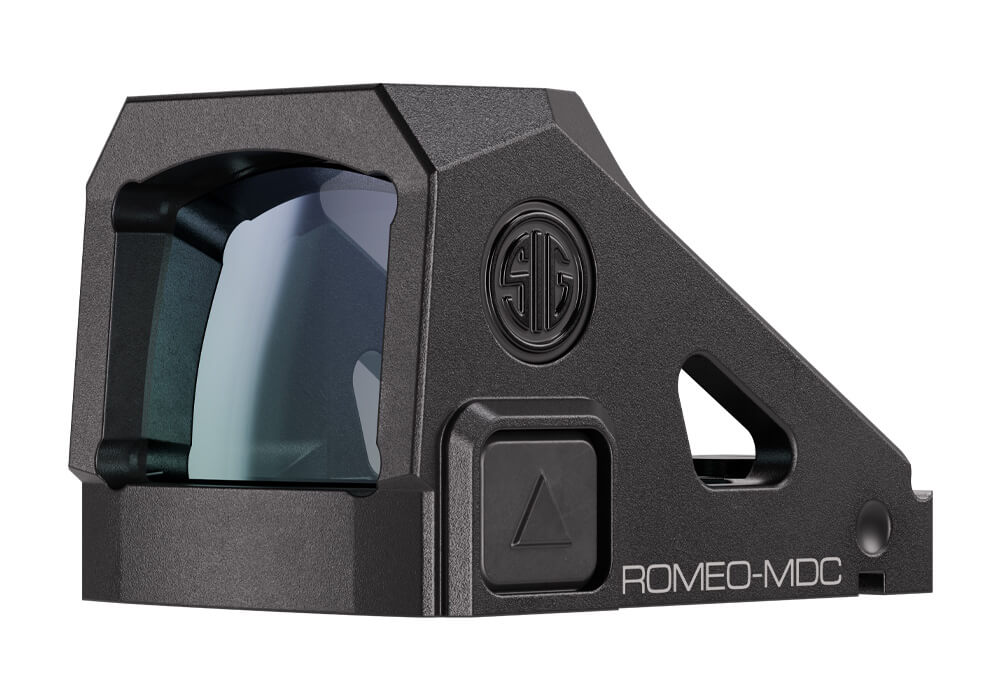
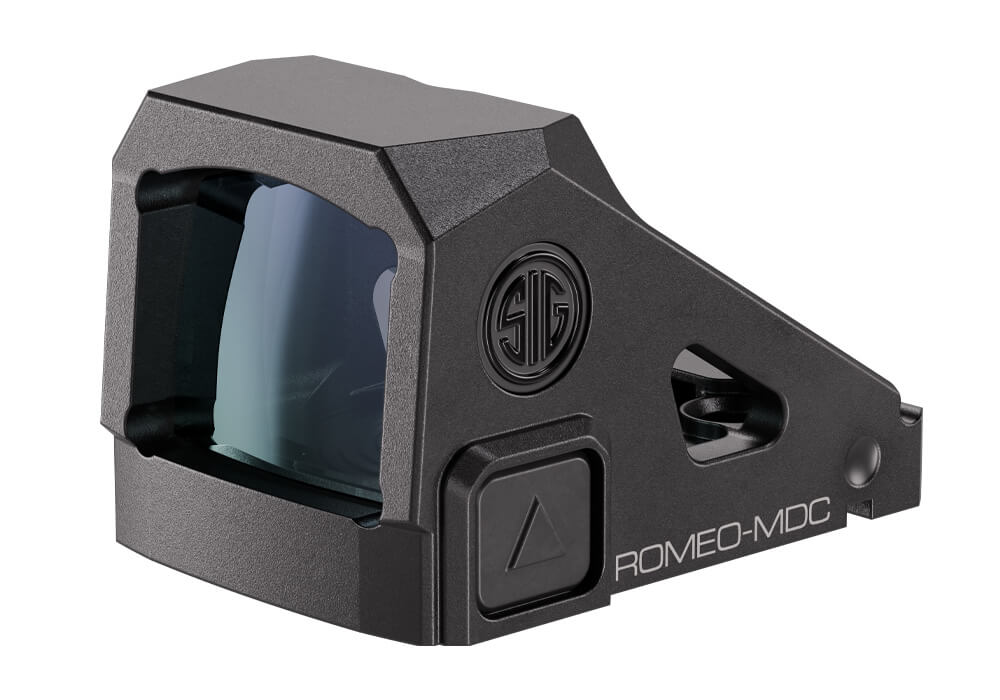
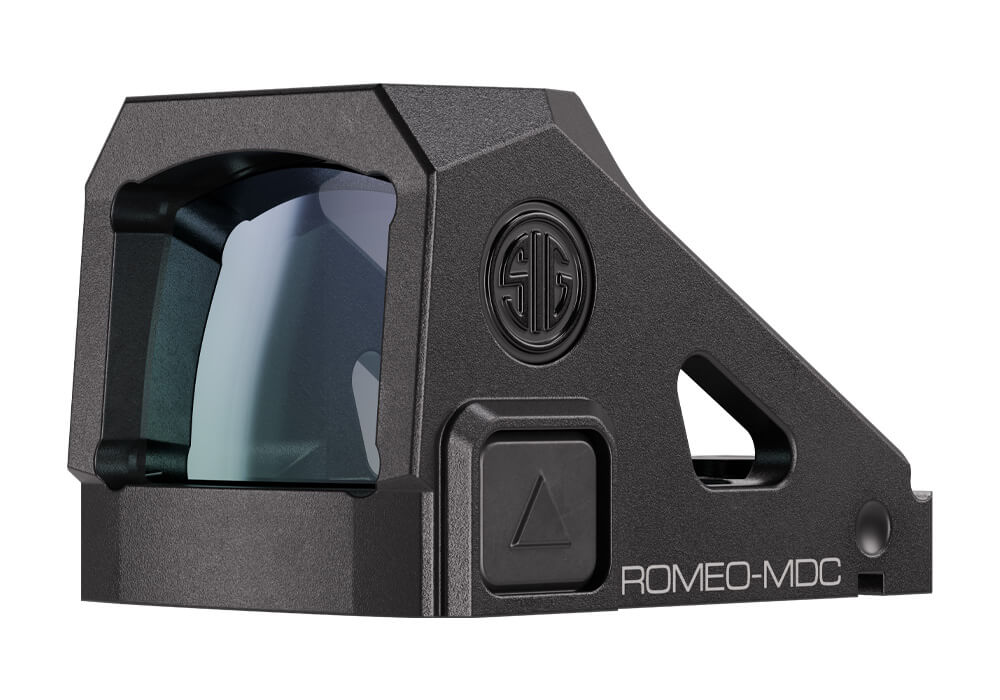
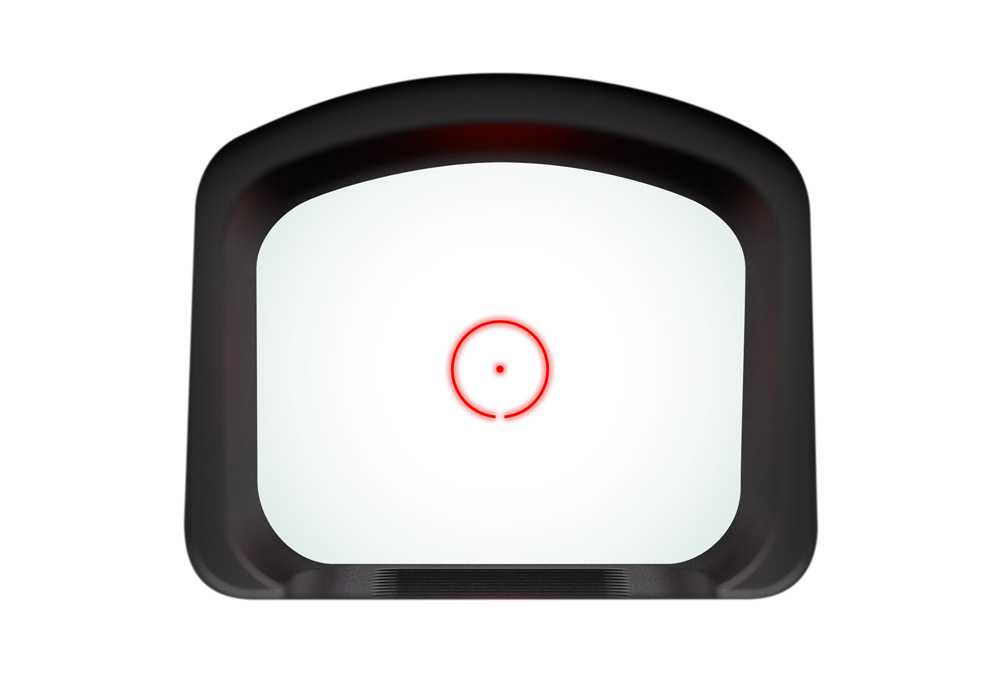
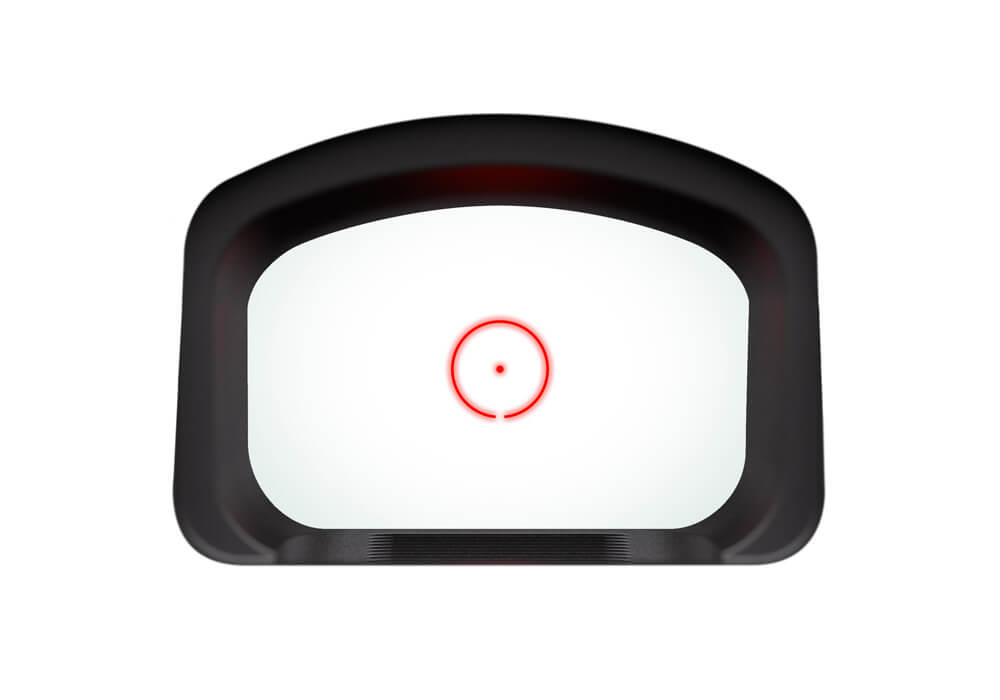
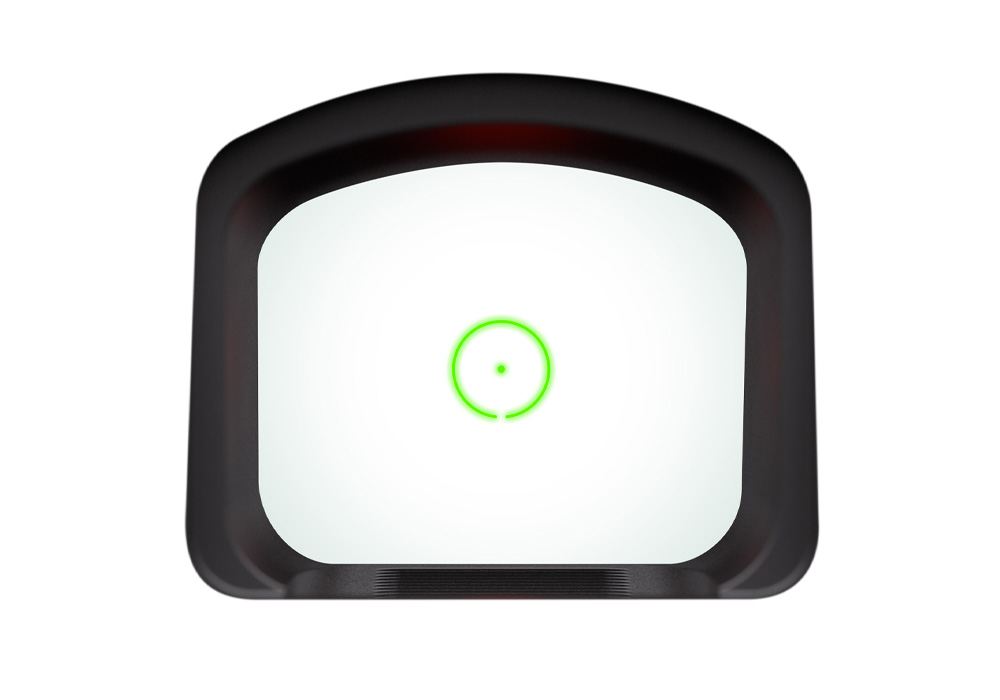
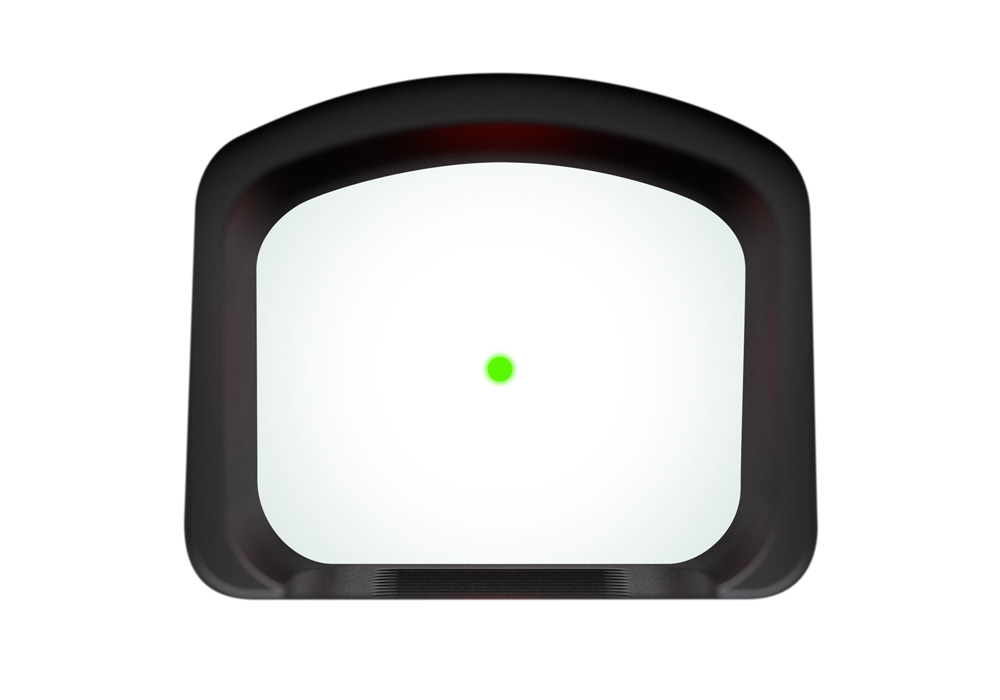
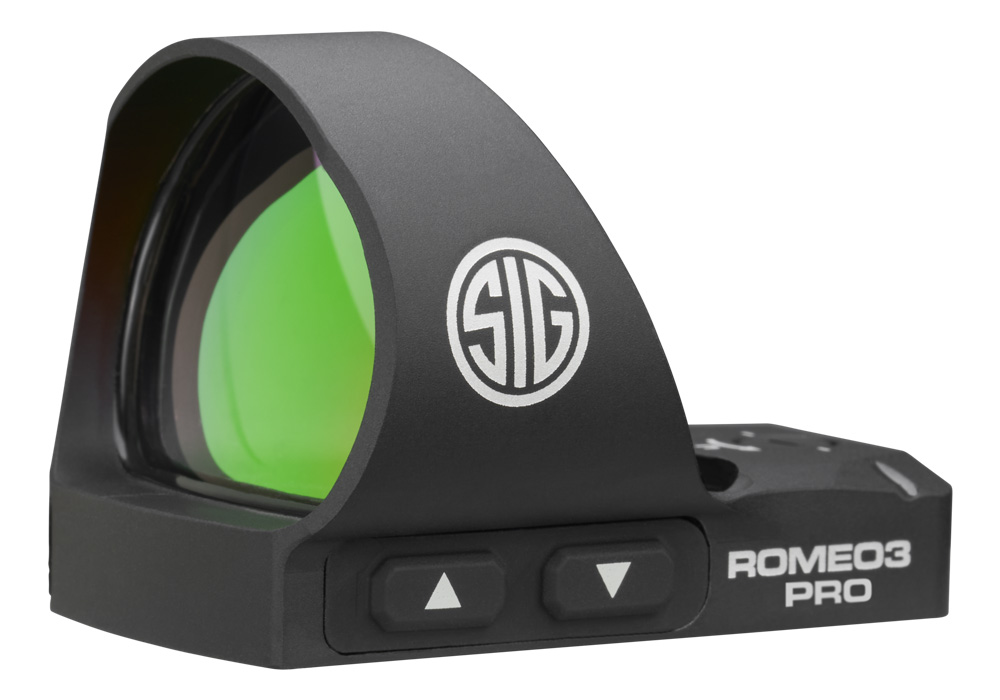
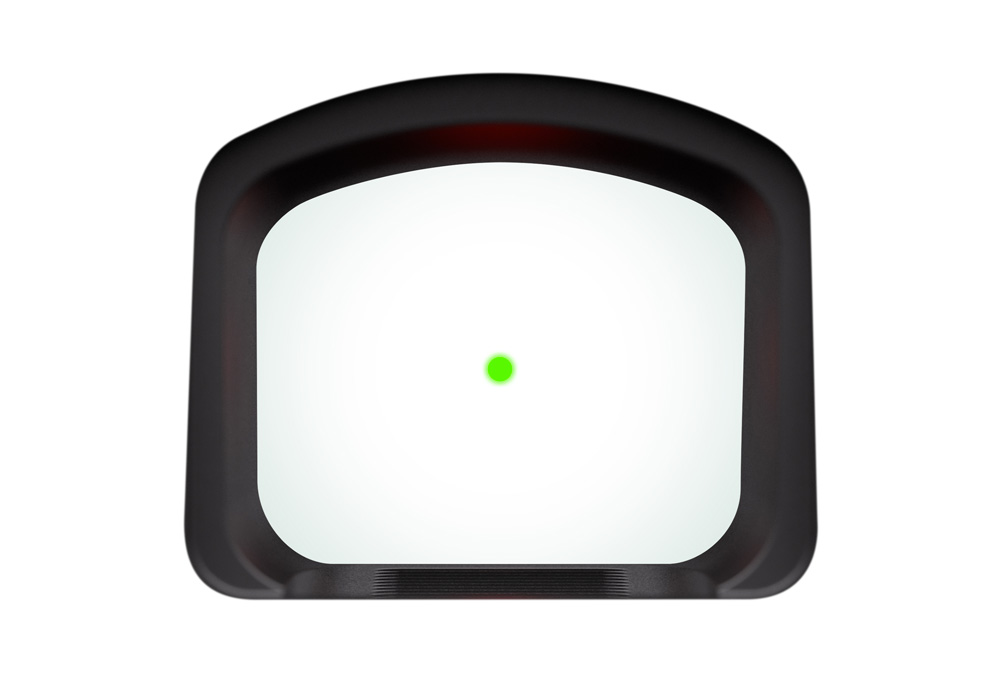
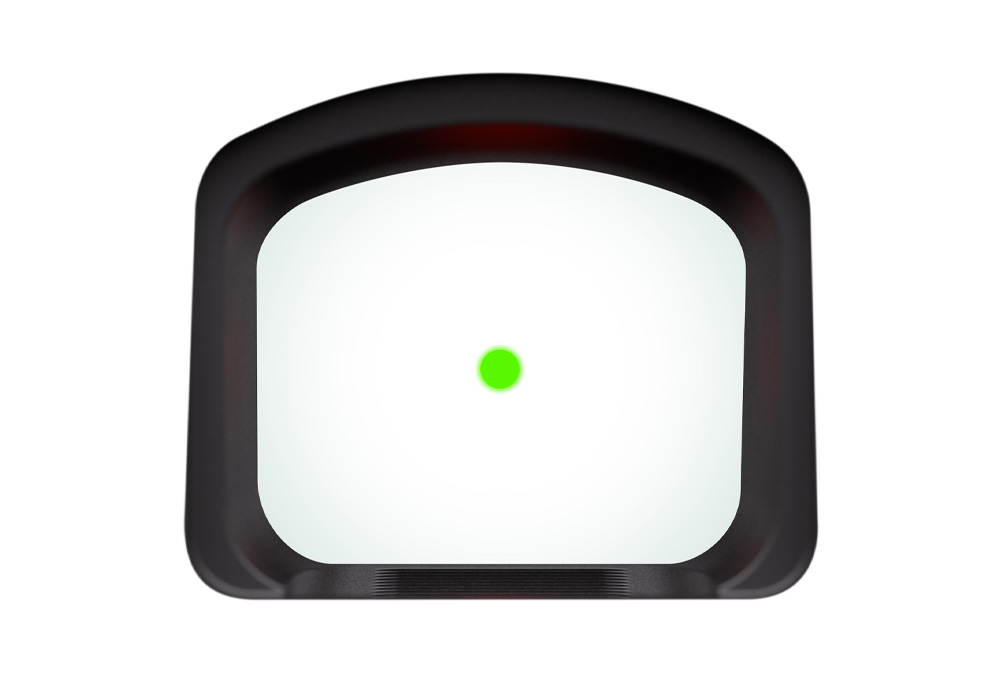
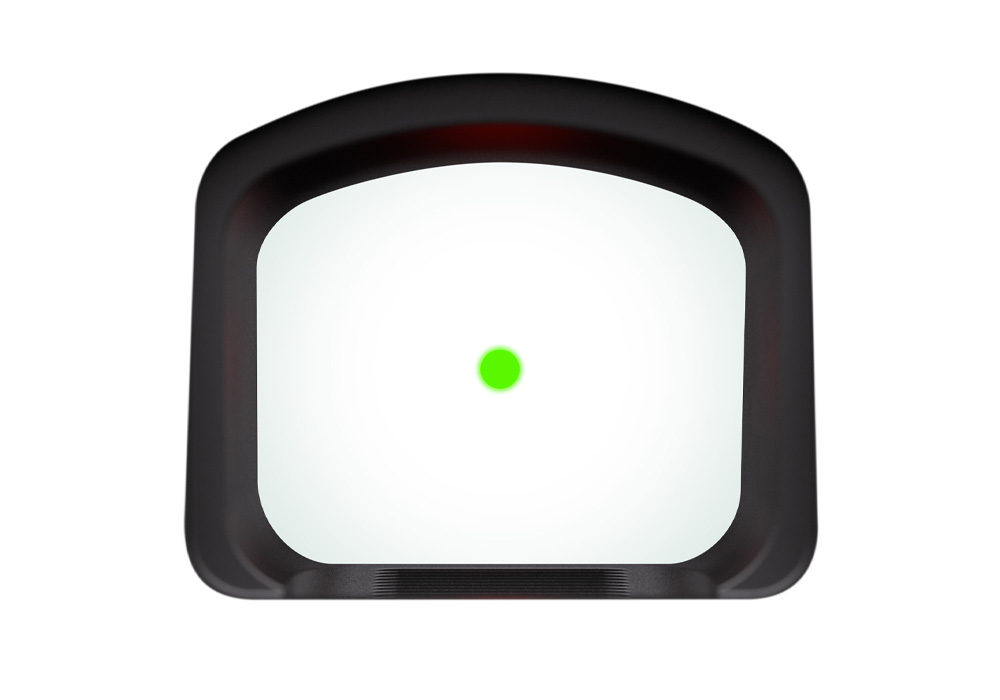
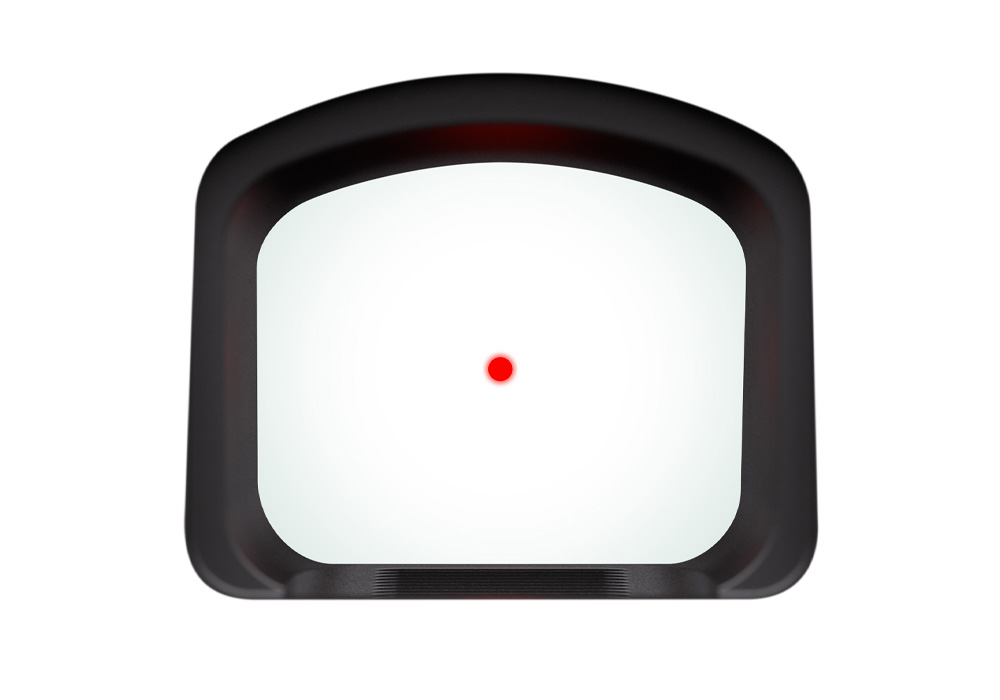
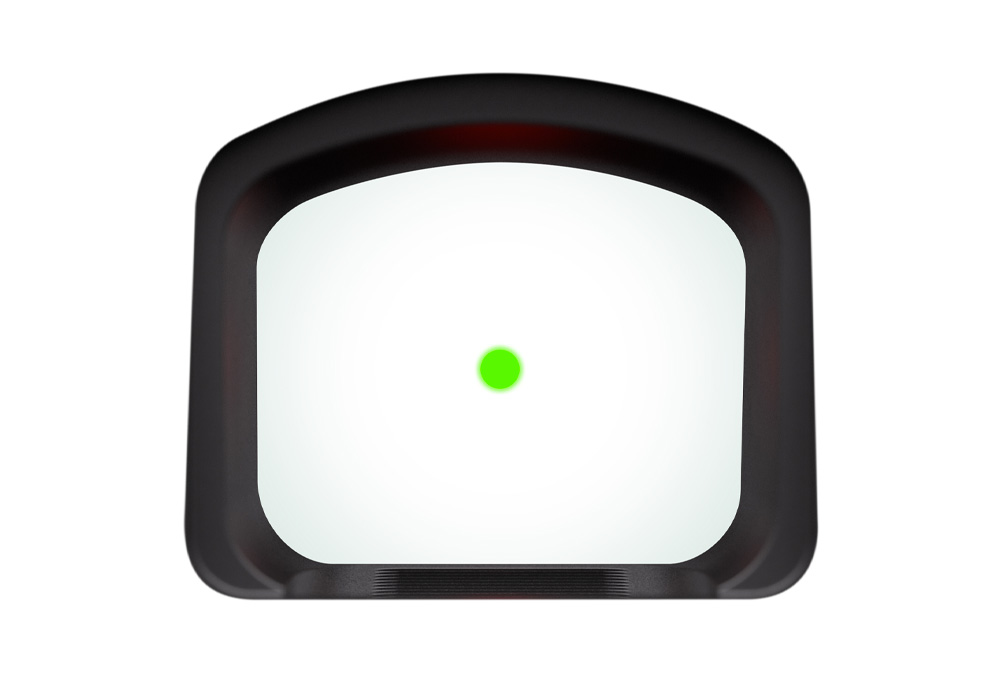
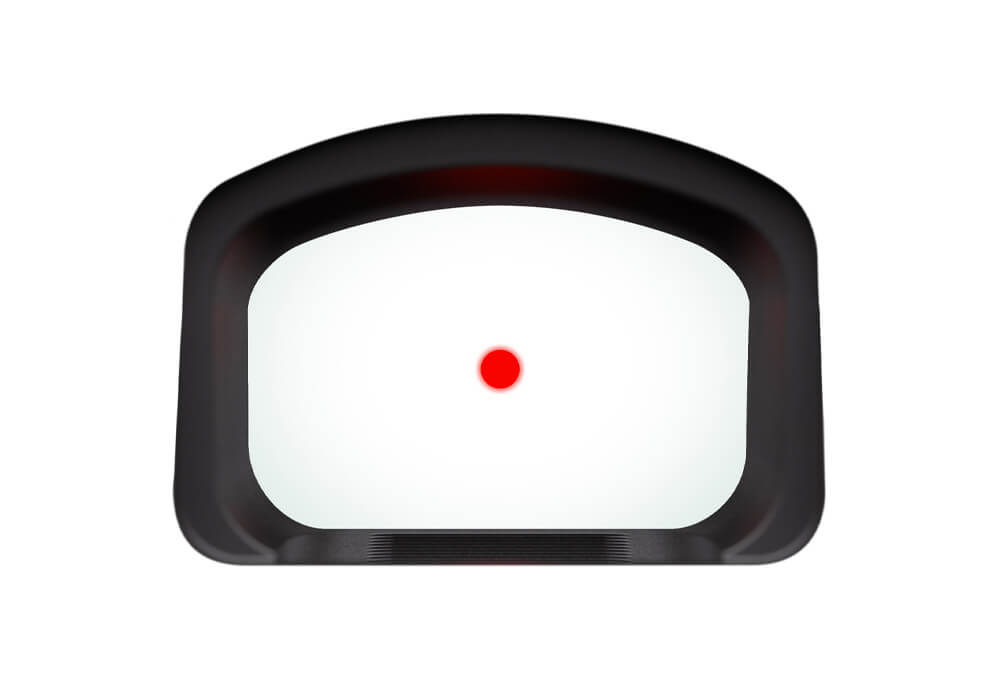
Everyday carry package reflex sights bring a compact aiming solution to pistols selected for concealed carry, personal protection, training, and practical daily use. Their small profile helps preserve the balance and handling qualities that people expect from a carry handgun, while the illuminated aiming point can provide a clear reference during a hurried presentation from a holster. Instead of aligning a front sight and rear sight through several separate visual points, the shooter can focus on placing the illuminated reticle where the target needs to be, while keeping both eyes open and maintaining awareness of the surrounding area. This style of optic can be especially useful for people whose eyesight or near-focus has changed over time, although every shooter should spend time confirming that the reticle appears crisp, stable, and easy to track. A reflex sight is not a substitute for safe handling, a secure holster, regular practice, or sound judgment. It is one part of a complete carry setup that may include a properly fitted handgun, a holster that fully protects the trigger guard, a sturdy belt, suitable ammunition, and a training plan that reflects real-world needs. During the cooler months, when layered clothing can alter the way a pistol is presented from concealment, practice should include the garments and equipment used in daily life. A carefully selected sight can support a consistent presentation, but the shooter remains responsible for knowing the equipment, identifying a safe direction, and following all applicable laws and range rules.
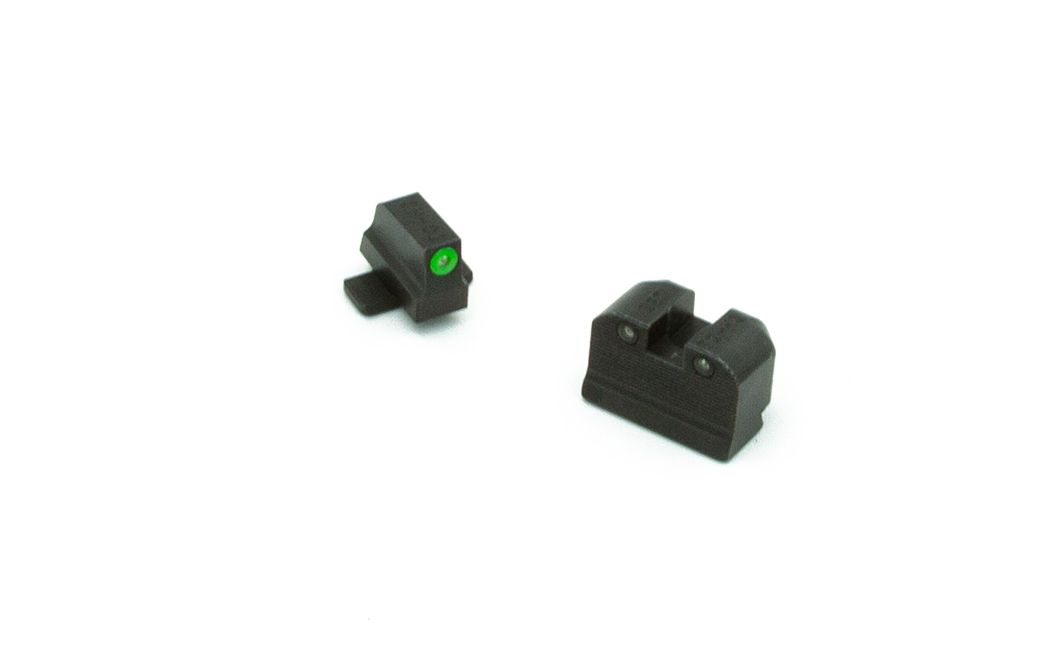
Fit is the first purchase consideration. Reflex sights use different mounting patterns, often called footprints, and the pattern must match the cut on the pistol slide or work with a verified adapter plate. A sight that looks ideal on the shelf may not install directly on a particular handgun, so check the pistol manufacturer’s specifications, the slide configuration, the optic’s mounting pattern, screw dimensions, and any required plate before ordering. Height also matters. A low-profile optic may allow standard iron sights to remain visible through the window, a setup commonly known as co-witnessing, which gives the shooter a familiar backup reference if the electronic aiming point is not visible. Some carry pistols and sight combinations require taller iron sights, while others provide a clear view of the existing sights. Open-emitter optics generally offer a broad window and a light, streamlined form, but the emitter is exposed to lint, dust, rain, and residue that can collect during daily carry. Enclosed-emitter optics shield the projector inside a housing, which can be appealing for people who carry close to the body, spend time outdoors, or want fewer exposed surfaces to inspect. Neither format is automatically right for every person; the best choice depends on the handgun, holster, clothing, environment, maintenance habits, and preferred sight picture. A complete package can be a thoughtful gift for an experienced shooter who has already selected a compatible pistol, but gift buyers should confirm the exact model and slide cut rather than relying on appearance alone. If the optic is intended for a concealed carry handgun, browsing Concealed Carry Pistols Reflex Sights can help keep the search focused on compact configurations suited to daily carry.
Battery management and controls deserve equal attention. Look for a clearly visible reticle, practical brightness settings, and controls that can be operated without shifting the firing grip more than necessary. Automatic brightness adjustment can be convenient when moving between shade and sunlight, while manual settings give the shooter more direct control. Motion-activated wake features can help conserve power while keeping the sight ready after it senses movement, but the optic should still be checked as part of every carry routine. Battery life varies with brightness, reticle use, temperature, and storage conditions, so establish a replacement schedule instead of waiting for a dim or flickering reticle. Inspect the battery compartment, lens, mounting screws, and housing at regular intervals, and confirm the fasteners remain secure according to the manufacturer’s instructions. After installation, the sight needs to be zeroed from a stable position at a suitable range, then verified again after practice and any change to the mounting hardware. Begin with slow, deliberate presentations before working toward faster repetitions, and practice locating the reticle without hunting for it inside the window. A few minutes of dry practice with an unloaded pistol, in a safe area and under appropriate supervision, can reveal issues with grip, wrist angle, clothing, or holster position before live-fire practice begins. Keep the lens clear with appropriate cleaning materials, avoid harsh tools, and store the pistol and optic in a secure location away from unauthorized users. Whether selected for a first optic, a refined daily carry setup, or a considerate gift for a trained shooter, an everyday carry reflex sight should support dependable handling, straightforward maintenance, and a repeatable aiming process through changing light and conditions.