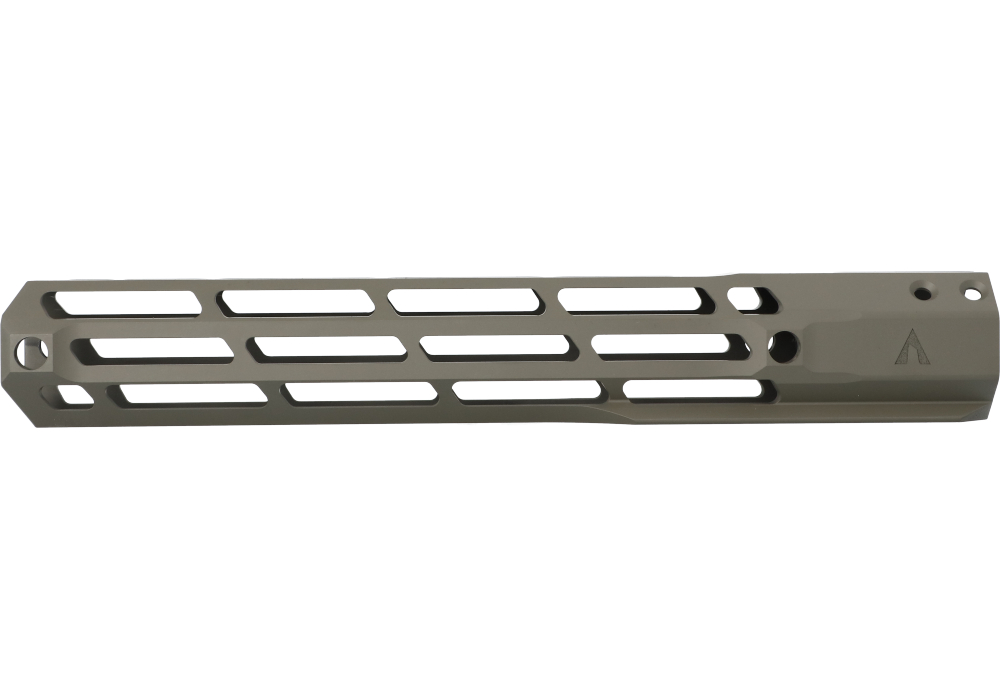
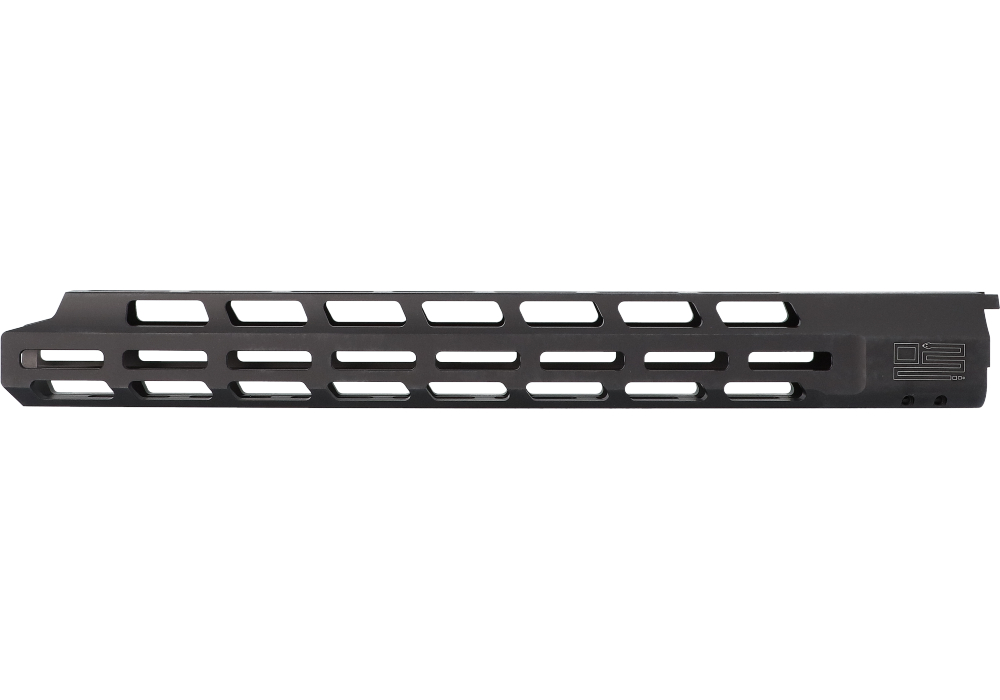
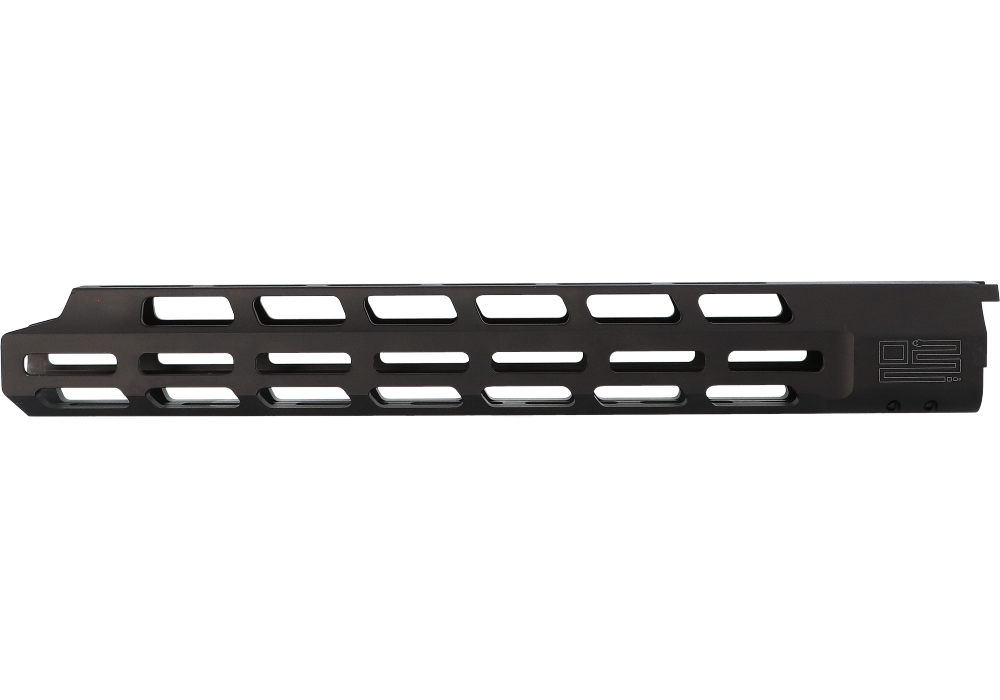
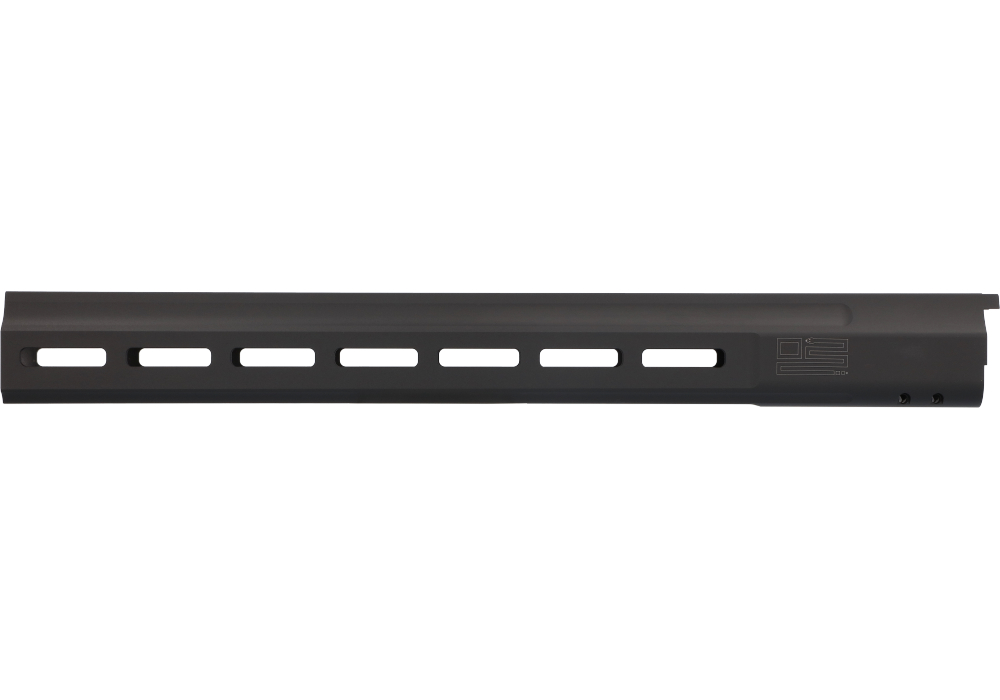
Exclusive handguards bring distinctive design, purposeful performance, and a more personalized look to a compatible firearm build. Unlike a basic replacement component, an exclusive handguard may feature artistic machining, skeletonized patterns, refined contours, contrasting finishes, or other details that set a build apart while preserving the practical role of protecting the shooter’s support hand from barrel heat. These handguards are commonly selected for modern sporting rifles, including AR-15 and AR-10-style platforms, as well as other compatible configurations, but fitment should always be confirmed before purchase. Start by identifying the firearm platform, upper receiver pattern, barrel length, gas system, and barrel nut requirements. A handguard designed for one platform may not work with another, even when the overall appearance seems similar. Length matters as well: a short handguard can leave more of the barrel exposed and keep the front end compact, while a longer handguard can offer additional support-hand placement and a broader area for mounting accessories. The correct choice should align with the intended setup rather than appearance alone. For a streamlined selection focused on protective design and practical fit, shoppers may also find value in exploring Secure Handguards.
The mounting system is another important consideration when comparing exclusive handguards. M-LOK slots, Picatinny rail sections, and hybrid layouts each provide different ways to attach a light, sling mount, hand stop, bipod, or other compatible accessory. A clean, lightly accessorized build may benefit from a handguard with integrated mounting points that keep the exterior smooth and reduce unnecessary bulk. A rifle configured for training, competition, property use, or range sessions may call for more flexible attachment space, especially if accessories are adjusted frequently. Weight also deserves careful attention. Skeletonized aluminum designs can reduce front-end heft while preserving a rigid structure, and carbon fiber construction can offer an especially light feel for minimalist or competition-oriented setups. The lightest option is not automatically the best option for every shooter, however. Consider how the firearm is carried, how often it is fired, the accessories that will be installed, and whether a little additional material may provide a more substantial feel during handling. Heat management is equally relevant. During extended range sessions, the handguard should provide an appropriate barrier between the support hand and the barrel while allowing adequate airflow around the barrel and gas system. Textured surfaces, ventilation cuts, and carefully shaped contours can improve handling when wearing gloves or shooting during the warmer part of the year. Finish and appearance are personal choices, but they can also influence care requirements; a durable coating and routine inspection help preserve the handguard through changing conditions, transport, and regular use.
Exclusive handguards appeal to a wide range of firearm owners because they combine function with individual expression. A shooter refining a first custom build may choose a distinctive pattern to establish a visual theme, while an experienced enthusiast may use a specialized handguard to complete a lightweight setup or refresh an older configuration. They can also make a thoughtful gift for a responsible adult who enjoys firearm maintenance, customization, and time at the range, provided the recipient’s platform and fitment specifications are known in advance. When selecting one as a gift, avoid guessing based only on appearance. Confirm the receiver pattern, barrel nut system, desired length, mounting interface, and clearance around the gas block. Installation may require removing the existing handguard, aligning the barrel nut, checking gas system clearance, and applying manufacturer-specified torque. Anyone unfamiliar with these steps should consult a qualified gunsmith or experienced professional rather than forcing parts into place. After installation, verify that the handguard is secure, accessories are properly mounted, and controls remain unobstructed. A careful inspection before each use is good practice, particularly after transport or heavy firing. During cooler months, gloves and layered clothing may change the preferred grip and accessory placement; as the weather warms, ventilation, heat protection, and comfortable handling become more noticeable. By balancing platform compatibility, length, material, mounting options, weight, finish, and installation requirements, shoppers can choose an exclusive handguard that looks distinctive, supports the intended setup, and remains practical for training, recreation, competition, or responsible range use.