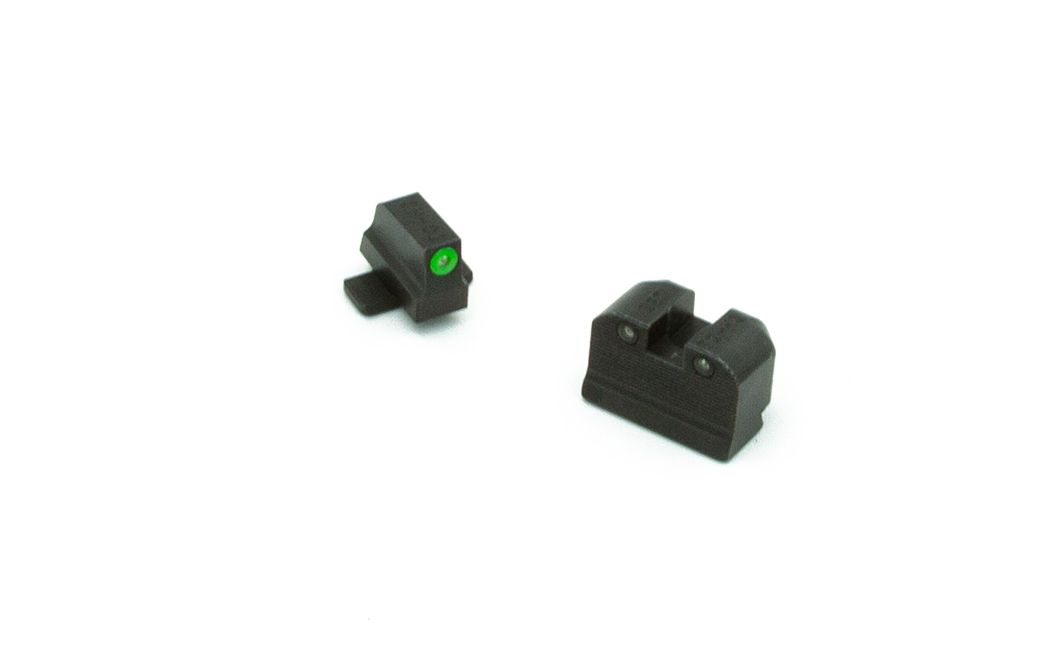
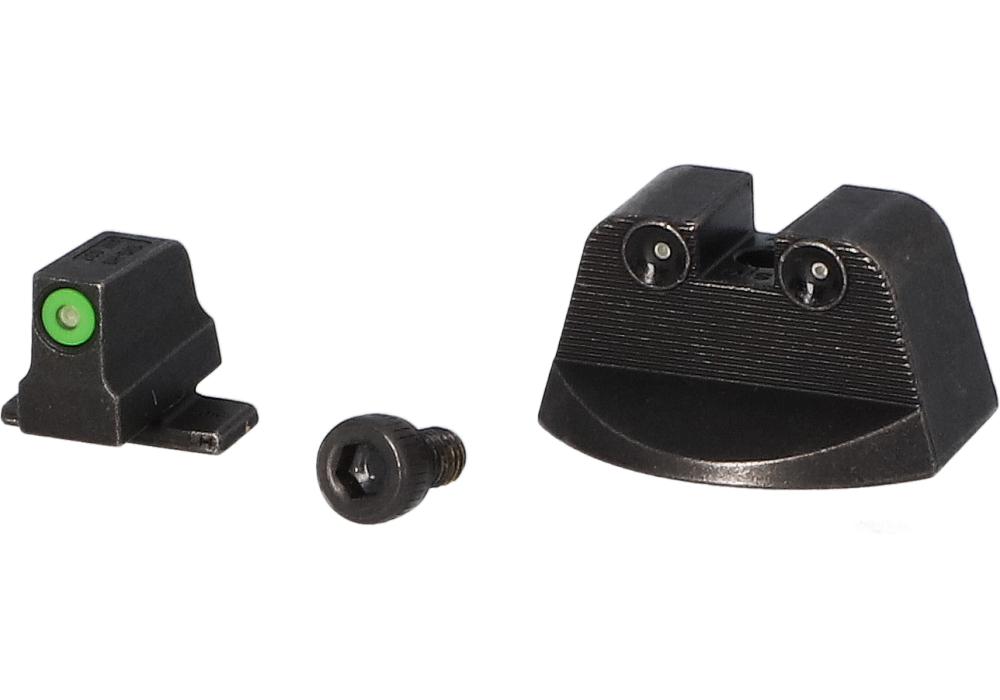
Fiber optic front sights bring a practical touch of modern visibility to a category of firearms often valued for its history, craftsmanship, and character. A slender fiber optic rod gathers available daylight and redirects it toward the shooter as a bright, distinct aiming point, helping the front post stand out against varied backgrounds. For gun collectors, that feature can be especially useful when a firearm is more than a display piece and still sees time at the range, during practice, or on an outdoor trip. A well-preserved pistol, revolver, shotgun, or rifle may spend most of its life in a case, yet many collectors enjoy taking selected pieces out for careful handling and measured shooting. In those situations, a fiber optic front sight can make the sight picture easier to acquire without changing the firearm’s overall purpose or appearance more than necessary. Sight color, post shape, height, and width all affect the way the front sight appears to the eye. A bright contrasting color may be easy to pick up against a dark target or wooded backdrop, while a narrower post can offer a more precise sight picture for deliberate shooting. Fiber optic sights are generally most effective in daylight and should not be treated as a replacement for a properly illuminated low-light sighting system. They are best considered as one part of a complete setup that matches the firearm, the intended use, and the conditions in which it will be handled.
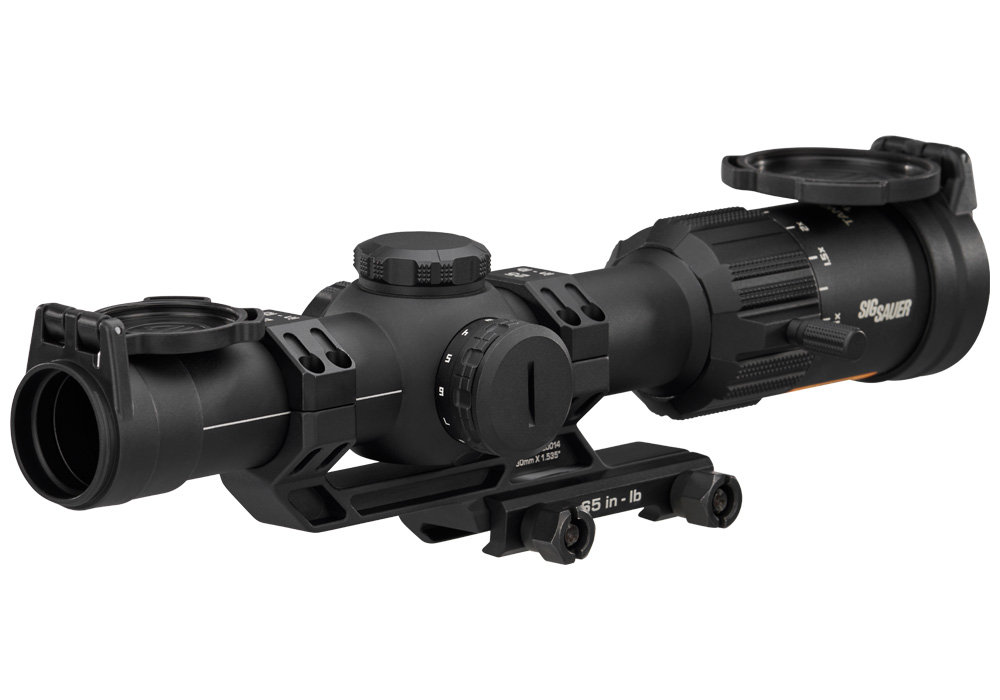
Collectors typically divide their firearms into two broad groups: pieces preserved as close to original condition as possible and user-grade collectibles selected for regular shooting. The distinction matters when considering a replacement front sight. A rare, historically significant, or exceptionally well-preserved firearm may be more valuable with its original parts intact, and even a seemingly small sight change can affect originality, collector appeal, or future resale. For that type of firearm, keeping the original sight labeled and safely stored may be just as important as selecting the replacement. A reversible installation is often preferable, particularly when the new sight fits an existing dovetail, pin hole, ramp, or other factory provision without permanent cutting, drilling, or refinishing. Fit is the first purchase consideration: confirm the firearm’s exact make, model, generation, barrel configuration, and existing mounting pattern before ordering. Two firearms that appear nearly identical may use different sight heights or attachment methods, and the wrong height can shift the point of impact even when the sight installs securely. Collectors should also consider the original sight’s profile, the available clearance in a holster or case, the finish of the surrounding metal, and whether the replacement complements the firearm’s period-inspired appearance. Installation may require a sight pusher, properly sized punches, or careful elevation and windage adjustment; when the firearm is valuable or the fit is uncertain, a qualified gunsmith can help protect both the part and the firearm. Always verify that the firearm is unloaded, follow safe handling practices, and confirm zero in a controlled setting after any sight work. For collectors who enjoy comparing sighting systems across different platforms, compact electronic options are another category to explore, including Compact Optics for AR Pistols, though those optics serve a different role than a traditional fiber optic front sight.
Fiber optic front sights can also be a thoughtful gift for a collector who spends as much time maintaining and shooting firearms as arranging them in a safe. They suit the enthusiast who keeps a favorite revolver ready for range sessions, the hunter who values a visible front bead on a classic field gun, or the family member restoring a well-used firearm for responsible recreational use. A sight-related gift is most successful when it respects the recipient’s preferences, so details such as the exact firearm model, preferred sight color, installation style, and desire to preserve original parts are worth confirming before purchase. Some collectors prefer a traditional ramp or blade appearance with a subtle fiber optic insert; others want the brightest possible aiming point and a highly visible profile. Outdoor lighting can change from open sunlight to shade beneath a tree line, and a sight that looks exceptionally bright in one setting may appear less pronounced in another. During the warmer seasons and through the cooler months, the same firearm may be used in different environments, making durability, secure retention, corrosion resistance, and compatibility with the owner’s storage routine important considerations. A properly chosen front sight should remain firmly seated, resist ordinary handling wear, and provide a consistent reference without distracting from the rest of the sight picture. For a collector, the best choice is rarely the most elaborate option; it is the one that fits correctly, supports the intended use, preserves the firearm’s story when possible, and feels natural each time the gun is brought from its case to the firing line. With those factors in mind, this selection of fiber optic front sights offers a practical way to compare replacement and upgrade options for collectors who want improved daylight visibility while continuing to respect the craftsmanship and history of the firearms they own.