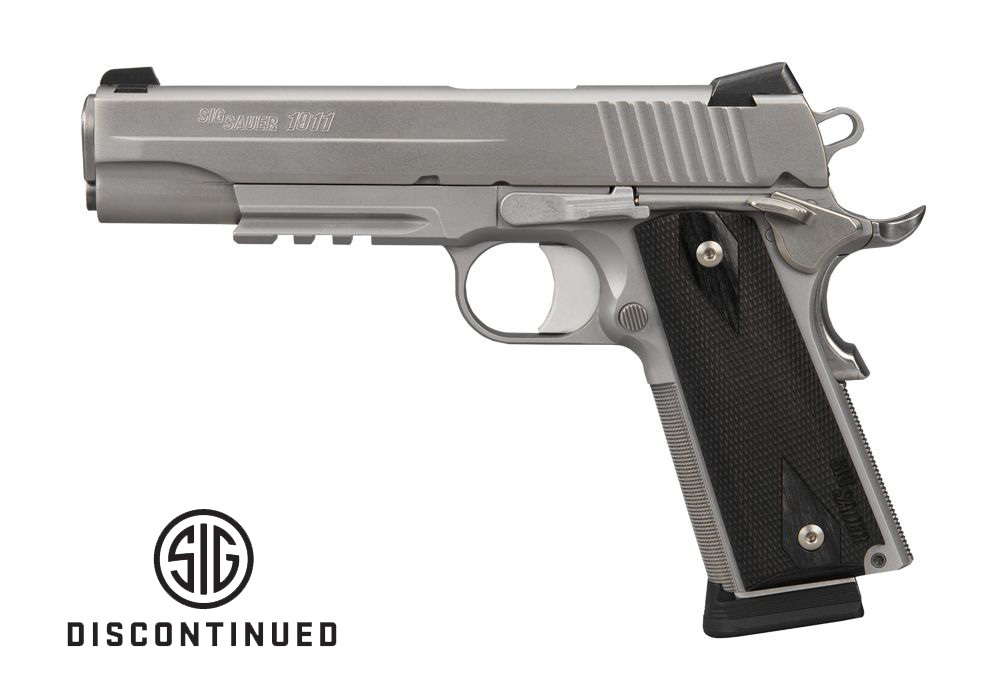
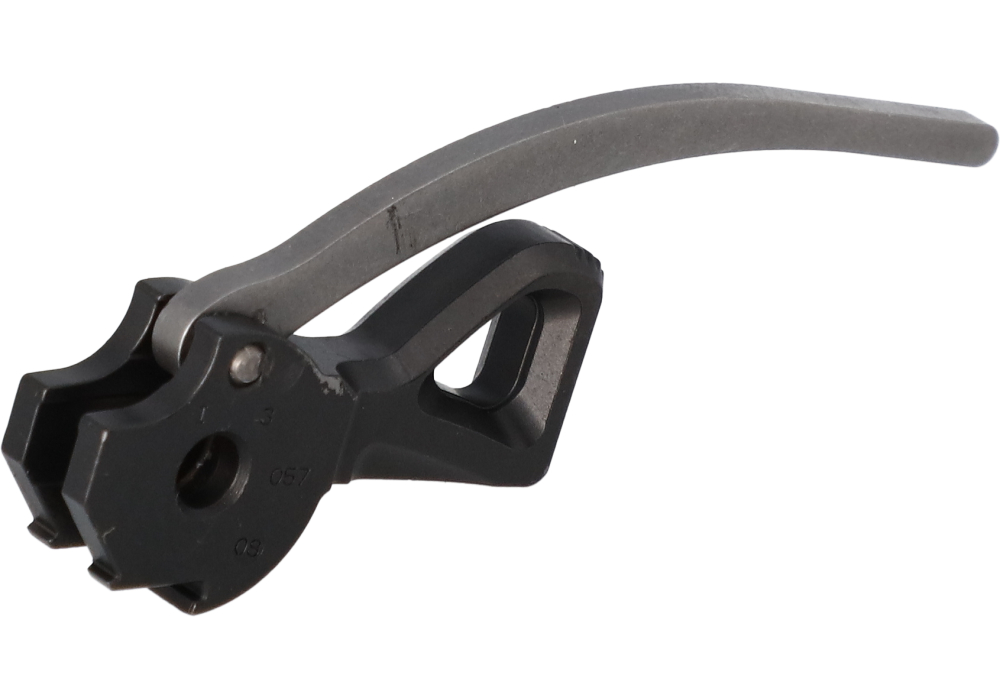
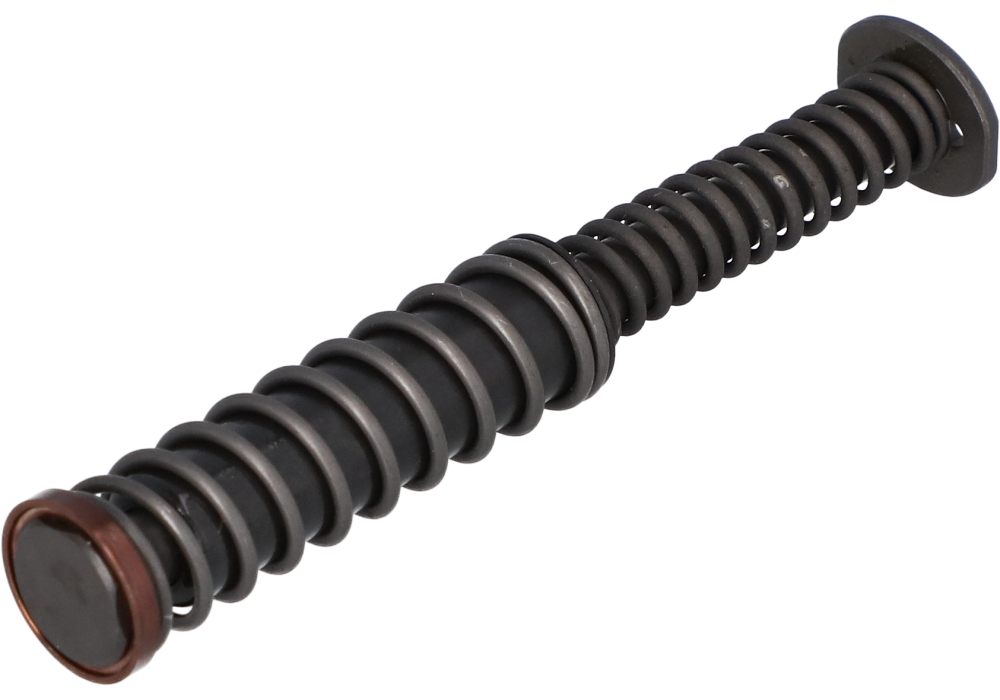
Firearm hammer assembly parts are precision components designed to support the controlled operation of a hammer-fired firearm. The hammer is the moving part that stores and releases mechanical energy, striking a firing pin or contacting the primer through the firearm’s designated ignition system. Depending on the design, a hammer assembly may include the hammer body, hammer pin, hammer spring or mainspring, hammer strut, and related retaining hardware. Some assemblies also work in coordination with sear engagement surfaces, a disconnector, and other internal controls that help the firearm cycle as intended. Because these parts interact closely, replacing one component can affect the relationship between the hammer, trigger, sear, and safety mechanisms. A replacement hammer assembly should always be selected for the exact firearm make, model, generation, operating system, and configuration. Even parts that look nearly identical can differ in dimensions, geometry, spring tension, surface treatment, or engagement points. Before ordering, compare the firearm’s markings and owner’s manual with the product details, and check whether the item is intended as a complete assembly or as an individual replacement component. Clear photographs can be useful for initial comparison, but they should not replace verified specifications. When a firearm has seen extensive use, it can also be sensible to inspect adjacent wear points rather than replacing a single visibly worn part without considering the surrounding mechanism. Springs may lose tension over time, pins may show uneven wear, and engagement surfaces can develop marks that are difficult to evaluate without the proper tools and experience.
These parts may be useful for a qualified gunsmith, professional armorer, firearm owner maintaining an established collection, or an enthusiast who keeps appropriate replacement components available for a familiar platform. They are also a practical gift for an experienced firearm owner when the exact compatibility details are known; a carefully matched replacement part is far more useful than a generic component selected by appearance alone. Hammer assembly parts can support routine maintenance, restoration of a properly identified firearm, or replacement of a worn or damaged component, but they are not universal accessories. The hammer spring, sometimes called the mainspring, provides the force that drives the hammer forward, while the hammer pin supports the hammer’s pivoting movement within the frame or receiver. A hammer strut, where used, transfers spring pressure to the hammer, and precisely formed engagement notches allow the sear to hold the hammer until the trigger is activated. In repeating designs, the disconnector may help manage the hammer during the firing cycle and prevent the mechanism from operating outside its intended sequence. These relationships make fit and function more important than finish or appearance. During the warmer part of the year, owners may spend more time at the range or outdoors, making it a convenient period to review maintenance supplies and identify parts that should be replaced before the cooler months. A clean work area, good lighting, a parts tray, and the correct manufacturer-approved references can prevent small springs or pins from disappearing into a workshop corner. Any firearm involved in inspection or service should be completely unloaded, with ammunition stored separately, and handled in accordance with the owner’s manual and applicable laws.
When comparing firearm hammer assembly parts, look closely at the stated material, finish, dimensions, included hardware, and intended application. Confirm whether the component is factory specification, designed as a direct replacement, or intended for a particular configuration that may require additional compatible parts. Review return policies and fitment notes before purchase, especially when the firearm has been modified, refinished, or passed through more than one generation of production. A part that fits physically may still be unsuitable if its engagement geometry or spring characteristics do not match the rest of the action. For this reason, trigger pull, hammer engagement, reset, safety operation, and other functional checks should be evaluated by a qualified professional after installation; informal testing or unnecessary alteration of engagement surfaces can create serious safety risks. Owners seeking related maintenance components may also find useful options in Firearm Action Springs Assemblies, particularly when spring wear is being considered alongside hammer wear. Keep replacement parts clearly labeled and stored in a dry, organized container, away from oils or solvents that may attract debris. During the cooler months, when range trips may become less frequent, many owners use the quieter pace to inventory parts, confirm documentation, and arrange professional service for firearms that have been set aside. Selecting the correct hammer assembly part is ultimately about preserving the intended relationship among the firearm’s internal components, supporting reliable operation, and maintaining responsible ownership through careful fitment, inspection, and professional oversight.