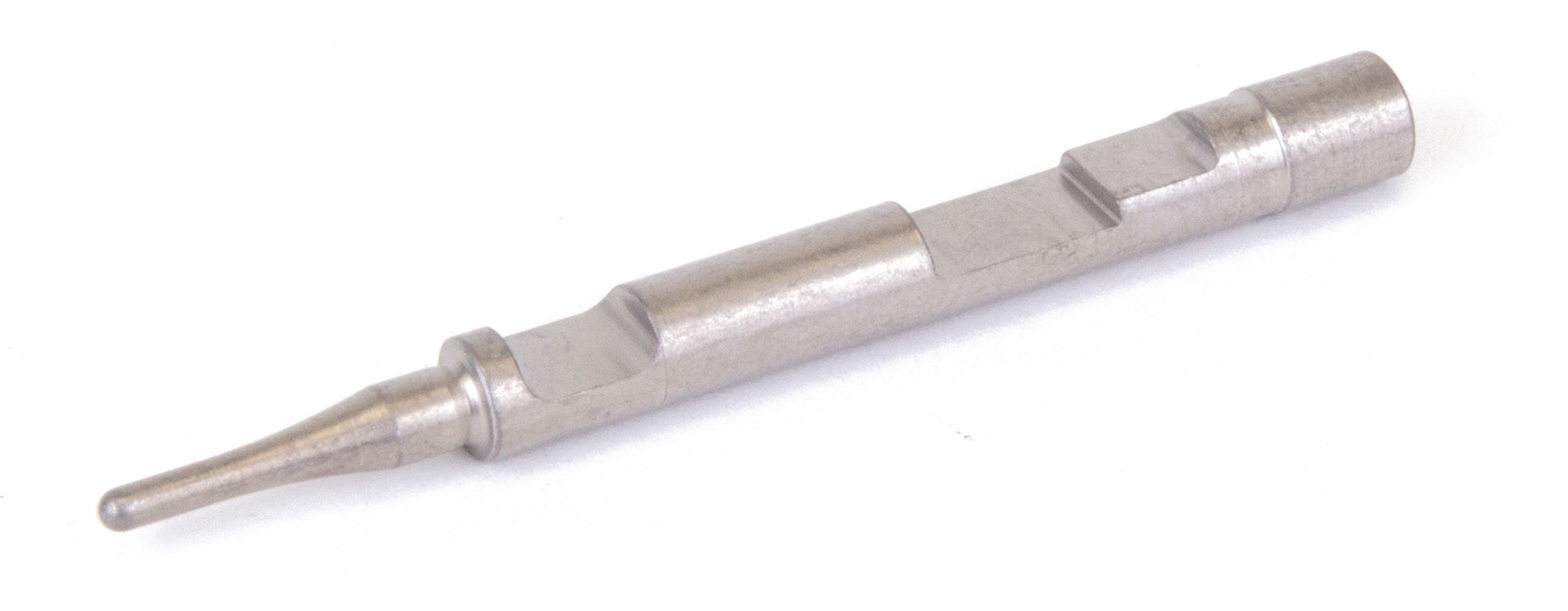
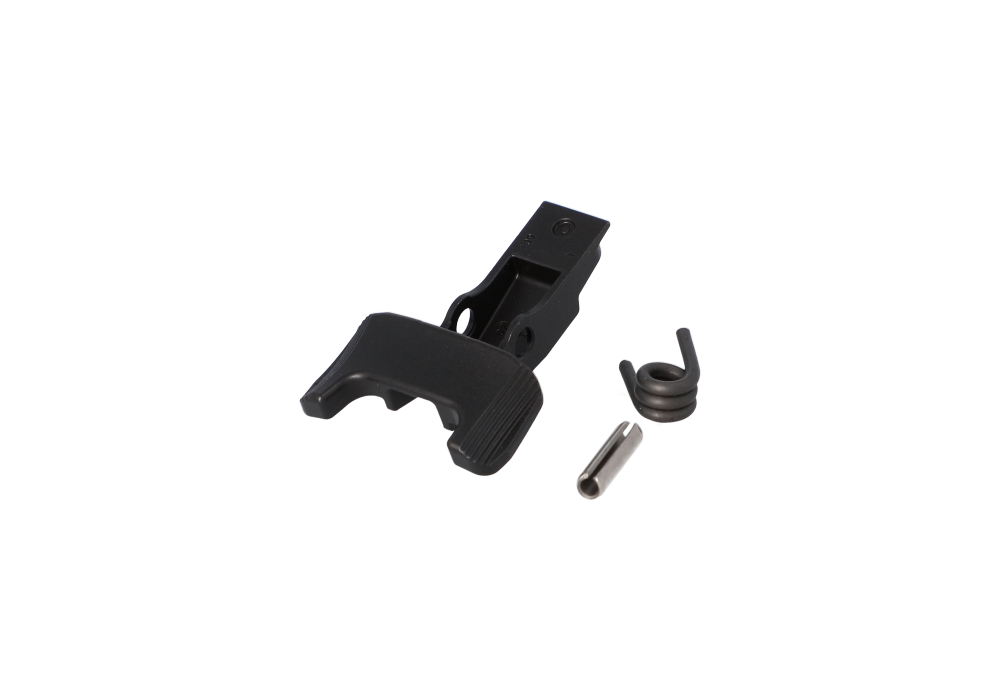
Firearm parts kits with spring pins provide a practical way to keep small, essential components organized for maintenance, repair, replacement, or a compliant firearm build. These kits commonly include the springs, detents, and pins that help secure and control parts throughout a lower or upper receiver, including takedown and pivot pin detents, safety selector detents, buffer retainer components, trigger and hammer springs, disconnector springs, axis pins, and small roll pins used with the bolt catch or trigger guard. Each piece may look modest when placed beside a receiver or other major component, yet a missing detent spring or incorrectly sized roll pin can bring a carefully planned project to a stop. A complete, properly matched kit keeps those small parts together and gives owners a dependable way to replace worn, lost, or damaged hardware without sorting through an assortment of unrelated pieces. These kits can be useful for experienced builders, gunsmiths, competitive shooters, collectors, and owners who perform routine maintenance on compatible firearms. They also make a thoughtful gift for someone who enjoys careful bench work, range preparation, or keeping a dedicated spare-parts drawer ready for the next project. During the cooler months, when more time may be spent indoors cleaning, inspecting, and organizing equipment, a compact kit can be a welcome addition to a workbench or range bag. As with any firearm component, safety comes first: unload the firearm completely, remove all ammunition from the work area, verify the chamber and magazine well are clear, and follow the owner’s manual and applicable laws before beginning any work. If a task involves uncertainty, unusual resistance, damaged components, or a function that affects safe operation, consult a qualified gunsmith rather than forcing a part into place.
Compatibility is the most important consideration when selecting firearm parts kits with spring pins. Parts that appear similar may differ in diameter, length, spring tension, head profile, finish, or intended receiver configuration, and even a small variation can affect fit and function. Start by identifying the firearm’s exact make, model, generation, operating system, and receiver configuration. Confirm whether the kit is intended for the specific platform and whether it supports a standard or extended capacity configuration where applicable. Product descriptions should clearly identify the included components and their intended locations, while dimensional information can be especially helpful when replacing a single lost pin or spring. It is also worth checking whether the kit covers the complete group of related hardware or only a particular section, such as trigger and hammer hardware, retention and detent parts, or roll pins. Matching components as a set can simplify installation because the springs and pins are selected to work together, while a spare kit offers reassurance when a tiny part disappears beneath a workbench, falls into a carpeted room, or gets misplaced during cleaning. Keep a small magnetic tray, labeled containers, or a light-colored shop towel nearby; these simple habits make it easier to identify each spring and prevent it from vanishing among tools and debris. Owners comparing parts kits may also benefit from reviewing the materials, corrosion resistance, included quantities, and storage packaging, particularly if equipment is used outdoors or stored through changing temperatures. For related ignition-system maintenance, browse Firing Pin Kits and confirm that any component selected matches the firearm before purchase or installation.
A well-organized parts kit supports a more deliberate maintenance routine. Before installation, compare the replacement pieces with the original components, inspect the receiver and surrounding parts for burrs or damage, and use only the tools and procedures recommended for the firearm. Springs should be seated in their proper orientation, detents should be controlled during installation so they do not launch across the room, and roll pins should be started squarely with an appropriate punch rather than driven at an angle. Protecting the finish around the work area with a mat or soft cloth can prevent unnecessary marks, while good lighting makes it easier to see whether a spring is fully seated or a pin is protruding farther than intended. After assembly, perform the manufacturer-recommended safety and function checks without ammunition present, including checking controls, takedown or pivot pin engagement, trigger reset, and the secure fit of any related components. A function check is not a substitute for professional inspection when the work involves uncertainty or a critical operating component. Many owners keep one kit in a home workshop and another with their dedicated firearm supplies so a routine repair does not turn into a long delay. For a first-time builder or a family member who enjoys learning mechanical skills, the kit can be paired with a quality tool set, a parts tray, and an owner’s manual as a practical, useful gift. For an experienced shooter, it can serve as a quiet form of preparedness: the right spring, detent, or pin is available when needed, rather than being discovered missing just before a range day. Selecting the correct kit, storing it in a dry labeled container, and treating each component with the same care given to larger firearm parts helps maintain reliable equipment and a more confident, methodical approach to ownership.