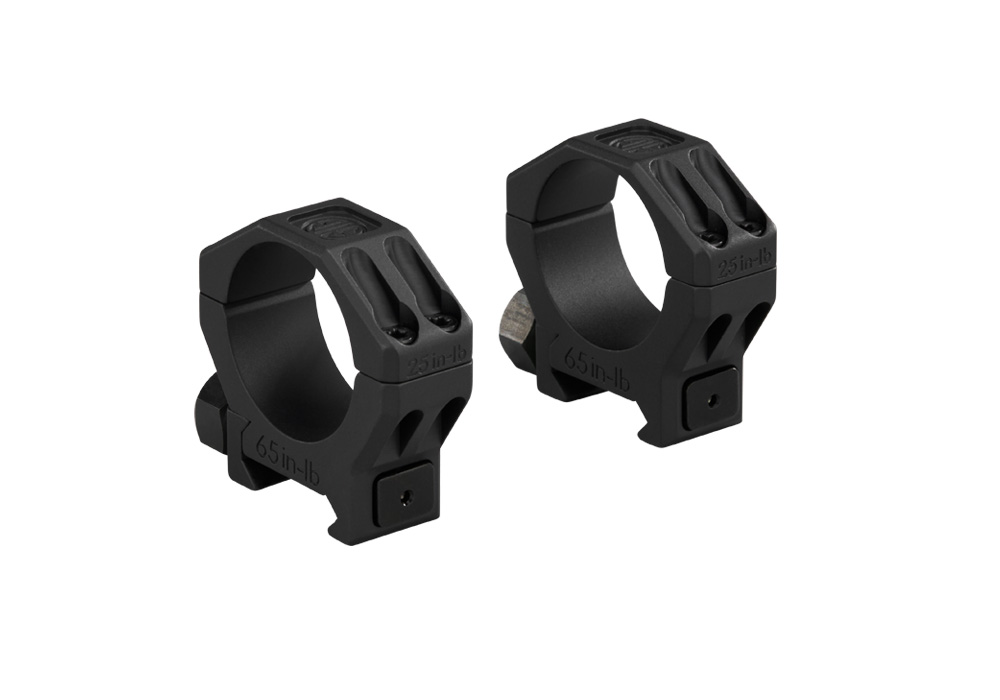
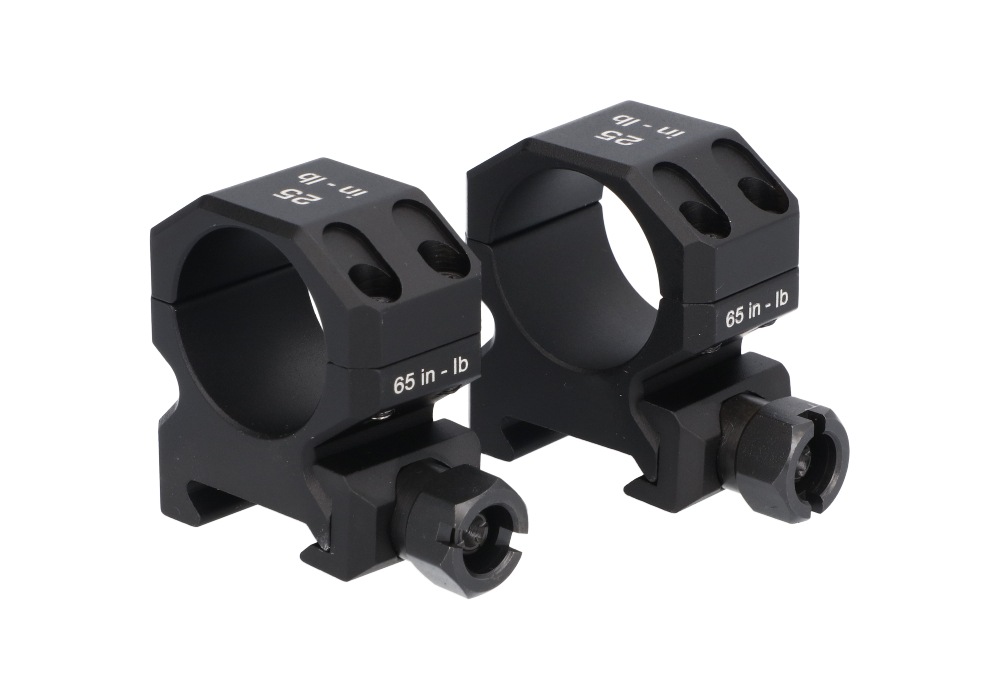
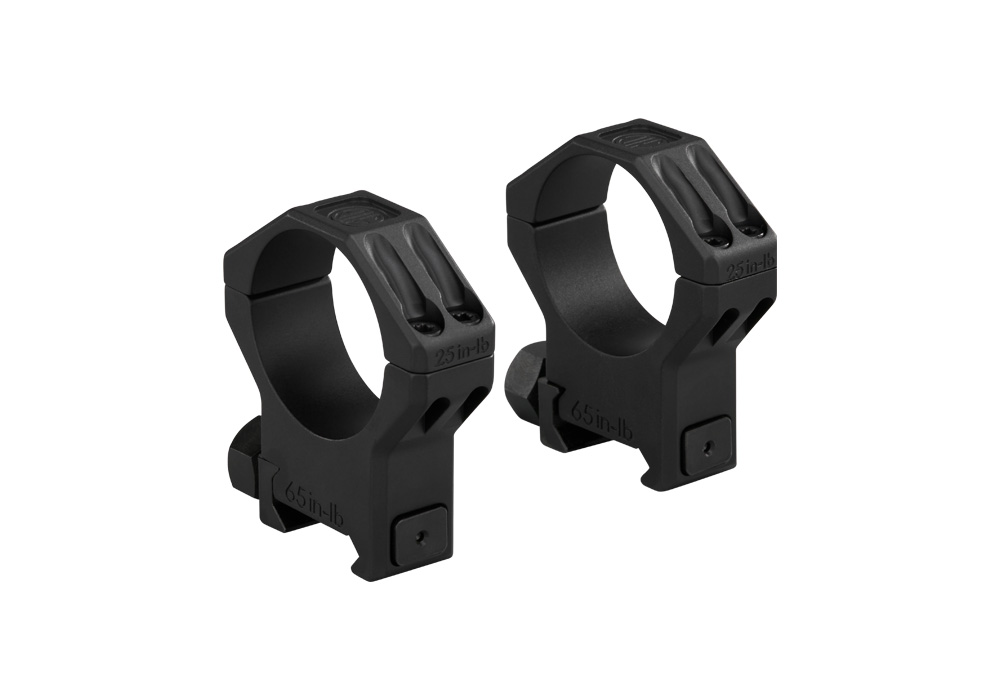
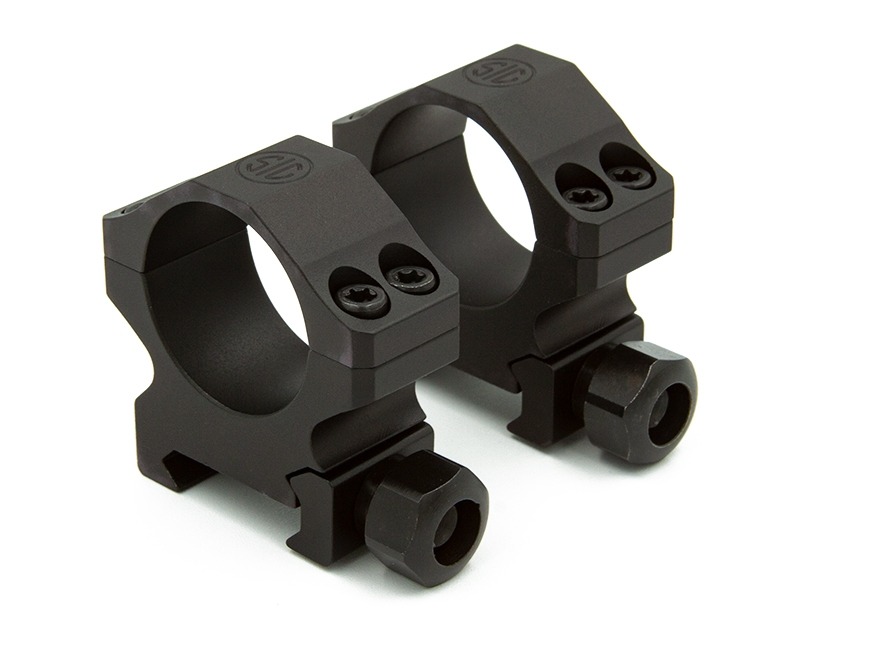
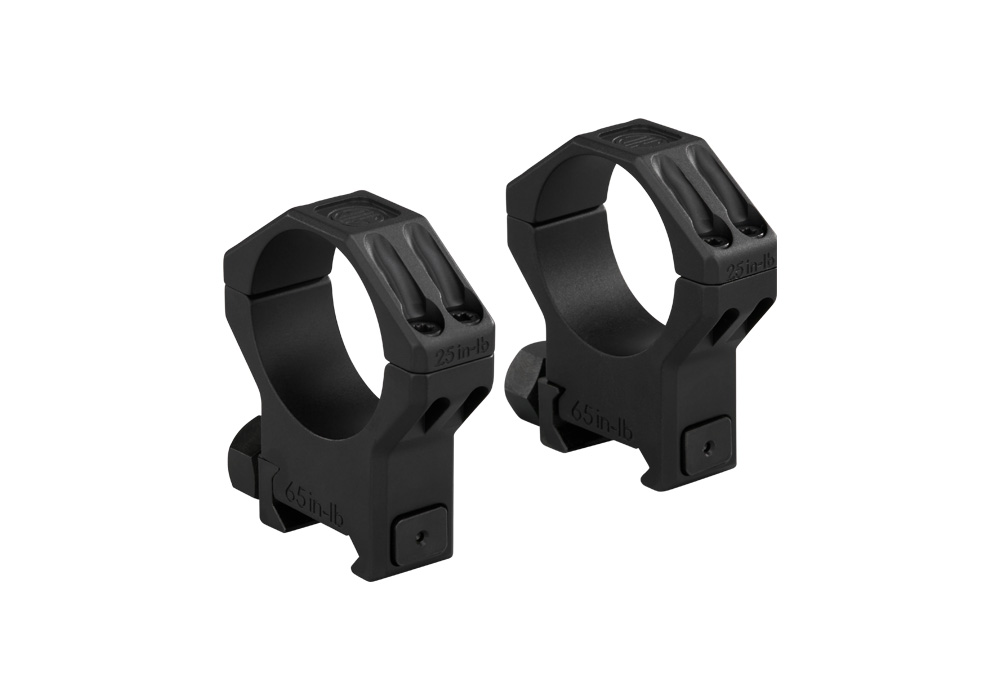
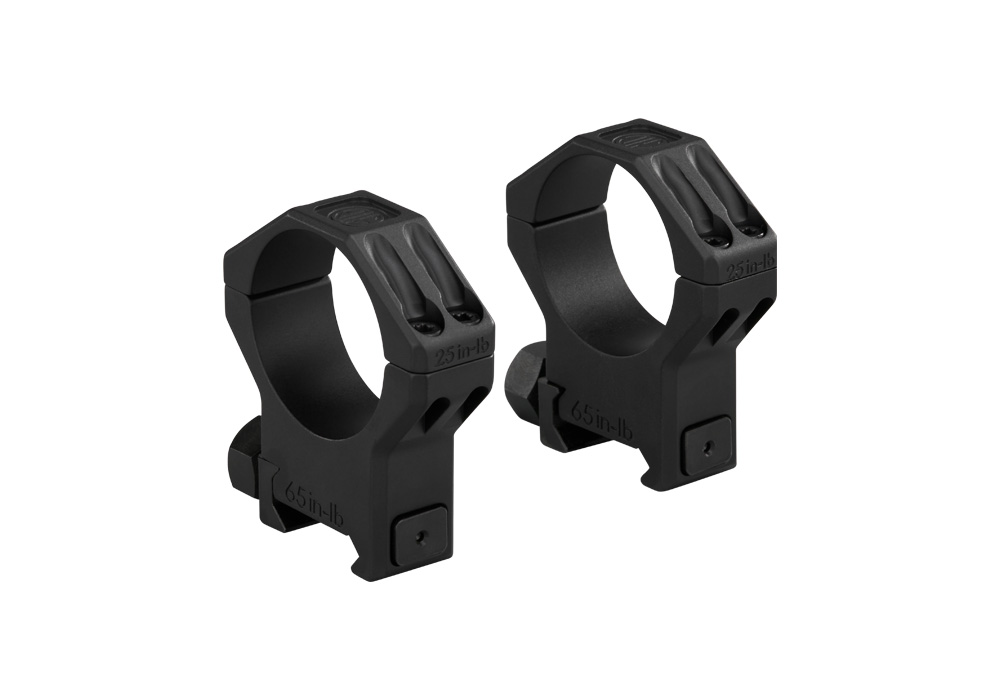
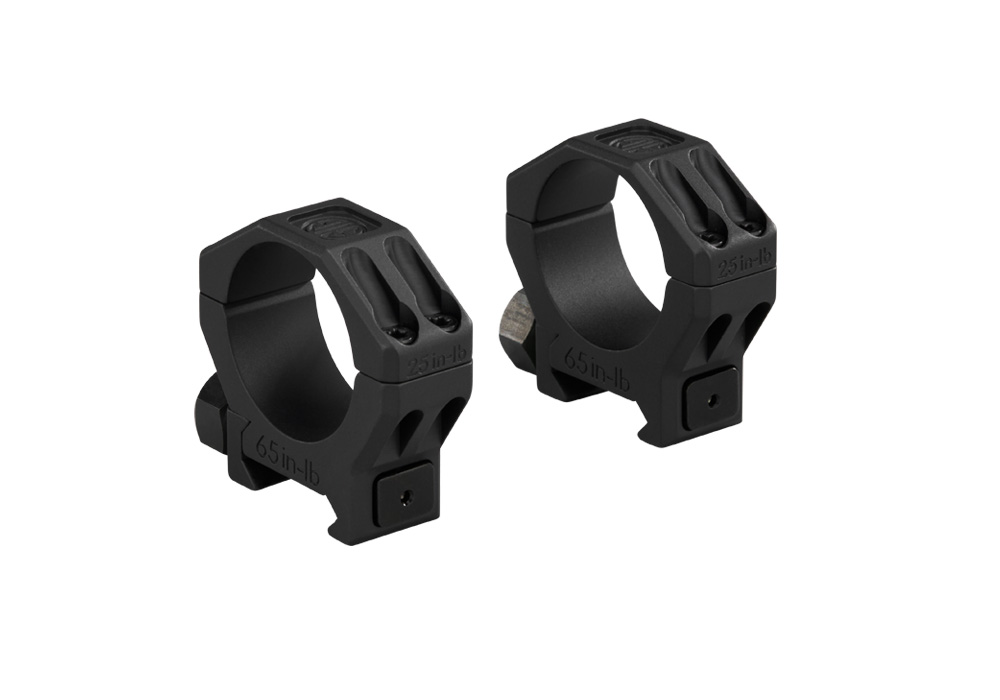
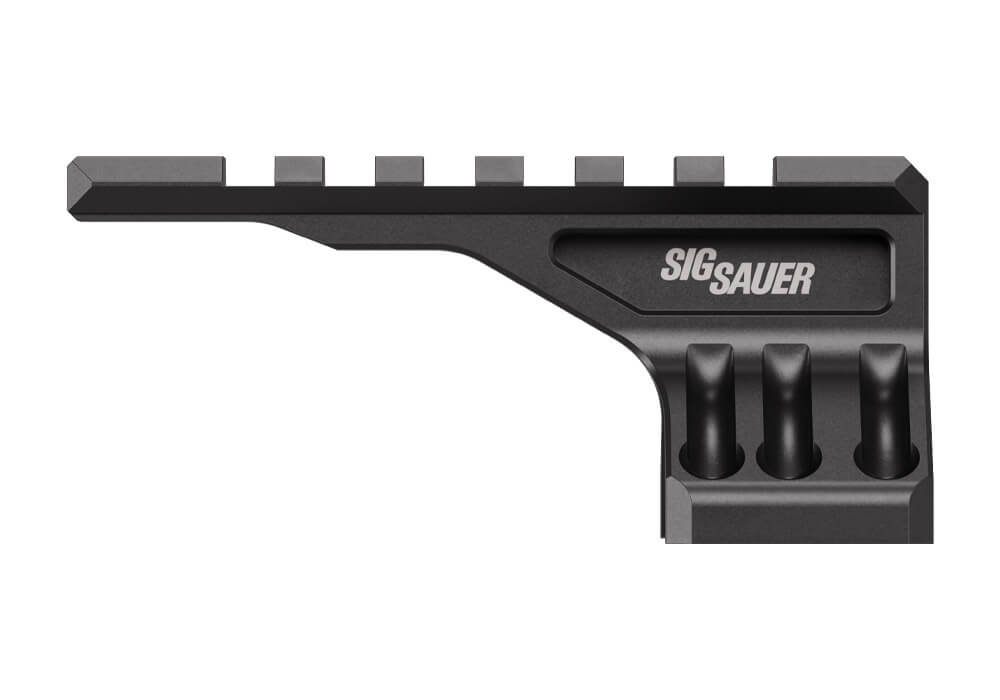
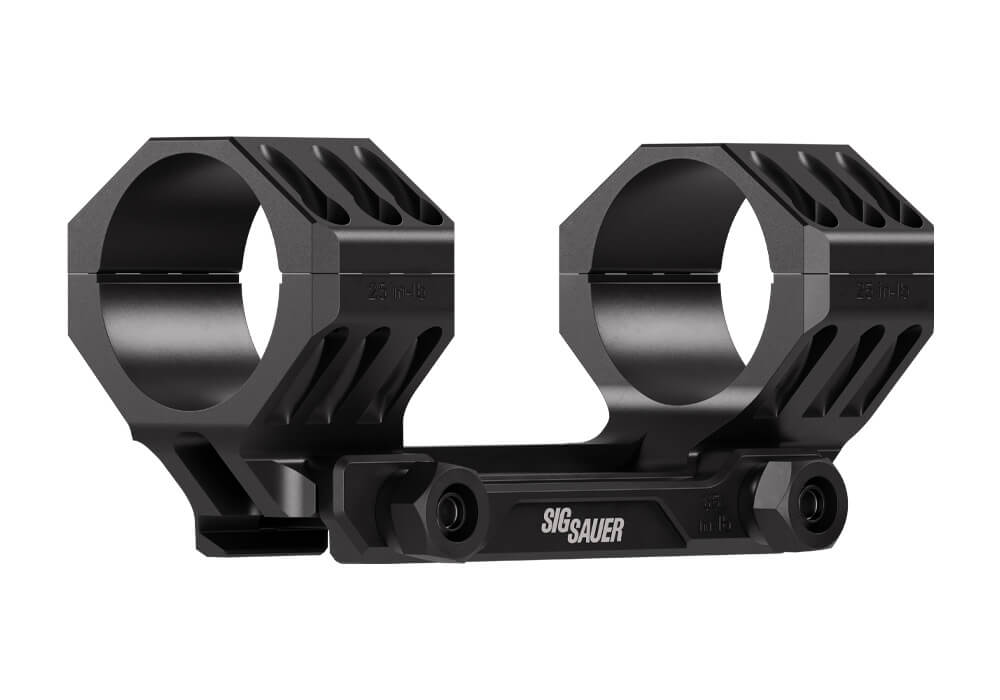
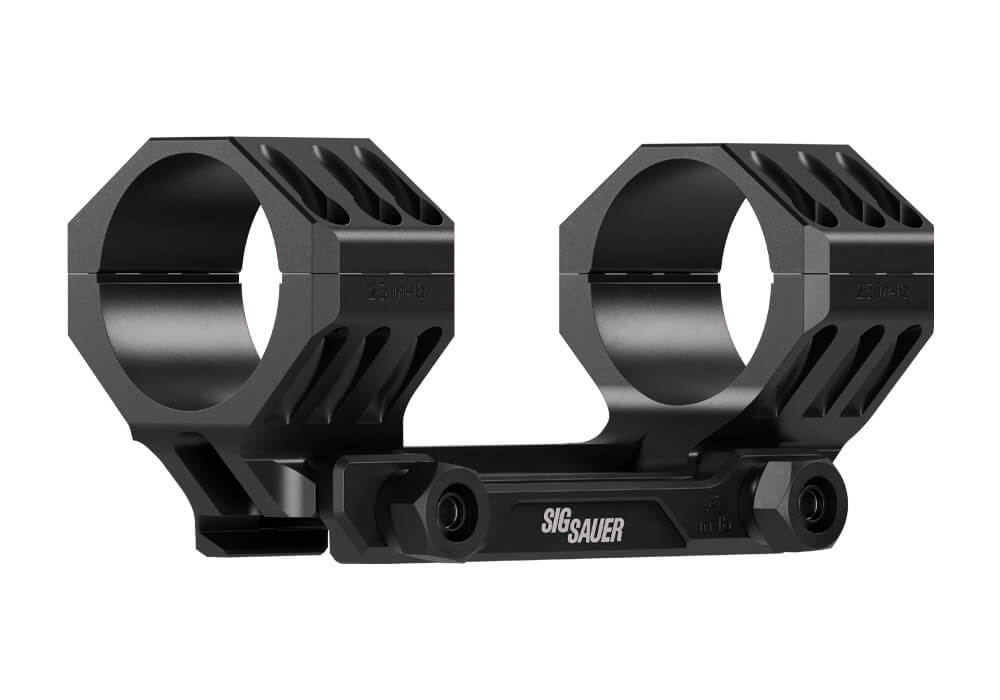
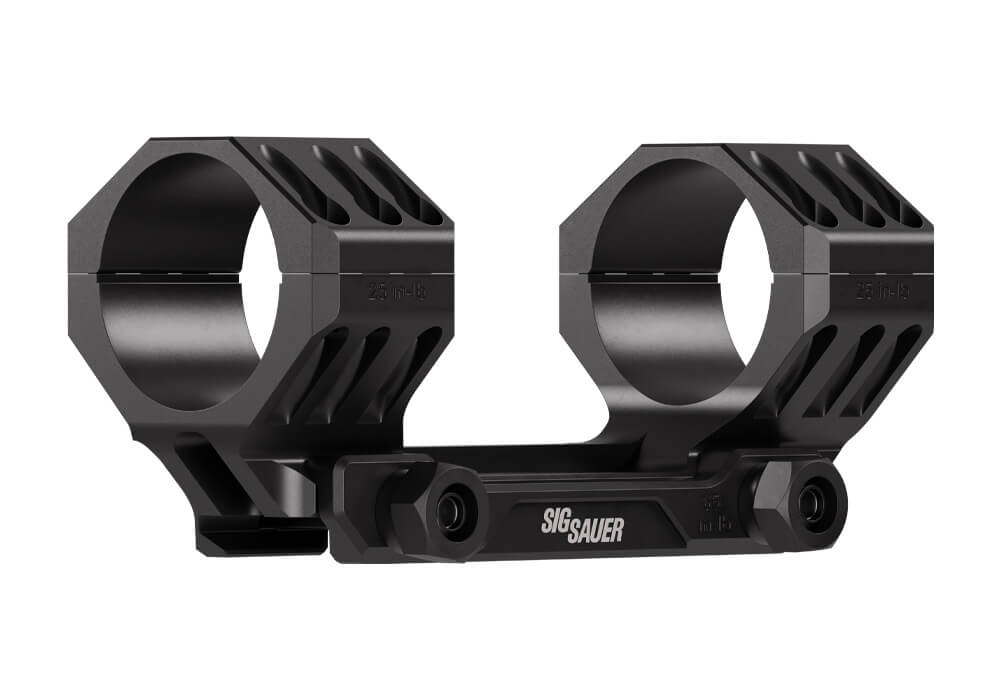
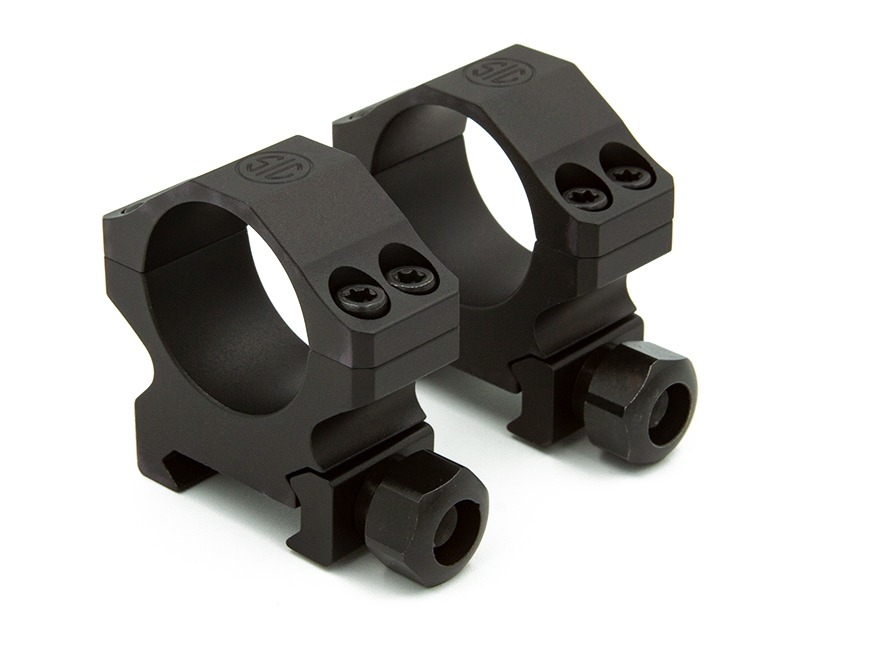
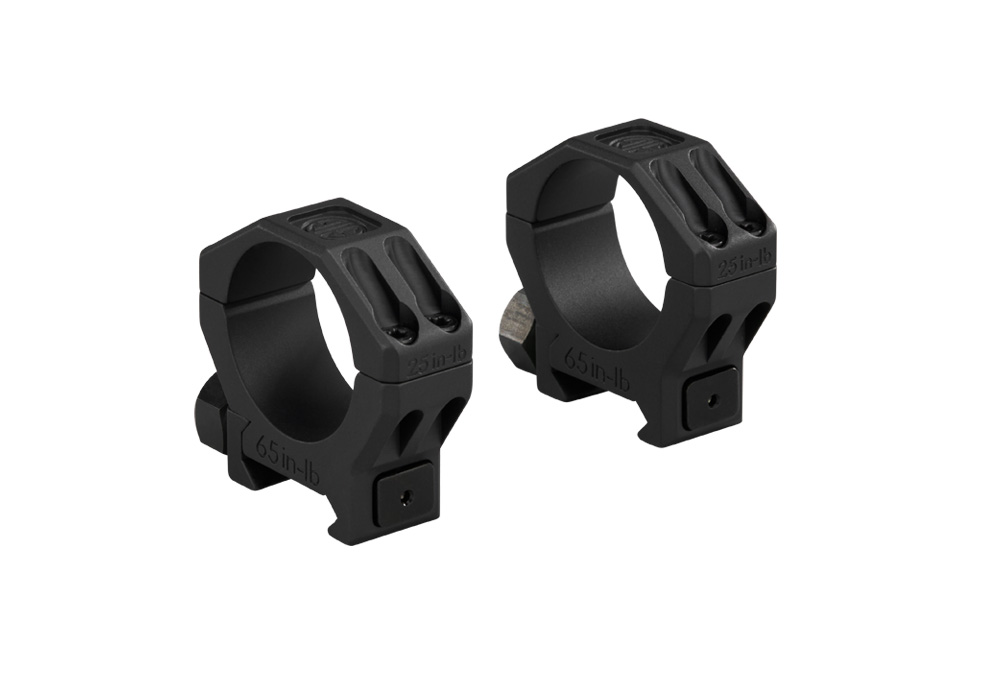
Firearm rings, often called scope rings, are the small but essential components that secure an optic to a rifle or other compatible firearm. A properly selected set helps keep the scope aligned with the bore and supports a consistent zero through normal handling and recoil. Choosing the right rings starts with the scope’s main tube diameter. Common sizes include 1 inch, 30mm, and 34mm, and the rings must match that measurement precisely. A ring that is too small will not fit around the tube, while one that is too large cannot provide the secure grip needed for dependable use. It is also important to identify the mounting system on the firearm. Picatinny rails, Weaver-style bases, and rimfire dovetail mounts use different interfaces, so confirm the rail or base type before placing an order. Product descriptions typically identify the compatible system, tube diameter, and mounting hardware, making those details useful starting points when comparing options. For additional components that support a complete setup, browse Firearm Shooting Parts.
Ring height is another important consideration, particularly when pairing a scope with a large objective lens. Low, medium, and high rings position the optic at different distances above the receiver, and the goal is generally to keep the scope as close to the firearm as practical without allowing the objective bell, barrel, or bolt handle to interfere. A lower position can help create a comfortable cheek weld and a natural sight picture, while a taller option may be necessary when the scope has a larger front lens or when the firearm’s configuration requires additional clearance. Before selecting a height, measure the scope’s objective lens, inspect the rifle’s receiver and barrel profile, and consider the position of the bolt handle or charging mechanism. The overall setup should allow the action to operate freely and the shooter to maintain a steady, repeatable position. Ring construction, clamping method, screw style, and adjustment features also deserve attention. One-piece and paired ring designs each have practical advantages, while quick-detach models can be useful for shooters who regularly alternate between an optic and another sighting system. For rifles used in the field, sturdy hardware and a secure attachment method can help the optic remain properly positioned while the firearm is transported, handled, and fired. Always follow the ring and scope manufacturer’s torque guidance, use the correct tools, and have the installation checked by a qualified gunsmith if you are uncertain about alignment or fit.
Firearm rings can suit a wide range of shooting applications, from hunting and recreational target practice to precision-oriented range work. Hunters may value a setup that maintains a clear sight picture while moving through changing terrain, carrying equipment over uneven ground, or preparing for a shot from a supported position. Target shooters often focus on repeatable alignment, consistent eye relief, and a ring height that complements a carefully adjusted stock and shooting position. New firearm owners may appreciate rings as a practical addition when assembling a first optic-equipped rifle, while experienced shooters may select a new set when upgrading a scope, changing rail systems, or refining an established setup. They can also be a thoughtful gift for a responsible firearm owner, especially when the recipient’s scope diameter and mounting platform are known. If those details are uncertain, a gift card or a conversation about the intended rifle can be more useful than guessing at compatibility. During the cooler months, time spent at the range or outdoors can reveal small fit issues, such as an awkward cheek position, limited bolt clearance, or screws that need inspection after repeated use. Taking a few minutes to review the firearm, optic, rail, and ring specifications together helps prevent mismatched parts and supports a more comfortable, dependable setup. Before installation or maintenance, confirm that the firearm is unloaded, keep the muzzle pointed in a safe direction, and follow all applicable laws, range rules, and manufacturer instructions.