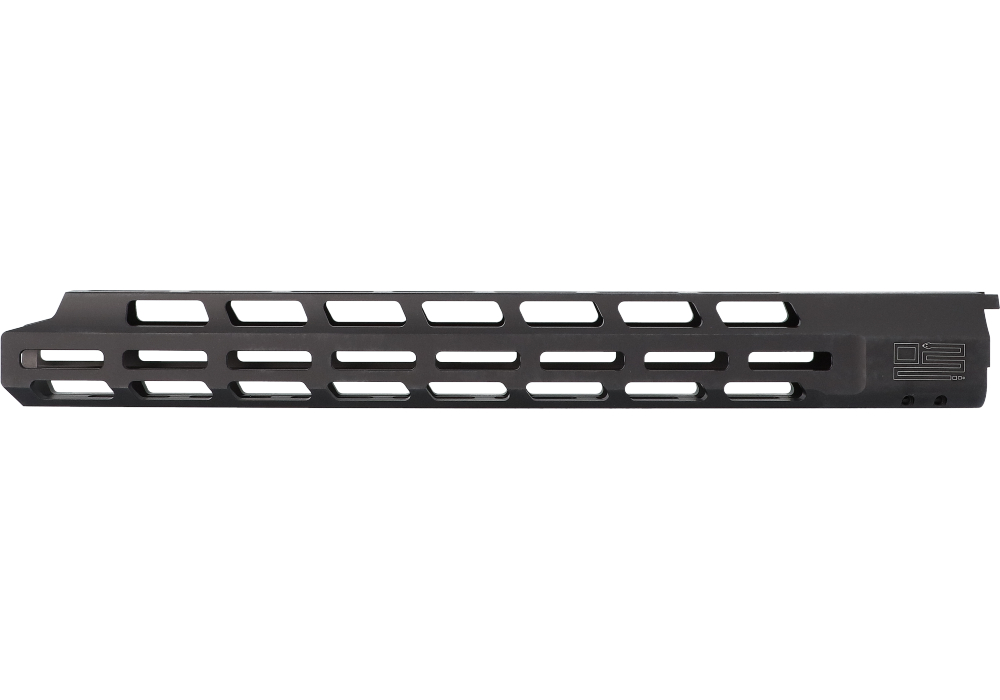
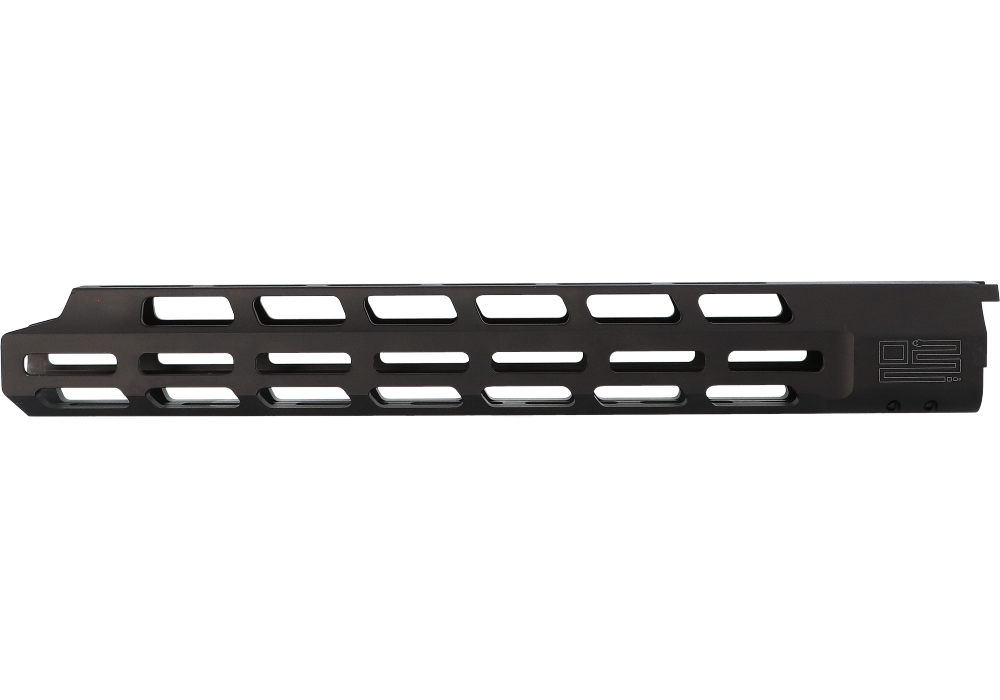
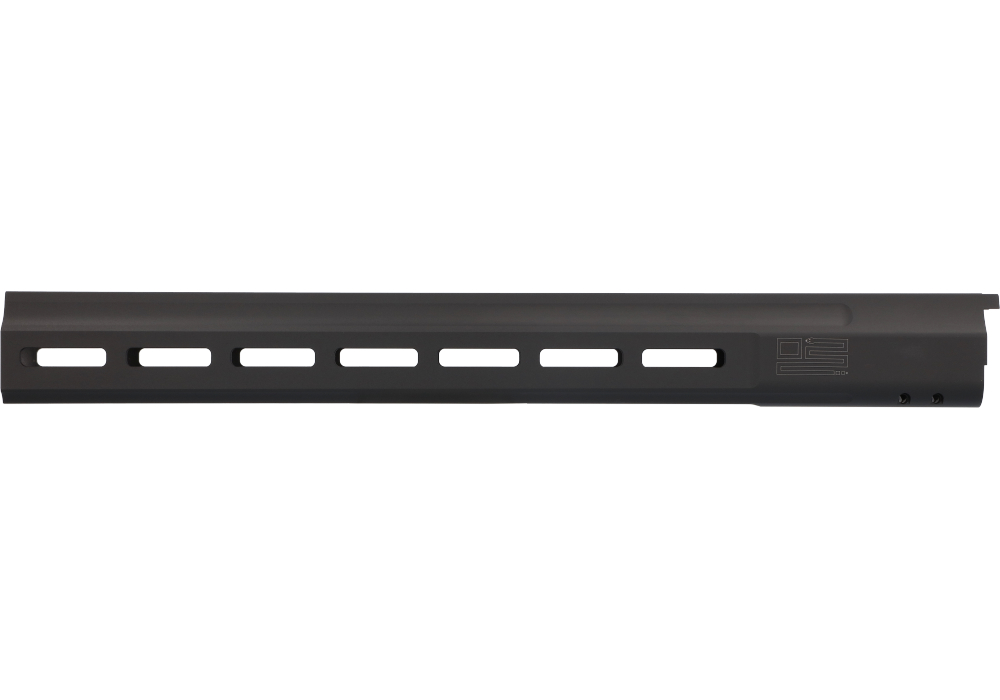
Handguards are among the most practical upgrades for refreshing a modern sporting rifle before warm-weather range sessions, training days, and outdoor pursuits. They shape the way a firearm feels in the hands, influence accessory placement, and can help manage the added discomfort that comes from direct sunlight and repeated firing. A well-chosen handguard gives the support hand a more consistent gripping surface while creating useful space for lights, sling mounts, aiming accessories, and other equipment. For shooters planning a summer firearm upgrade, the most important starting points are compatibility, overall length, weight, mounting system, and the way the handguard interacts with the barrel and gas system. Free-float handguards attach to the upper receiver rather than resting against the barrel, helping isolate the barrel from pressure created by the support hand, a sling, or a barricade. That design can also leave more of the barrel exposed to moving air, which is useful during extended range sessions. Drop-in handguards remain a straightforward option for compatible platforms because they install between existing retaining points and typically require fewer changes to the firearm. They can be appealing for a practical refresh, a replacement for a worn or damaged part, or a first upgrade for someone who wants improved ergonomics without rebuilding an entire setup. Before ordering, confirm the firearm’s model, gas-system length, barrel configuration, receiver interface, and required installation hardware. A handguard that looks ideal on the shelf may not fit correctly if its internal dimensions, attachment method, or clearance do not match the firearm.
Material and profile deserve equal attention, particularly when a rifle will be carried outdoors or fired repeatedly during warmer conditions. Aluminum handguards are known for their rigidity, durability, and resistance to the demands of regular field use, but exposed metal can become uncomfortable after sitting in direct sun or surrounding a hot barrel. Slim rail covers, textured panels, or a properly fitted angled or vertical foregrip can give the support hand a more comfortable contact point while reducing contact with warm rail sections. Polymer and composite designs may reduce front-end weight and provide a less heat-conductive exterior, which can make a noticeable difference during a long practice session when every ounce begins to matter. A lightweight handguard is especially useful for hunters walking uneven ground, competitors moving between positions, and recreational shooters who spend an afternoon transitioning between targets. Width also affects handling: a narrow profile can feel natural for a thumb-over or wraparound grip, while a wider internal diameter may be necessary when using a suppressor tucked beneath the handguard. Ventilation slots can help air circulate around the barrel and suppressor, but they should not be selected without checking clearance and manufacturer specifications. M-LOK-style direct-attachment slots offer a clean, low-profile way to position accessories where they are needed, often reducing unnecessary bulk compared with a full-length quad rail. Picatinny rail sections remain useful where a fixed, standardized mounting surface is preferred. The right arrangement is rarely the one with the most attachment points; it is the one that keeps essential equipment secure without creating snags, excess weight, or an uncomfortable gripping surface. During cooler months, these same considerations continue to matter, especially when gloves, heavier clothing, and changing weather alter the way the rifle is carried and operated.
A handguard can be a thoughtful gift for an experienced shooter, a new owner building a range setup, or an outdoors enthusiast preparing a familiar rifle for a different season. It is also a personal upgrade, since preferred grip position, shooting posture, accessory layout, and tolerance for added weight vary considerably from one person to another. Someone who spends time on a bench may prioritize a rigid free-float design with generous mounting space, while a person carrying a rifle over longer distances may value a slim, lightweight profile and a smooth exterior. Shooters who use a suppressor should measure the suppressor’s diameter and verify the handguard’s internal clearance rather than relying on appearance alone. Those replacing an existing handguard should inspect the barrel nut, gas block, receiver, and mounting hardware, and should use the correct tools and torque specifications during installation. If the installation requires removal of the muzzle device, gas system, or other critical components, professional gunsmith assistance is a sensible choice. Always confirm that the firearm is unloaded and follow the firearm and accessory manufacturer’s instructions before beginning work. After installation, check that the handguard is secure, the gas system moves freely, accessories do not interfere with controls, and no part contacts the barrel unless the design specifically calls for it. A short function check followed by careful inspection at the range can reveal loose hardware or an inconvenient accessory position before the setup is used in the field. For shooters comparing specialized configurations, Handguards for Advanced Shooters can help narrow the search toward options suited to refined setups and more demanding use. Whether the goal is better heat management during sunny range days, a more comfortable support-hand position, reduced front-end fatigue, or a cleaner way to organize accessories, the best handguard upgrade is the one that fits the firearm correctly and supports the way it is actually carried, trained with, and enjoyed throughout the changing seasons.