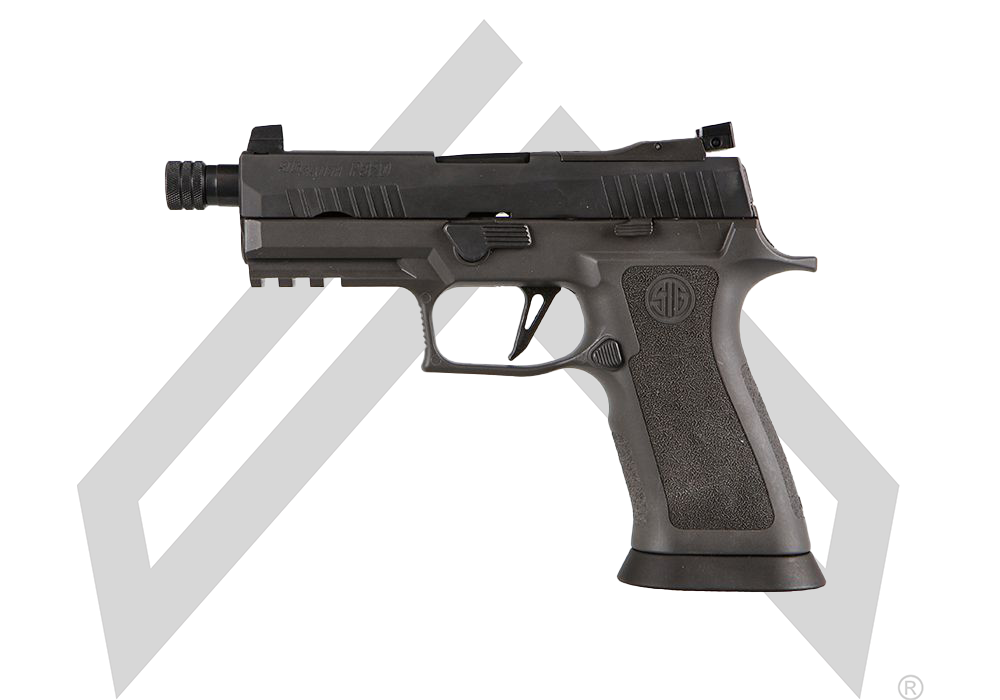
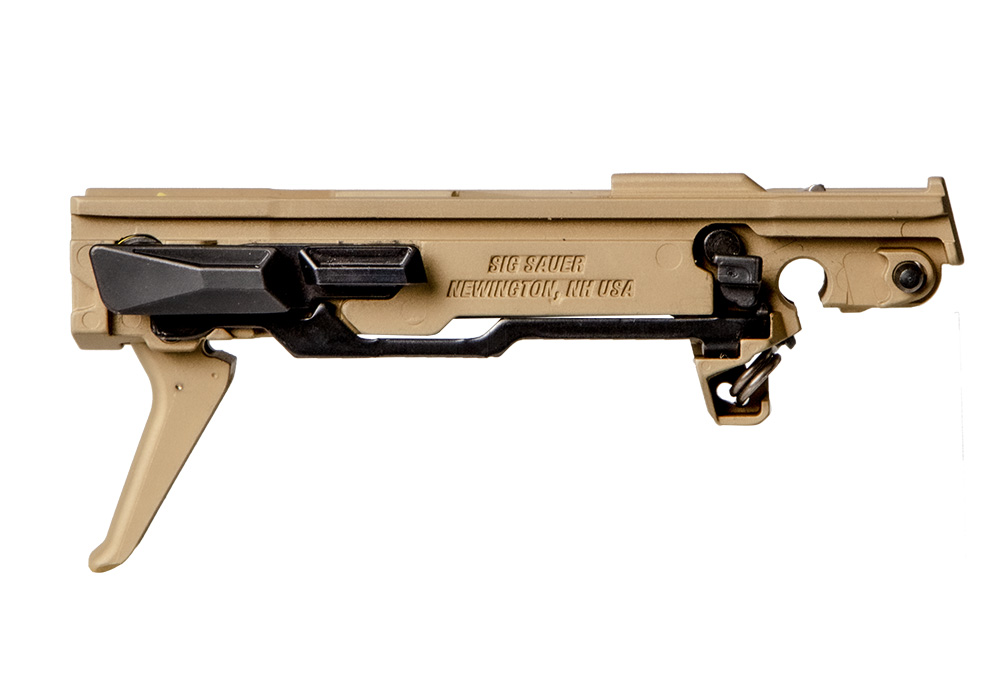
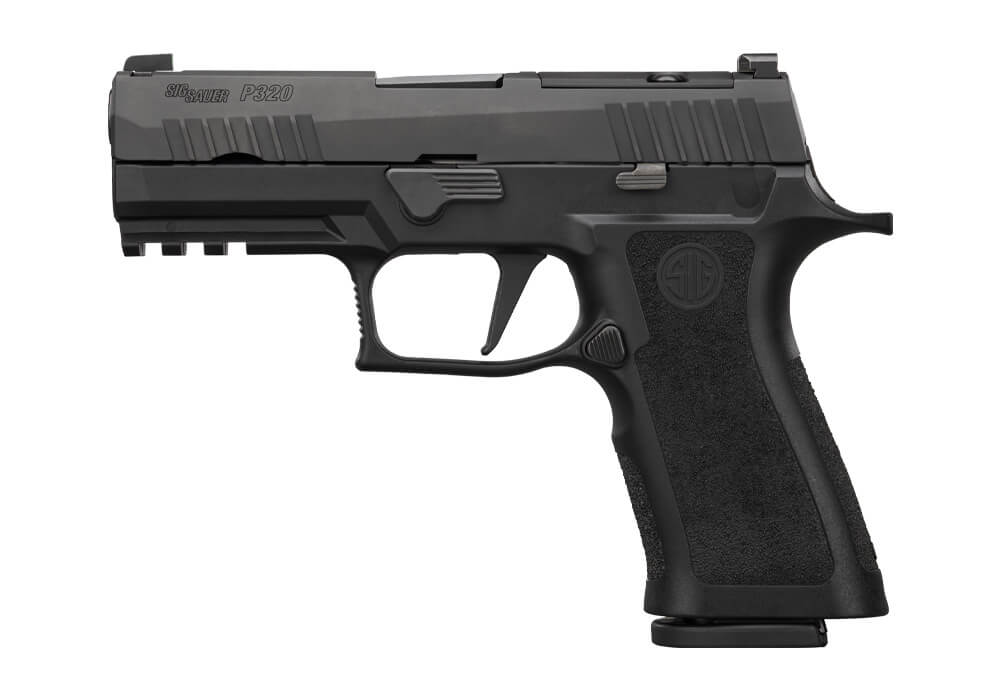
Handguns with wear-resistant frames are selected for the way they hold up through regular handling, practice, carry, and storage. A frame is more than the foundation that gives a handgun its shape; it supports the grip, interfaces with the slide and internal components, and contributes to overall balance and handling. When a firearm is used frequently, placed in a holster, exposed to perspiration, or transported through changing weather, the frame finish and material can make a noticeable difference over time. Reinforced polymer frames are naturally resistant to rust, moisture, and many common environmental conditions, while their slight flexibility can help absorb some of the stresses associated with repeated firing and everyday use. Stainless steel frames offer substantial mechanical strength and a familiar solid feel in the hand, although exposed metal still benefits from careful cleaning and a light protective coating. Aluminum alloy frames provide a lighter alternative, particularly when weight matters during carry, but their protective anodized or coated surfaces should be inspected for scratches and finish wear. Each material brings a different balance of durability, weight, texture, and maintenance, making frame construction an important consideration alongside size, grip shape, sight arrangement, trigger characteristics, and standard or extended capacity options. This selection of handguns is intended for shoppers comparing dependable frame materials for responsible ownership, whether the firearm is planned for range practice, lawful concealed carry, home protection, or general preparedness. Additional information about frame components and compatible options can be found on the Handgun Frames page.
A wear-resistant frame is valuable because it helps a handgun remain dependable through the small encounters that accumulate over years: a grip handled with damp hands after an outdoor session, a firearm drawn from a holster during training, or a case carried from a cool vehicle into a warm indoor range. That durability does not make any handgun maintenance-free. Polymer can resist oxidation particularly well, but the slide, barrel, controls, fasteners, and other metal parts still require attention. Metal frames should be wiped down after handling, especially when perspiration or humidity may be present, and a suitable firearm lubricant should be applied sparingly to the contact points identified in the owner’s manual. Metal-to-metal areas such as frame rails deserve regular inspection because normal movement can gradually polish contact surfaces or reveal early signs of uneven wear. Small shiny spots may simply reflect ordinary finish burnishing, while deep gouges, peening, cracks, loose components, or unusual movement call for evaluation by a qualified gunsmith. Avoid over-lubricating, since excess oil can collect dust and residue, and keep cleaning products away from ammunition and storage materials. A dry, stable storage environment is equally important. A locked container, dehumidifying solution, or other appropriate moisture-control method can help protect a firearm during cooler months, when equipment may move between heated rooms and damp outdoor conditions. Keeping a simple maintenance routine—unload and verify the firearm according to the owner’s manual, inspect it, clean it, lubricate designated points, and return it to secure storage—helps preserve both function and appearance.
These handguns may appeal to experienced shooters who want a durable platform for regular practice, as well as first-time owners looking for a frame that is straightforward to care for. A lighter polymer frame can be comfortable for someone who carries lawfully and values reduced overall weight, while a steel or alloy frame may suit a shooter who prefers a more substantial feel and a stable hold during range sessions. Grip texture should be considered alongside frame material: an aggressive texture may provide confidence with wet hands but can feel abrasive during extended carry, while a smoother surface may be more comfortable against clothing. Fit matters just as much. The trigger should be reachable without shifting the firing grip, controls should be manageable without excessive movement, and the shooter should be able to align the sights consistently. Anyone choosing a handgun for home protection should also consider safe access, storage, lighting, household needs, and a plan that keeps unauthorized users away from the firearm. For a gift, a handgun should be approached with particular care. The recipient’s preferences, training experience, lawful eligibility, and local transfer requirements should be confirmed before purchase, and an unrestricted surprise gift is not appropriate when it could bypass required background checks or other regulations. A safer approach may be helping the intended owner select the right frame style, arranging professional instruction, or providing secure storage and range supplies where permitted. Regardless of the intended use, every owner should read the manual, follow applicable federal, state, and local laws, use appropriate eye and ear protection, and practice safe handling every time. With thoughtful selection and consistent care, a wear-resistant frame can provide a durable foundation for years of responsible ownership.