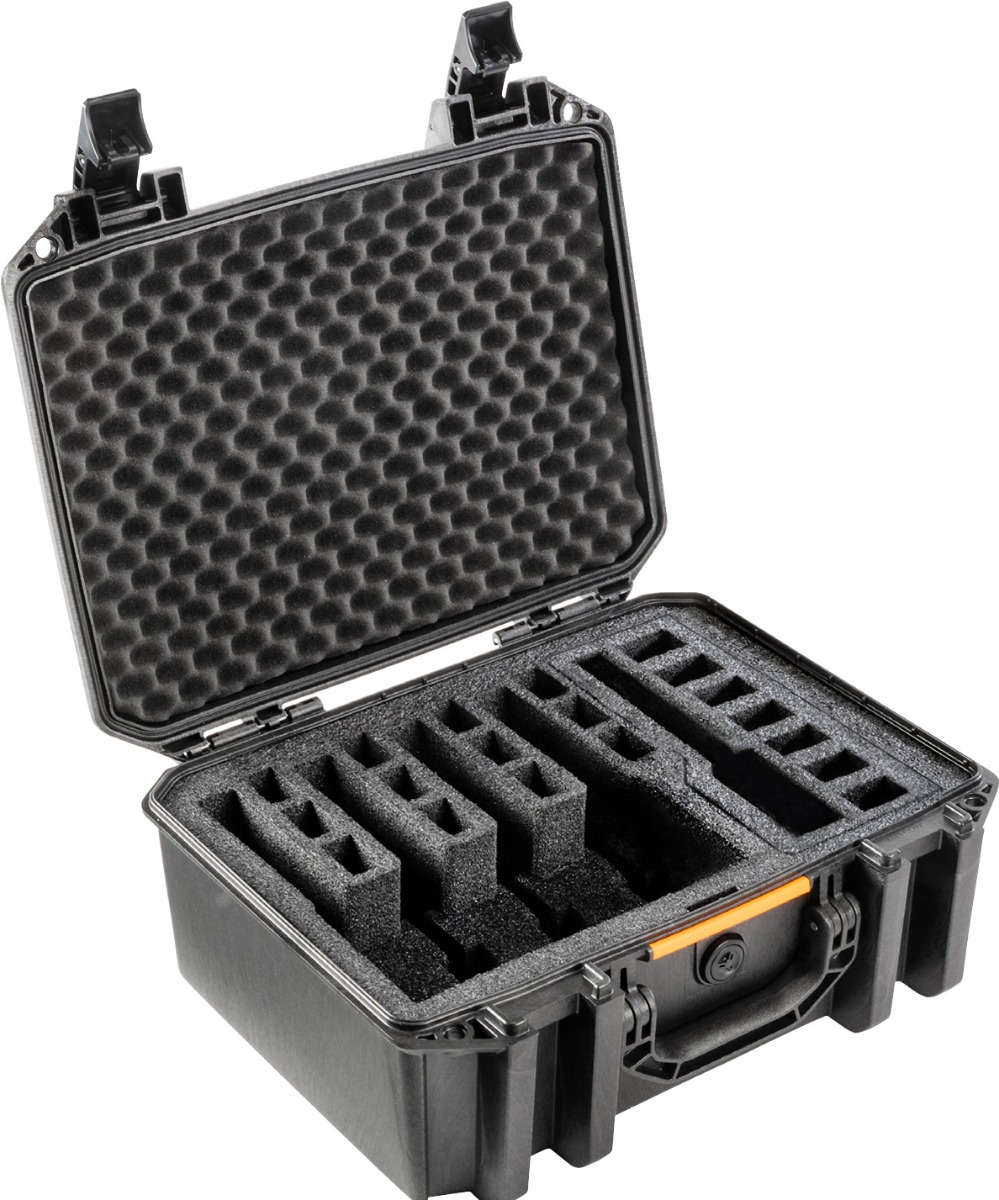
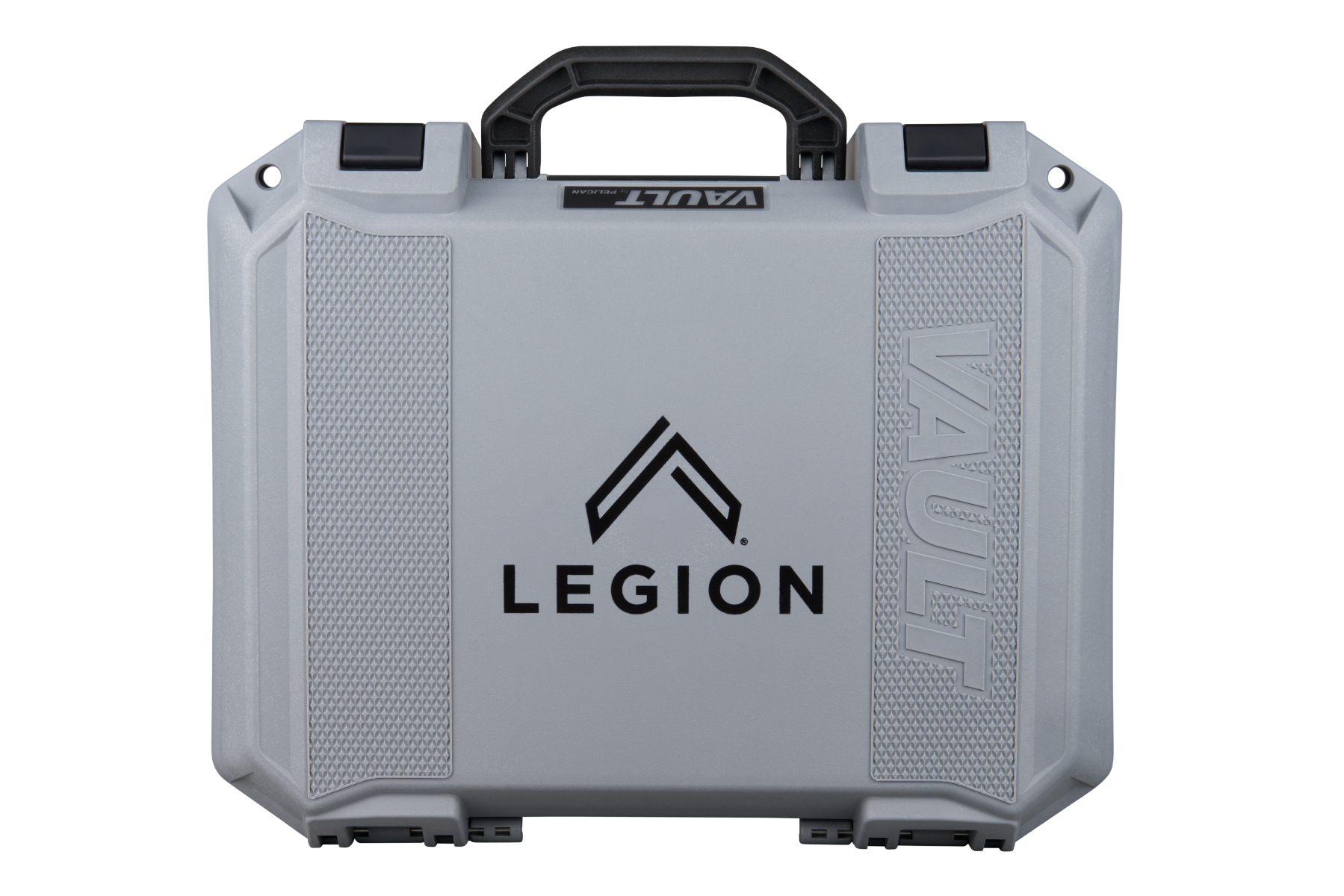
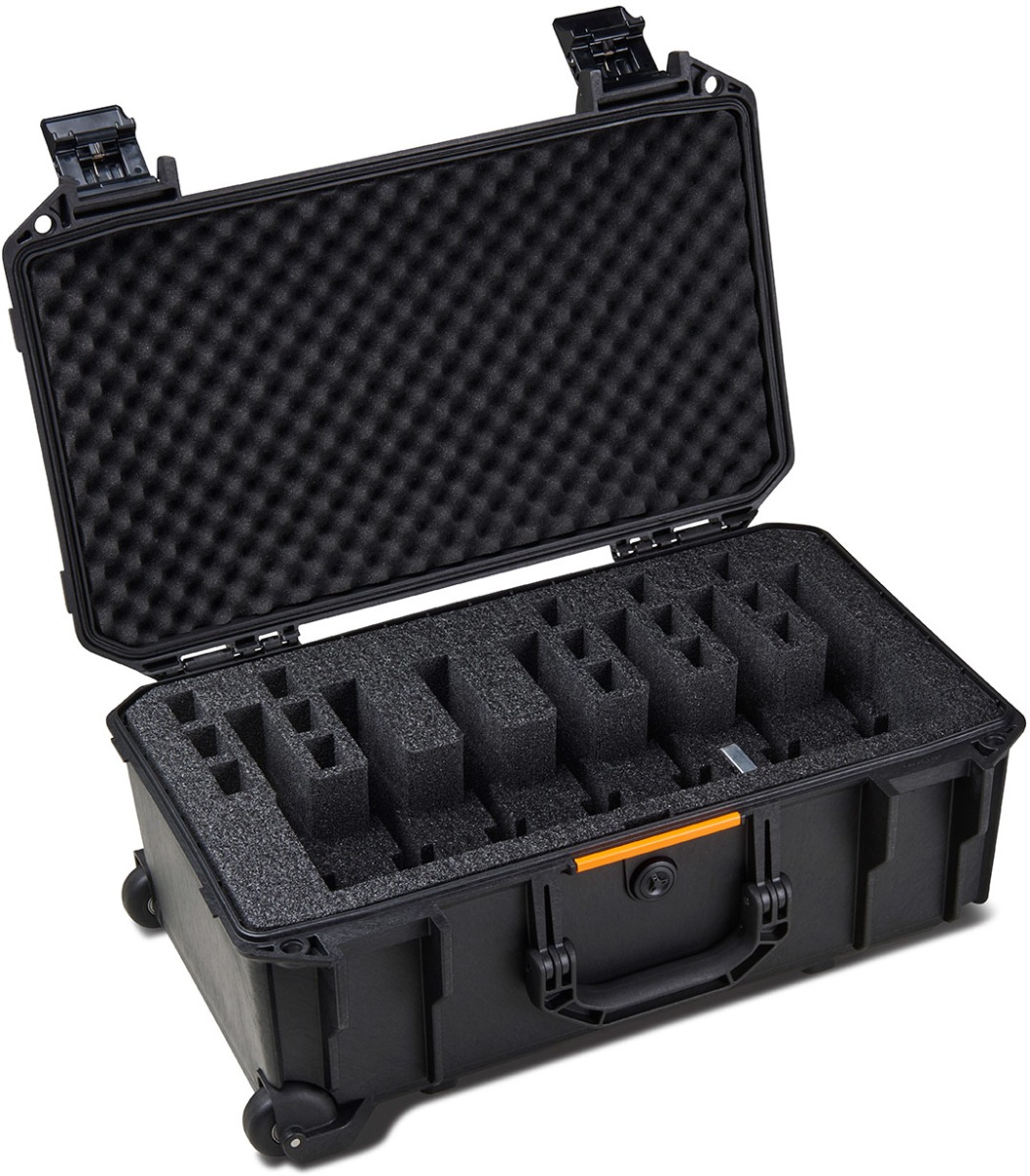
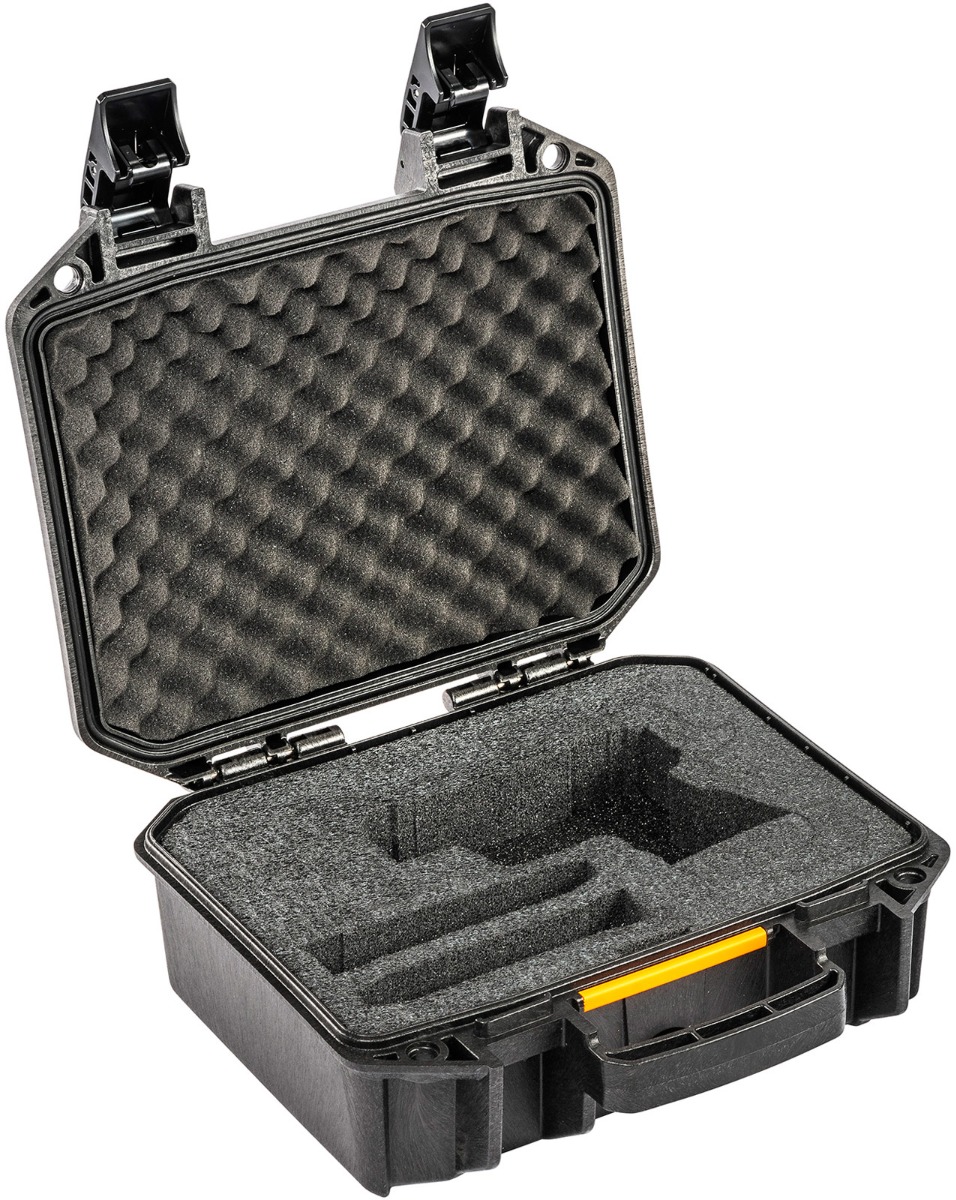
Hard pistol cases provide a rigid outer shell and a cushioned interior for protecting unloaded handguns during transport and storage. Unlike a soft pouch, a hard-sided case helps separate its contents from pressure, friction, and contact with other equipment. That structure is useful for routine range visits, travel, and organized storage between outings, especially when a pistol shares space with other gear in a vehicle or equipment locker. Common shell materials include molded polymers and reinforced resins, with differences in wall thickness, hinge construction, and overall weight influencing how a case feels in everyday use. A compact shell is easier to carry alongside a range bag, while a larger, more substantial case can accommodate multiple handguns and separate accessory compartments. Durable construction involves more than a thick exterior: hinges should remain aligned, latches should close positively, and the handle should feel comfortable when the case is fully packed. Reinforced corners and recessed hardware can help reduce wear at exposed points. Inside, foam or another protective lining cushions the firearm and limits movement. Convoluted foam can accommodate different profiles, while customizable foam allows a closer fit around a particular handgun and its accessories. Pre-cut interiors offer defined spaces that keep equipment organized without requiring extensive adjustment. Closed-cell foam generally absorbs less moisture than open-cell foam and can be easier to wipe clean, although no insert eliminates the need to dry equipment before storage. A well-fitting interior supports the handgun without squeezing controls or concentrating pressure on a sight. The shell, lining, hinges, and closures work together, so the most useful hard pistol case is one whose overall construction matches its intended routine rather than one selected for a single feature alone. For frequent range visitors, that may mean straightforward access and manageable weight; for longer journeys, a more protective shell and clearly specified sealing features may matter more.
Fit depends on usable interior dimensions, not simply the outside measurements or the number of handguns pictured in a case. Barrel length, overall height, grip shape, and slide-mounted accessories can all change the space a pistol requires. A handgun fitted with an optic or light needs sufficient clearance around those components, including space above the sight when the lid closes. Published interior measurements are a useful starting point, but the shape and depth of the foam also affect the working space. A snug fit should limit shifting without requiring the lid to compress equipment into place. For a compact setup centered on one handgun, Single Pistol Cases offer a focused category for comparing portable formats and interior layouts. These smaller formats suit owners who prefer a dedicated case for each firearm or want a simple arrangement for individual range visits. Larger hard handgun cases serve a different purpose, bringing several unloaded pistols together in an organized layout with distinct spaces between them. Separate recesses for magazines and small accessories help prevent loose equipment from rubbing against finishes during movement. Enough space around each compartment also makes it easier to remove a handgun without disturbing neighboring equipment. Interior organization becomes particularly useful when preparing for a training session: an empty magazine recess or unused accessory pocket is easier to notice than a missing component buried beneath other gear. Removable trays, layered inserts, and upright layouts can change how much equipment fits within a given footprint, though added storage also increases packed weight. A case that fits comfortably on a workbench may feel cumbersome when carried with hearing protection, eye protection, and other range essentials. Handle position, balance, and the space needed to open the lid are practical considerations for regular use. A straightforward interior often works well for a consistent setup, while an adaptable insert can accommodate changes in handgun dimensions or accessory arrangements over time. Neither approach is automatically better; the value lies in keeping the intended equipment supported, separated, and easy to account for.
Security, environmental protection, and maintenance round out the role of a hard pistol case. Padlock-compatible locking points can support secure transport, but their placement and construction matter: the closed case should not leave an opening that permits access to its contents. A lockable case is not automatically a substitute for a dedicated firearm safe, and any storage arrangement should prevent access by unauthorized people, especially children. For air travel, firearms must be unloaded, declared to the airline, and secured in a locked, hard-sided container that meets applicable requirements. Airline policies and transportation laws can differ, so the relevant requirements should be confirmed before each trip rather than inferred from a case description. Vehicle transport likewise depends on the laws that apply along the route. Sealing features deserve the same attention to detail. A gasket can help resist dust and water intrusion, but water resistance and waterproof performance are not interchangeable claims; specific testing or ratings provide a clearer picture of protection. A pressure-equalization valve, where included, helps balance internal and external air pressure and can ease opening after elevation changes. None of these features replaces basic care. Grit around a seal, debris in a latch, or damaged foam can affect how a case closes and supports its contents. Routine upkeep usually involves wiping the shell with a soft cloth, cleaning according to the manufacturer's directions, and allowing both the case and its lining to dry fully before closing. Solvents and firearm cleaning chemicals should stay away from foam and shell materials unless compatibility is confirmed. Periodic inspection of hinges, handles, locking points, and inserts helps identify wear before the next outing. For someone who regularly transports a handgun, a thoughtfully selected case can also be a practical gift, particularly when the recipient's firearm dimensions and preferred setup are known. Across home organization, range routines, and travel, durable hard pistol cases provide a defined place for equipment while helping protect finishes and maintain an orderly, secure transport arrangement.