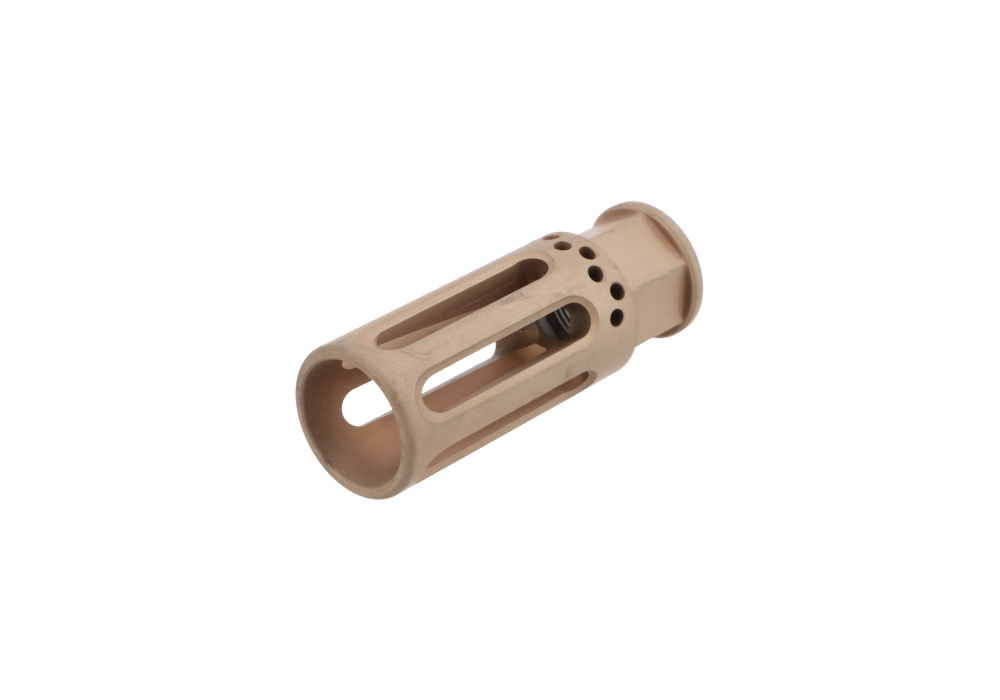
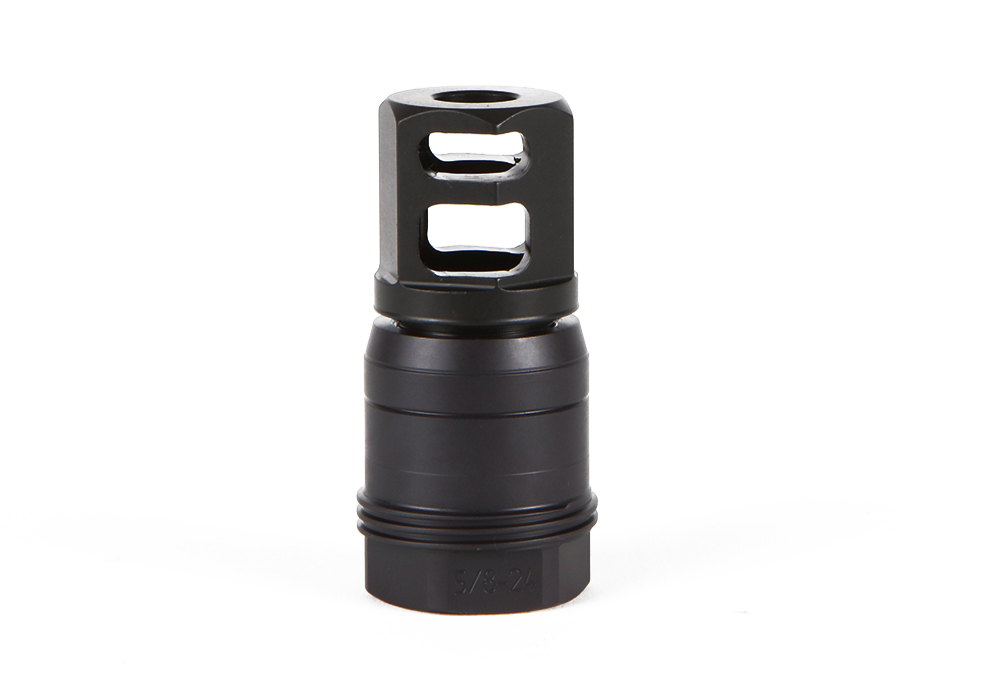
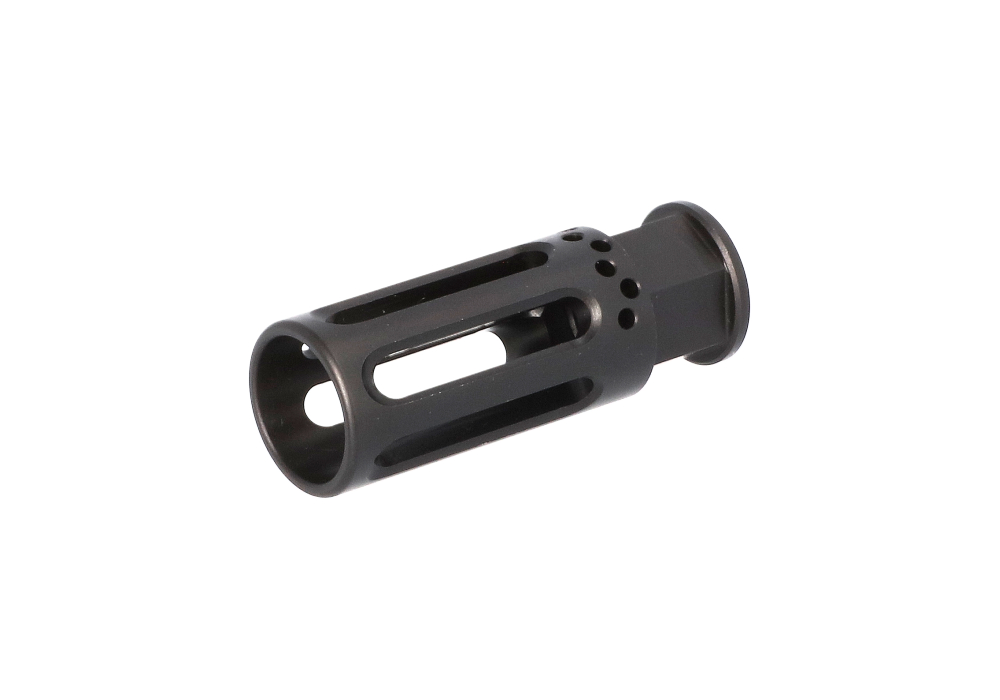
High-accuracy suppressor flash hiders combine two important functions at the muzzle: they help reduce the visible flash produced when a firearm is fired, and they provide a stable, repeatable interface for attaching a compatible suppressor. For shooters who value consistency, that combination can be especially useful. A well-designed flash hider can disperse expanding gases and reduce the bright burst that may interfere with natural or electronic night vision, preserve a low-profile appearance in dim conditions, and help limit the visible signature seen by the shooter or observers nearby. When paired with a suppressor, the muzzle device also serves as a carefully aligned mounting point. Precision-machined threads, concentric bearing surfaces, and tight manufacturing tolerances help keep the suppressor properly centered in relation to the bore. That alignment is essential for protecting internal components and supporting reliable, repeatable performance. The right choice begins with compatibility: confirm the barrel thread pattern, muzzle diameter, caliber rating, suppressor mounting system, and manufacturer specifications before ordering. Common thread patterns include 1/2x28 and 5/8x24, but those measurements alone do not determine full compatibility. The suppressor and flash hider must use matching interfaces, and the device must suit the firearm and ammunition involved. A qualified gunsmith can verify thread condition, shoulder dimensions, concentricity, and installation torque, especially when the barrel has been modified or the firearm uses a nonstandard configuration. For shoppers comparing options in this category, look closely at the number and shape of the mounting surfaces, the quality of the thread protection, the finish, the overall length, and whether the design supports a quick-attach or direct-thread setup. A compact device may preserve maneuverability around a vehicle, blind, or tight interior space, while a longer design may offer additional mounting surface or a particular flash-reduction pattern. Weight matters as well: changes at the muzzle can influence balance, handling, and the way a rifle settles between shots.
These products can suit a wide range of experienced firearm owners, including hunters who spend time in low-light conditions, recreational shooters who want a consistent suppressor setup, and precision-focused users who pay close attention to alignment and repeatability. A flash hider may also appeal to someone assembling a dedicated host firearm, refining a training rifle, or organizing more than one compatible platform around a single suppressor system. During the cooler months, early-morning range sessions and evening field activities often bring greater attention to muzzle flash, mounting consistency, and equipment that remains easy to inspect with gloved hands. A suppressor flash hider can be a thoughtful gift for a knowledgeable shooter when the recipient’s barrel threading, caliber, and mounting requirements are already known. Because these details are highly specific, a gift card or careful compatibility check is often wiser than choosing based on appearance alone. Installation should receive the same attention as product selection. Begin with an unloaded firearm in a suitable work area, follow the firearm and muzzle-device instructions, and use the recommended tools rather than relying on excessive hand force. The barrel shoulder should provide a firm, square seating surface, and the device should align without unusual resistance. After installation, inspect the suppressor interface and verify that the suppressor attaches fully and evenly. Any sign of wobble, uneven seating, damaged threads, or questionable alignment warrants a pause and professional inspection before firing. Once the setup is confirmed, use ammunition that matches the suppressor and firearm ratings, and follow all applicable laws, range rules, transport requirements, and registration or authorization procedures. Hearing and eye protection remain important even when a suppressor is in use, since sound levels, debris, and operating conditions can vary by firearm, ammunition, and environment. Proper care also helps preserve performance: allow components to cool before handling, inspect threads for fouling, protect contact surfaces from damage, and follow the suppressor manufacturer’s cleaning guidance. Avoid improvising shims, spacers, or adapters unless the system specifically supports them, since an unsuitable part can affect alignment and reliability.
Selecting among high-accuracy suppressor flash hiders is ultimately about matching the muzzle device to the complete firearm system rather than choosing a design in isolation. Consider how the rifle is carried, whether the suppressor will move between hosts, how often the setup will be installed and removed, and whether low-light flash reduction or compact handling is the higher priority. Users who switch a suppressor between multiple firearms should keep a clear record of each host’s thread pattern, caliber, mounting method, and torque specification. Marking storage containers or maintaining a simple equipment log can prevent confusion after a long day at the range, when similar components may look nearly identical under bench lighting. Those seeking additional compatibility options can also review High Performance Flash Hider Adapters while comparing mounting solutions. A properly selected and professionally installed flash hider supports a clean, repeatable connection, helps reduce the intensity of visible muzzle flash, and complements the controlled handling that many suppressor users seek. Whether the goal is a streamlined hunting setup, a carefully tuned range rifle, or a practical configuration for training during changing light, attention to threading, alignment, construction, and safe operating practice will provide the strongest foundation for dependable use.