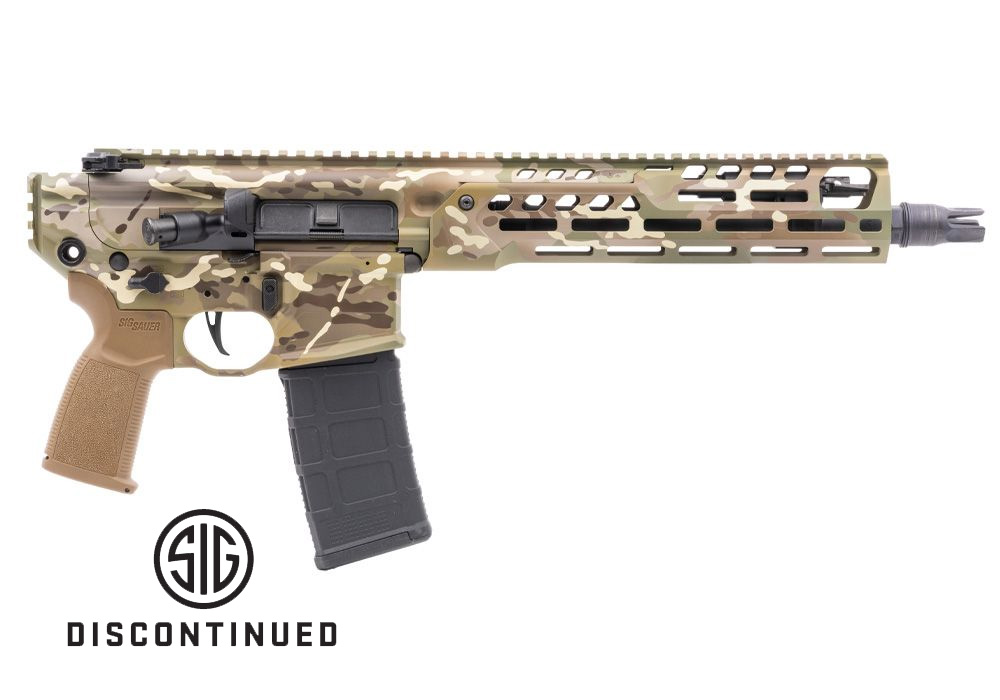
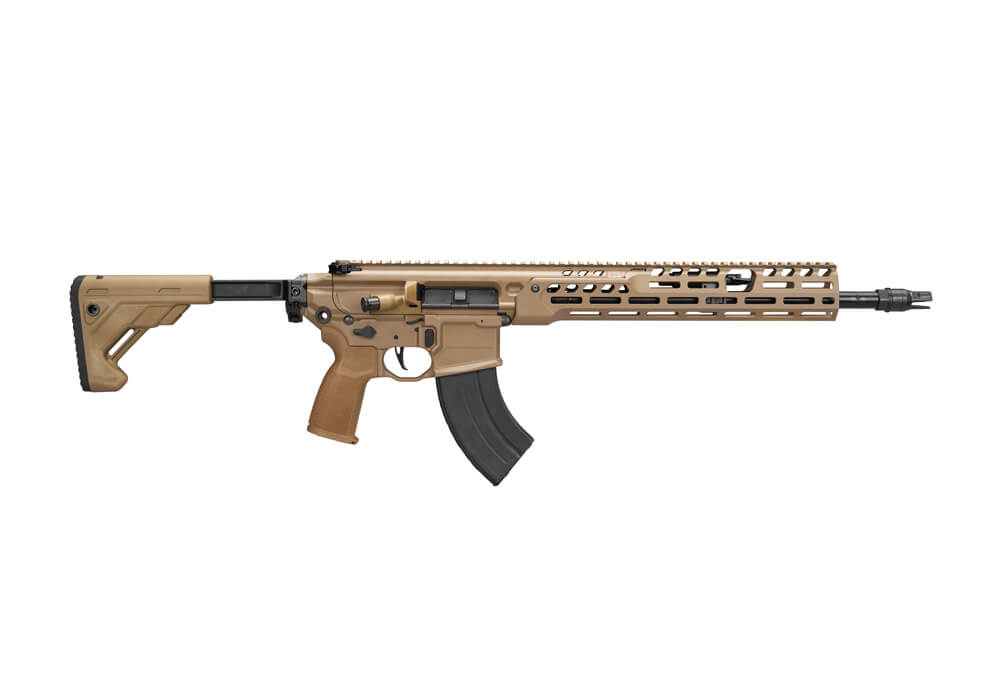
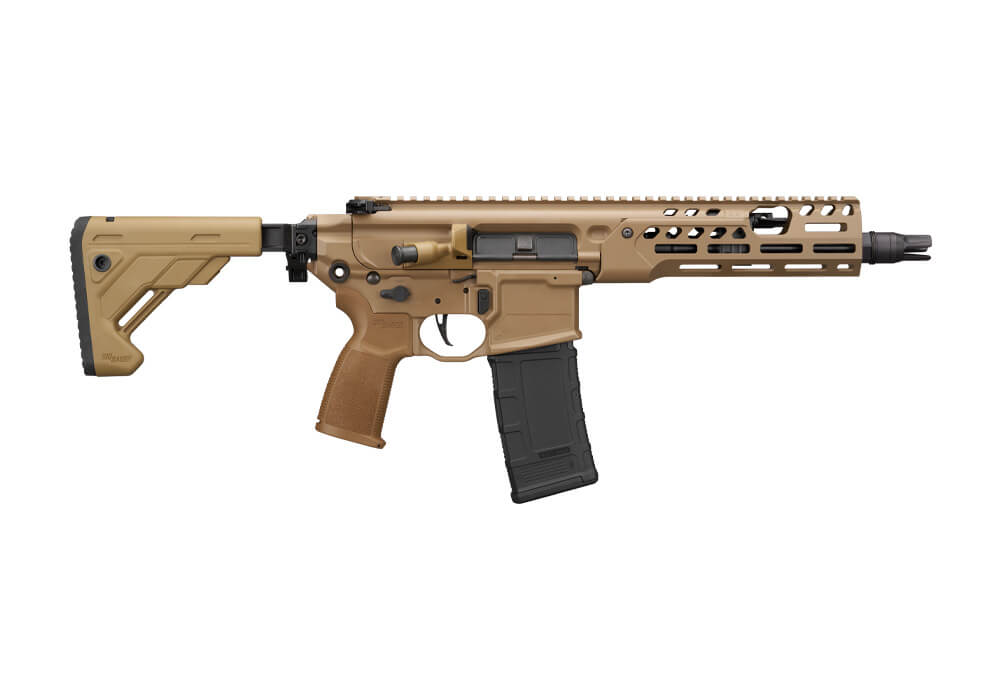
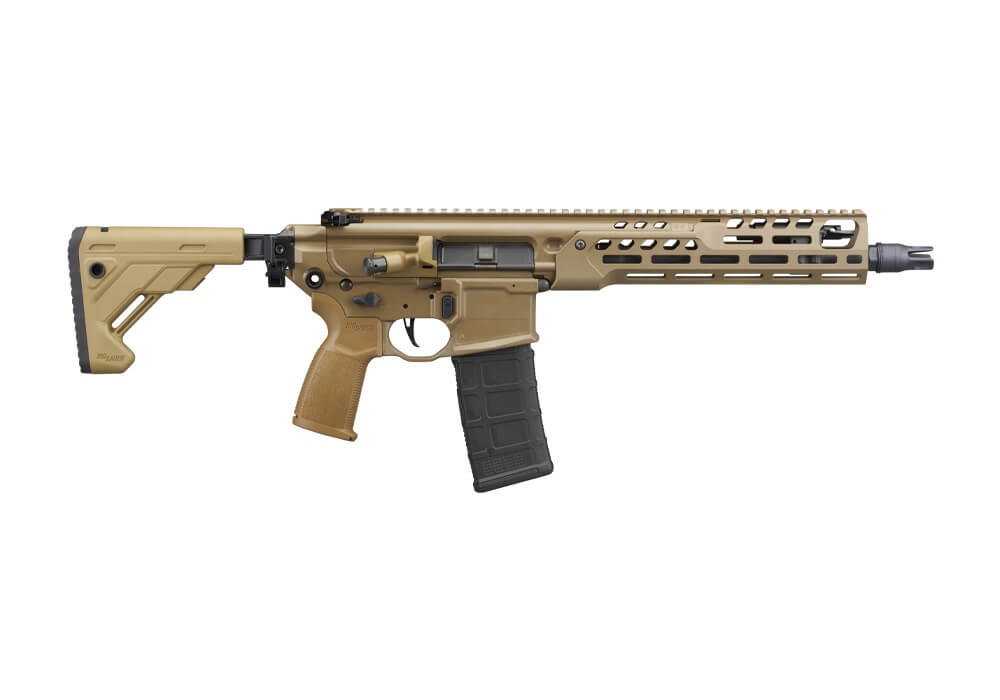
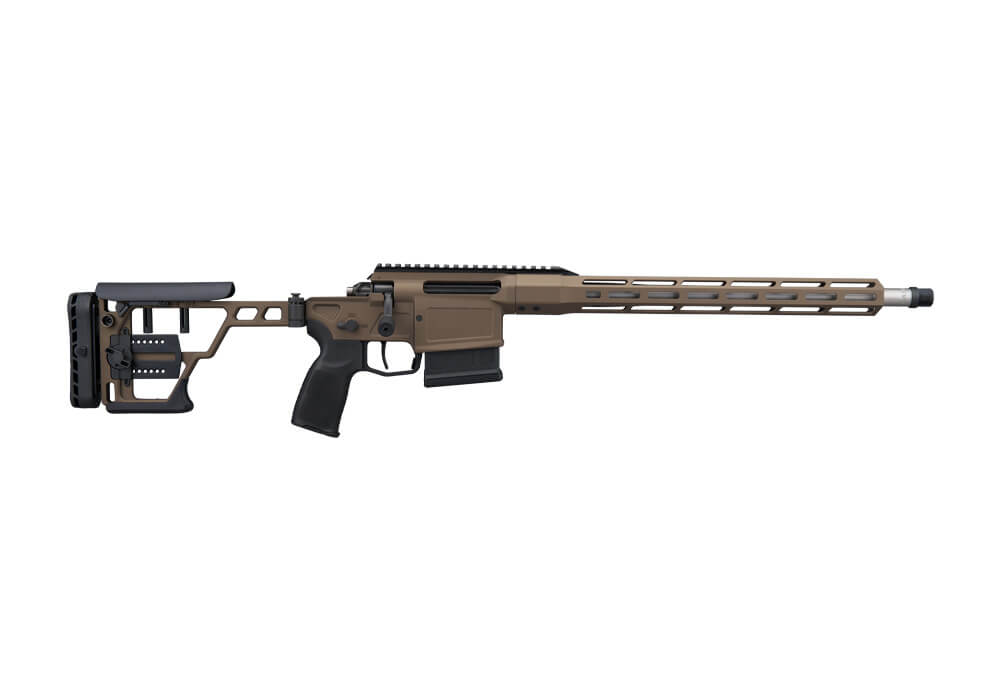
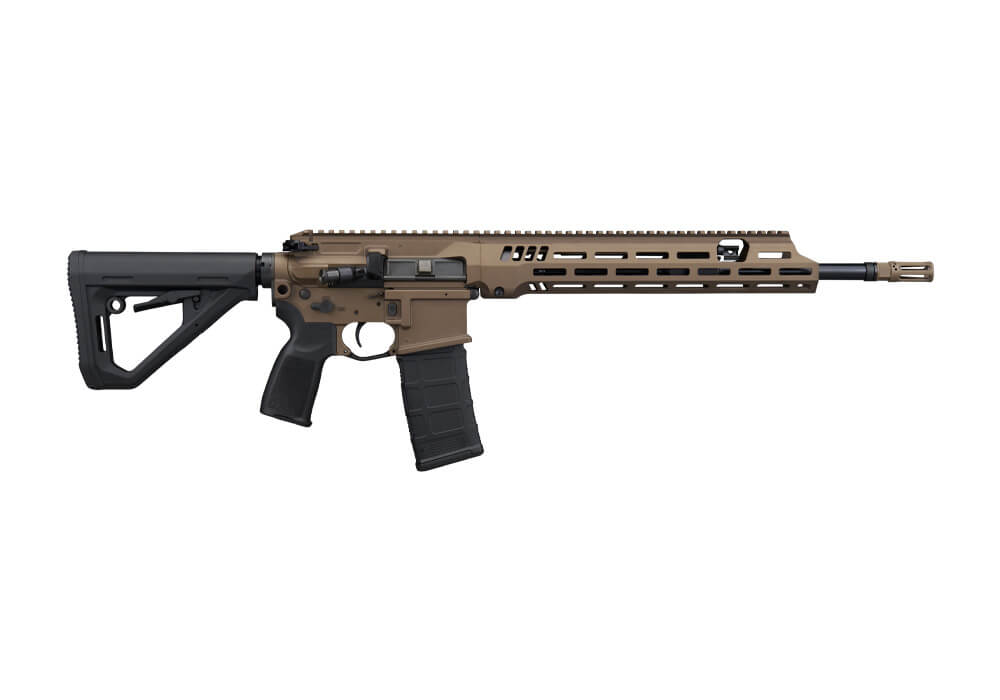
High performance coatings rifles are designed for shooters who want dependable protection, durable finishes, and consistent function when conditions are less than ideal. A rifle’s exterior can face moisture, dust, mud, perspiration, abrasive gear, and temperature changes over the course of a season, while internal components may experience heat, friction, and repeated cycling. Specialized coatings and surface treatments help address these demands by creating a tougher barrier against corrosion and wear. Depending on the rifle and its construction, that protection may come from a thin ceramic-polymer finish, a hard carbon-based coating, a salt-bath nitride treatment, or a physical vapor deposition process applied to selected components. These finishes are more than a visual detail. They can help protect metal from rust and pitting, preserve the fit between moving parts, and reduce the effects of repeated handling and exposure. For anyone who has opened a range bag after a damp morning and found condensation on the action, that extra layer of defense can be reassuring. A coated rifle may be especially appealing to hunters who travel through wet grass, wooded terrain, or changing weather; range shooters who train regularly; and owners who want a durable platform that stands up to years of careful use. When comparing rifles in this category, consider the type of coating, the surfaces treated, the intended environment, and the care recommended by the manufacturer. A finish that protects the exterior may serve a different purpose from a treatment intended for high-wear internal parts, so reviewing the complete configuration is important.
Corrosion resistance is one of the most practical reasons to consider a high performance coating rifle. Moisture and salt can work into small scratches, seams, and contact points, eventually creating discoloration or pitting if they are ignored. Protective finishes help slow that process, particularly when combined with sensible maintenance after exposure to rain, humidity, perspiration, or coastal air. Some coatings also offer strong resistance to cleaning chemicals and solvents, which can be helpful for shooters who maintain their rifles frequently. Wear resistance matters just as much. Bolt bodies, rails, trigger components, and other contact surfaces may rub together thousands of times over the life of a rifle, and a hard surface treatment can help those areas resist abrasion. Certain treatments are also valued for their low-friction characteristics, allowing moving parts to operate smoothly with an appropriate amount of lubricant. That does not eliminate the need for cleaning or lubrication, but it can support reliable operation and make routine care more straightforward. Heat resistance is another consideration for rifles used during extended range sessions or demanding drills. A quality treatment should remain stable under normal operating temperatures without peeling, flaking, or compromising the underlying material. Finish color and texture can also influence a purchase. Some shooters prefer subdued tones that blend naturally with woodland, open-country, or mixed-terrain surroundings, while others choose a distinctive finish that makes the rifle easy to identify in a shared case or at a busy range. These rifles can make thoughtful gifts for an experienced hunter, a dedicated target shooter, or a new owner building a long-term collection, especially when the recipient values equipment that combines practical protection with a refined appearance. Accessories such as a properly fitted case, quality sling, secure storage solution, or maintenance supplies can complement the rifle without changing its core purpose.
Selecting among coated rifles ultimately comes down to matching the finish and configuration to the way the rifle will be used. A lightweight hunting setup may be carried for hours over ridgelines and through brush, where resistance to scratches, rain, and changing temperatures is especially valuable. A rifle intended for regular range use may benefit from treatments chosen for repeated cycling and contact between metal surfaces. For general-purpose ownership, look for a balanced combination of corrosion protection, surface hardness, heat stability, and manageable maintenance requirements. It is also worth considering the action type, barrel profile, stock material, optic mounting options, and overall weight, since a coating is only one part of the rifle’s performance. A well-chosen finish should support the rifle rather than dictate every other decision. After use, wipe away moisture and fingerprints, inspect high-contact areas, and follow the care instructions provided for the specific finish. Avoid assuming that every coating can be cleaned with the same products or handled with the same tools; compatibility matters, particularly around optics, polymer components, and treated internal parts. During the warmer seasons, perspiration and humidity can make routine wipe-downs worthwhile, while cooler months may bring rain, wet foliage, and condensation that deserve equal attention. Shooters comparing this category with other specialized options may also want to explore High Performance Hunting Rifles for additional context on hunting-oriented configurations. Whether selected for a first serious rifle, a dependable field companion, or a carefully considered gift, high performance coatings rifles offer a combination of lasting protection, practical durability, and distinctive style suited to owners who expect their equipment to remain ready through changing conditions.