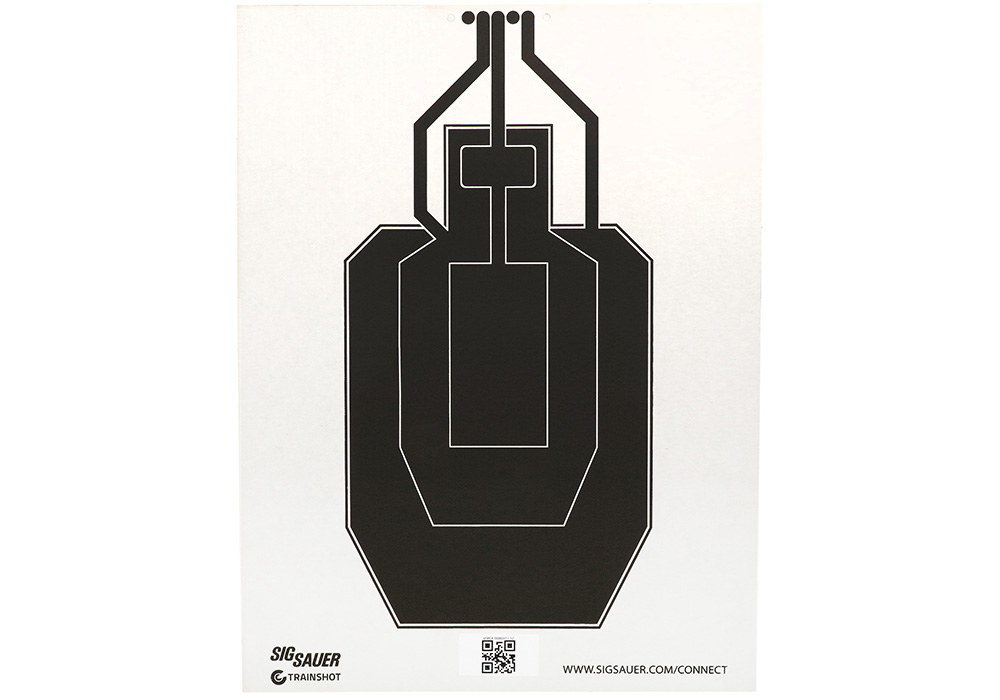
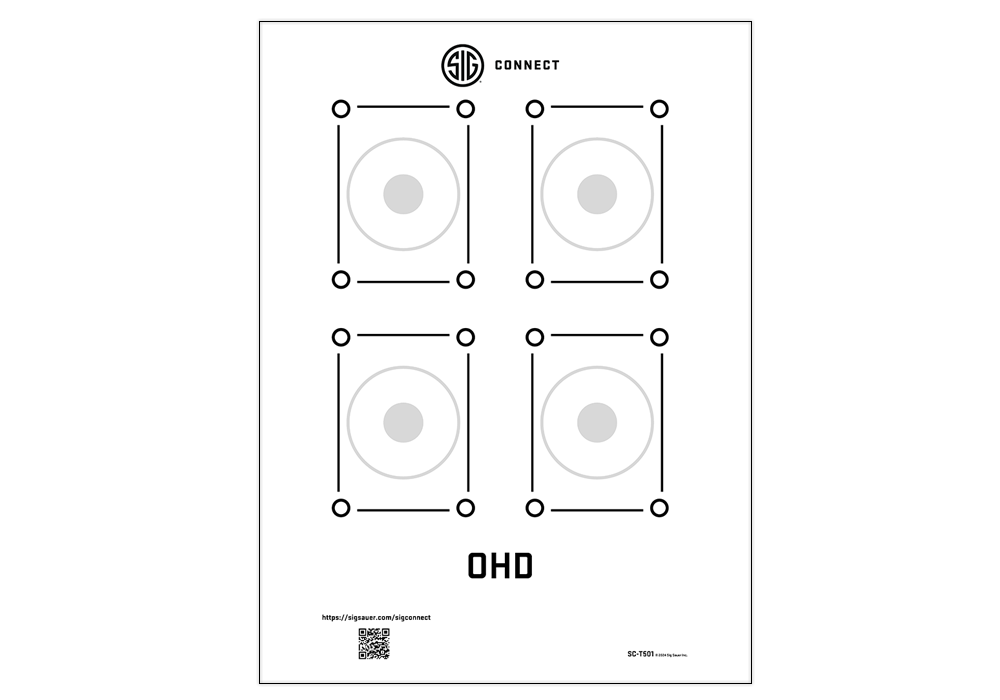
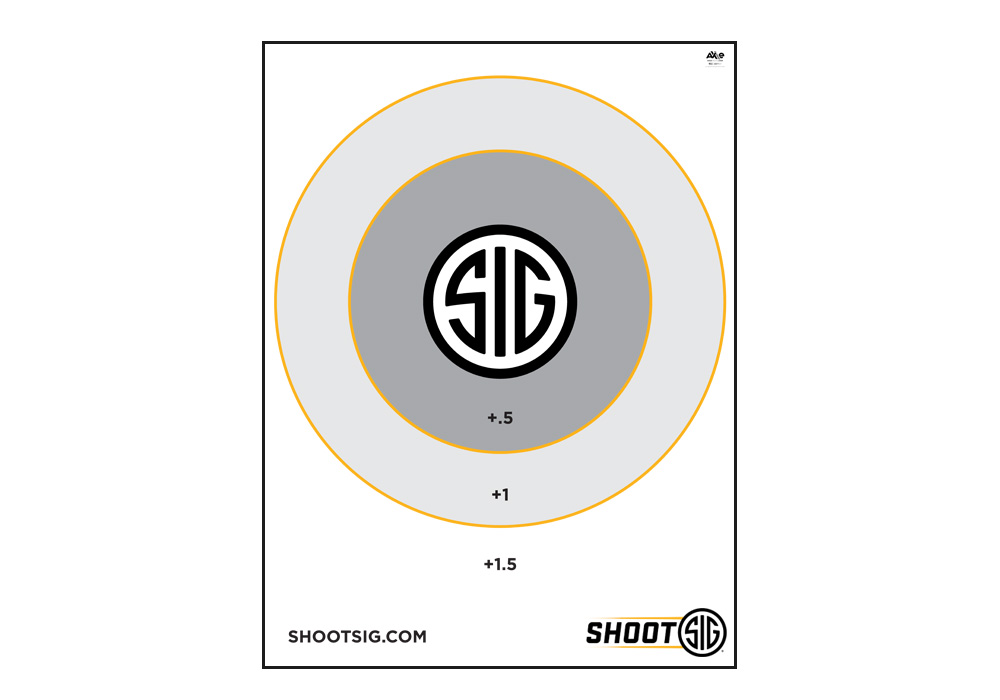
Hit tracking targets are built to make practice more informative by showing where a shot landed, how consistently a shooter is engaging the target, and how performance changes from one string to the next. Depending on the format, feedback may come from visible target markings, reactive zones, impact indicators, electronic sensors, or an app-connected scoring system that records results for later review. This immediate information can be more useful than simply replacing a paper target and glancing at the group when the session is over. A clear hit signal helps shooters stay focused on the fundamentals: a steady sight picture, controlled trigger press, consistent grip, and a return to the target after each shot. At an outdoor range, that feedback can save repeated trips downrange and make it easier to keep a practice session organized, while at an indoor range it can add structure to drills that might otherwise feel repetitive. Hit tracking targets can also help instructors demonstrate progress to a new shooter, give experienced shooters measurable goals, and provide a simple way for families or friends to compare results in a safe, supervised range setting. For anyone building a dedicated practice setup, they can complement the broader selection of Training Targets used for sight-in work, accuracy practice, defensive-style drills, and general marksmanship. As weather warms, reactive and electronically assisted targets can make outdoor sessions more engaging; during cooler months, easily read scoring feedback is especially helpful when shooters want to make efficient use of limited range time. The best choice depends on the firearm, ammunition, range rules, and training objective, so it is important to confirm that the target is intended for the type of shooting planned and that it can be used safely at the required distance.
When comparing hit tracking targets, begin with the feedback method. A simple visual target may use contrasting colors, numbered zones, or replaceable overlays that make impacts easy to identify through binoculars or a spotting scope. These options are practical for shooters who prefer a straightforward setup, want to mark a series of groups, or need a lightweight target for transport between a home range and a public range. Reactive designs can provide a bright visual response or another clear indication when struck, helping a shooter recognize a hit without interrupting the drill. Electronic systems may add shot timing, hit location, string counts, or stored session data, which can be valuable for structured training and instruction. App-connected formats are worth considering when a shooter wants a record of practice over time, but they also introduce additional factors such as device compatibility, battery life, wireless connectivity, weather resistance, and the availability of replacement components. Check whether the target requires a separate stand, backer, frame, sensor, mounting hardware, or protective cover, and review the manufacturer’s distance and caliber guidance before purchase. Construction matters as well. Paper and lightweight components are convenient for transport and setup, while durable outdoor materials may better suit repeated use in changing conditions. For any target used with a firearm, follow the range’s approved target policy and use an adequate backstop; no feedback feature replaces safe muzzle direction, appropriate eye and ear protection, correct loading procedures, and careful control of the firing line. Shooters should also consider visibility in the conditions where they train. A high-contrast indicator can be easier to read in bright sunlight, while a bright or illuminated signal may be more useful in shaded areas. If the target will be shared, large scoring zones and uncomplicated controls can keep the session moving for shooters with different experience levels.
Hit tracking targets can serve a wide range of shooters, from someone taking a first safety course to a competitor refining speed and accuracy between matches. New shooters often benefit from immediate, understandable feedback because it connects the feel of each shot with a visible result. Rather than waiting until the end of a drill to inspect a target, they can make one deliberate adjustment at a time and see whether it improves the next group. More experienced shooters may use tracking features to establish repeatable standards, such as maintaining a defined hit zone while working on presentation, transitions, cadence, or follow-through. Instructors can use the results to keep lessons objective and to show progress without relying entirely on memory or subjective impressions. These targets can also make a thoughtful gift for a responsible range-goer, firearms student, club member, or coach, particularly when paired with other approved range essentials. A recipient who already owns basic paper targets may appreciate an option that adds visible impact feedback or helps organize practice data. Before giving one as a gift, consider the recipient’s preferred range, firearm type, usual shooting distance, and comfort with connected technology. A compact, easy-to-set-up format may be best for someone who travels to the range, while a more robust system may suit a dedicated training area with consistent access to power and a stable backstop. During the cooler seasons, when daylight and range visits may be shorter, efficient hit confirmation can help shooters accomplish meaningful practice without spending the session walking downrange or repeatedly resetting equipment. The right target should make progress easier to observe, not add unnecessary complexity, and should always be used in accordance with applicable laws, range requirements, and safe firearms-handling practices.