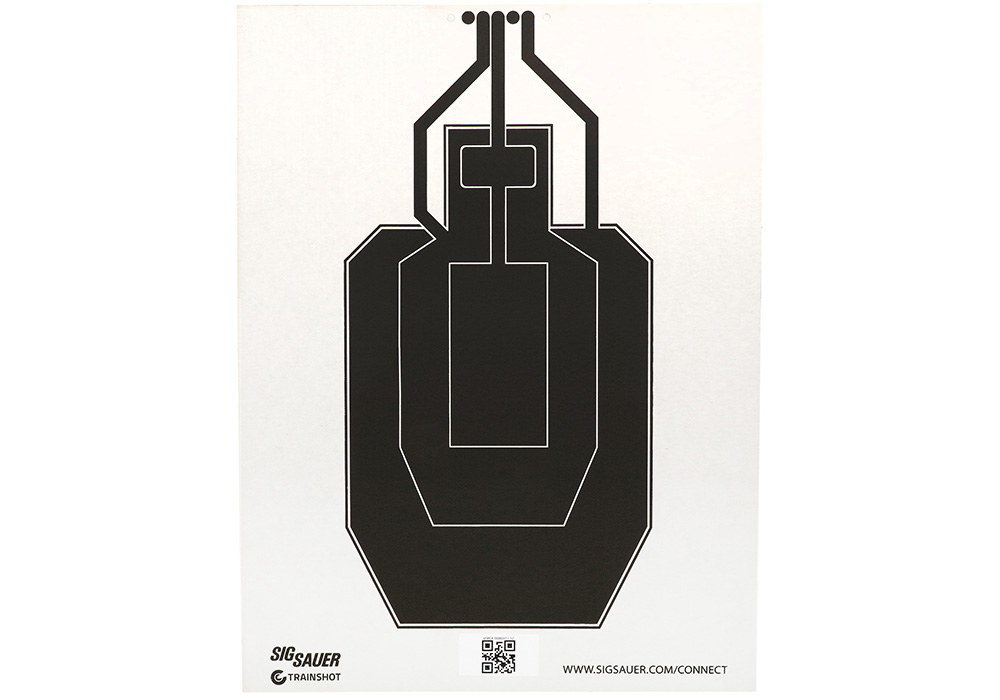
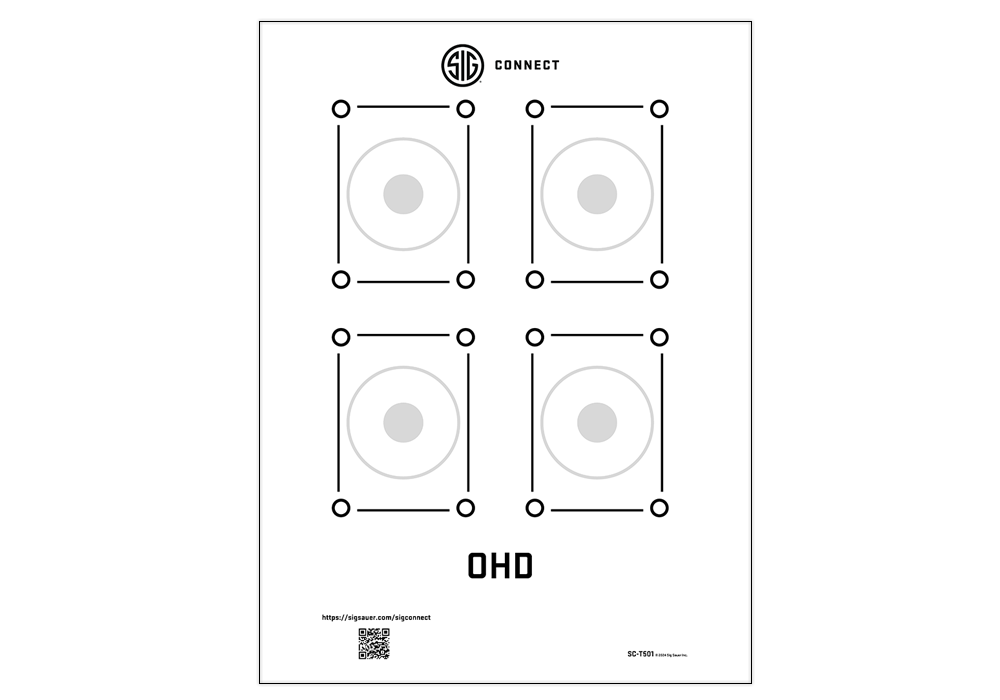
Target training products help bring structure, visibility, and purpose to a range session, whether the goal is to establish sound fundamentals, maintain familiar skills, or prepare for a more demanding course of fire. The right target setup can make each shot easier to evaluate by providing a clear aiming point, defined scoring areas, and visual feedback that remains useful from the first round to the last. Target training is suitable for a wide range of shooters, including those learning the basics under qualified instruction, experienced enthusiasts refining a consistent presentation, and families or friends looking for a practical gift for someone who spends time at a supervised range. It can also be a thoughtful addition to a new shooter’s equipment, particularly when paired with other essentials such as appropriate eye and ear protection, a safe transport method, and access to a lawful shooting facility with a suitable backstop. When selecting targets, consider the type of practice involved, the typical shooting distance, the available lighting, and how easily the target can be seen from the firing line. Large, high-contrast aiming areas may be useful when working on fundamentals or confirming a setup, while more detailed layouts can help organize drills that emphasize precision, transitions, or shot placement. Paper targets are easy to transport and replace, while durable target materials may be convenient for repeated sessions when permitted by the range. Target stands, backers, clips, pasters, and other supporting accessories can also make setup more efficient, especially during cooler months when a simple, organized process helps reduce time spent handling equipment in the elements. Always follow the rules of the range, use targets only as intended, and confirm that the target material is appropriate for the ammunition and distance being used.
A productive target training session begins before the first shot. Take a moment to inspect the firing line, confirm the direction of the backstop, and arrange targets so they are clearly visible without creating confusion between lanes. A clean sheet of paper can reveal more than a single hit; it can show patterns in consistency, changes in point of aim, and whether a shooter is rushing through a presentation or allowing the sights to settle. Marking groups, recording distances, and noting the conditions can turn a stack of used targets into a useful record of progress. Some shooters prefer a simple scorecard, while others mark each group with the drill, distance, and ammunition used. Either approach makes it easier to compare sessions and identify small improvements that might otherwise go unnoticed. Visual feedback is especially valuable when practicing in changing light, during the cooler months, or after a break from regular range time. A target that remains legible in shaded conditions can help maintain a clear point of focus, while a design with distinct scoring zones can support controlled practice without requiring complicated equipment. For shooters who want to see hits more clearly at greater distances, Hit Tracking Targets can provide an especially practical way to monitor results from the firing line. Targets may also support dry-fire preparation when used in a safe, unloaded environment, with the firearm handled according to all safety rules and local requirements. In that setting, a target can provide a consistent visual reference for practicing sight alignment, presentation, and trigger-control movements without live ammunition. Dry practice and live-fire practice serve different purposes, but together they can help make range time more focused and deliberate.
Choosing target training supplies is ultimately about matching the format to the shooter, the facility, and the intended practice. A new shooter may benefit from uncomplicated designs that make it easy to understand where shots land, while an experienced shooter may prefer targets with multiple aiming points for working through a sequence of drills. Instructors often look for layouts that allow several students to receive clear feedback without frequent target changes, and recreational shooters may value compact, easy-to-carry options that fit naturally into a range bag. Targets can also make a useful gift for a spouse, friend, parent, or training partner who already enjoys responsible range time, since they are practical, consumable, and easy to use across many sessions. Before purchasing, review the dimensions, paper or material type, intended distance, mounting method, and any range restrictions that may affect compatibility. Think about storage as well: flat targets should remain protected from moisture and bending, while adhesive accessories and small mounting components are best kept together in a dry compartment. As the weather shifts from mild days to colder conditions, a thoughtfully selected target setup can keep practice simple and productive, whether the session takes place under bright afternoon light or beneath an overcast sky. The most useful target is one that supports safe habits, provides understandable feedback, and fits naturally into a repeatable routine. With appropriate supervision, responsible firearm handling, and a clear training objective, target training products can help turn limited range time into measured practice that feels organized, informative, and rewarding.