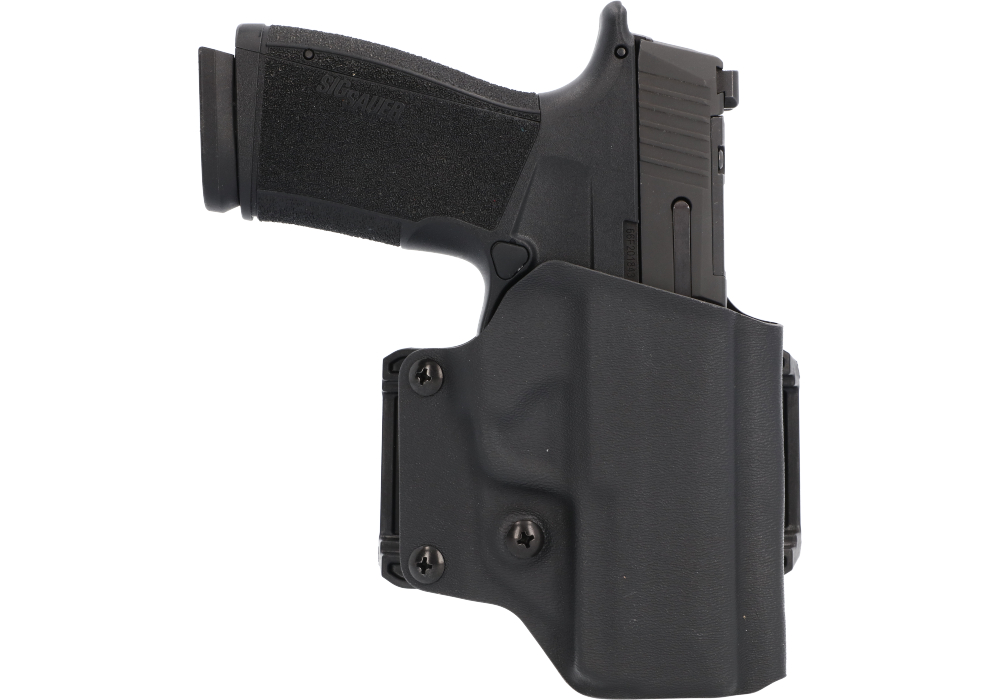
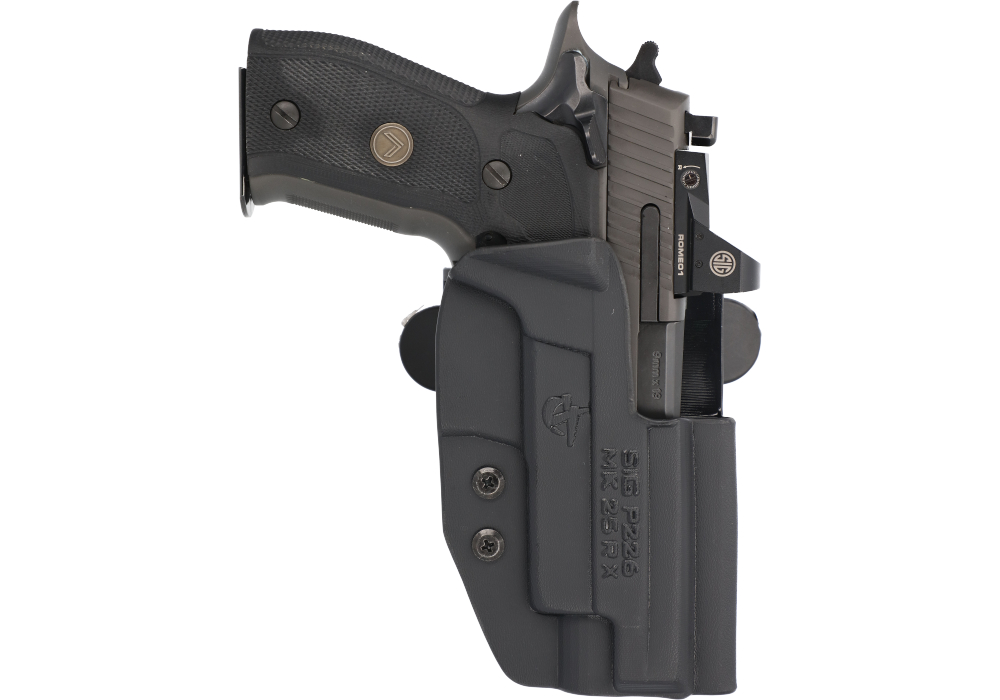
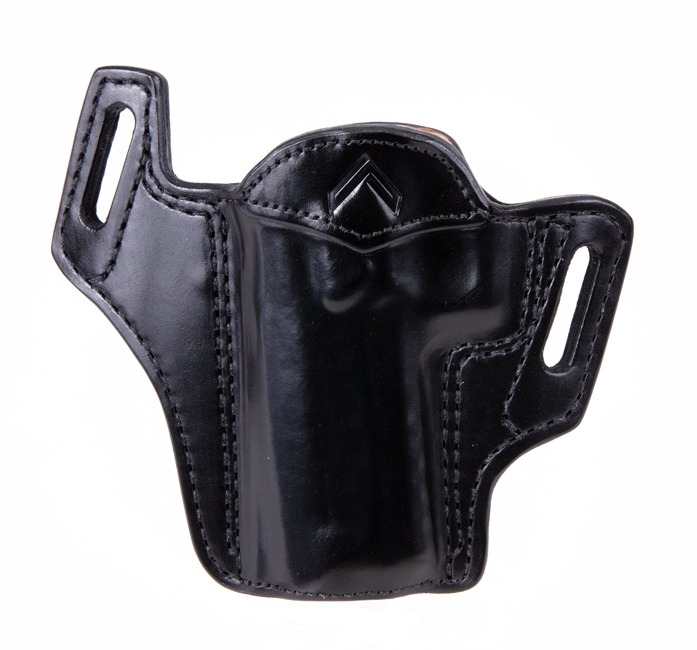
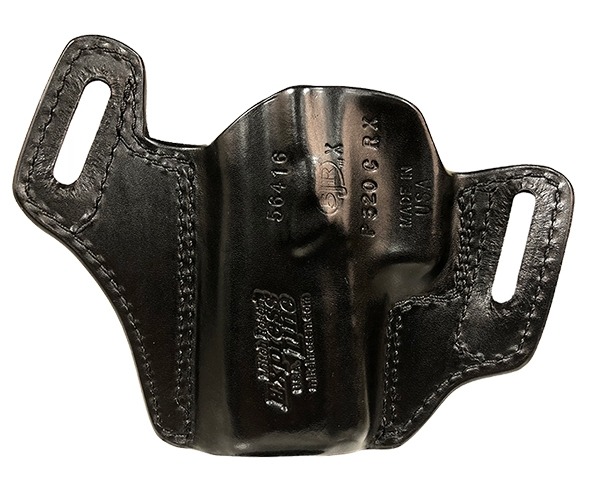
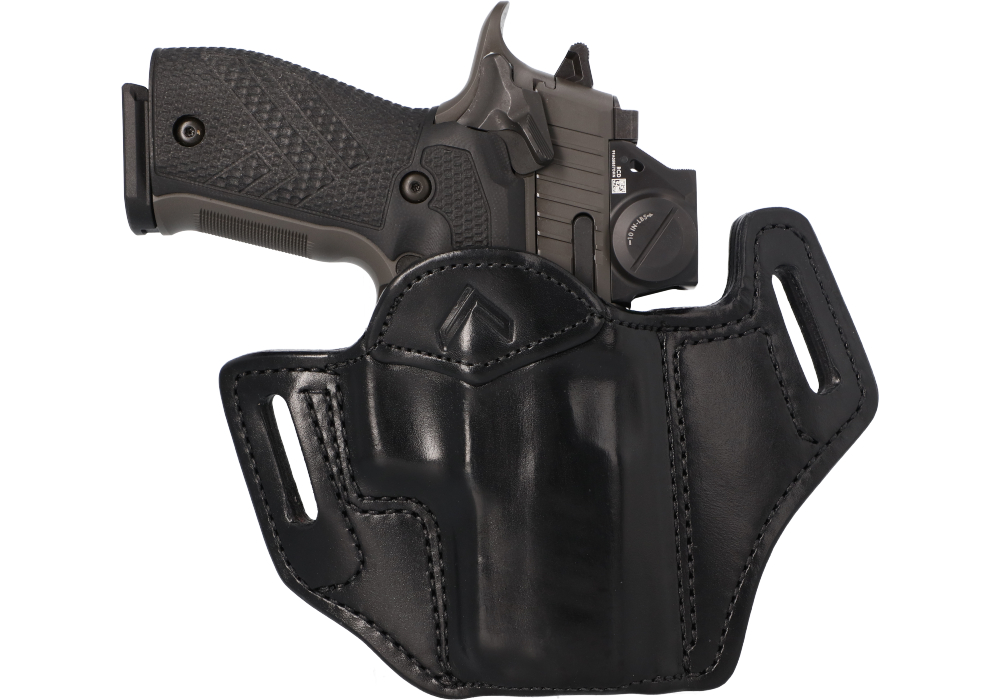
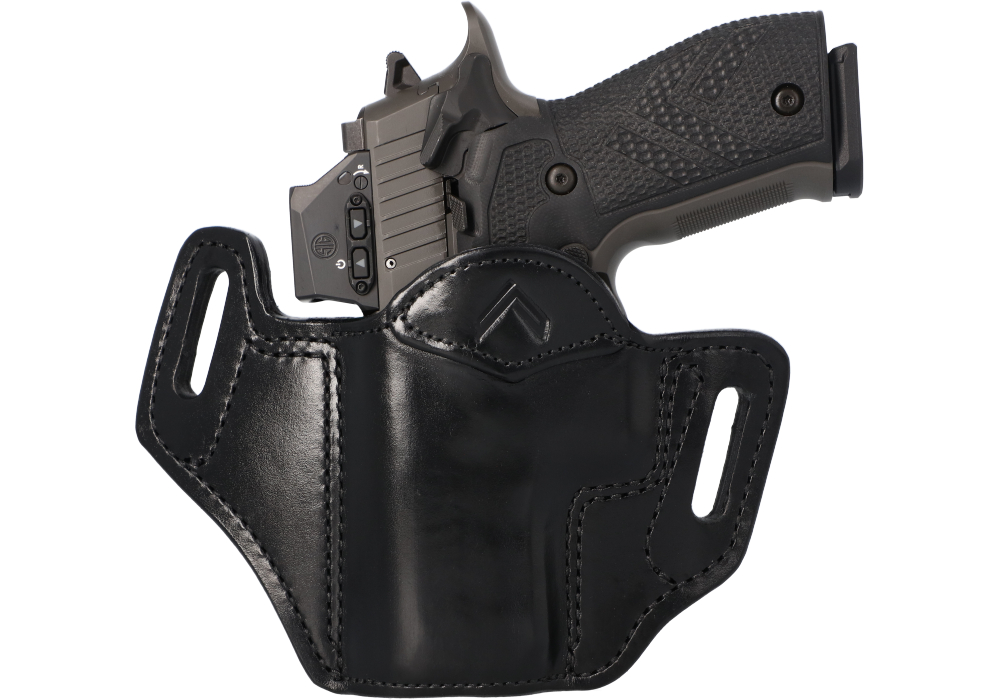
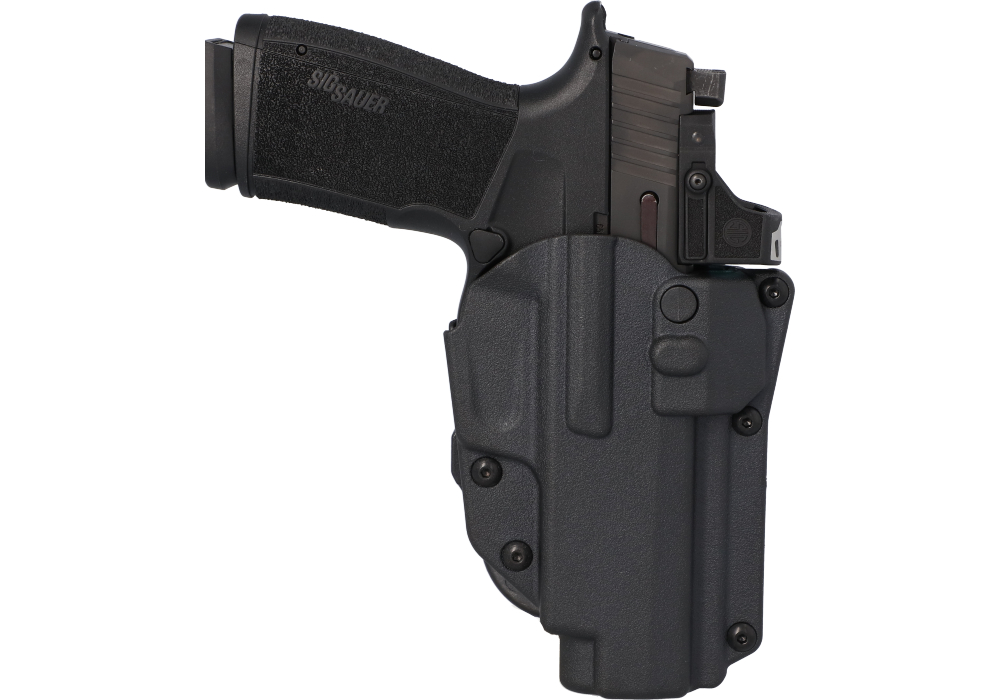
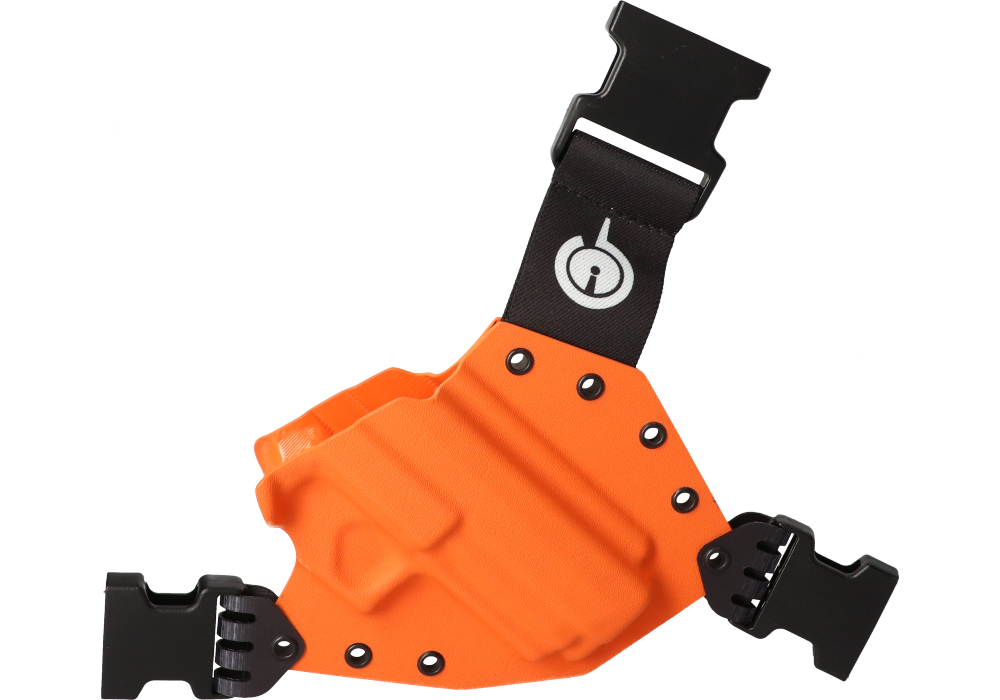
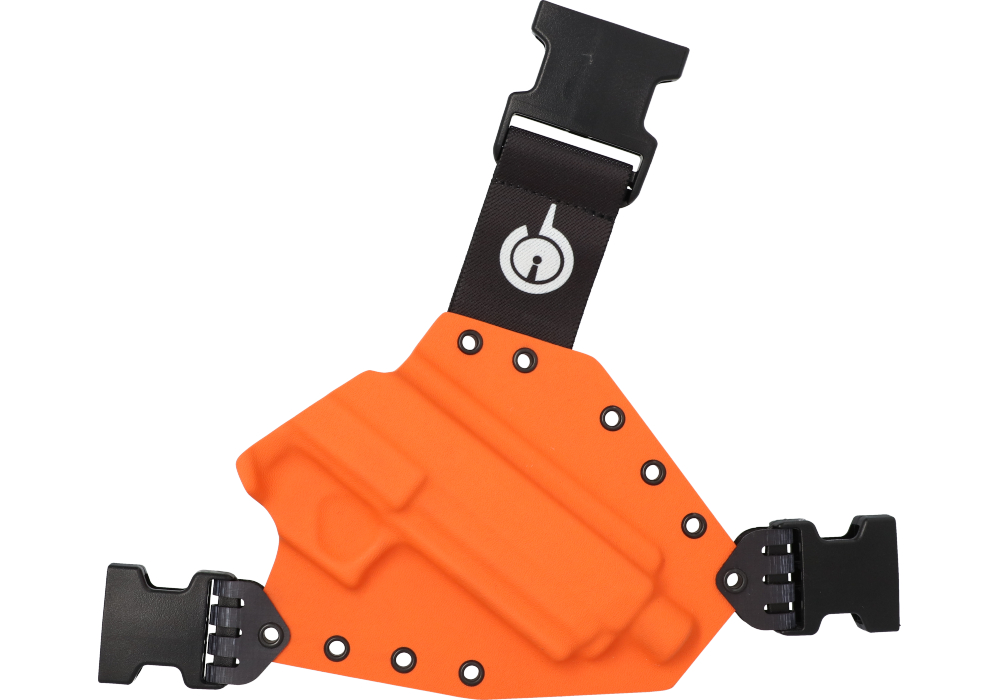
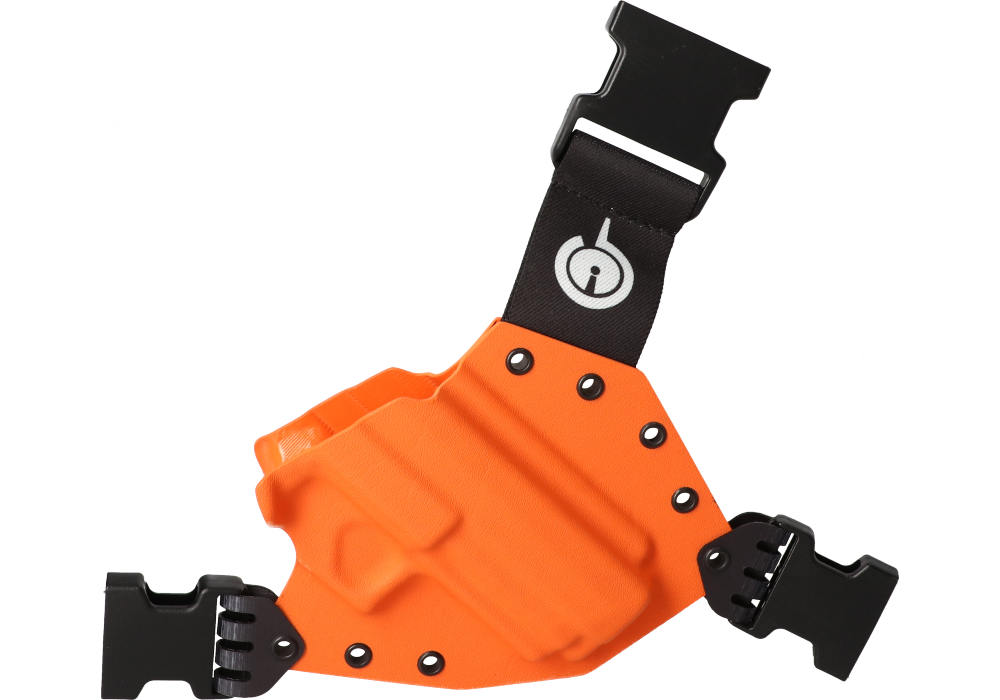
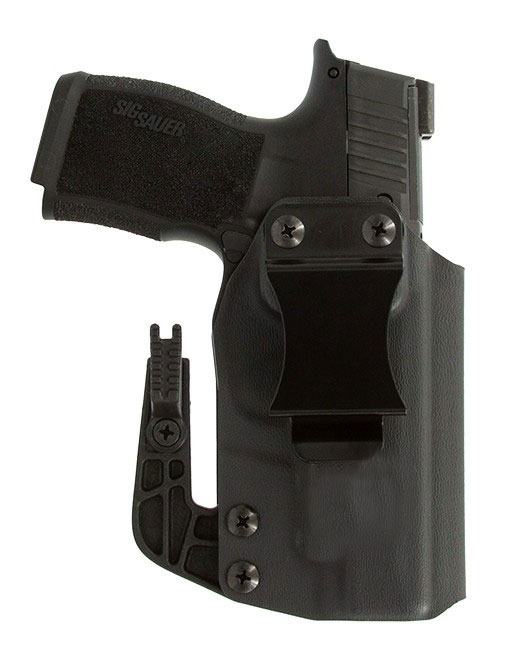
A holster for open carry should provide a stable, protective platform that keeps the firearm positioned consistently while allowing the wearer to move naturally. Outside-the-waistband (OWB) holsters are the most common choice for open carry because they place the firearm on the hip with a clear path to the grip and room for a controlled draw. Strong-side hip carry is familiar, balanced, and practical for many everyday users, while cross-draw, chest, and drop-leg configurations can be useful for specific activities such as driving, hiking, ranch work, or spending long hours outdoors. The best choice depends on the firearm’s exact make and model, barrel length, frame dimensions, and any attached light or optic. A holster should be molded or fitted for that complete setup rather than selected by general firearm size alone. During the cooler months, outer layers can brush against the grip or retention mechanism, so a well-positioned holster and deliberate clothing arrangement become especially important. Before carrying, verify that the holster fully covers the trigger guard, holds the firearm securely during walking and bending, and allows the firearm to be drawn without snagging on a coat, shirt, backpack strap, or seat belt. Local laws and regulations governing open carry vary widely, and responsible owners should confirm the requirements that apply to their location before carrying in public.
Retention is a central consideration when choosing a holster for open carry. Passive retention relies on the fit and tension of the holster, while active retention adds a mechanical safeguard such as a thumb break, rotating hood, lever, or push-button release. Retention levels are described differently across manufacturers, but Level 2 and Level 3 designs generally incorporate an active release system intended to make an unauthorized grab more difficult. This added security can be particularly valuable in crowded public spaces, around children, during physical work, or whenever the wearer may be moving through brush, climbing into a vehicle, or interacting with other people. The release should be easy for the owner to operate with a consistent motion, but it should not disengage accidentally when the wearer sits, brushes against furniture, or adjusts a belt. Rigid materials such as molded polymer and Kydex-style thermoplastics help maintain the holster’s shape and keep the trigger area protected, while heavy-duty leather offers a traditional feel and can provide a comfortable, close-fitting profile when properly constructed. Whichever material is selected, the opening should remain stable enough for careful reholstering without requiring the wearer to use the other hand to hold it open. Practice should begin with an unloaded firearm in a controlled setting, emphasizing a straight, indexed trigger finger, a clear garment path, and a slow return to the holster. A secure holster is only one part of a safe carry system; training, awareness, and regular inspection of screws, clips, snaps, tension hardware, and retention devices are equally important. Owners who use a firearm with an optic or weapon light should confirm that the holster is designed for that configuration, since even a small change in equipment can affect fit and retention.
The belt or mounting system deserves the same attention as the holster itself. A stiff, reinforced gun belt helps support the combined weight of the firearm, magazines, and holster while reducing sagging, shifting, and outward tilt. Standard belt loops or belt slots typically offer dependable stability for everyday hip carry, while paddle mounts can make on-and-off use convenient; however, the wearer should still check that the attachment remains secure during normal movement. Drop-leg and chest rigs may provide better access when a waist-mounted holster conflicts with tools, packs, body armor, or heavy outdoor clothing, but each configuration changes the draw angle and should be practiced accordingly. Fit should be evaluated while standing, sitting, walking, and entering a vehicle, since a setup that feels comfortable in front of a mirror may press into the hip or become difficult to reach after hours of use. Open carry can also be a thoughtful gift for an experienced firearm owner, especially when the recipient’s exact firearm and accessories are known, though a gift card or accessory chosen together is often safer than guessing at compatibility. For shoppers comparing options, browsing Holsters For Men can help narrow the selection by carry style and intended use. Whether the holster is selected for daily wear, outdoor work, training, or range use, prioritize a precise fit, dependable retention, protected trigger coverage, comfortable positioning, and compatibility with the belt and firearm setup. Those details help create a carry system that remains secure and predictable from the first cool morning through the changing conditions of the season.