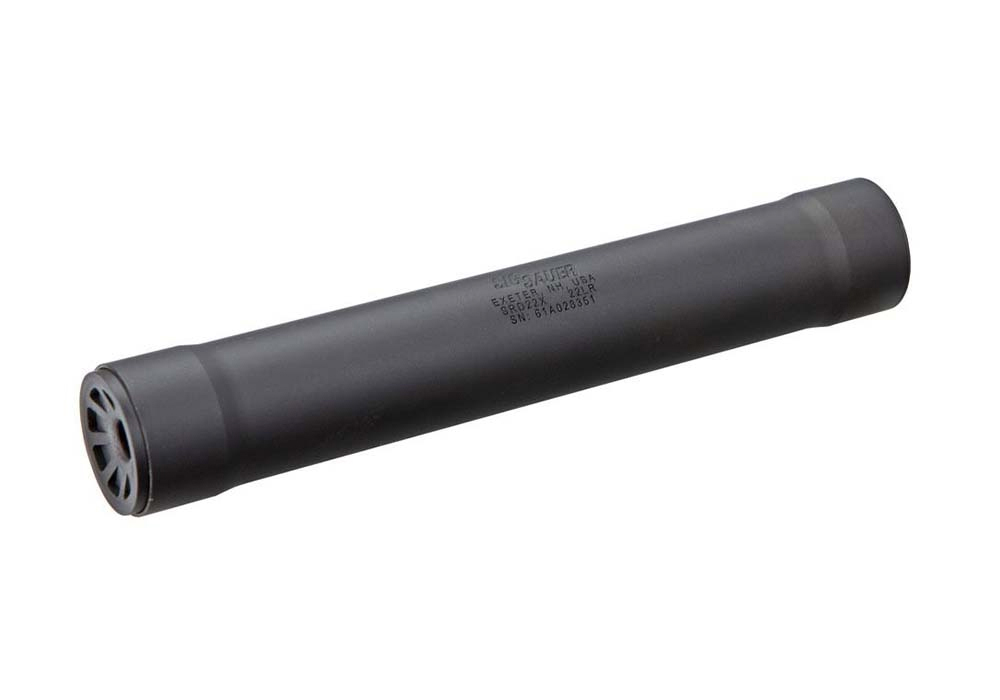
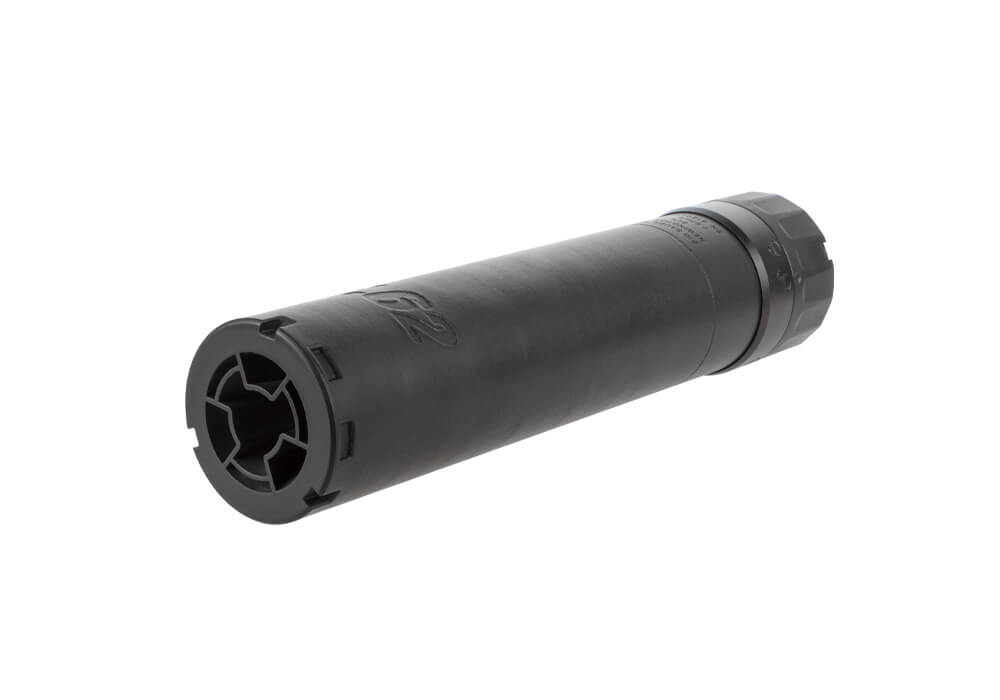
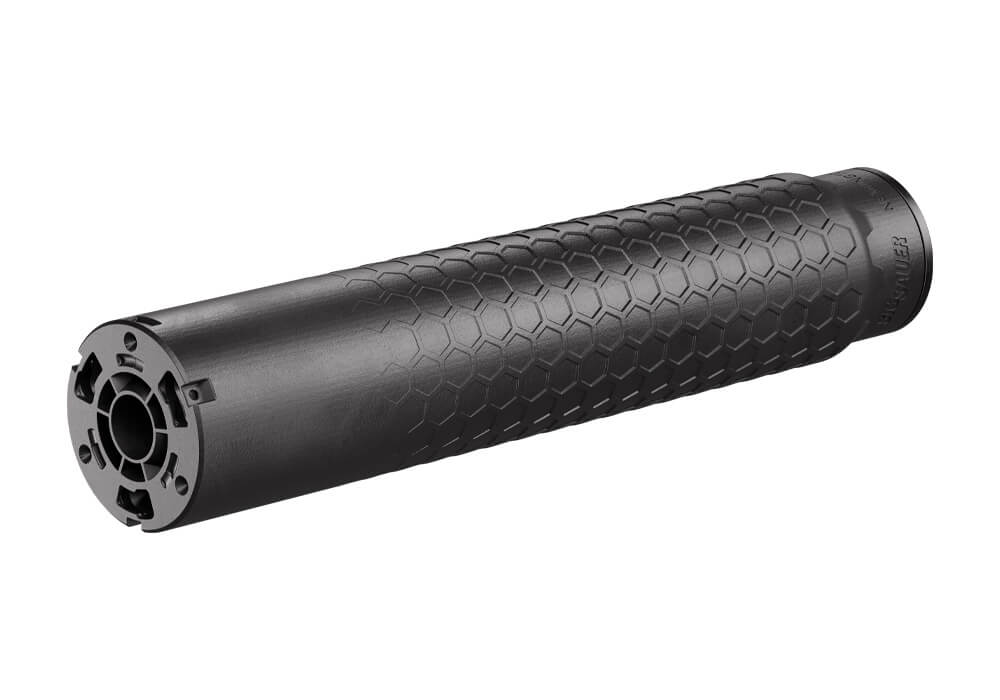
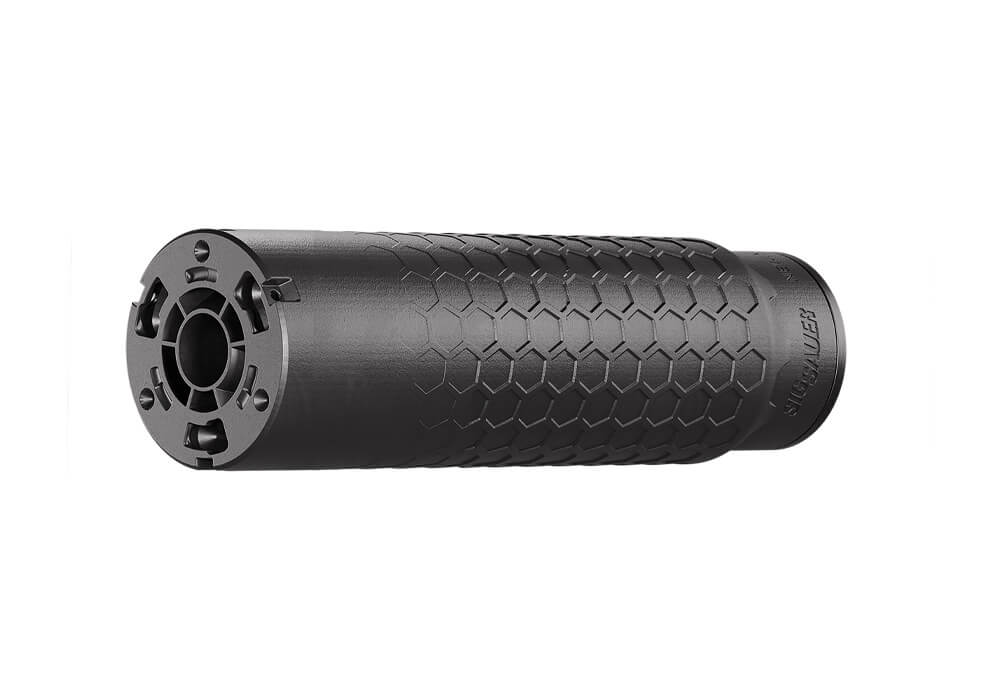
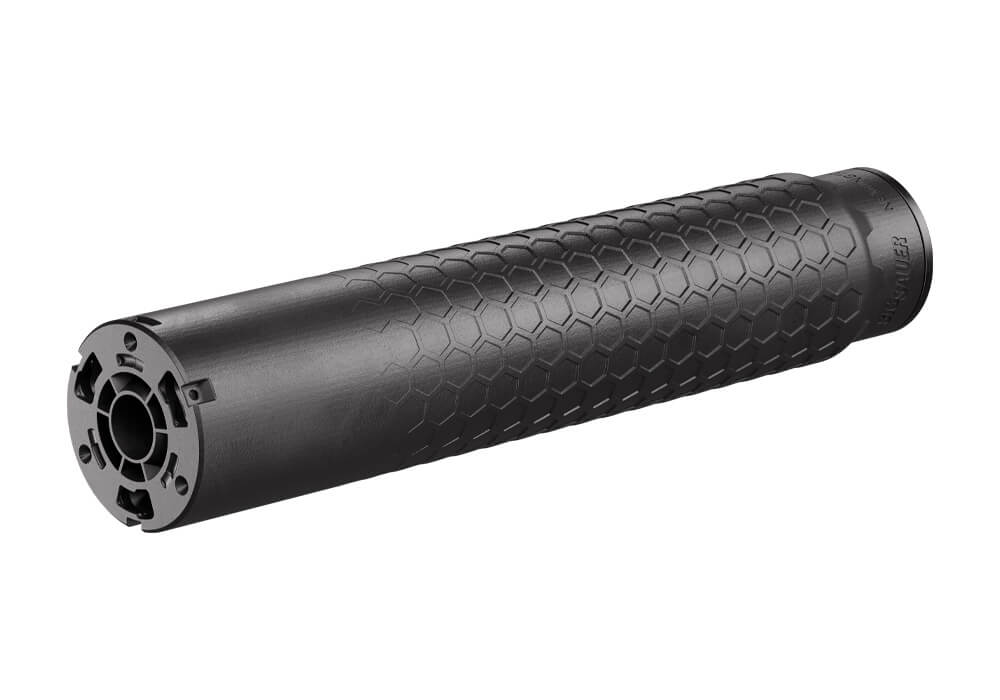
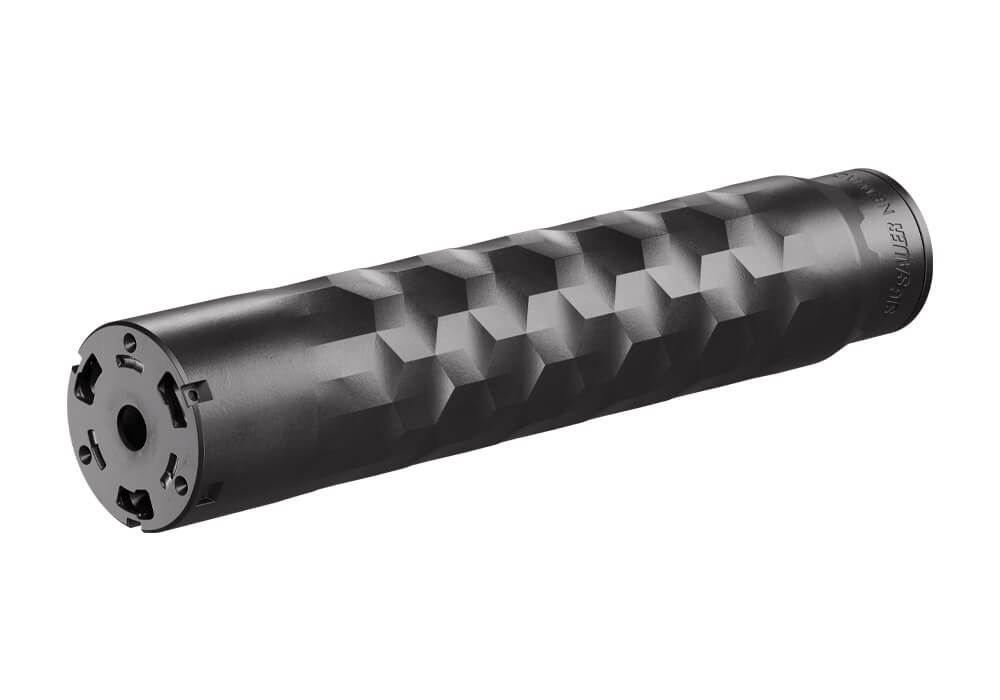
Choosing a first suppressor is an important part of setting up a quieter, more comfortable shooting system, and the products gathered on this page are intended to help shoppers compare practical options before beginning the purchase process. A suppressor can reduce muzzle report, soften the sharpness of a shot, and help make time on the range or in the field more enjoyable, but it does not eliminate sound or replace proper hearing protection. The right choice begins with the firearm or firearms it will be used with. Consider the cartridge, barrel length, action type, expected firing schedule, and whether the suppressor will remain on one host or move between several compatible firearms. A compact rimfire suppressor may be well suited to small-game rifles, training, and casual range use, while a centerfire model may be selected for a hunting rifle, pistol-caliber carbine, or other host that places different demands on construction and performance. Shoppers should also review the suppressor’s caliber rating, pressure limits, mounting requirements, diameter, length, and weight. A few extra ounces at the muzzle can be noticeable when carrying a rifle through wooded ground during the cooler months, while a shorter configuration may be more convenient when moving through a blind, climbing into a vehicle, or working around a bench. Thread pattern and mounting system deserve equal attention. Direct-thread models can offer a straightforward setup for a dedicated host, while a compatible quick-detach system may be useful for someone who regularly moves one suppressor among multiple firearms. Before ordering, verify the firearm’s barrel threading and confirm that any required mount, piston, booster, or adapter is appropriate for the host. These details are easy to overlook when comparing specifications, yet they often determine whether a suppressor fits naturally into an existing setup or requires additional components.
Suppressors are regulated products, and the purchase process includes federal requirements as well as any applicable state or local restrictions. Buyers must meet the legal requirements for possession, complete the required transfer paperwork, and receive approval before taking possession from a licensed dealer. The exact process can vary depending on the purchaser’s circumstances and the method of registration, so it is wise to review current guidance from the Bureau of Alcohol, Tobacco, Firearms and Explosives and consult the dealer handling the transfer. A retailer can explain how the suppressor will be entered into the transfer, what identification and forms are needed, and how the item will be stored while approval is pending. Expect the process to require patience; a suppressor is not treated like an ordinary accessory that can simply be added to a cart and taken home. The approved owner should be the person who ultimately receives and controls it, which is especially important when considering a suppressor as a present. It generally cannot be handed to another adult as an informal gift, and a recipient should not be surprised with one unless the legal transfer has been properly arranged. For a thoughtful gift, shoppers may instead consider non-regulated accessories that support a future suppressor setup, such as a storage solution, maintenance tools, protective covers, or range equipment, while allowing the intended owner to complete the regulated purchase personally. Anyone exploring a rimfire setup for small-game hunting or field practice can review Hunting Rimfire Suppressors alongside the other options listed here, keeping in mind that hunting laws, approved ammunition, and firearm regulations differ by jurisdiction.
After approval and transfer, safe handling remains central to getting lasting value from a suppressor. Use the suppressor only on a host and ammunition combination that falls within its specifications, and inspect the mounting interface before each session. A secure attachment should be checked throughout extended range use, particularly when heat, recoil, or repeated removal and installation may affect alignment. Never assume that a suppressor makes an unsafe direction of fire acceptable or that reduced report means a shot presents no hearing risk; safe backstops, eye protection, ear protection, and responsible firearm handling still apply. Maintenance requirements also vary by design. Some rimfire suppressors collect considerable fouling and may be user-serviceable, while many centerfire models are designed for different cleaning intervals or service procedures. Follow the manufacturer’s instructions rather than improvising with aggressive solvents, tools, or disassembly methods that could damage internal components. Store the suppressor unloaded, dry, and secured from unauthorized access, and give it time to cool before placing it in a case or handling it after a long string of fire. For hunters, a suppressor can make a long walk with a rifle more comfortable and may help preserve a calmer field experience; for range users, it can reduce the harshness of repeated shooting and make conversation or instruction easier between strings. During the warmer and cooler portions of the year alike, the best setup is one that matches the firearm, the intended use, and the owner’s habits. Reviewing those practical considerations before starting the transfer can make the first purchase more straightforward and help ensure the selected suppressor becomes a useful, properly maintained part of a responsible shooting system.