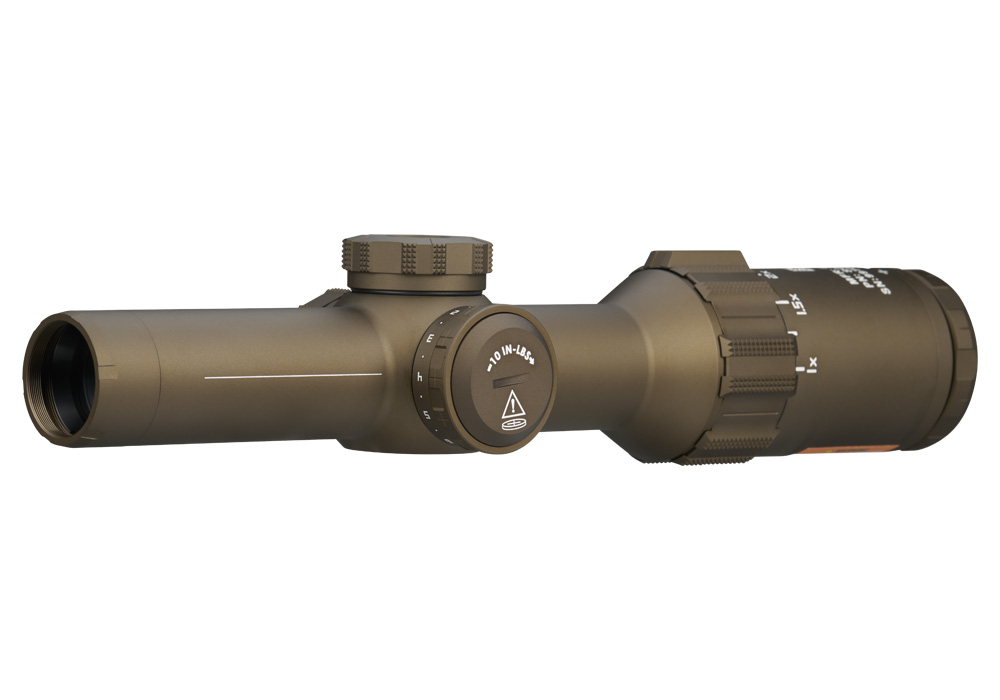
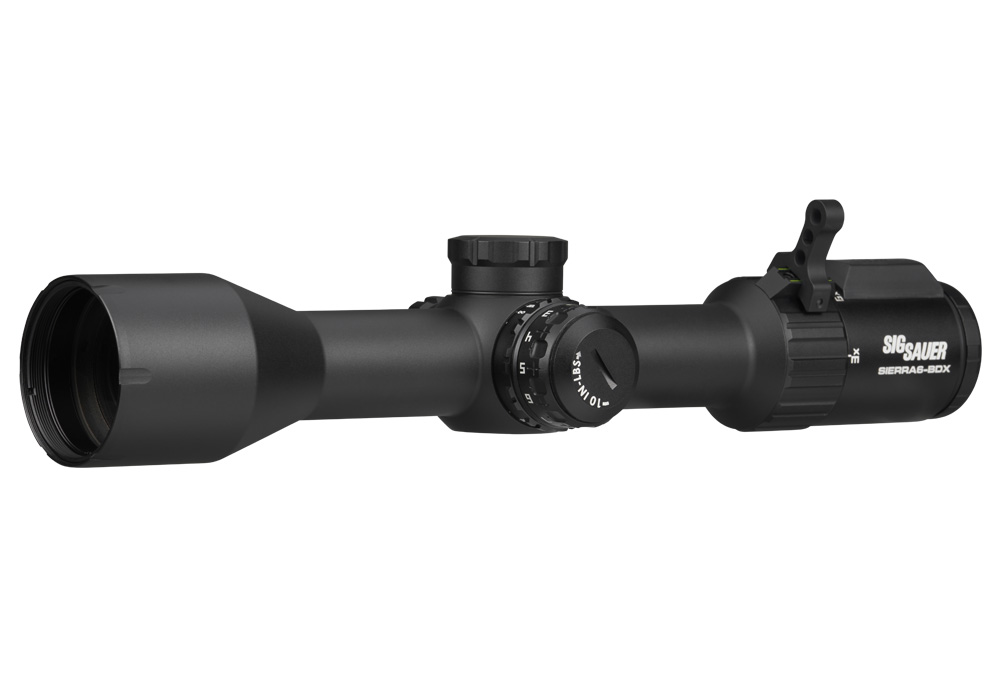
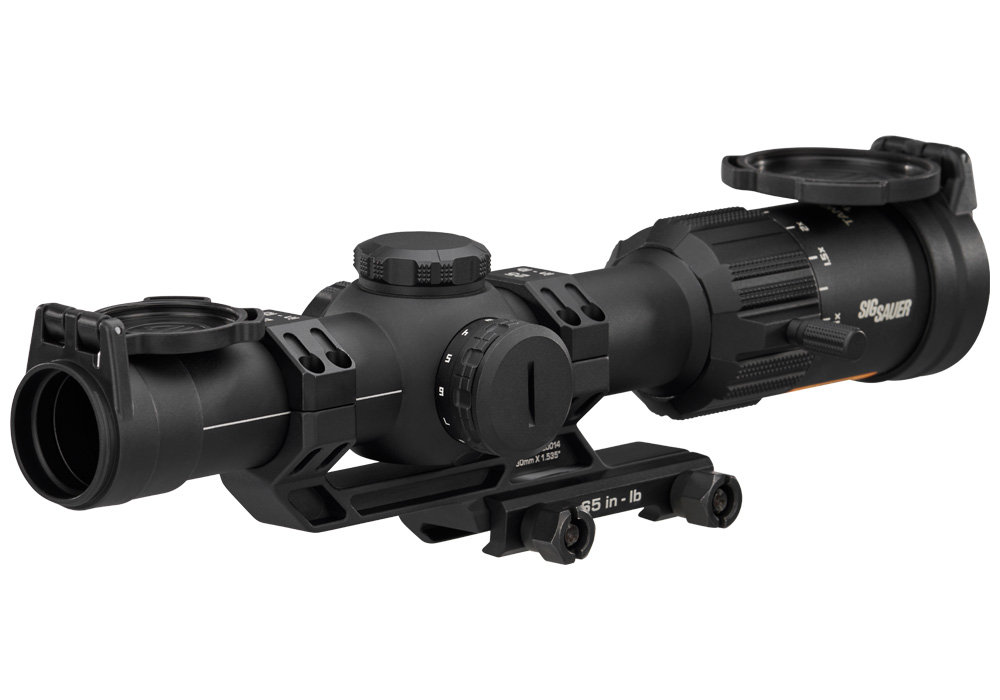
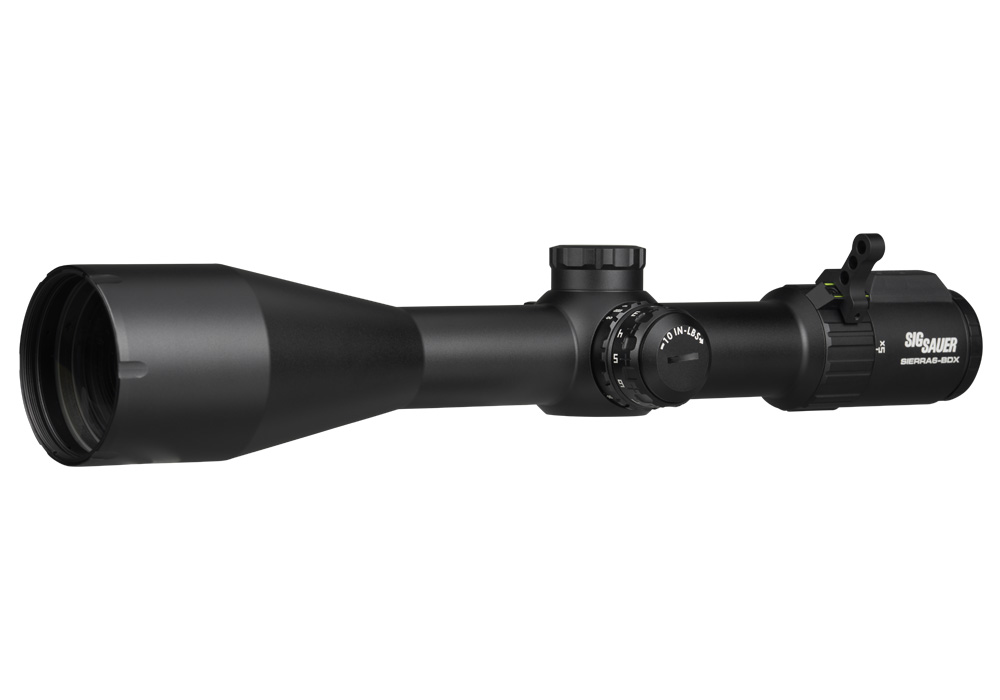
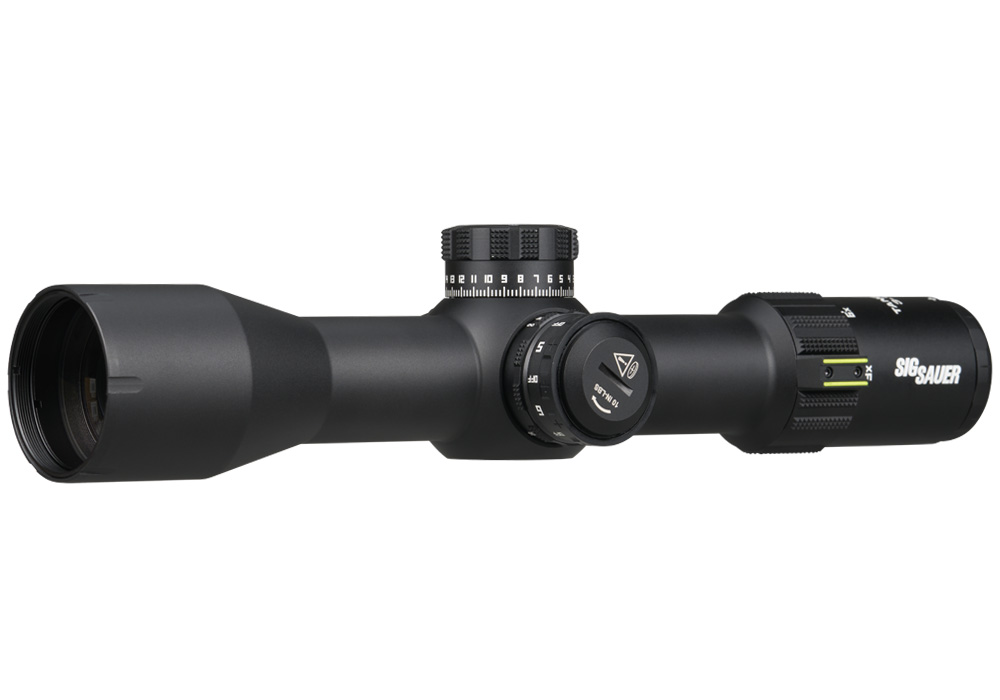
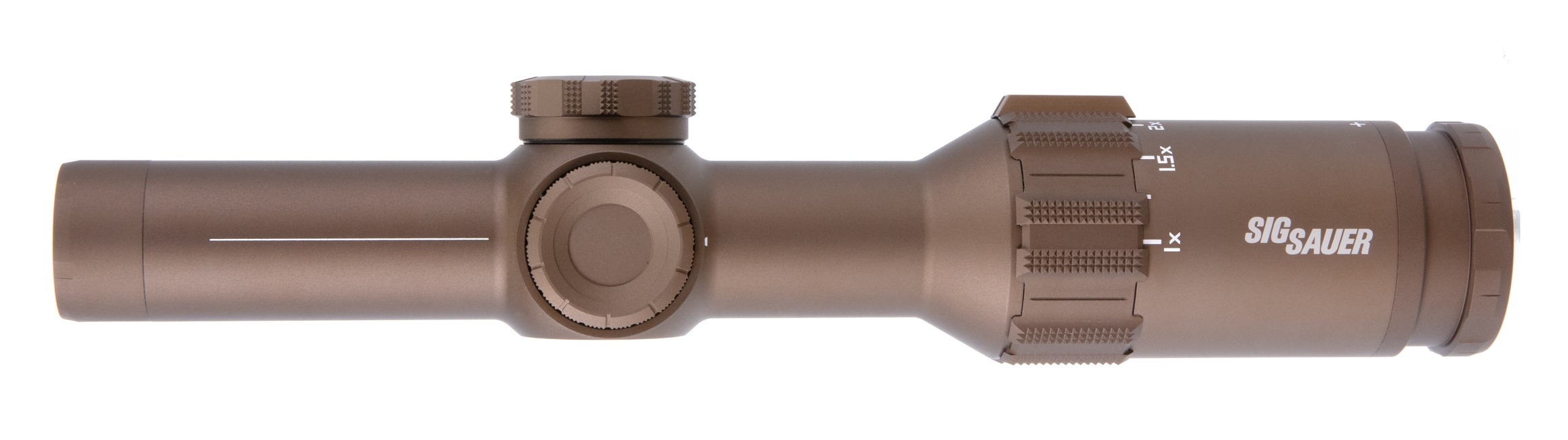
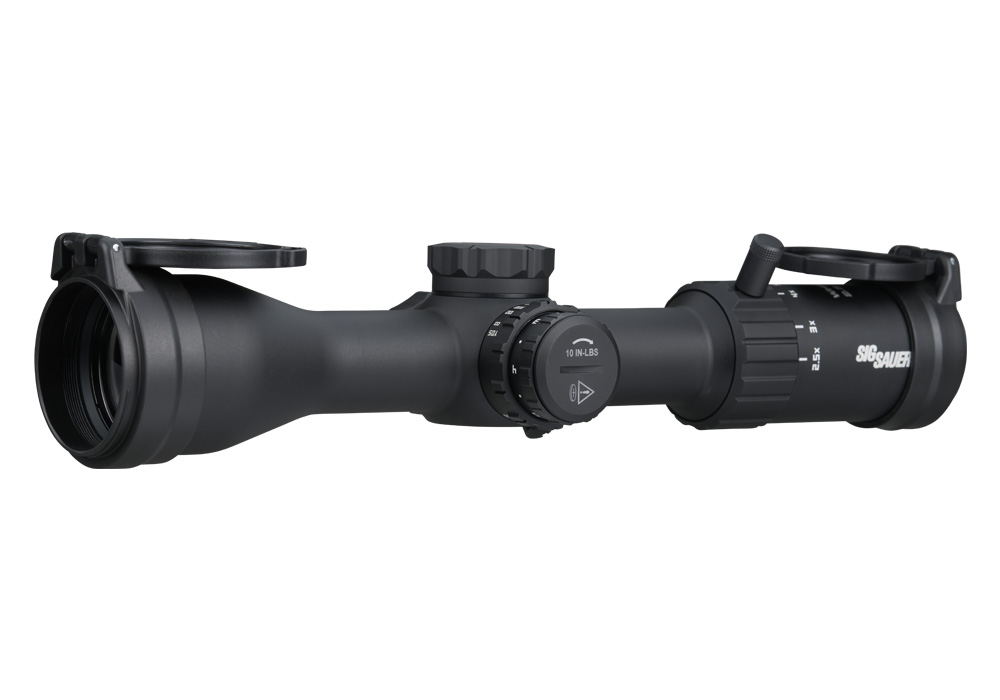
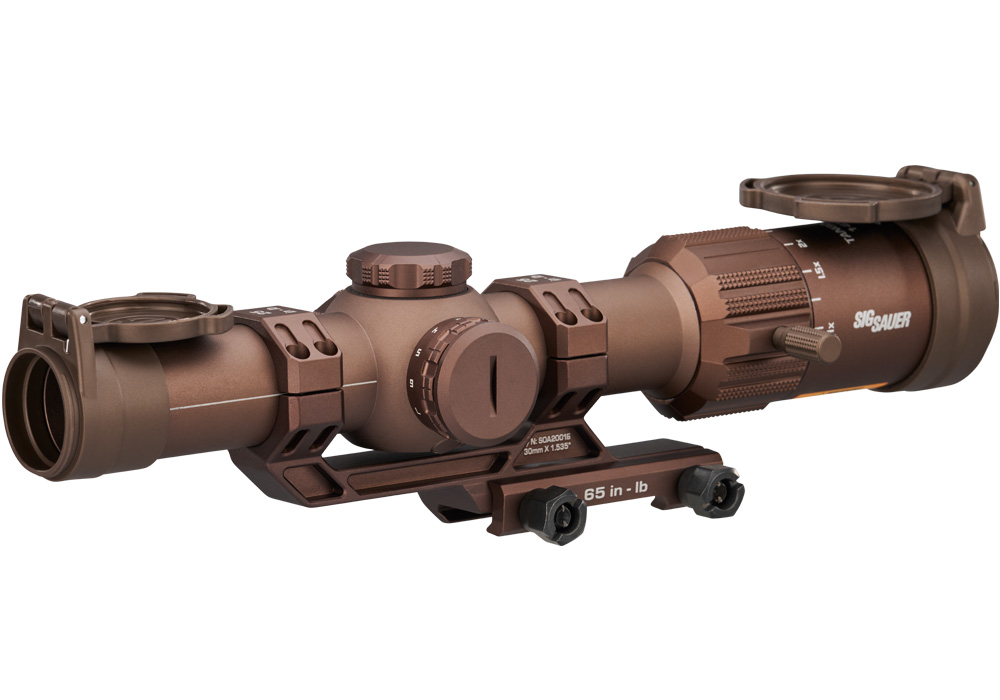
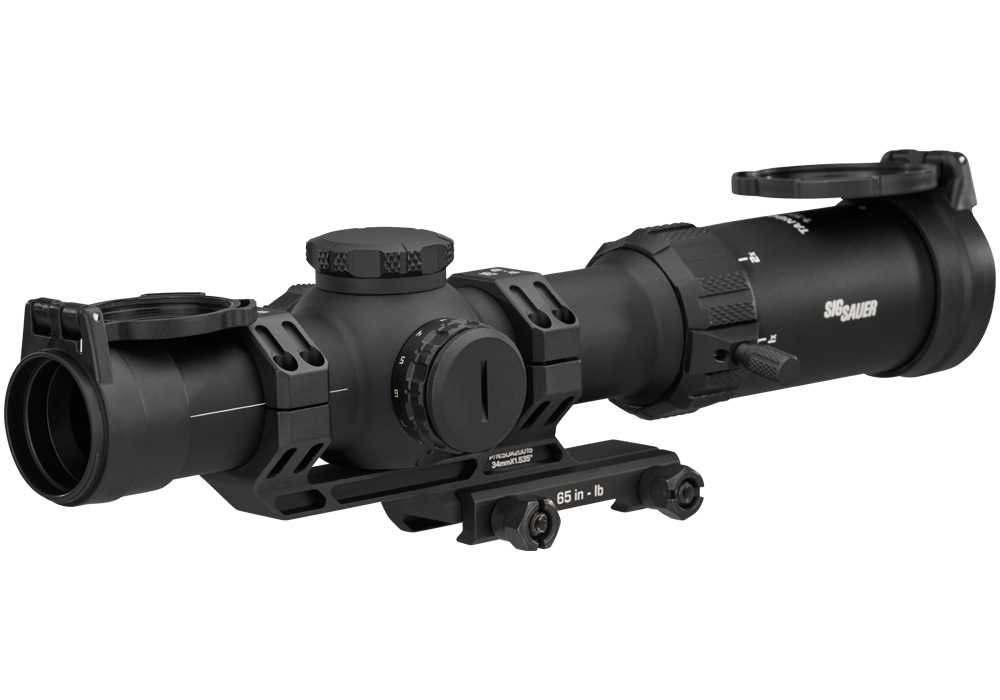
Hunting prismatic scopes offer a compact, practical aiming solution for hunters who want a durable optic without the length and weight of a traditional variable-power rifle scope. Instead of relying on a long series of lenses, a prism scope uses a glass prism to fold the optical path into a shorter housing. The result is an optic that can sit neatly on a hunting rifle while leaving room for a comfortable, balanced carry through timber, fields, and uneven ground. Many hunters appreciate this streamlined profile when moving through thick cover, where bulky equipment can catch on branches or brush. A prismatic scope can also be a strong choice for those who prefer a defined aiming point rather than the projected dot of a conventional red dot sight. Its etched reticle is physically engraved into the glass, so the reticle remains visible even when the illumination is switched off or the battery is depleted. Battery-powered illumination can add contrast during the dim conditions common at dawn, dusk, or beneath a shaded canopy, while the unlit reticle provides a dependable aiming reference in brighter conditions. This combination makes a prism optic useful across the changing light that often accompanies a hunt during the cooler months. Hunters who experience astigmatism may also find an etched reticle more comfortable to view than a projected red dot, which can sometimes appear blurred, stretched, or star-shaped. As with any sighting system, individual vision and mounting position matter, so confirming that the reticle appears crisp from a natural cheek weld is an important part of choosing the right optic.
One of the defining characteristics of hunting prismatic scopes is fixed magnification. Rather than turning a magnification ring between a low and high setting, the hunter works with a consistent level of magnification selected for the rifle, terrain, and typical shooting distance. A 1x prism optic can support fast, both-eyes-open aiming at short distances and may suit close-range hunting in dense woods or other areas where a wide field of view is especially valuable. A 3x optic offers a versatile middle ground, adding useful target definition for general-purpose hunting while remaining quick to acquire at shorter distances. For hunters who spend more time across open ground or expect deliberate shots at extended ranges, a 4x or 5x option can provide additional detail for identifying a legal target and placing a precise shot, provided the shooter’s experience, rifle, ammunition, and local regulations support that use. These ranges are general points of reference rather than guarantees; practical performance depends on the optic’s glass quality, reticle design, eye relief, mounting height, rifle fit, and the conditions in the field. A clear sight picture is only part of the equation. Consider whether the optic offers enough eye relief for the firearm, whether the reticle remains easy to distinguish against dark timber or pale grass, and whether the adjustment controls are straightforward to use with gloved hands. A sturdy mount matched to the rifle’s rail system is equally important, since a well-built optic cannot perform properly if it shifts under recoil. Hunters comparing options for a deer rifle may also wish to browse Deer Hunting Scopes for additional configurations suited to their preferred terrain and shooting style.
The best hunting optic is the one that fits naturally into the way a person actually hunts. A hunter who spends long mornings still-hunting through hardwoods may value a lightweight optic with generous eye relief, a forgiving eye box, and a reticle that can be found quickly when a deer steps from shadow into a narrow opening. Someone pursuing hogs or varmints around field edges may prefer a wider field of view for tracking movement at close range, paired with enough fixed magnification to support careful shots across open terrain. A prism scope can also make a thoughtful gift for a new hunter, an experienced relative refining a favorite rifle, or a range enthusiast preparing equipment for the season. Before purchasing, consider the recipient’s firearm, rail type, preferred hunting distance, dominant eye, and comfort with illuminated reticles. It is also worth checking the optic’s adjustment range, turret style, waterproof and fog-resistant construction, and ability to hold zero through transport and recoil. During early fall, changing temperatures can bring bright afternoons, cool mornings, and mist along the tree line; as the season moves toward colder weather, gloves, condensation, and lower natural light can make easy controls and a visible reticle even more valuable. Practice should remain part of the setup process. Mount the optic securely, confirm a proper cheek weld, sight in with the ammunition intended for the hunt, and spend time shooting from realistic positions such as sitting, kneeling, or using a rest. A few quiet practice sessions can reveal whether the fixed magnification, reticle, and eye relief feel intuitive before a hunter is standing beneath frosted branches with only a brief, responsible opportunity. Follow all applicable laws, identify game carefully, and use an optic as one part of a complete, ethical hunting setup.