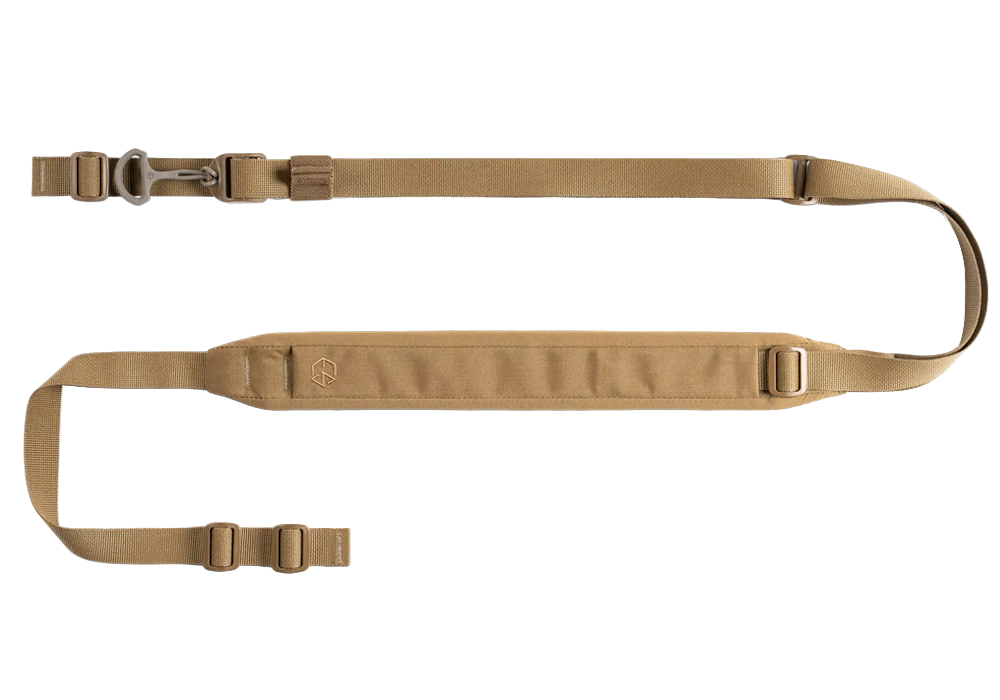
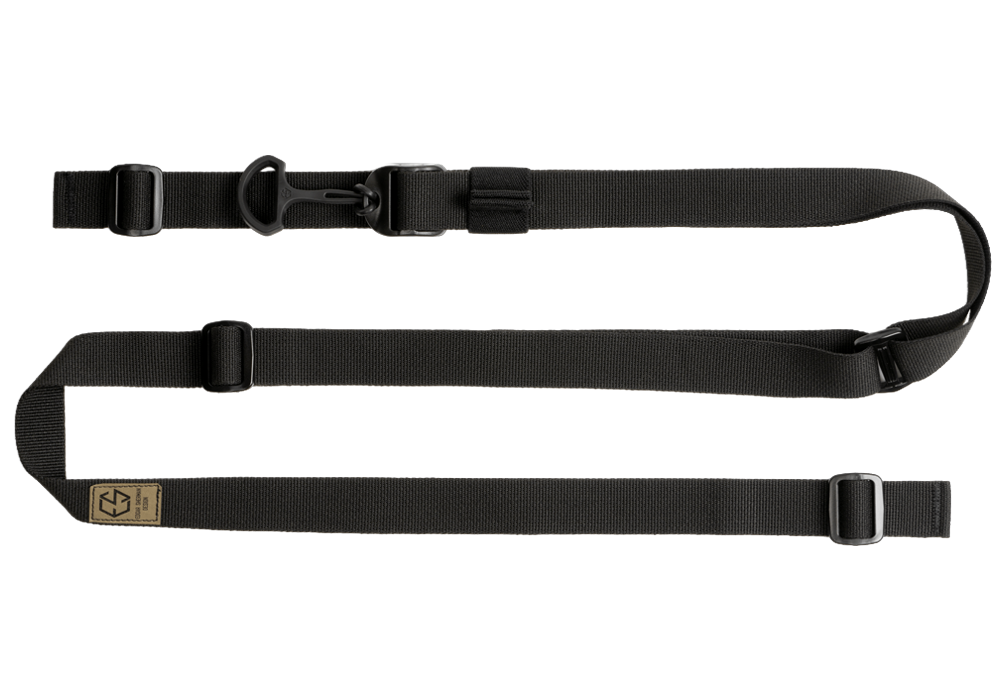
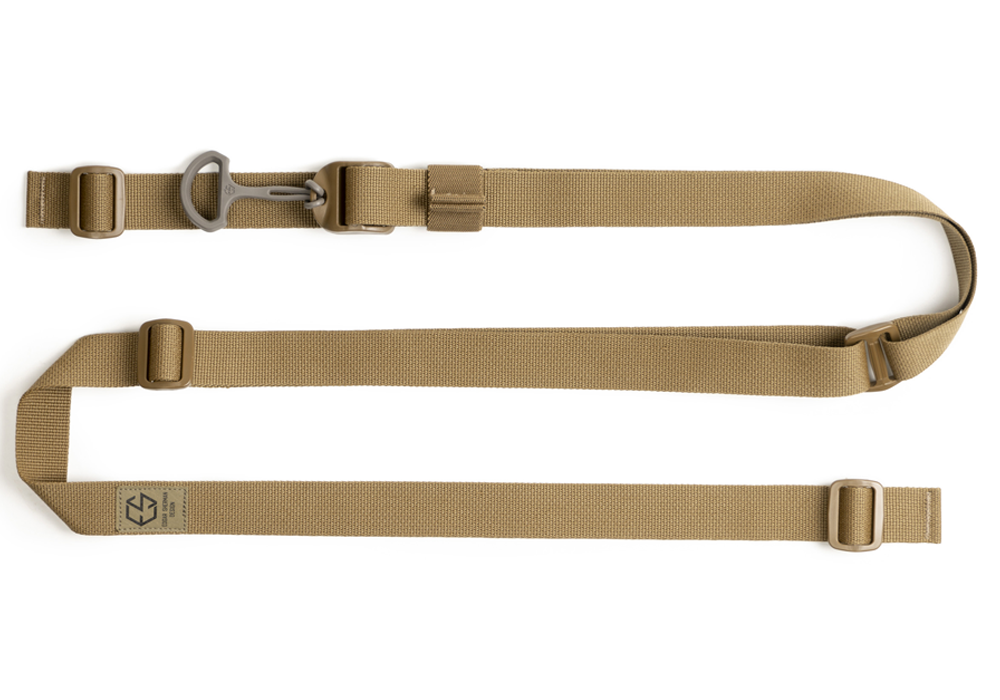
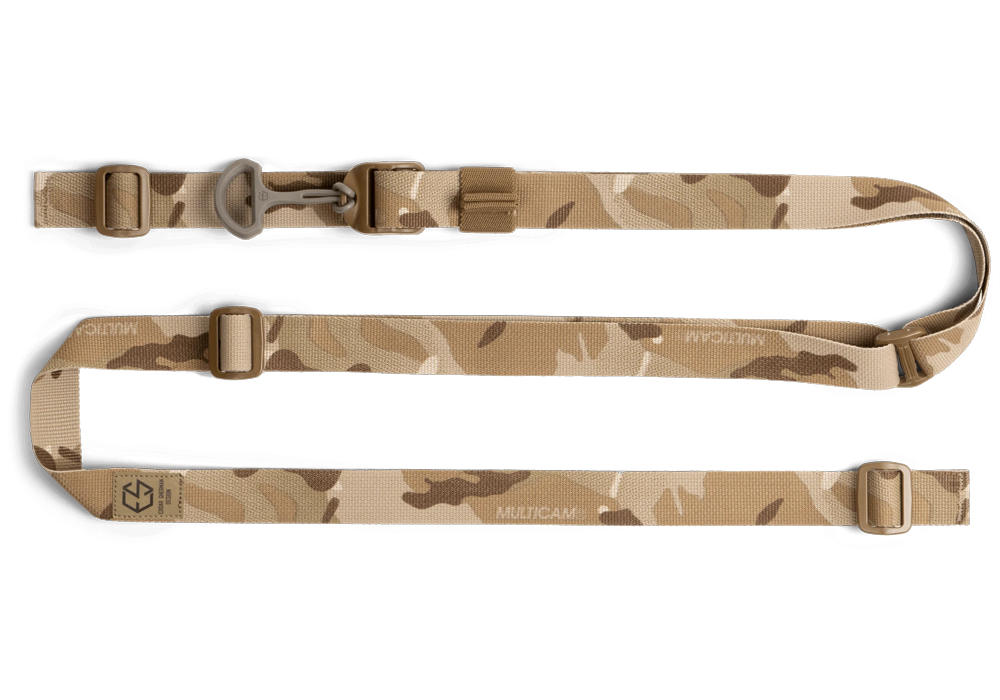
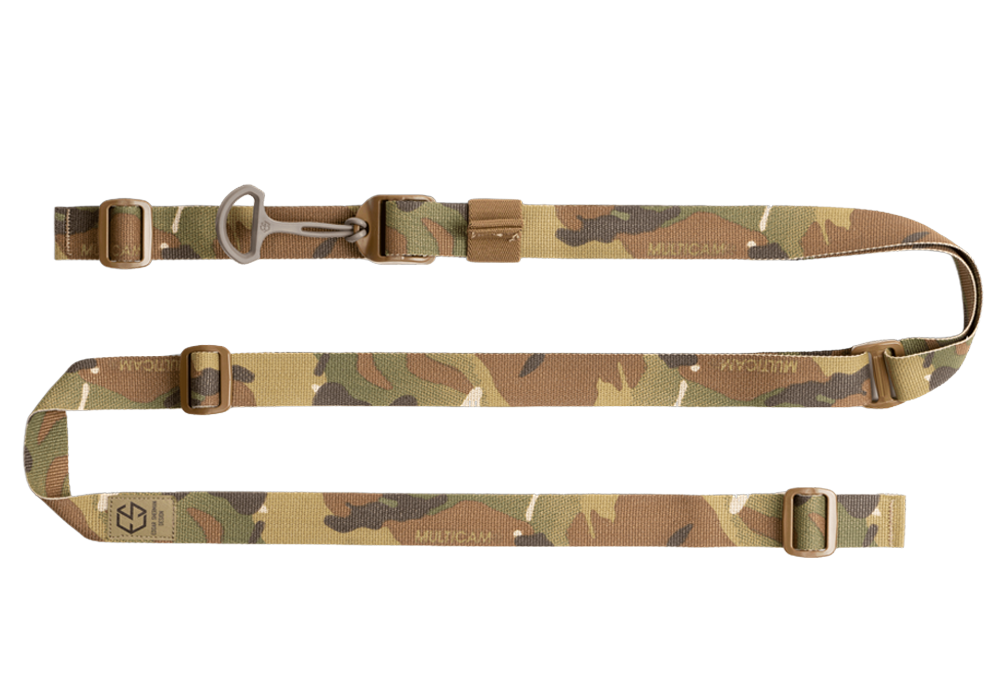
Hunting slings are practical firearm accessories designed to make long walks, changing terrain, and extended time in the field more manageable. By supporting a rifle or shotgun against the shoulder or across the body, a sling helps keep both hands available for climbing, carrying gear, opening gates, checking a map, or moving carefully through brush. A well-chosen sling can also help keep the firearm positioned securely when transitioning between walking and ready positions. Two-point slings remain a popular choice for hunting because they attach at the front and rear of the firearm, distributing weight more evenly than a single-point design and allowing the firearm to be carried over one shoulder, across the chest, or in another comfortable position. When comparing hunting slings, consider the firearm’s attachment points, the sling’s adjustment range, the width and feel of the shoulder section, and how easily the hardware can be operated while wearing gloves or layered clothing. A broad padded sling may be especially comfortable during a long hike with a full pack, while a lighter nylon webbing design can be a sensible option for short walks from a vehicle to a blind or stand. Neoprene, foam, rubberized, and other cushioned materials can help reduce pressure on the shoulder, while textured or nonslip surfaces may help keep the sling from shifting over a smooth jacket or pack strap. Traditional leather designs offer a distinctive feel and can provide substantial adjustability, including the ability to form a loop around the support arm for a steadier shooting position when appropriate. Sling materials also affect how a setup handles moisture, mud, cold temperatures, and repeated use, so hunters should select a construction that suits their terrain and maintenance preferences. Before heading into the field, confirm that the sling swivels, studs, clips, and adjustment points are compatible with the firearm and securely fitted. Inspect the attachment hardware regularly for wear, looseness, or damage, and keep the firearm pointed in a safe direction while attaching or adjusting the sling. A sling is intended to support carrying and handling; it should never replace the fundamentals of safe firearm storage, transport, and muzzle awareness.
The best hunting sling depends largely on how and where the firearm will be carried. Hunters covering steep ridgelines or uneven ground may appreciate a wide, cushioned shoulder section, a dependable nonslip surface, and enough adjustment to wear the firearm comfortably over a base layer, shell, or backpack. During spot-and-stalk hunts, a quick-adjust mechanism can make it easier to draw the firearm close to the body while moving through dense cover, then loosen the sling when a more natural carry position is needed. In thick timber, quiet attachment points and low-noise materials can be valuable because buckles, swivels, and loose hardware may brush against branches or strike other equipment as you move. For blind and tree-stand hunting, a simple, lightweight sling may be well suited to the shorter walk from a parking area or trailhead, while still providing a convenient way to keep hands free during setup. Waterfowl hunters and others carrying a shotgun across wet ground may want materials that are easy to wipe clean and resistant to absorbing moisture. Those who spend long hours glassing, calling, or waiting in changing weather can benefit from a sling that remains comfortable when worn over heavier outerwear and does not create a pressure point against the neck or shoulder. Storage features such as cartridge loops or compact utility pockets can add convenience for hunters who prefer to keep small essentials close at hand, although any added weight should be balanced against the way the sling carries. Hunting slings can also make thoughtful gifts for new hunters, experienced outdoorspeople, or anyone preparing for a first season in the field. A practical sling is easy to pair with other essentials and can become part of a familiar setup, much like a well-worn pack or favorite pair of boots. Shoppers choosing a gift should pay close attention to adjustability and attachment compatibility, since these details are more important than appearance alone. Those building a complete field setup can explore related Hunting Tools to complement a sling and organize essential equipment for time outdoors. Whether the route follows a dry trail through open country, a muddy path through timber, or a short walk toward a concealed position, the right hunting sling should feel secure, balanced, and unobtrusive. It should support the firearm without distracting from the surroundings, allow natural movement, and remain dependable through the cooler months and the varied conditions that come with an active hunting season.