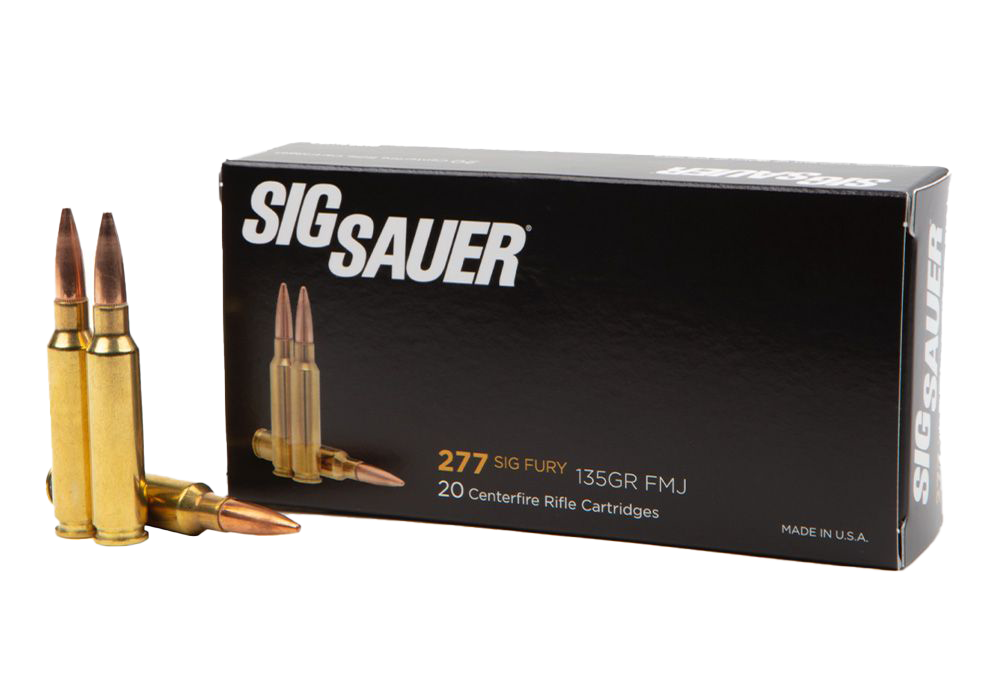
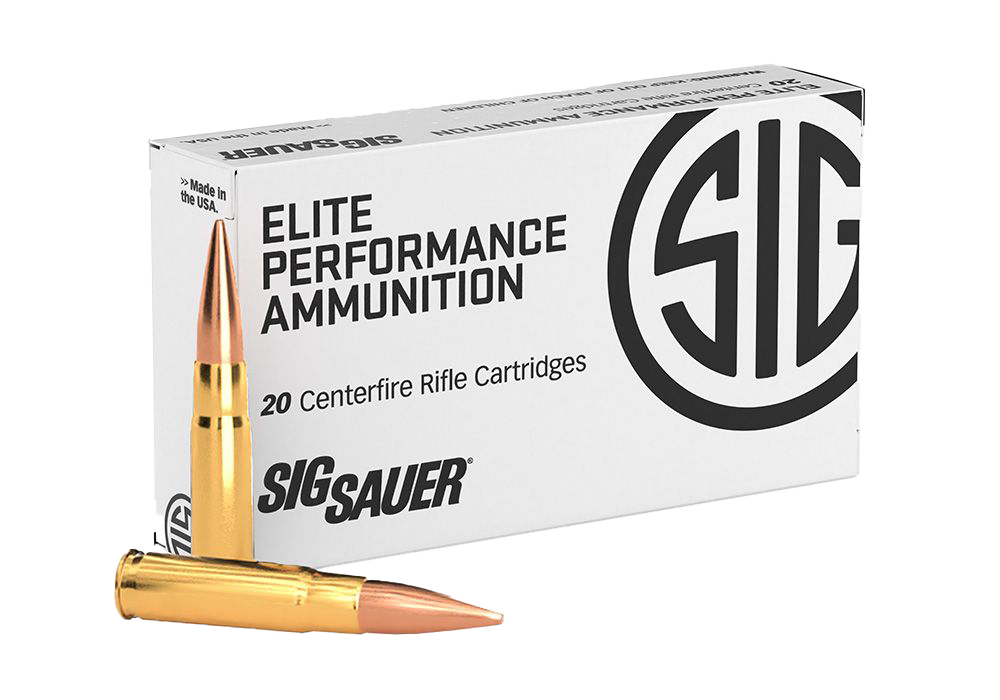
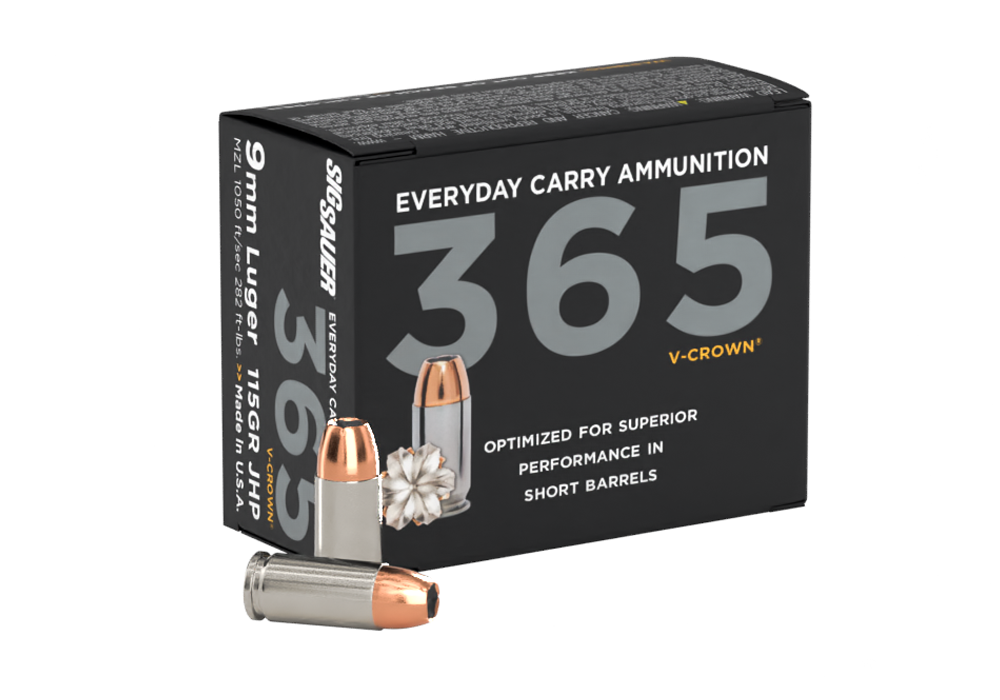
Hybrid case premium hunting ammunition is designed for hunters who want carefully engineered performance from a modern cartridge while maintaining the dependable function expected in the field. A hybrid case typically combines more than one casing material, such as a brass body with a stainless steel base, to balance weight, strength, extraction reliability, and pressure management. This construction can support efficient cartridge designs and, in certain chamberings, velocities that rival traditionally larger magnum cartridges while fitting platforms with more compact actions. Because case construction varies by load, always confirm that the ammunition is approved for the exact cartridge designation and firearm in use. A cartridge that appears similar on the shelf may not be interchangeable, and ammunition should never be fired in a chamber that is not clearly marked for that specification. Hunters should also inspect the rifle’s owner’s manual, verify barrel and twist-rate requirements, and follow all applicable laws governing ammunition purchase, transport, possession, and use. For a deeper look at projectile construction and hunting-oriented bullet design, explore High Performance Hunting Bullets.
The term “hybrid” can also describe the shape of the projectile rather than the case. Hybrid-ogive bullets blend tangent and secant features to create a streamlined profile with a high ballistic coefficient, helping the projectile retain velocity and resist wind drift as distance increases. They can also be less sensitive to seating-depth changes than some conventional sleek-profile bullets, though every rifle has its own preferences and must be tested individually. Premium hunting ammunition may use controlled-expansion projectiles engineered to enter vital tissue, penetrate to an appropriate depth, and release energy in a predictable manner rather than fragmenting immediately on impact. That balance matters whether a hunter is carrying a lightweight mountain rifle across open ridgelines, working through timber during the cooler months, or sitting quietly at first light along a field edge. Flat trajectory can simplify holdover decisions, but no ammunition removes the need for range practice, a reliable zero, sound judgment, and a clear understanding of distance and wind. Compare bullet weight, projectile construction, published ballistic data, and intended game size before buying. Heavier bullets may offer useful penetration and retained energy for larger game, while lighter projectiles can produce a flatter trajectory in suitable chamberings; neither is universally best. The right choice depends on the rifle, barrel, game, terrain, expected shooting distance, and the hunter’s ability to place a shot accurately.
When selecting hybrid case premium hunting ammunition, start with the fundamentals: match the exact caliber and cartridge name, choose a bullet weight appropriate for the game, and make sure the load cycles smoothly through the rifle’s magazine and action. Factory ammunition should be stored in a cool, dry place away from solvents, oils, moisture, and excessive heat, then transported in a secure container according to local requirements. Before heading into the field, fire enough rounds to confirm reliable feeding, point of impact, and function from the positions likely to be used while hunting. A benchrest zero is valuable, but practical confirmation from shooting sticks, a pack, or a kneeling position can reveal details that do not appear from a stationary bench. Keep notes on temperature, elevation, sight settings, and lot information when precision matters, since even carefully manufactured ammunition can show small differences between production lots. These loads can be a thoughtful gift for an experienced hunter preparing for a guided trip, a family member upgrading a rifle setup, or a new sportsman learning the importance of deliberate preparation, provided the recipient’s firearm, caliber, and local regulations are known. Ammunition is never a casual surprise gift when compatibility is uncertain. During the warmer part of the year, it can be useful for confirming a rifle before the season, while the cooler months often bring the practical test of equipment in changing wind, colder hands, and demanding terrain. Choose a load that complements the rifle rather than chasing the most dramatic velocity figure, practice until the ammunition’s trajectory is familiar, and treat every cartridge as one part of a complete system that includes the firearm, optic, shooter, conditions, and responsible field conduct.