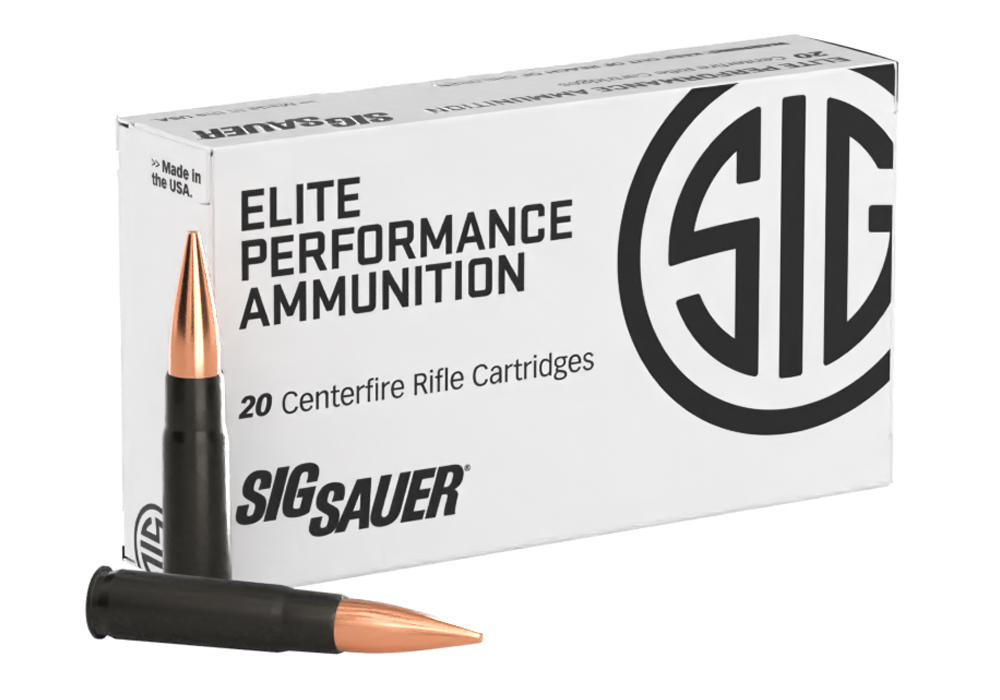
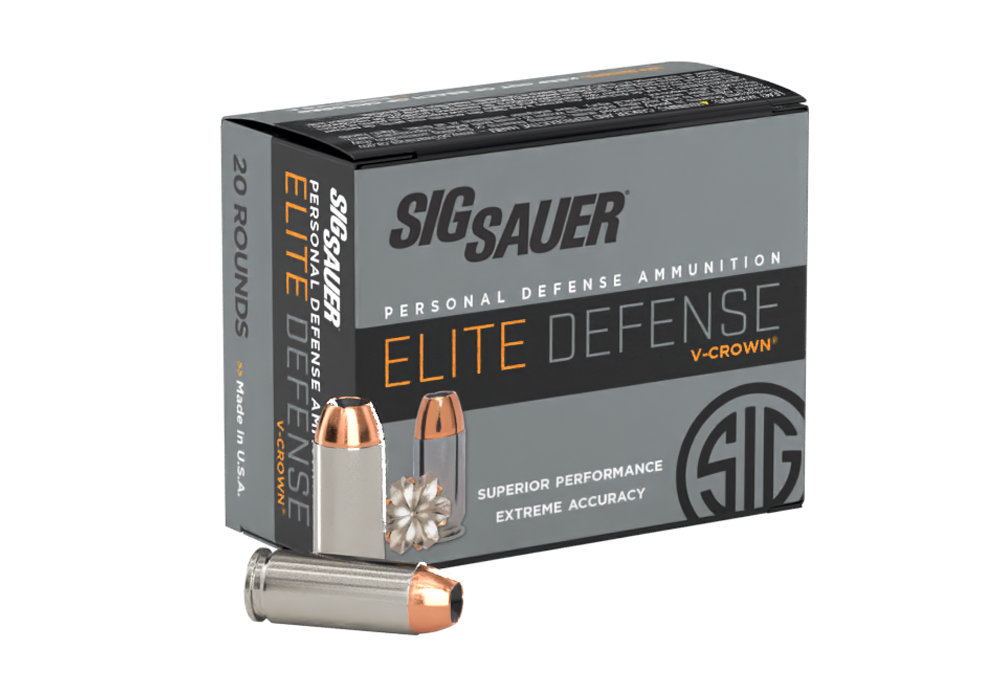
Impact ammunition refers broadly to cartridges whose bullet construction is designed to produce a particular response when the projectile reaches a target, such as controlled expansion, retained weight, or fragmentation. It is a descriptive term rather than a single standardized cartridge type, so the intended application and the manufacturer’s specifications matter more than the phrase alone. Within this category, differences in bullet materials and construction help distinguish ammunition suited to hunting, personal protection, or certain training environments. Jacketed hollow point bullets typically combine a metal jacket with a cavity at the nose that encourages expansion under suitable conditions. Soft point bullets generally have an exposed lead tip that supports expansion, with performance shaped by jacket thickness, core design, impact velocity, and the material encountered. Some expanding bullets use solid copper or copper alloys rather than a separate lead core, while polymer tips can contribute to bullet shape and help initiate expansion in designs engineered for that purpose. These features are not interchangeable, and a polymer tip by itself does not identify a cartridge’s intended use. Frangible bullets serve a different purpose: many use compressed metal particles designed to break apart against appropriate hard surfaces in approved training settings. That behavior does not eliminate the possibility of ricochets, fragments, or penetration, and it does not make every frangible load suitable for every range. Likewise, tumbling and fragmentation describe different projectile behaviors and should not be treated as synonyms. Specialized less-lethal impact munitions are a separate category for authorized professional applications; the term less-lethal does not mean harmless. Across these designs, useful performance measures can include expansion, penetration, weight retention, and consistency, but no single measurement tells the whole story. Energy transfer alone is not a complete measure of suitability. Published testing is most informative when it identifies the firearm or test barrel, test medium, distance, and other relevant conditions, allowing the results to be understood in context rather than treated as a universal prediction.
Compatibility and consistency remain central considerations when comparing impact ammunition. The cartridge designation must match the firearm’s chambering and the ammunition approved in its owner’s manual; similar-looking cartridges are not necessarily interchangeable. Pressure specifications also matter, and ammunition with a higher pressure rating belongs only in firearms explicitly approved for it. Bullet weight, projectile profile, and overall cartridge design can influence feeding, recoil characteristics, point of impact, and accuracy in a particular firearm. A load that groups tightly in one barrel may perform differently in another, even when both firearms share the same chambering. Barrel length can also affect velocity, which can influence how an expanding bullet behaves on impact. This is one reason published performance figures should be read alongside the conditions under which they were recorded. For a hunter, the relevant combination includes suitability for the intended game, compliance with local hunting rules, dependable function, and predictable shot placement. For a responsible adult selecting ammunition for lawful personal protection, compatibility and reliable function are essential, alongside training, secure storage, and an understanding of applicable law. Range users may prioritize consistent recoil and point of impact when choosing practice ammunition, while facilities with specialized training areas may impose specific projectile requirements. Accuracy and impact behavior are related considerations, but they are not the same characteristic: a precisely placed shot does not establish how a bullet will expand, and an expansion claim does not establish how tightly a load will group. The related Accurate Ammunitions collection offers another way to explore ammunition with shot placement in mind. Meaningful comparisons favor clearly stated specifications over dramatic language, particularly when evaluating velocity, bullet construction, or test results. A useful ammunition description identifies what the cartridge is intended to do without suggesting that one design can suit every firearm, every target material, or every shooting environment.
Materials, condition, and care also influence the practical value of impact ammunition over time. Brass cartridge cases are common because their material properties support dependable chamber sealing and extraction, while some cases have a nickel-plated finish associated with corrosion resistance and a smooth exterior. Neither finish replaces proper storage or confirms that a cartridge is compatible with a particular firearm. The projectile’s jacket, core, tip, and any bonding between components contribute to its intended behavior, but external appearance reveals only part of that construction. Two bullets with similar profiles can have substantially different purposes, making the original packaging and manufacturer’s description important references. Clean, intact packaging also helps keep cartridge identification and lot information together, especially when several similar chamberings share a storage area. A cartridge with a visibly damaged case, loose projectile, significant corrosion, or another obvious defect warrants evaluation according to the manufacturer’s guidance rather than an assumption that it will function normally. Ammunition benefits from secure, dry storage that limits exposure to moisture, contaminants, and unauthorized access. Oils, solvents, and household chemicals should remain separate from stored cartridges, and ammunition does not need polishing, lubrication, or improvised treatments to preserve its appearance. Repeated handling can obscure labels or introduce grime, so clear organization is more useful than elaborate presentation. For a range session, a hunting trip, or a professional qualification conducted under established rules, correctly identified ammunition keeps attention on the activity rather than uncertainty about what is in a box. As a gift, ammunition is most appropriate for a legally eligible adult whose exact firearm requirements and preferences are already known, with all purchase and transfer requirements observed. Across these uses, durability means more than a clean-looking case or an undamaged tip. It includes protected packaging, traceable identification, and careful handling throughout storage and transport. The strongest fit comes from matching documented construction and intended use with the firearm, the setting, and the shooter’s legitimate needs.