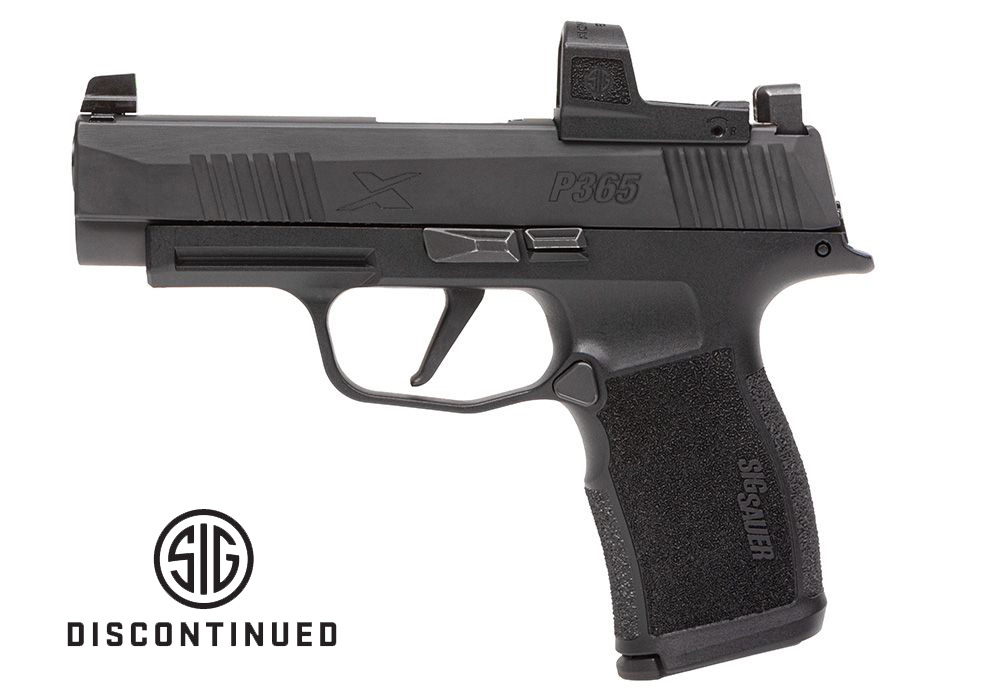
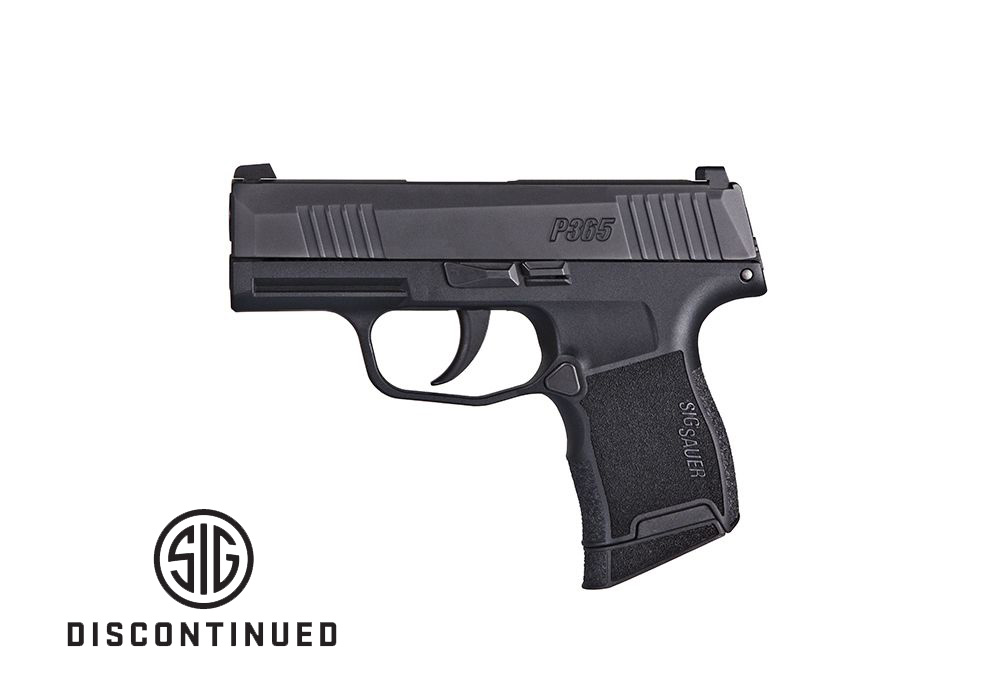
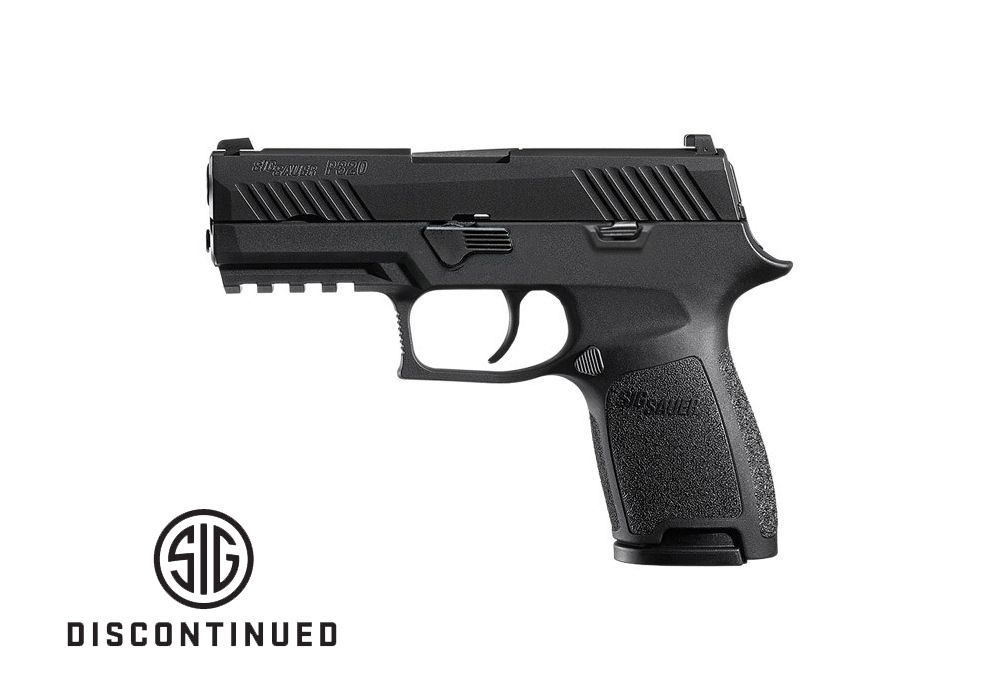
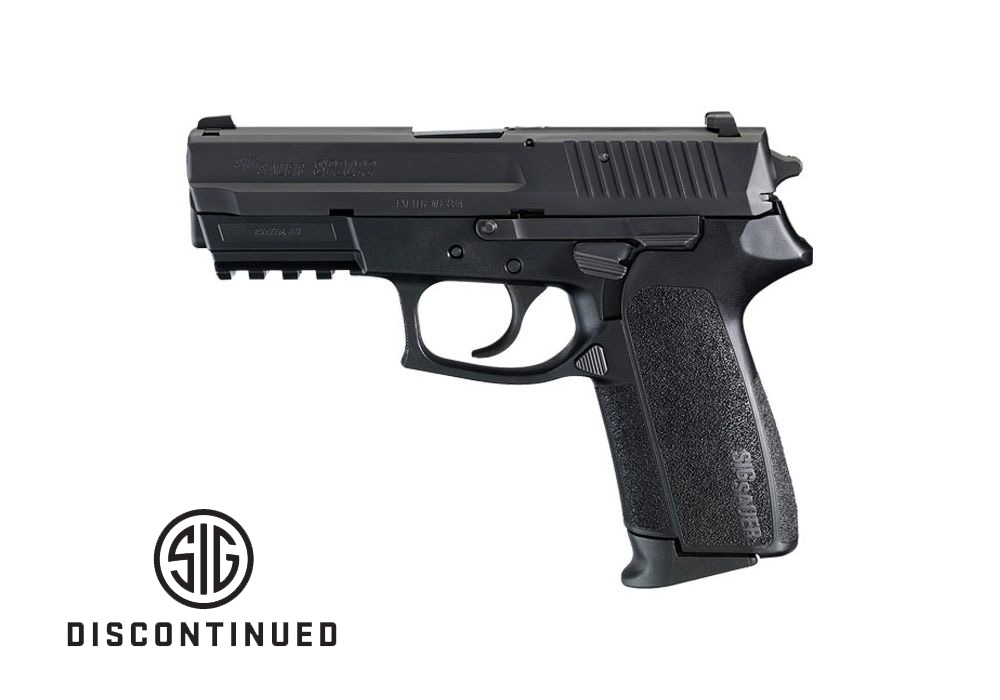
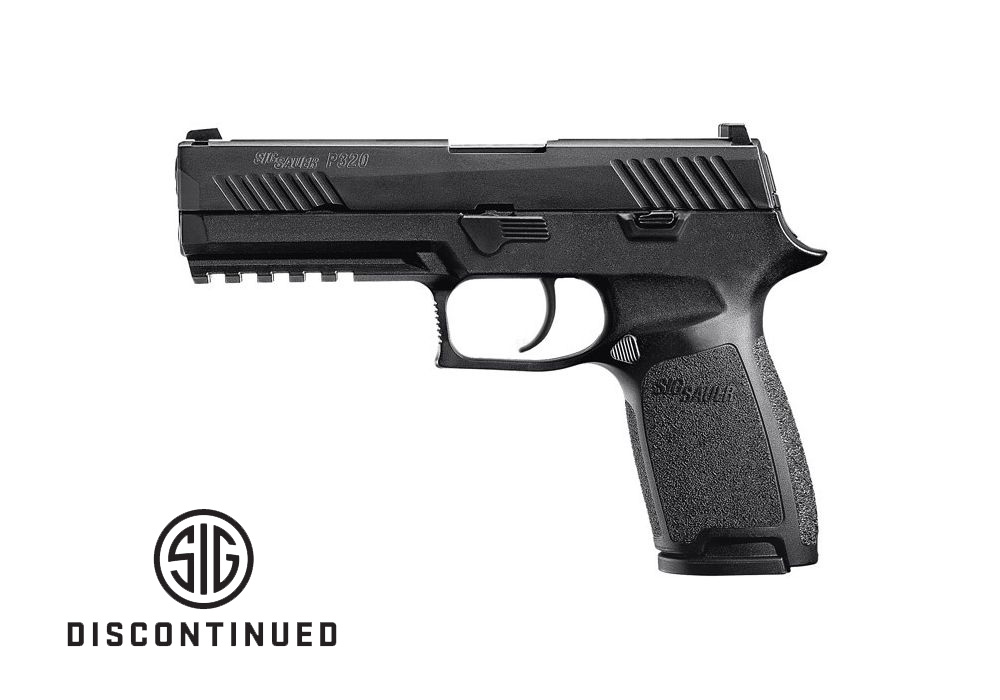
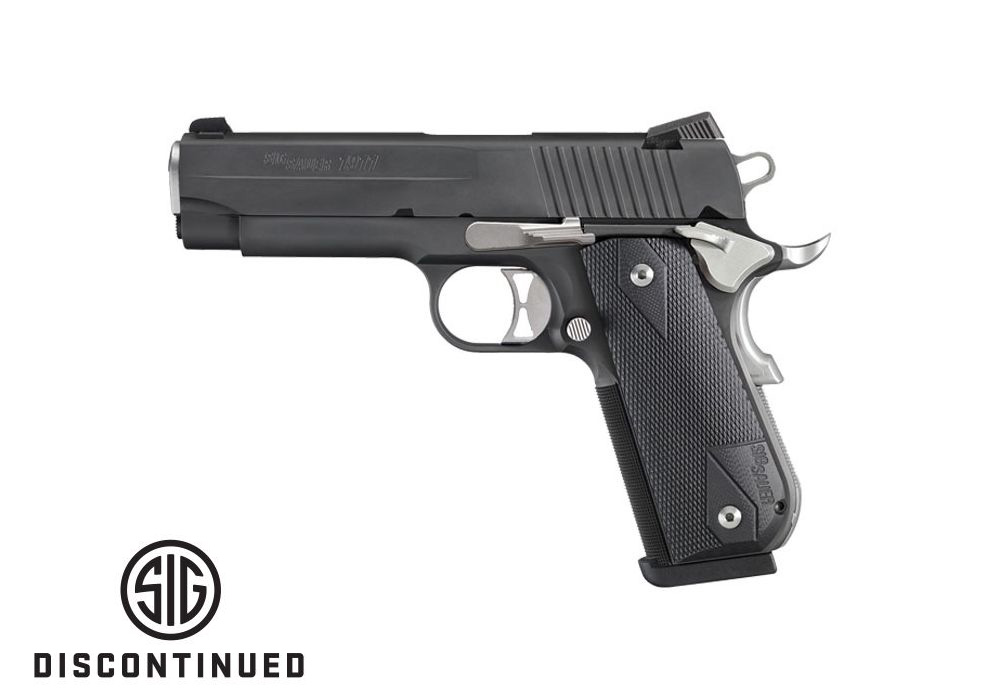
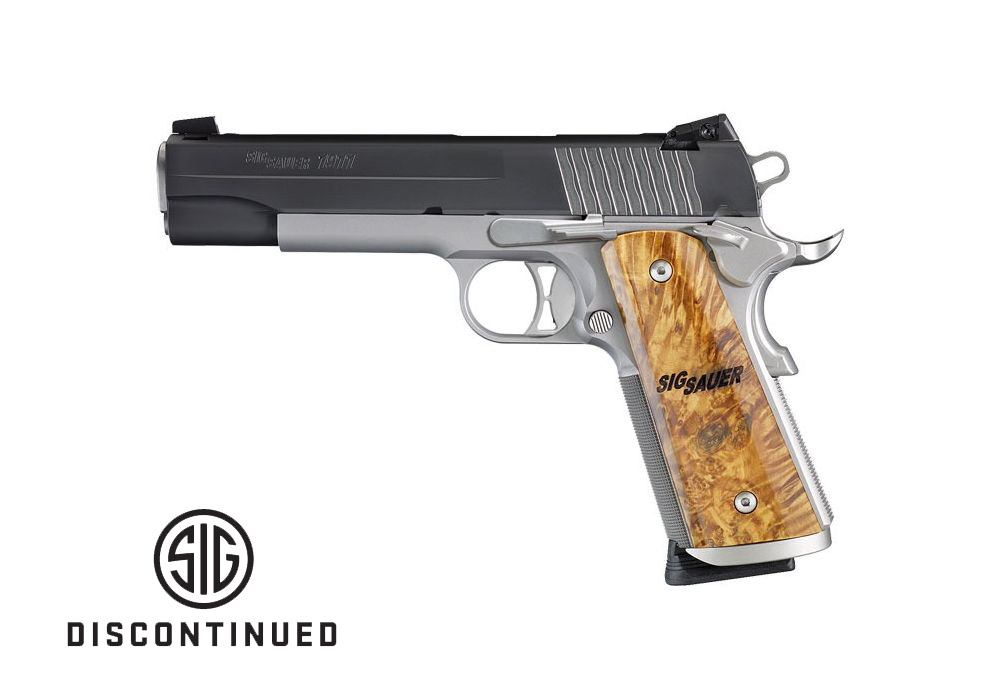
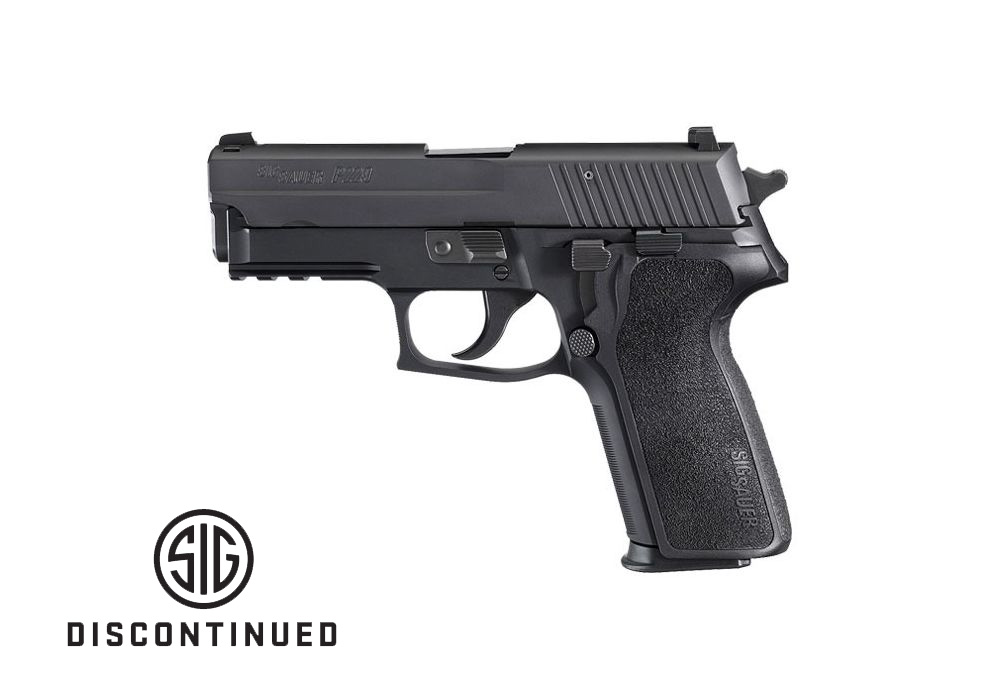
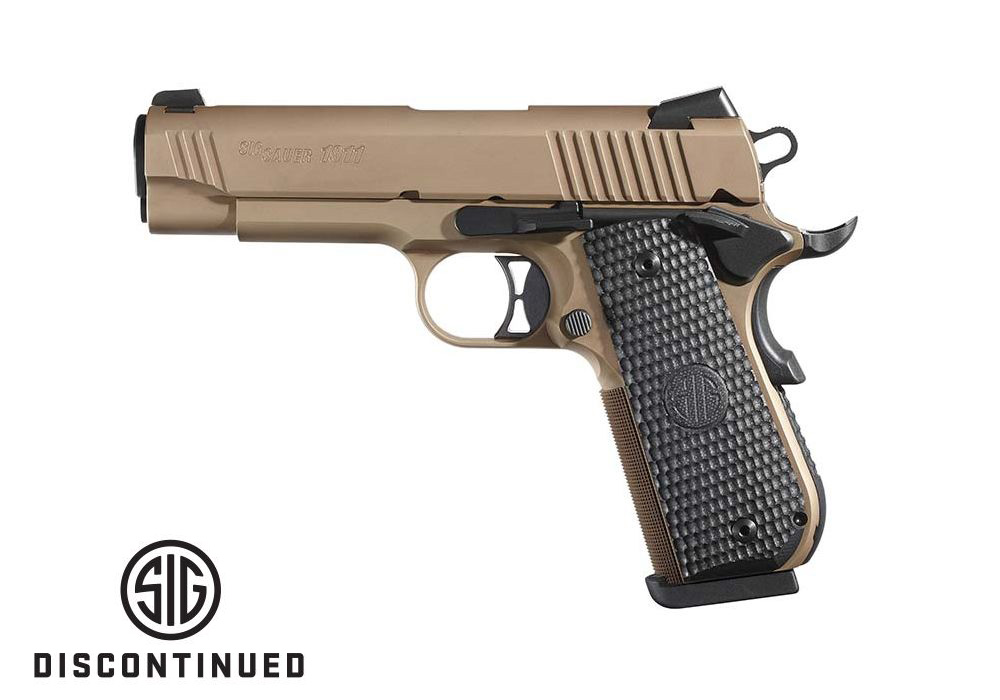
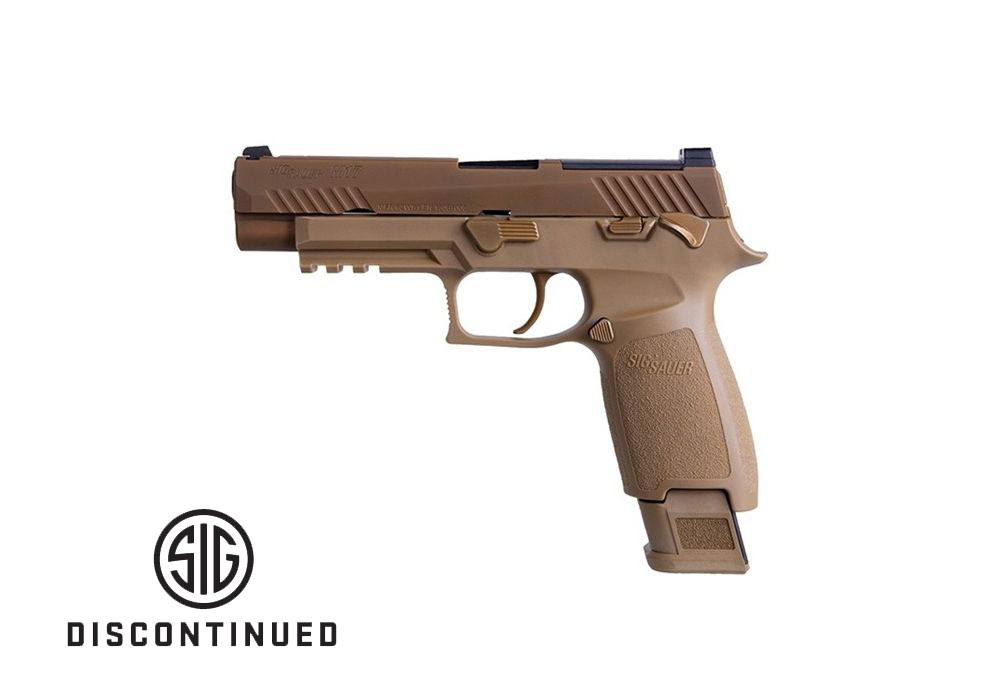
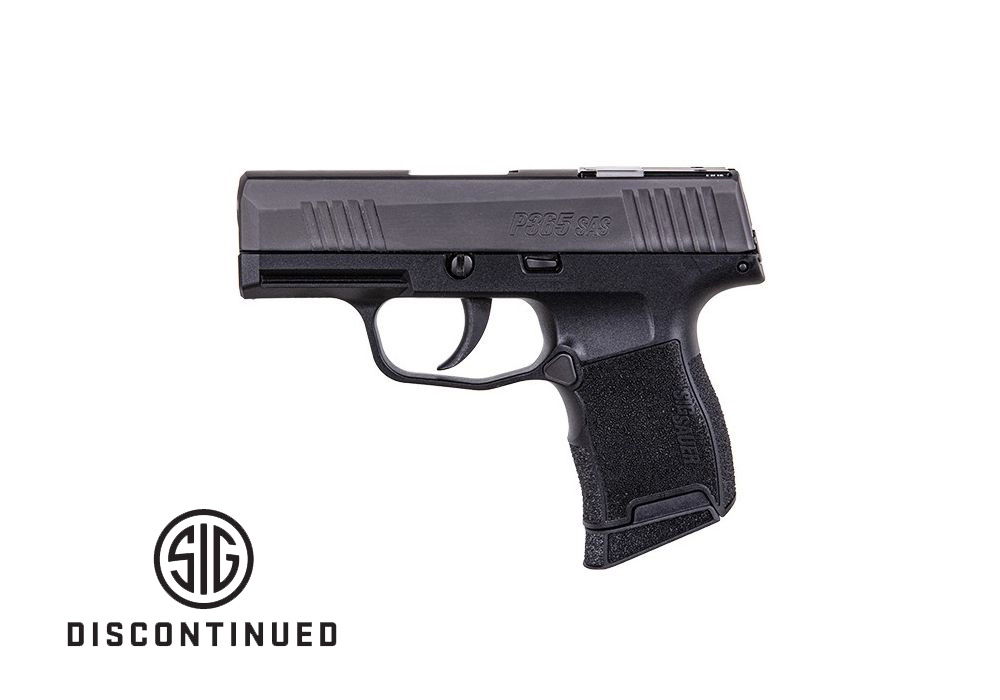
Law enforcement pistols with ergonomic grips are selected for more than appearance or basic specifications. For patrol officers, security professionals, investigators, and other authorized users, the grip is the primary point of contact between the individual and the pistol. A well-shaped frame can support consistent hand placement, reduce discomfort during extended carry, and help the user maintain control when conditions are demanding. When comparing products on this page, consider how the grip fills the hand, whether the trigger can be reached without shifting the firing hand, and whether the frame encourages a natural point of aim. A grip angle that feels intuitive may make it easier to bring the pistol into alignment during training, while a pronounced beavertail can help protect the hand from slide movement and allow a higher hold. An undercut trigger guard may provide additional room for the middle finger, helping the hand sit securely without creating pressure points. These details can seem minor when a pistol is handled for only a few moments, but their importance becomes clear during a full training session or a long shift spent wearing duty gear. Ergonomic grip designs often include interchangeable backstraps, palm swell inserts, or side panels so the user can adjust the circumference and contour to better match hand size. A smaller-handed user may prefer a reduced grip profile that allows the trigger to be reached comfortably, while a larger-handed user may benefit from added palm support and a fuller frame. Grip texture also deserves close attention. Fine texturing can feel comfortable against the skin during regular handling, while more pronounced texturing may provide valuable traction with gloves, perspiration, rain, or other challenging conditions. The ideal surface should help prevent unwanted movement without creating excessive abrasion during repeated practice or daily carry.
Duty pistols with ergonomic grips are commonly evaluated by individual officers, training personnel, agency procurement teams, and authorized security professionals. The right choice depends on the role, the department’s approved equipment list, training requirements, and the user’s ability to operate the pistol safely and consistently. A full-size frame may offer a generous gripping surface and a longer sight radius, making it a practical option for uniformed duty and structured range work. A compact frame may be easier to carry under a jacket or with a more discreet equipment setup, though its shorter grip can provide less room for the lower fingers. Standard or extended capacity magazines may also be considered, along with magazine-release placement, slide-stop access, and the ease of performing administrative tasks while wearing gloves. These features should be judged in combination rather than in isolation. A highly textured grip may seem secure in bare hands but feel restrictive with winter gloves; a compact frame may carry comfortably but require more deliberate practice for users with larger hands. During the cooler months, changing layers and heavier outerwear can affect access to duty equipment, so holster compatibility and a consistent drawstroke are important parts of the purchasing decision. Safe handling, secure storage, and reliable training remain essential regardless of the grip design. Buyers should verify local and state requirements, agency policies, transfer procedures, and any qualification standards before purchasing. Firearms are not casual gifts, and a pistol should only be purchased for an eligible recipient who has selected the appropriate configuration and can lawfully take possession of it. When a purchase is intended for a spouse, family member, or professional colleague, it is generally more responsible to involve the recipient in the selection process and confirm that the transfer complies with applicable law. For agencies, documenting approved configurations and ensuring that personnel receive instruction on the exact equipment issued can help promote consistency across a department.
Ergonomic grip preferences are personal, but several practical checkpoints can make comparison easier. Start by placing the hand high on the backstrap and checking whether the web of the hand is comfortably supported by the beavertail. The trigger finger should rest naturally on the frame when not operating the trigger, and it should be able to contact the trigger face without forcing the hand to rotate. The thumb should reach the controls without breaking the firing grip, while the support hand should have enough surface area to contribute meaningfully to control. Look for a frame that feels stable when the hands are dry, gloved, or slightly damp, and pay attention to pressure points that may become noticeable after repeated handling. A modular grip system can be especially useful for agencies issuing the same pistol platform to personnel with different hand sizes, since backstraps or panels can be changed to create a more consistent fit without replacing the entire firearm. Users who prefer metal construction may also want to explore Metal Framed Pistols With Ergonomic Grip for additional options in this category. Whether the frame is polymer or metal, the most useful ergonomic features are those that support a secure, repeatable grip while remaining comfortable during routine carry and practice. Set aside time for supervised range evaluation, confirm that the chosen holster and magazines are compatible, and follow the manufacturer’s instructions for inspection, cleaning, storage, and maintenance. A pistol that feels balanced in the hand, stays secure through ordinary movement, and allows the user to operate its controls without strain is more likely to become dependable equipment over time. That combination of fit, texture, control placement, and responsible training is what makes law enforcement pistols with ergonomic grips a practical category for authorized professionals seeking confidence and consistency in their equipment.