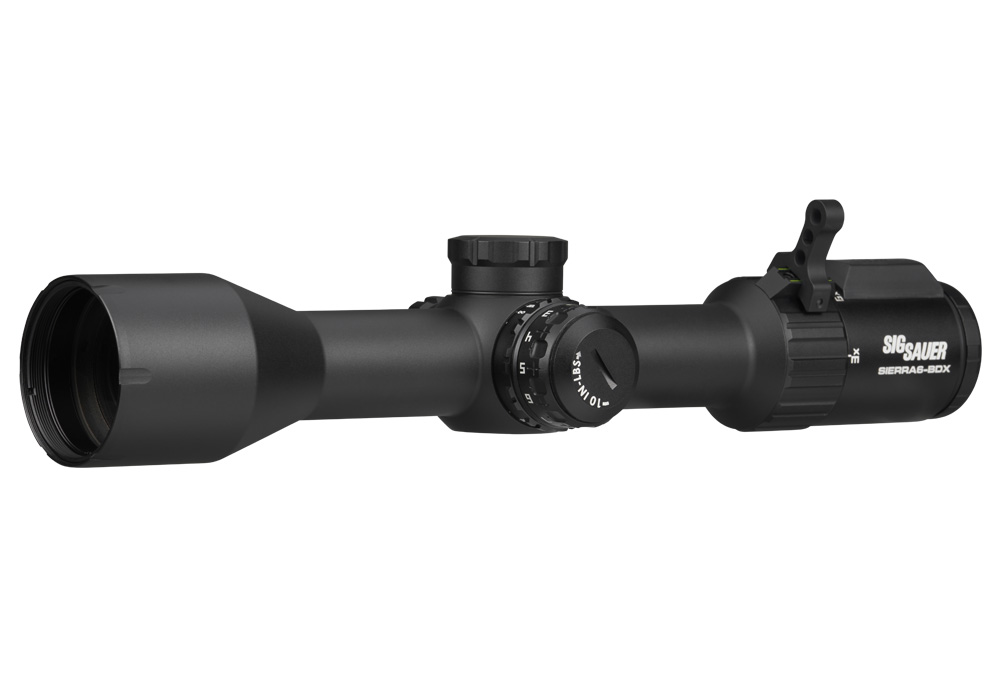
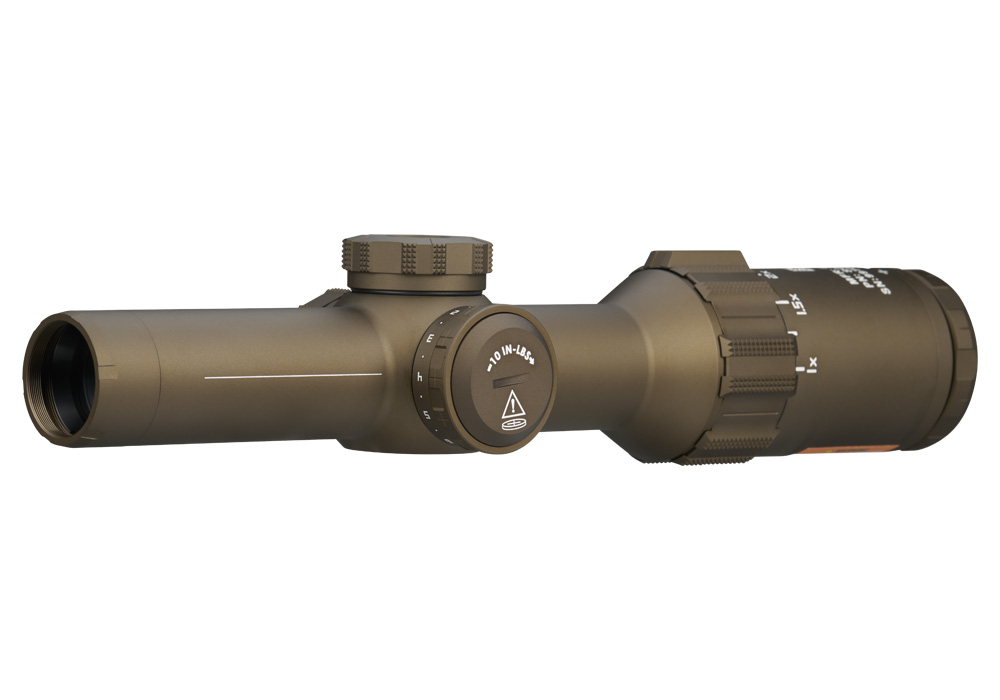
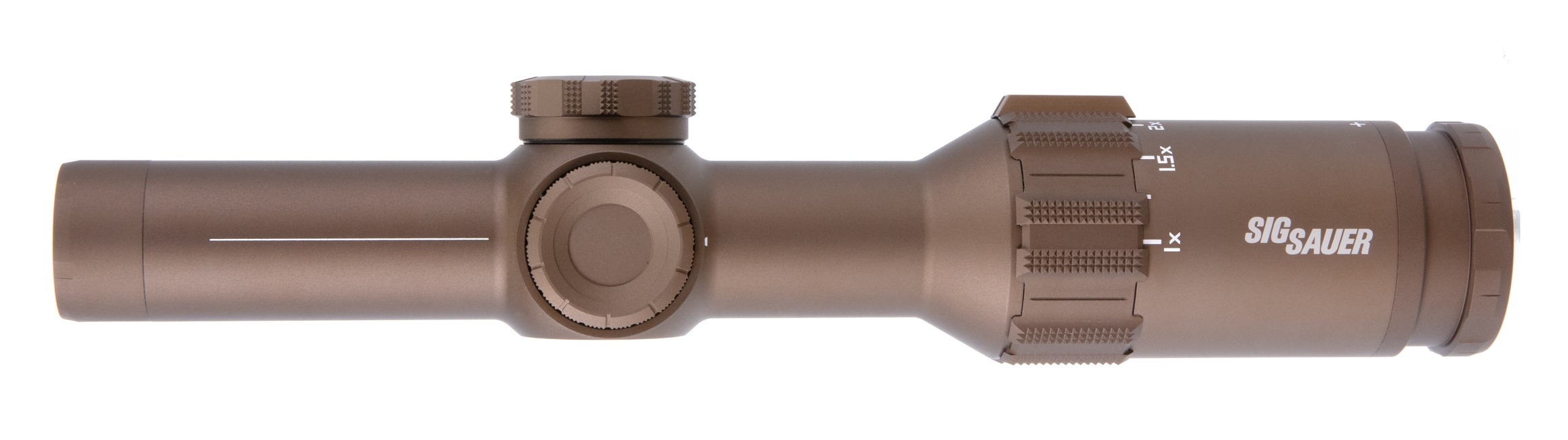
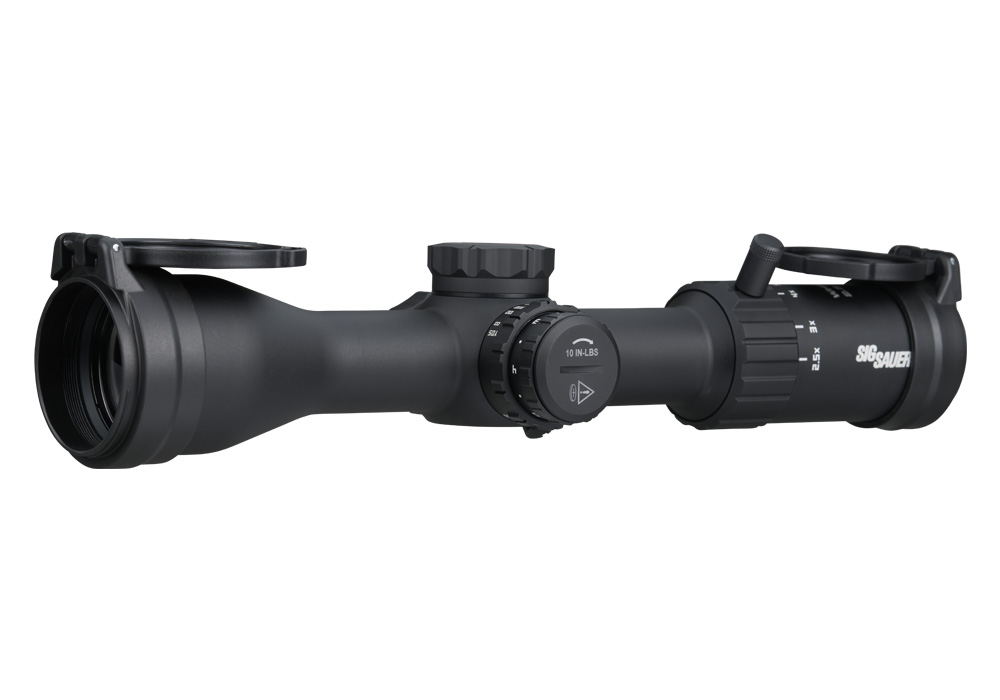
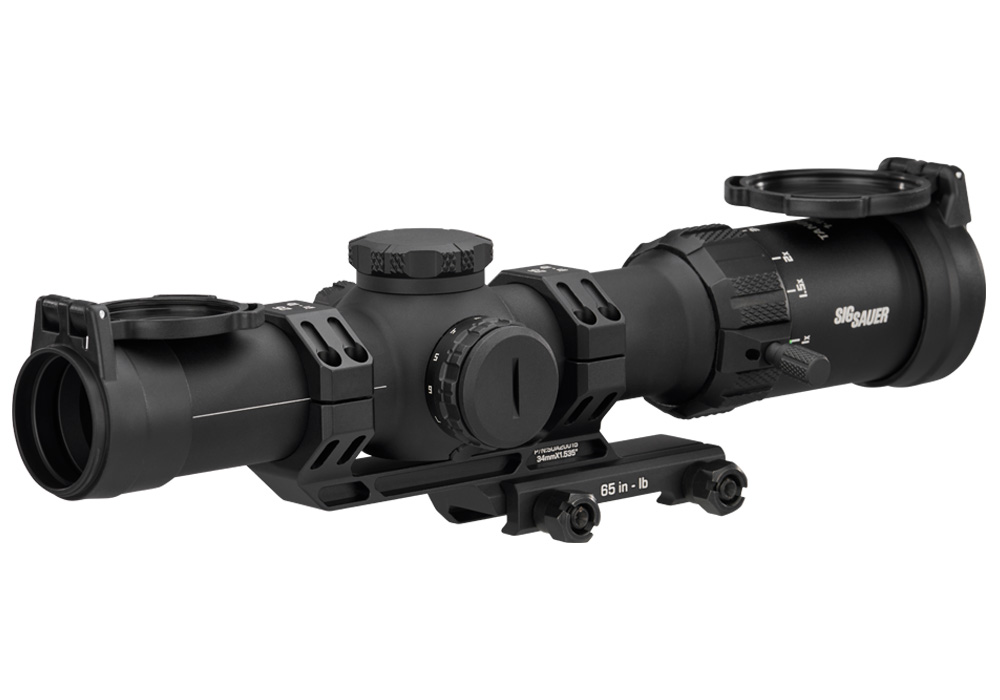
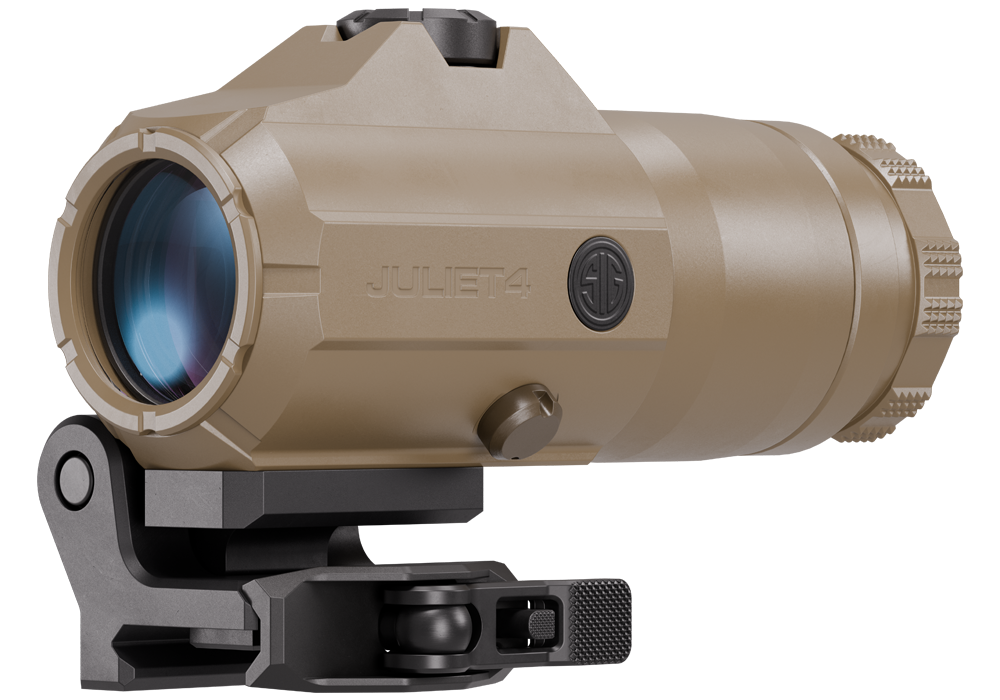
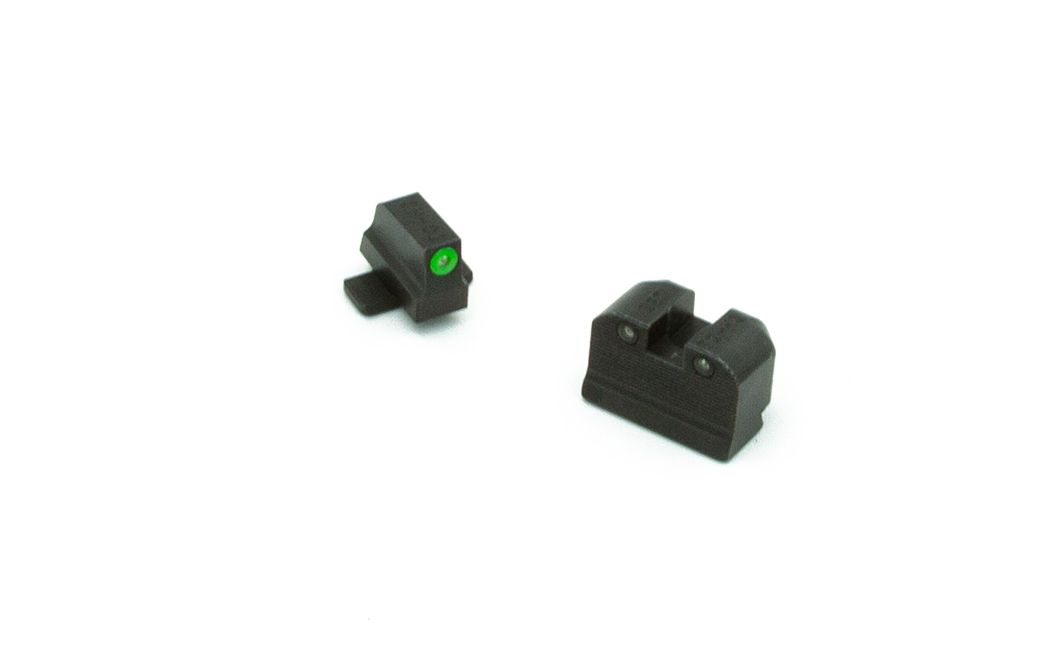
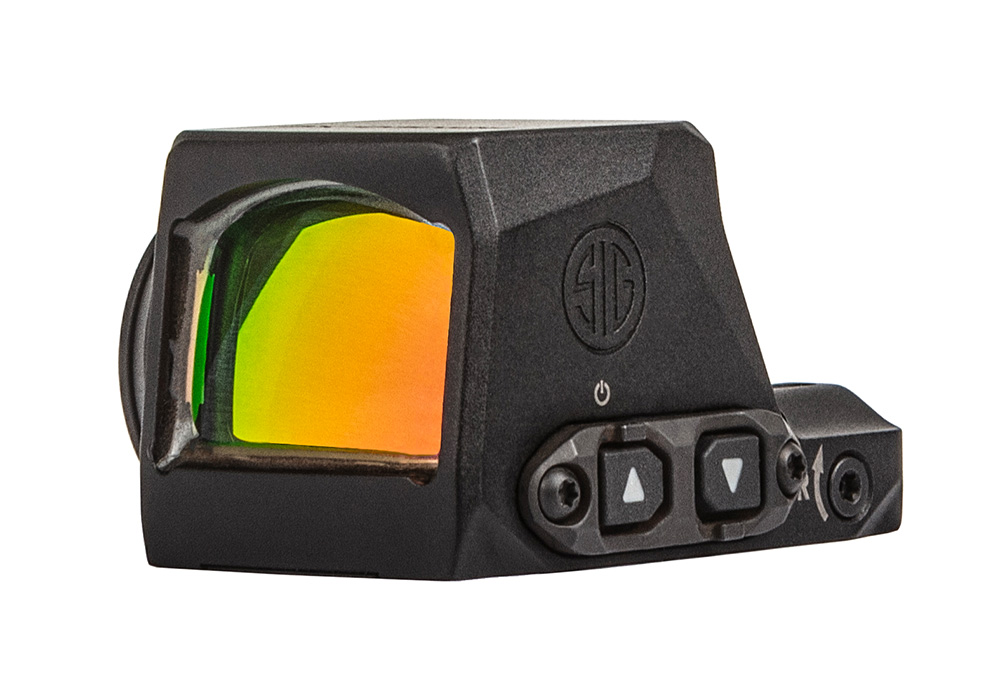
Law enforcement rifle scopes are selected for dependable performance when a patrol carbine, duty rifle, or precision-oriented rifle must be ready for changing conditions. Unlike sporting optics designed primarily around leisurely observation or a single type of terrain, duty optics are expected to remain usable through rain, dust, vibration, temperature changes, vehicle storage, and the occasional hard bump against a door frame or barricade. The right choice depends on the rifle, the agency’s standard operating procedures, the officer’s training, and the distances at which identification and precision are most likely to matter. A non-magnified sight can provide a wide field of view and rapid sight alignment for close-range patrol applications, while a low-powered variable optic can preserve that near-range speed at its lowest setting and add magnification for extended sightlines. Fixed-power prism optics offer another practical balance, often pairing a compact form with an etched reticle that remains visible without relying entirely on illumination or battery power. For users assigned to overwatch, rural patrol, perimeter security, or designated marksman duties, a scope with greater magnification may be appropriate, provided its size, weight, eye relief, and field of view remain compatible with the rifle and the role. Officers and agencies should also account for the optic’s mounting height, adjustment system, reticle layout, and compatibility with backup sights before making a purchase. A well-matched law enforcement rifle scope should support a natural cheek weld, provide a clear sight picture, and allow the user to maintain awareness of the surrounding environment rather than forcing the rifle into an awkward position.
Magnification is only one part of the selection process. For routine patrol rifles, a true or near-true 1x setting can make an optic feel open and familiar when moving between nearby areas, while moderate magnification can assist with observation and precise shot placement at longer distances. A generous field of view helps the user locate a subject without excessive searching through the optic, and forgiving eye relief can be valuable when the rifle is shouldered quickly or used from an unconventional position. Reticle design deserves equal attention. Simple illuminated aiming points are often easy to read against varied backgrounds, while more detailed reticles may provide useful reference points for holdovers or ranging when the optic and ammunition are properly matched and verified. Illumination should be visible in bright daylight without overpowering the sight picture in dim conditions, and night-vision compatibility may be important for specialized units using compatible equipment. Battery life, automatic shutoff, motion-activated illumination, accessible controls, and a clearly marked brightness range can all reduce the chance of an optic being unavailable when it is needed. Agencies may also compare the benefits of a conventional crosshair, etched prism reticle, illuminated dot, or hybrid design according to training standards and mission requirements. Those reviewing options beyond this collection can explore Performance Riflescopes for additional information on optics intended to support consistent accuracy and practical field use. For any selection, the optic should be mounted with a quality base and properly torqued hardware, then confirmed on the individual rifle with the ammunition and accessories that will be used in service.
Durability and environmental protection are especially important for law enforcement rifle scopes because duty equipment may spend long hours in a vehicle, move between indoor and outdoor settings, or be handled while wearing gloves and other protective gear. A sealed housing, dependable adjustment turrets, scratch-resistant lenses, and resistance to water, fog, and impact can help an optic maintain its performance as conditions change. Clear glass remains valuable during the cooler months, when low-angle light, mist, overcast skies, and early darkness can make an already demanding sight picture more difficult to interpret. At the same time, a scope should not be chosen solely by its list of features. Weight affects how a rifle carries during a long shift, overall length may influence storage and movement around vehicles, and a bulky optic can interfere with charging handles, backup sights, or other controls. Officers using patrol rifles may favor a compact, uncomplicated setup that supports fast transitions and broad situational awareness, while tactical teams or trained marksmen may prioritize magnification range, refined adjustments, and a reticle suited to deliberate observation. Procurement teams should review warranty support, serviceability, replacement battery access, mounting requirements, and the availability of training documentation before standardizing an optic across a department. Individual users should follow agency policy, applicable law, and qualified instruction, and should confirm zero, eye relief, illumination settings, and mechanical function during scheduled training rather than waiting for an operational need. A law enforcement rifle scope is not a substitute for sound judgment or practice; it is a piece of equipment chosen to help a trained professional see clearly, maintain control of the rifle, and make responsible decisions in demanding conditions.