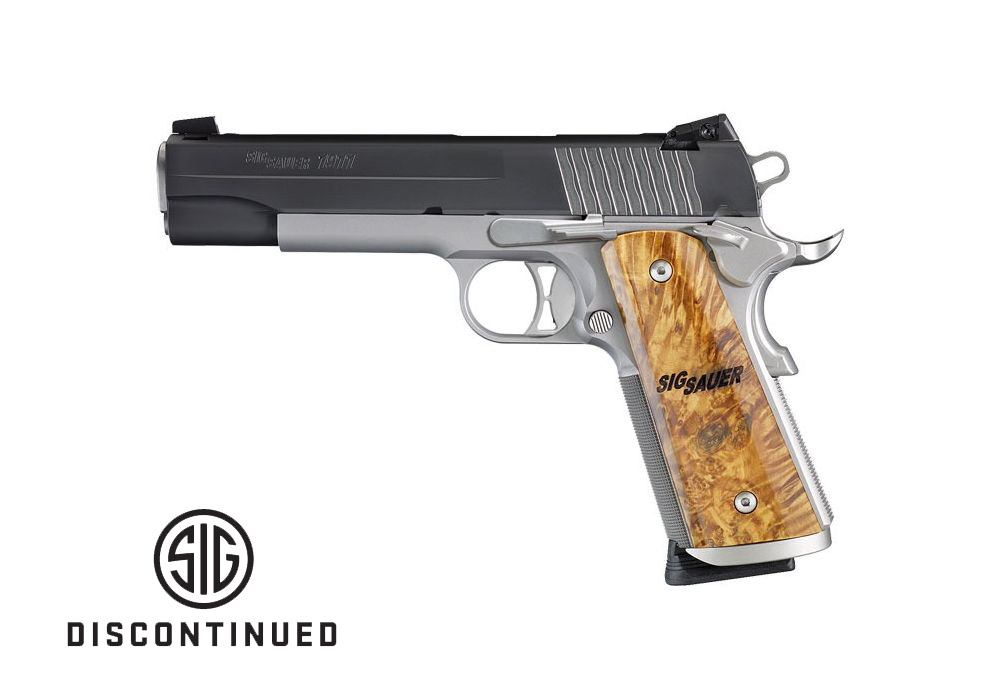
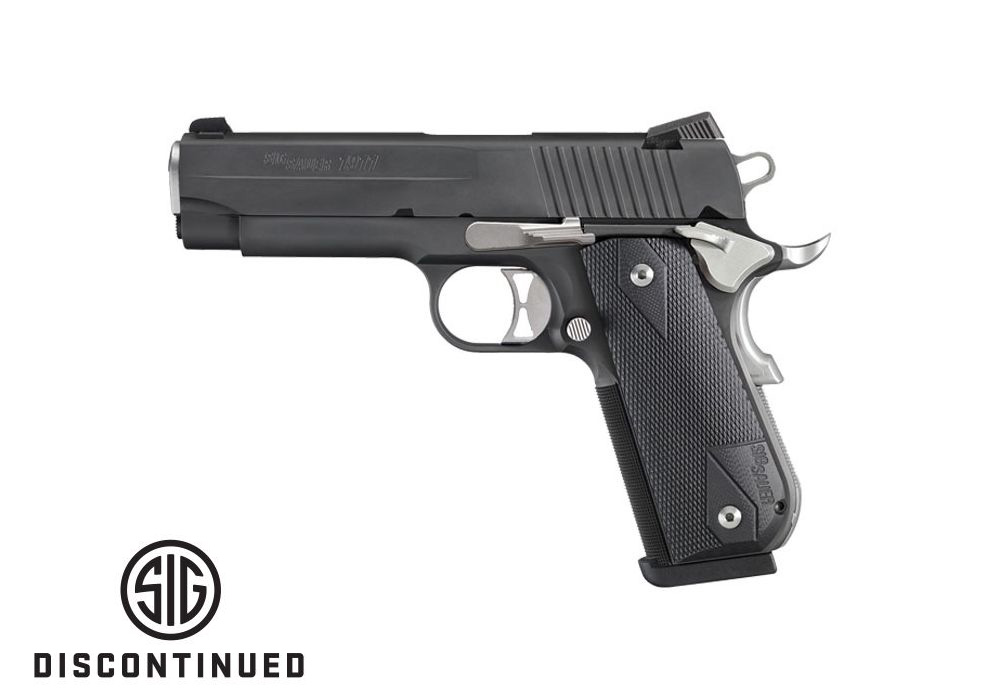
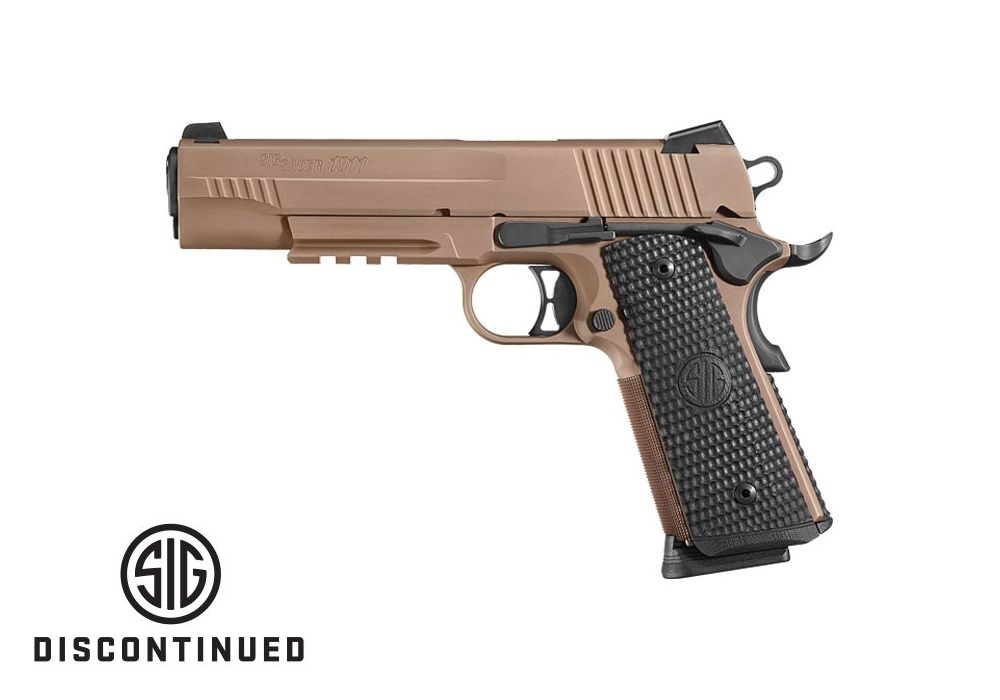
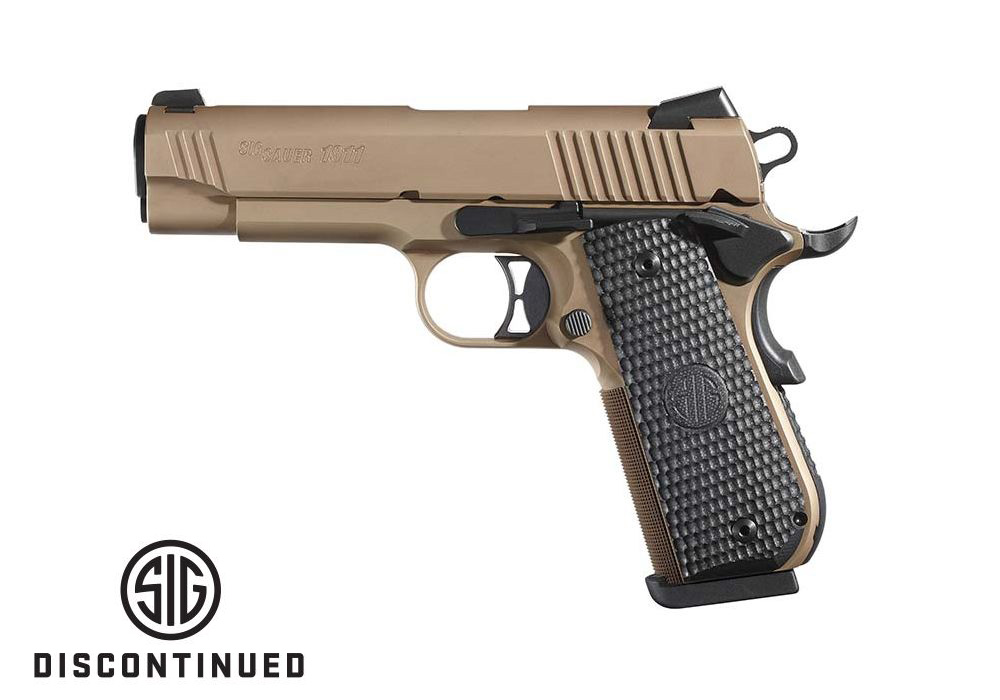
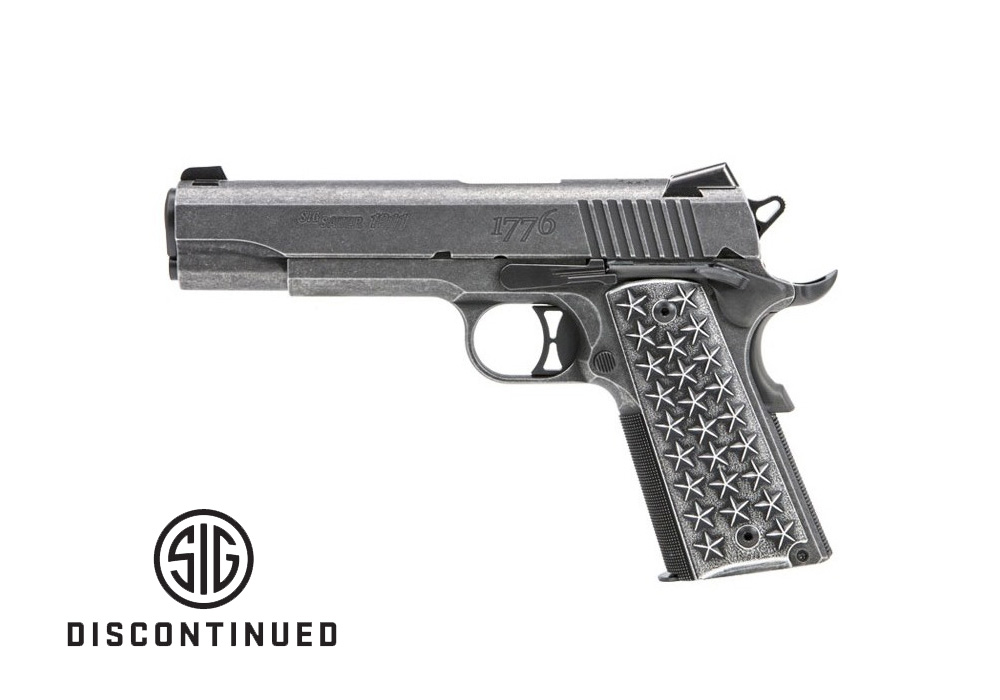
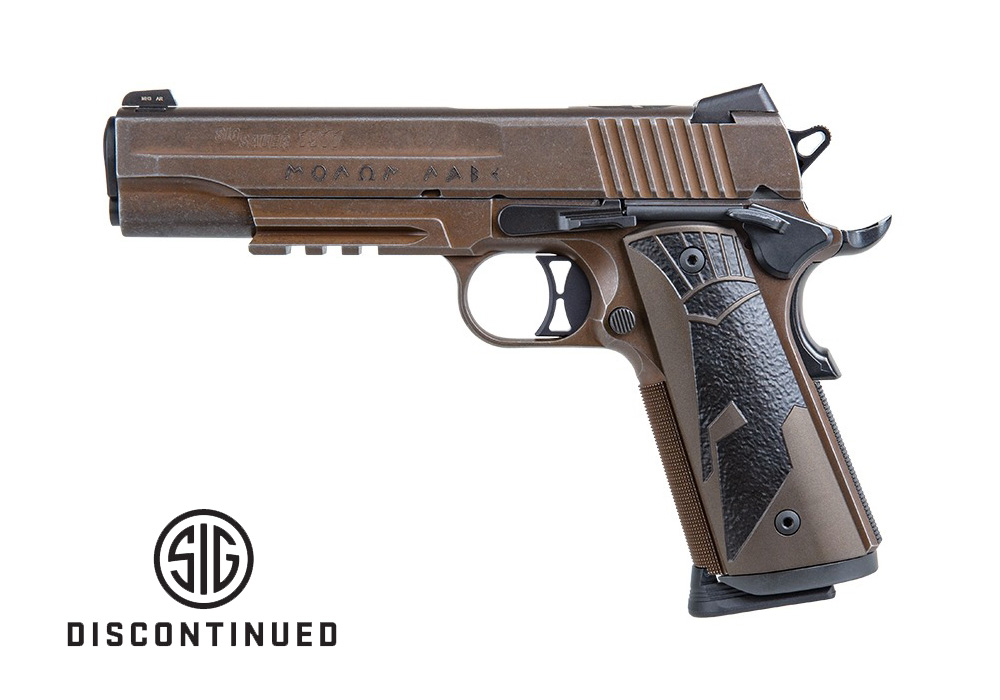
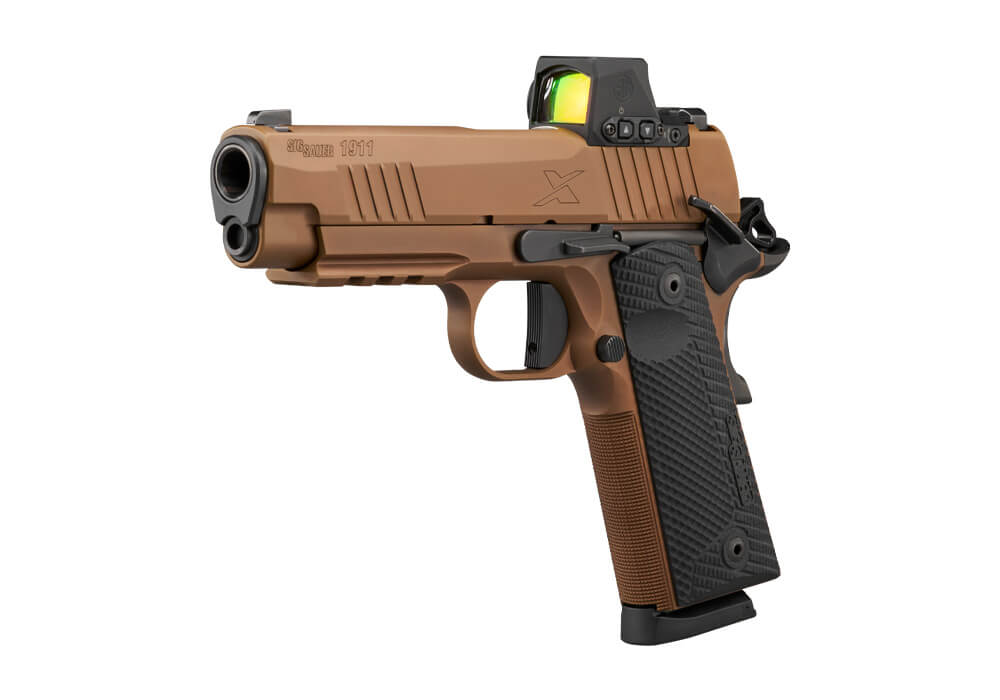
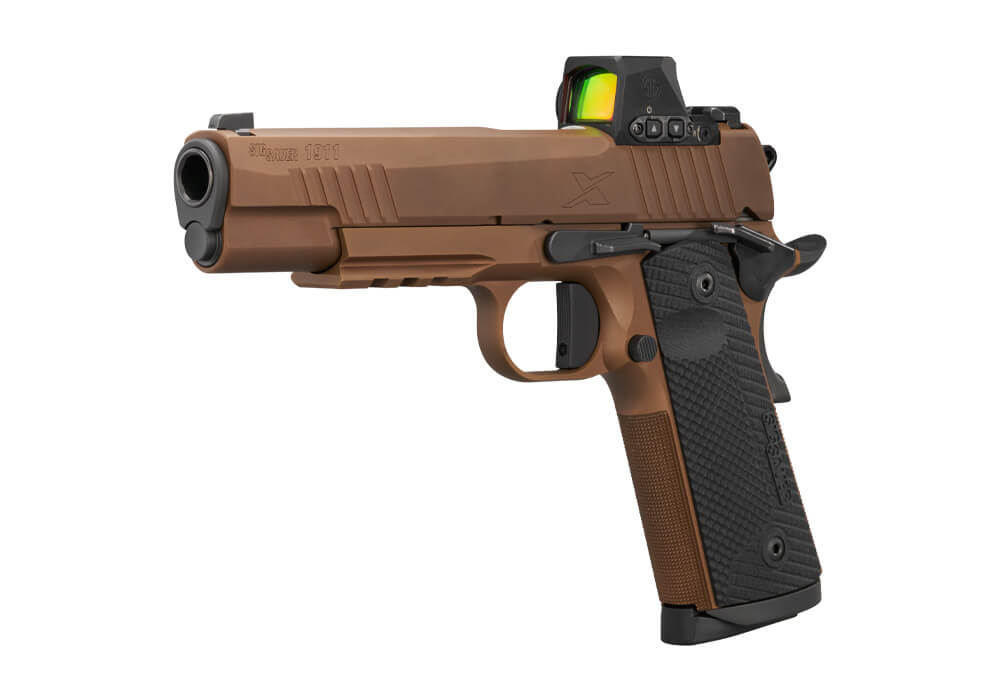
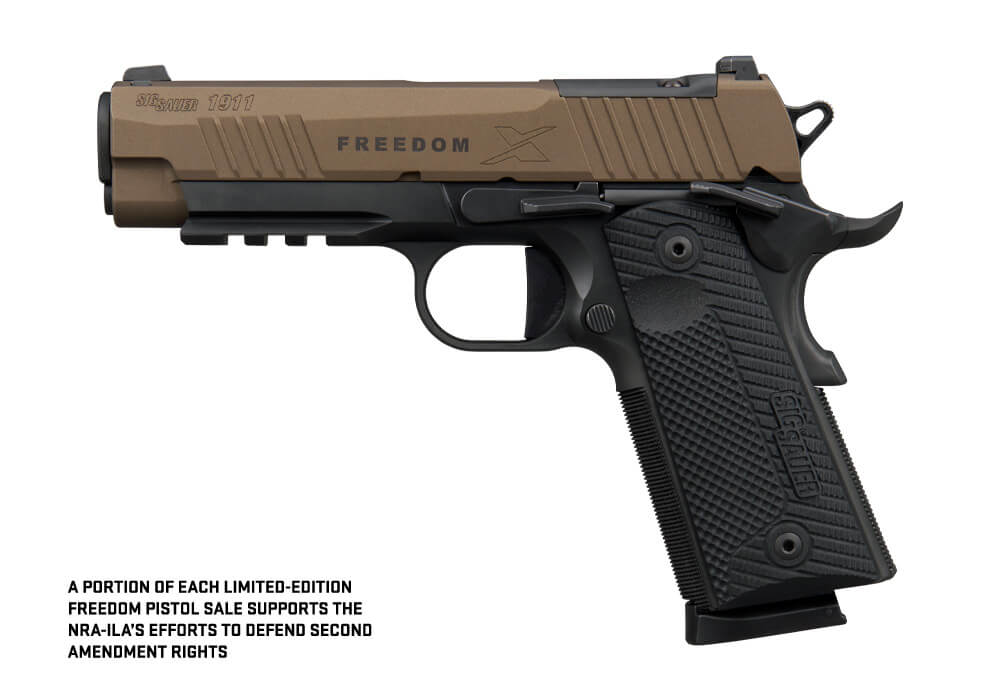
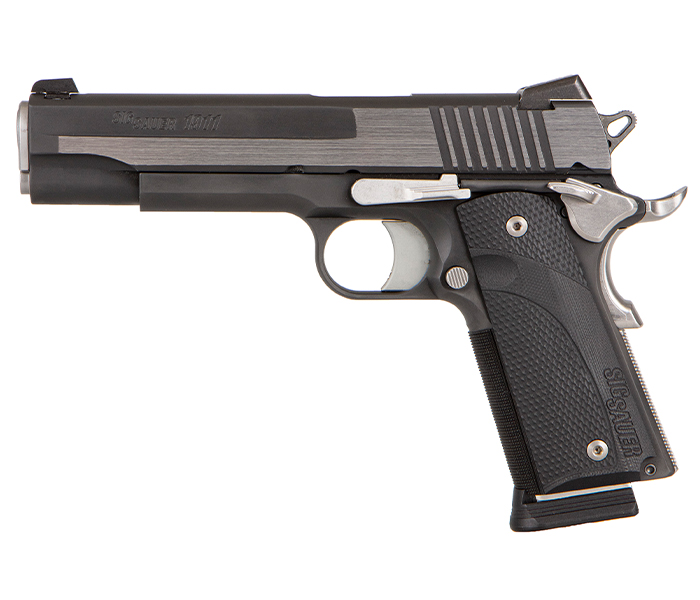
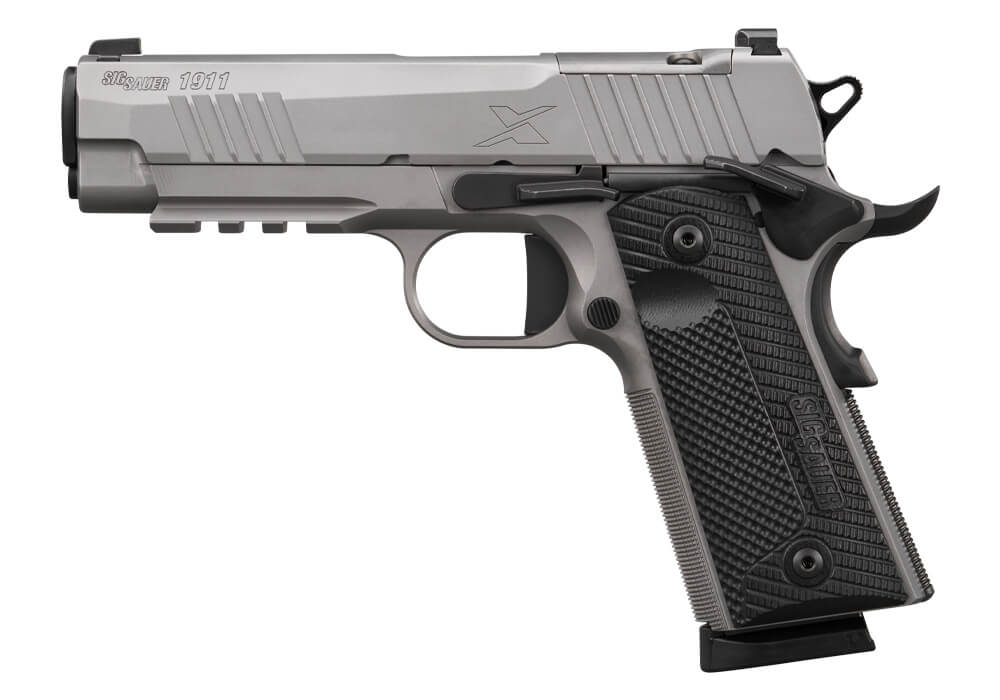
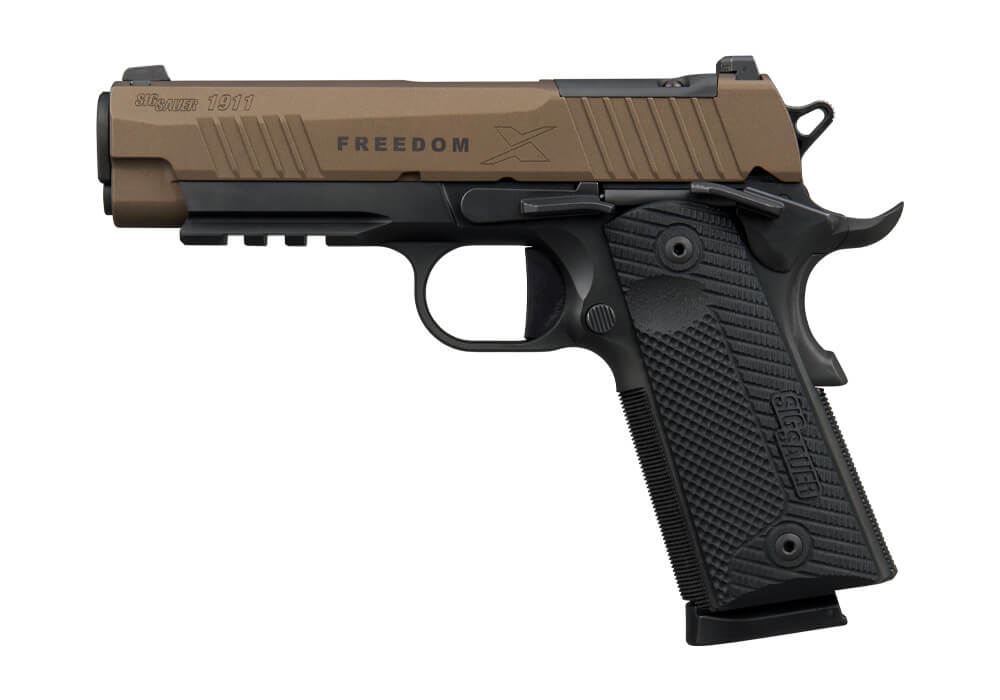
Manual safety 1911 handguns remain a popular choice for shooters who appreciate a traditional single-action design, a familiar grip profile, and a clearly defined manual safety system. The 1911 platform typically combines two safety features: a frame-mounted thumb safety and a grip safety built into the rear of the frame. When engaged, the manual thumb safety helps block the sear and prevents the trigger mechanism from releasing the hammer; on many designs, it also helps keep the slide from cycling. The grip safety is passive and is depressed naturally when the handgun is held with a proper firing grip, adding another layer of protection against an unintended trigger press. This combination gives the 1911 its distinctive handling characteristics and is one reason these pistols continue to appeal to experienced range shooters, personal-protection users, collectors, and professionals who value a deliberate, consistent manual of arms. Some 1911 owners carry the pistol in the traditional “cocked and locked” condition, with the hammer back, a round in the chamber, and the thumb safety engaged. That condition should only be considered by individuals who understand the design, have completed appropriate training, use a compatible holster that fully protects the trigger guard, and follow all applicable laws and storage requirements. Others prefer to carry or store the handgun in a different condition according to their training, equipment, and local regulations. In every case, the fundamental habits remain the same: keep the muzzle pointed in a safe direction, keep the trigger finger outside the trigger guard until ready to fire, treat every firearm as loaded, and know the condition of the handgun before handling it.
Choosing among manual safety 1911 handguns begins with fit and familiarity. The grip should allow the shooter to reach the trigger comfortably while fully depressing the grip safety without shifting the hand. A secure firing grip should place the thumb in a natural position near the thumb safety, making it possible to engage or disengage the safety without breaking the grip or reaching awkwardly. Controls should feel positive rather than vague, and the thumb safety should remain firmly in its selected position during normal handling. Left-handed shooters may want to look for an ambidextrous thumb safety, while right-handed shooters should still consider whether the safety shelf offers enough surface area for comfortable, repeatable operation. Trigger reach, grip texture, frame size, sight visibility, overall weight, and balance can make a meaningful difference during a long practice session. A heavier steel-frame handgun may feel steady in the hand and help soften recoil, while a lighter configuration may be easier to carry but more noticeable during recoil. The right choice often becomes clear at the range, where a shooter can compare how naturally the sights align, how confidently the grip safety is depressed, and how easily the thumb safety can be operated without disturbing the firing grip. New owners should spend time learning the pistol with an unloaded firearm in a safe environment, following the owner’s manual and receiving instruction from a qualified professional. Slow, deliberate practice helps build consistent habits: establish a safe grip, confirm the safety condition, keep the trigger finger indexed along the frame, and verify that the pistol is unloaded before storage, cleaning, transport, or maintenance. Before selecting a handgun for duty or professional use, buyers may also wish to review options in Manual Safety Pistols for Law Enforcement and confirm that the configuration meets agency policies, qualification standards, and approved equipment requirements.
Manual safety 1911 handguns can serve a wide range of lawful purposes, from recreational target shooting and formal competition to home readiness, professional applications, and careful collection. They may also be considered as a gift for an experienced shooter, although a firearm should never be given casually or without attention to the recipient’s training, preferences, secure-storage plan, and legal eligibility. A gift card or a conversation about preferred features may be more appropriate than selecting a handgun on someone else’s behalf, particularly because grip size, safety configuration, sight style, and intended use are highly personal choices. During the warmer part of the year, a 1911 may accompany a visit to an outdoor range, where the slower rhythm of loading, checking the safety, aligning the sights, and sending each round toward a paper target makes the platform’s mechanical character easy to appreciate. As the weather turns cooler, it can also be a good time to inspect holsters, magazines, cleaning supplies, and locked storage, then refresh safe-handling skills before the next range session. Regardless of season, transport the handgun unloaded and secured as required by law, use only the correct ammunition specified by the manufacturer, and keep firearms inaccessible to unauthorized users. Regular maintenance should include an unloaded inspection, proper cleaning and lubrication according to the owner’s manual, and attention to unusual wear or changes in the safety’s operation. A manual safety is an important mechanical feature, but it is not a substitute for safe handling, a quality holster, secure storage, or training. With the right fit and a thoughtful approach to practice, a 1911’s thumb safety and grip safety can become an intuitive part of a consistent routine—much like the familiar click of a well-fitted case closing before a careful day at the range.