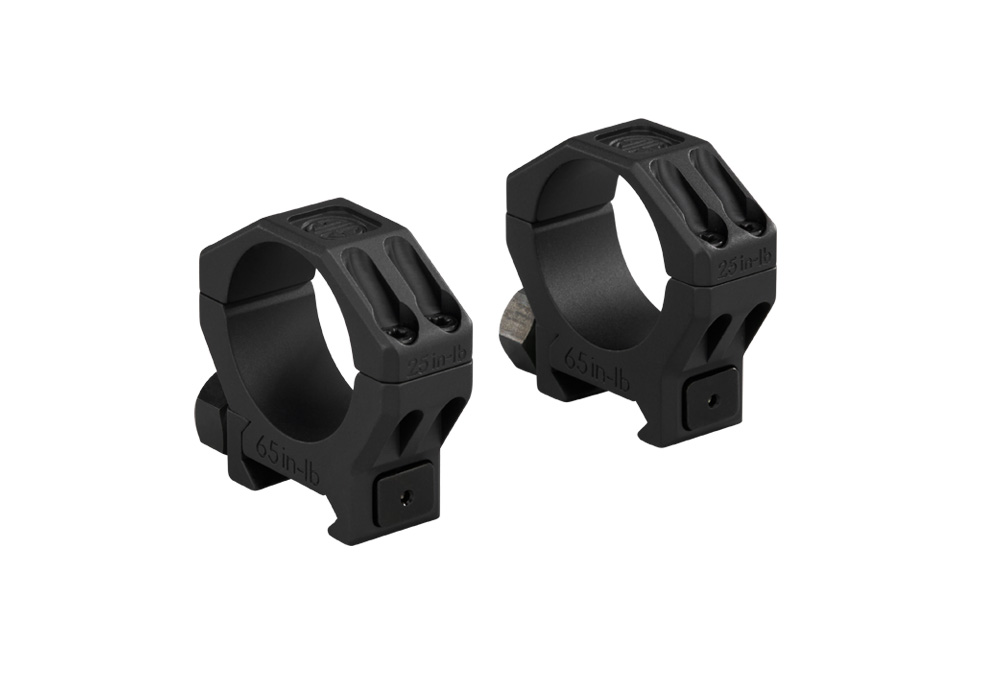
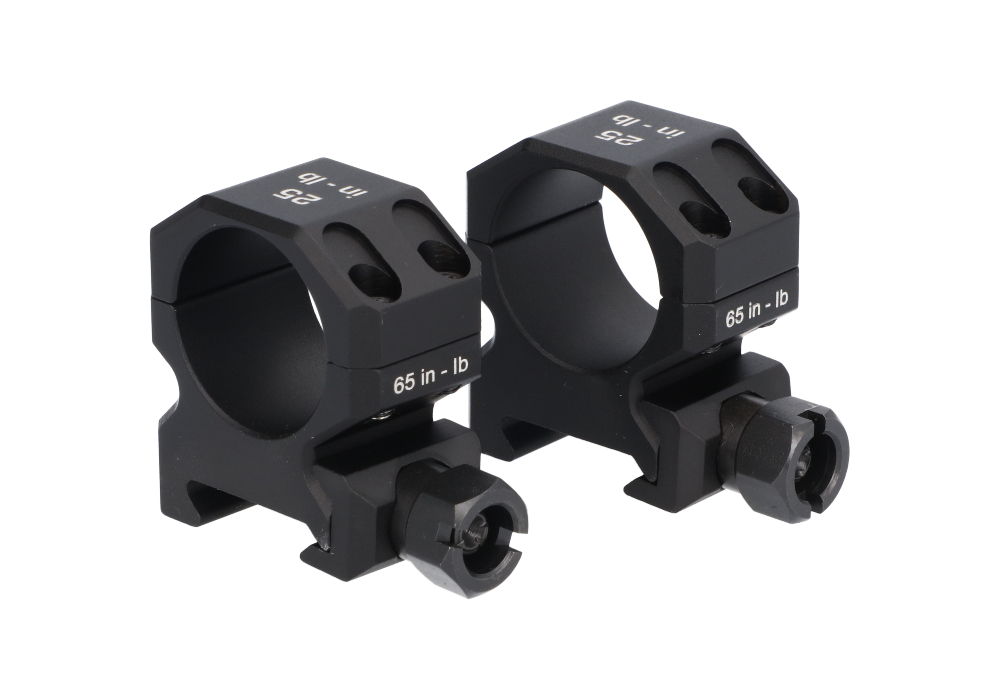
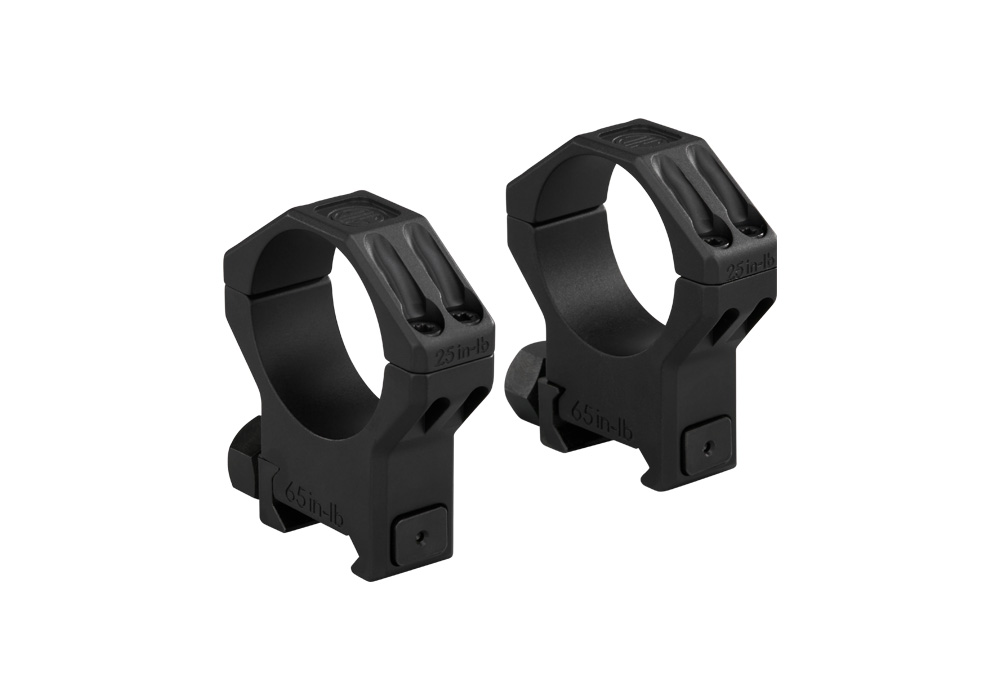
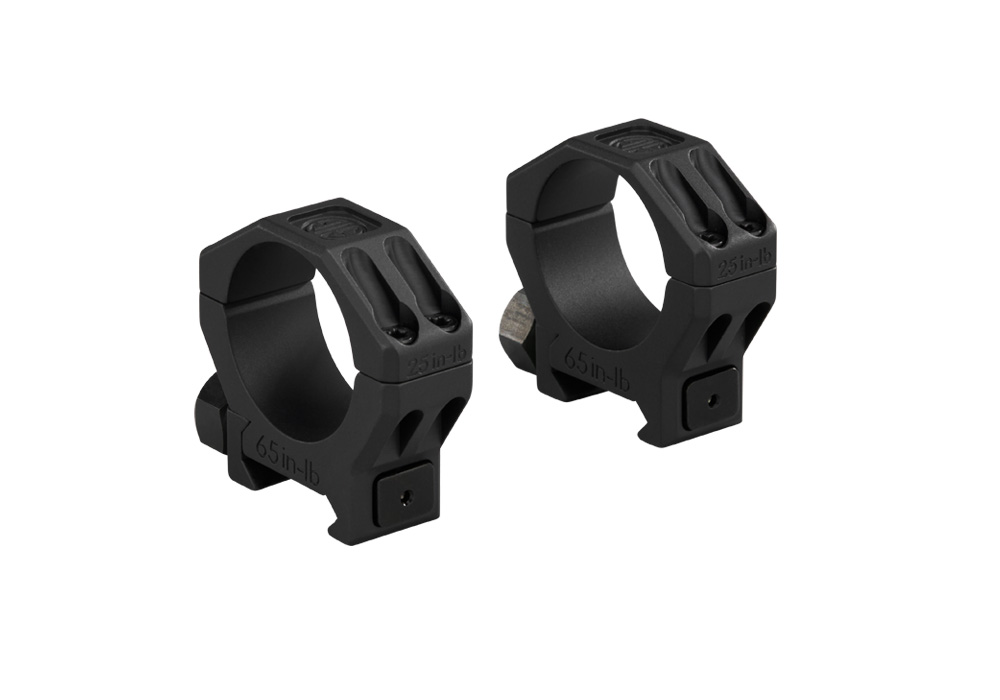
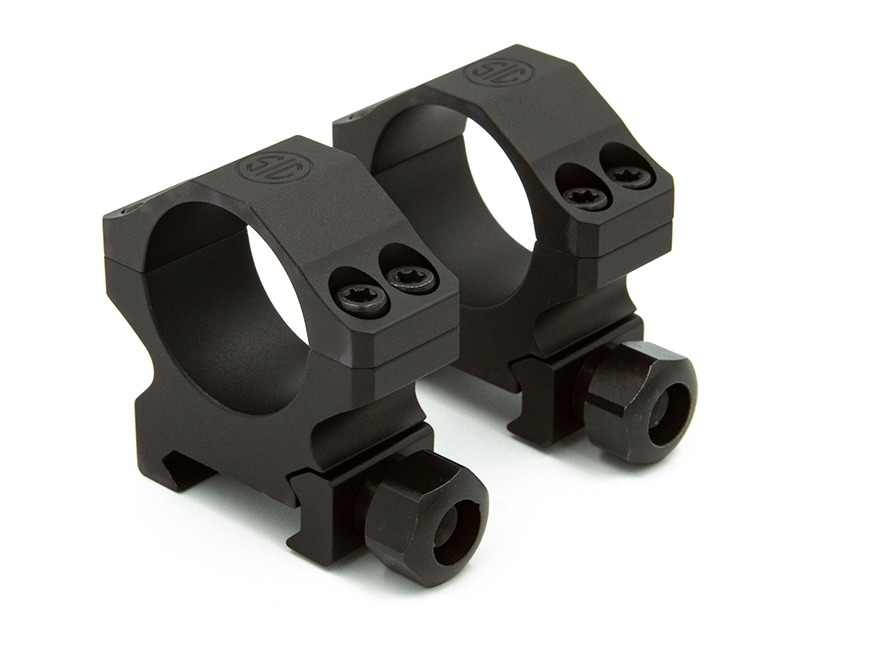
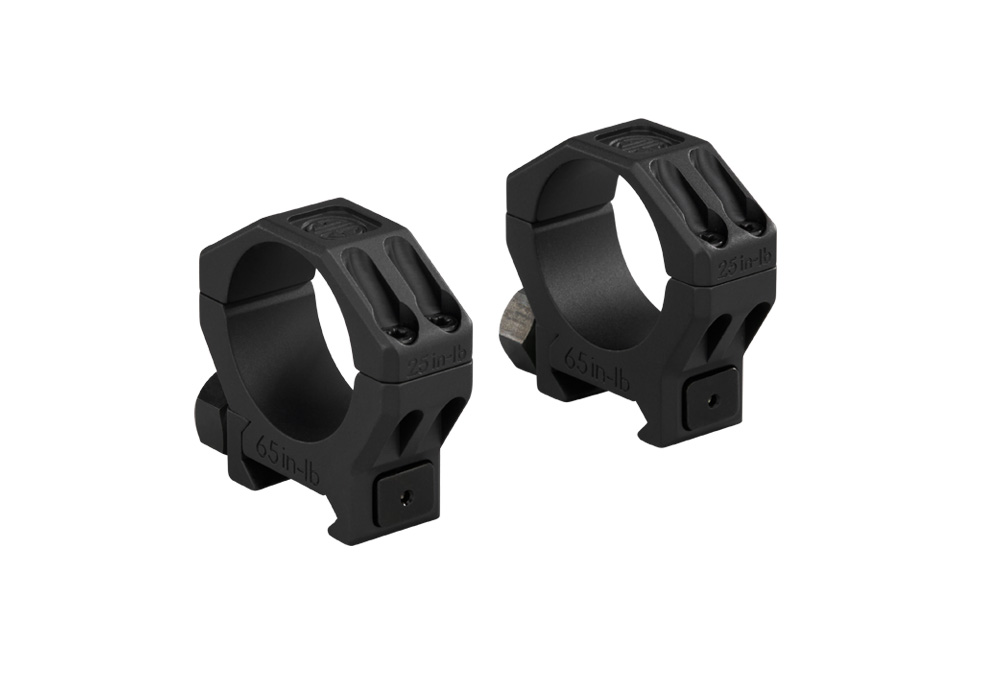
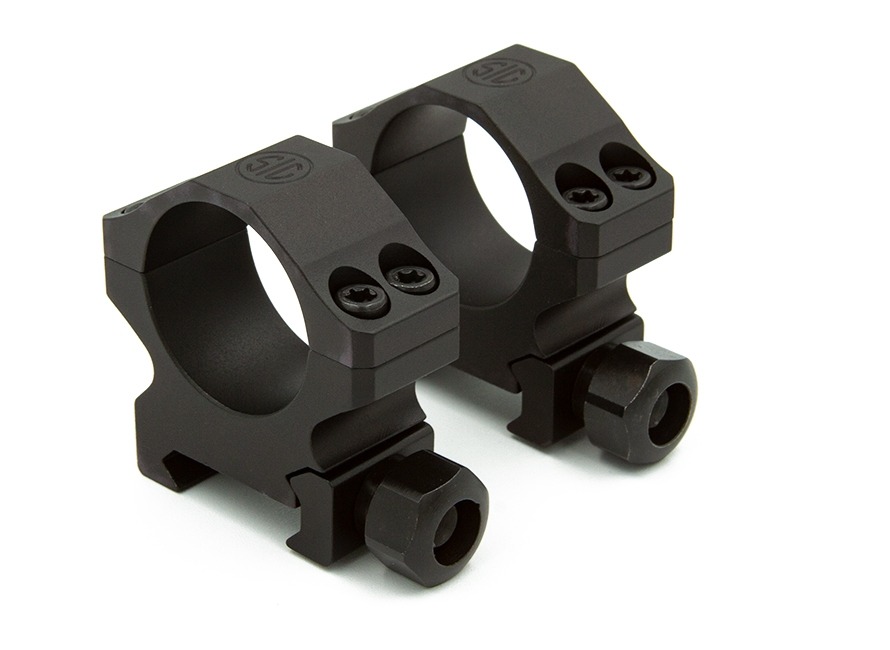
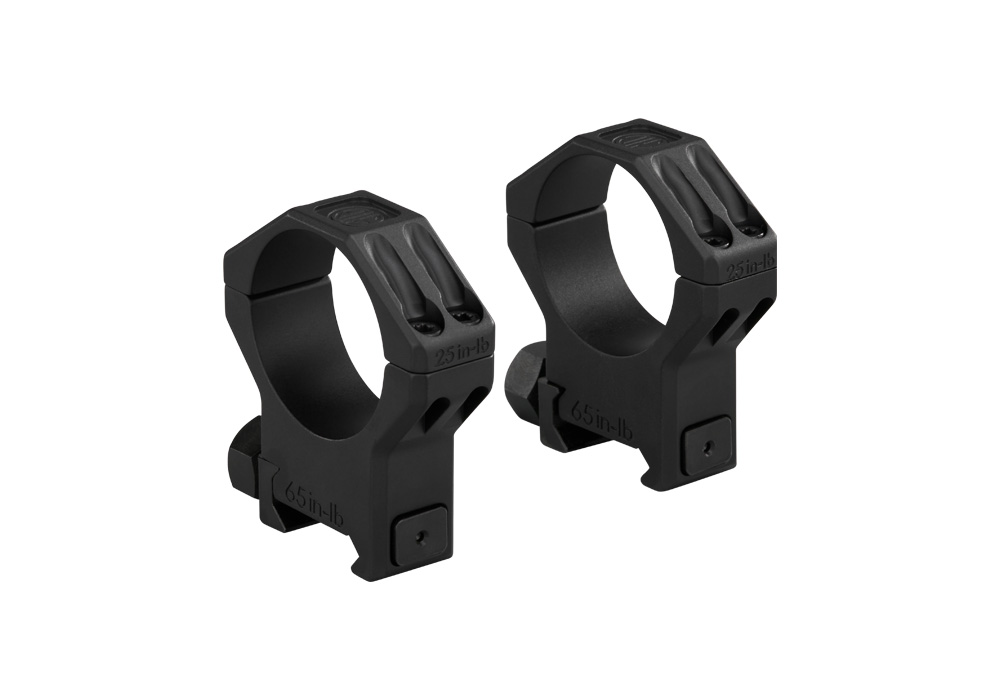
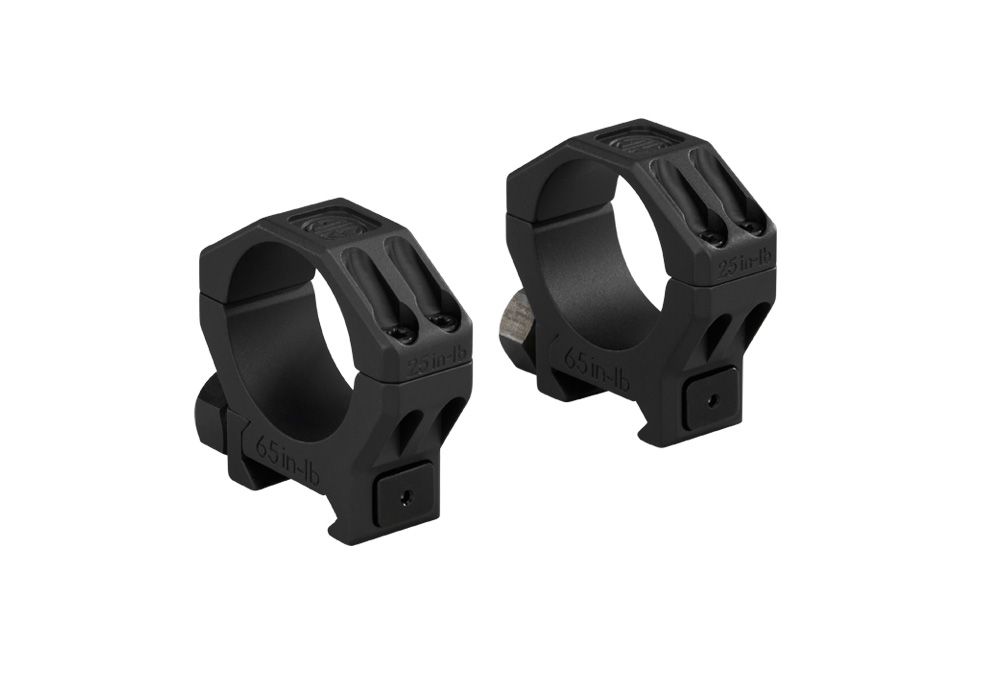
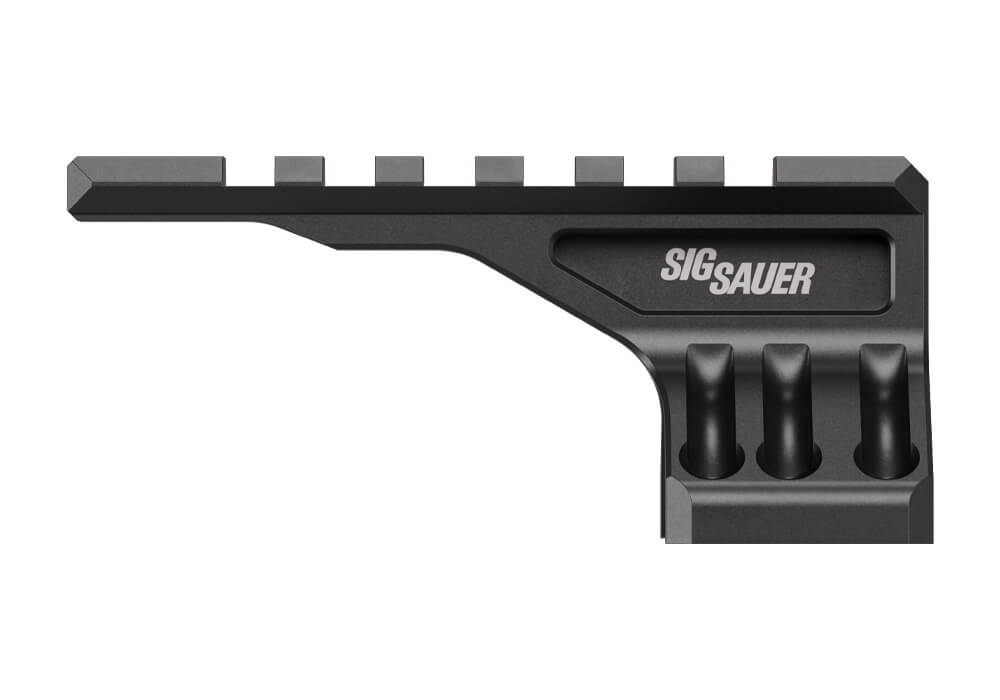
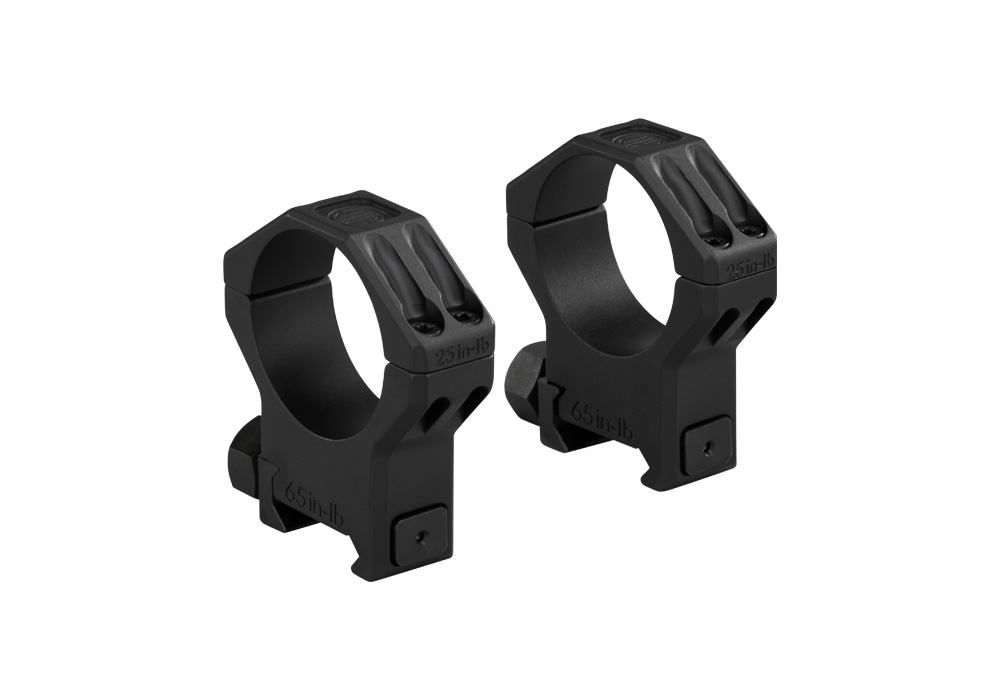
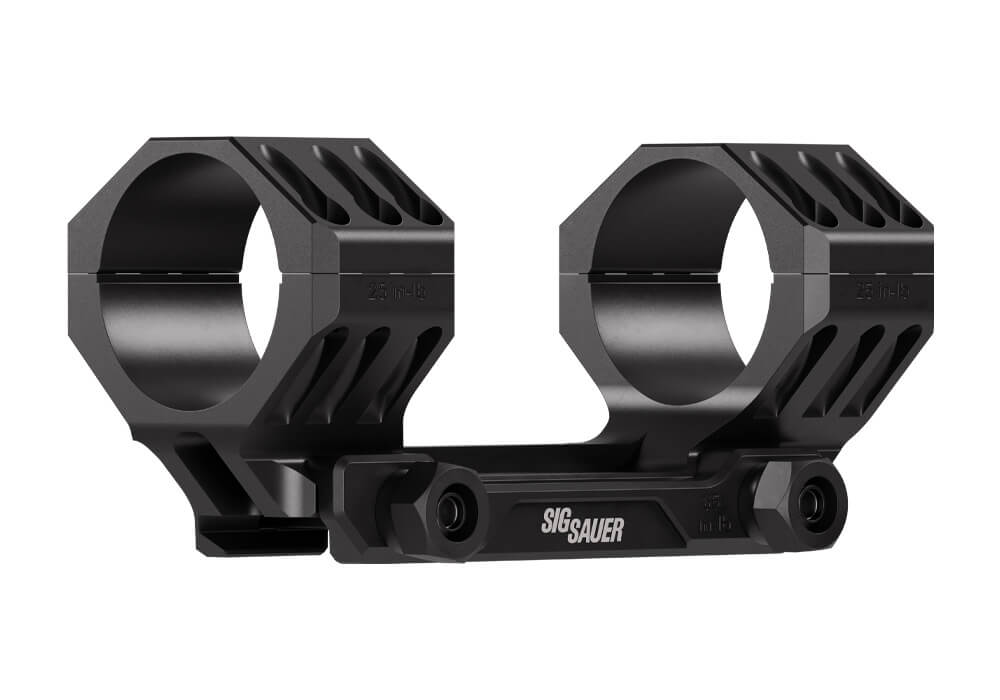
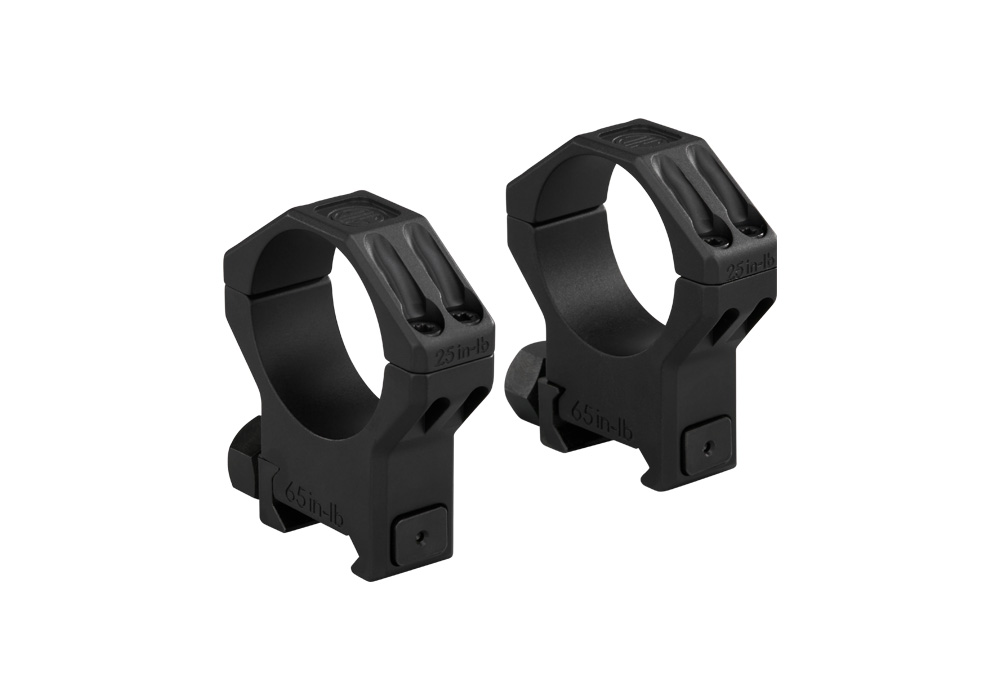
Optic rings secure a riflescope to a compatible mounting base or rail, supporting the scope tube and helping preserve alignment under recoil. Their fit affects more than whether an optic stays attached: ring diameter, mounting height, spacing, and rail compatibility all influence a comfortable sight picture and a dependable setup. Scope rings must match the diameter of the scope’s main tube, not the diameter of its objective lens. Common tube sizes include 1 inch, which equals 25.4 millimeters, as well as 30, 34, 35, and 36 millimeters. These measurements are not interchangeable, and a close-looking fit is not a substitute for the correct specification. Ring height also deserves careful attention. A suitable height provides clearance for the objective bell, barrel, receiver, bolt handle, and any accessories beneath the optic while supporting a natural cheek position on the stock. The lowest workable arrangement is often desirable, but clearance and comfortable head position matter more than choosing a ring labeled “low.” Height labels vary between manufacturers, and published dimensions may refer either to the bottom of the scope tube or to its centerline. Comparing measurements requires checking which reference point each specification uses. The outside diameter of the objective housing is another important detail because the lens measurement alone does not establish the space needed beneath the scope. Lens covers can require additional room. At the mounting surface, rings must match the firearm’s base or rail system, including its slot dimensions and attachment method. Picatinny-compatible rings, dovetail rings, and direct-mount designs serve different interfaces; their appearance alone does not establish compatibility. Ring spacing must also leave enough straight scope tube for secure support without interfering with the turret housing, magnification control, or objective transition. For a shooter settling behind a rifle at the bench, all of these dimensions come together in a simple, practical result: a clear sight picture without lifting the head awkwardly or stretching forward to reach usable eye relief.
Materials and construction help determine how optic rings balance weight, rigidity, and resistance to wear. Precision-machined aluminum is common where keeping a rifle manageable matters, while steel offers another option for shooters who prioritize a substantial mounting assembly. Aluminum alloys such as 6061-T6 and 7075-T6 have different mechanical properties, but alloy designation alone does not establish the performance of a finished ring. Geometry, machining accuracy, hardware quality, surface treatment, and correct installation all contribute to the result. A well-fitted ring supports the scope tube evenly without relying on excessive clamping force. Protective finishes can help limit corrosion and surface wear, although no finish eliminates the need for sensible care. Recoil places repeated stress on the connection between the optic and firearm, making secure rail engagement and properly fitted fasteners important. Crossbolts, recoil lugs, and clamp designs vary, so their suitability depends on the mounting interface and the intended application rather than appearance. Ring caps also differ in shape, screw arrangement, and installation requirements. More screws do not automatically mean better performance, and greater tightening force is not a substitute for following the applicable specifications. Excessive torque can damage threads or distort a scope tube, potentially affecting internal adjustments. Correct mounting follows the ring and optic manufacturers’ guidance, including any requirements for tightening sequence, cap spacing, and thread treatment. Where those requirements are unclear or appear to conflict, a qualified gunsmith can help establish an appropriate setup. Reticle alignment and eye relief deserve the same attention as fastener security. A scope that looks centered on a table may feel poorly positioned when the shooter shoulders the rifle from a seated, standing, or supported position. The useful mounting position accommodates the shooter’s normal posture while keeping controls accessible and moving parts unobstructed. Rings with detachable mechanisms may suit certain arrangements, but consistent return to zero depends on the complete system and should be verified rather than assumed.
Different shooting activities place different demands on scope rings, even when the tube diameter is identical. A rifle carried over long distances benefits from attention to mounting weight and a profile that does not interfere with handling. A dedicated target rifle may place more emphasis on rigidity, repeatable positioning, and a height that works with an adjustable stock or a larger objective housing. At a shooting bench, sufficient clearance around the eyepiece and magnification ring keeps adjustments accessible without forcing an awkward grip. In supported field positions, a stable cheek weld can make the sight picture easier to find consistently. These practical differences explain why ring selection works best as part of the complete rifle-and-optic combination rather than as an isolated accessory choice. Rings for a traditional tubular riflescope also serve a different purpose from mounting plates used with compatible compact sights. For an optic that attaches through a footprint-specific plate interface, Optics Plates address a separate mounting requirement; a plate and a set of scope rings are not interchangeable solutions. Once installed, scope rings benefit from periodic inspection and straightforward care. With the firearm unloaded and ammunition stored separately, accessible surfaces can be checked for dirt, corrosion, damaged hardware, or signs of movement. A soft cloth or brush helps remove residue without abrading protective finishes, while cleaning products should remain compatible with the optic, rings, and firearm. Lubricants or thread compounds belong only where the relevant manufacturer specifies them, since they can affect tightening behavior. An unexplained change in point of impact warrants inspection of the complete mounting system rather than an assumption that the scope itself is at fault. Verification after installation or adjustment remains important, especially before a hunt or organized match. For a gift recipient, exact scope and mounting specifications matter more than a general description of the rifle. The most useful optic rings are those that fit the equipment correctly, support the shooter’s position, and remain serviceable through regular use and careful maintenance.