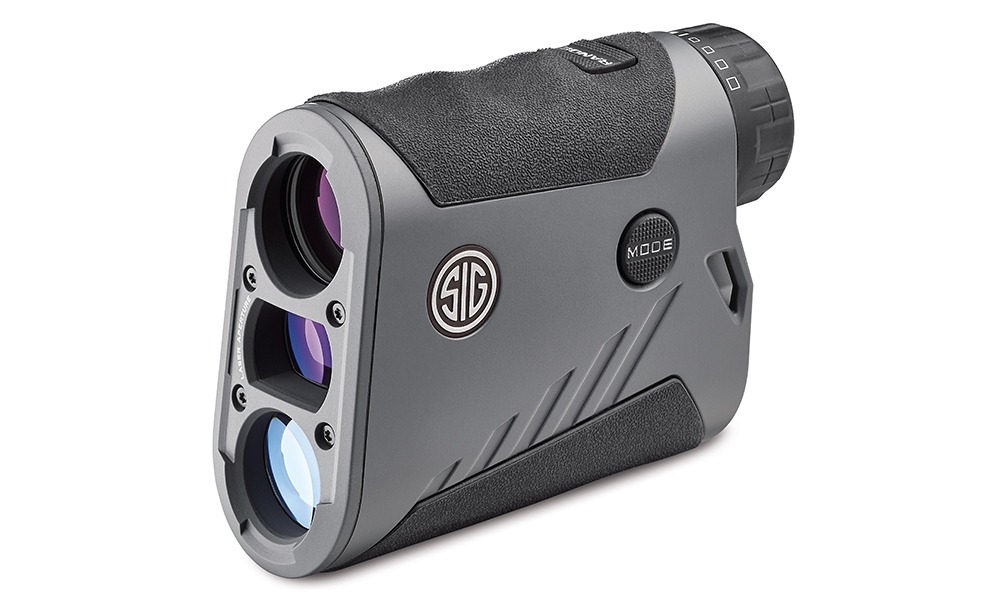
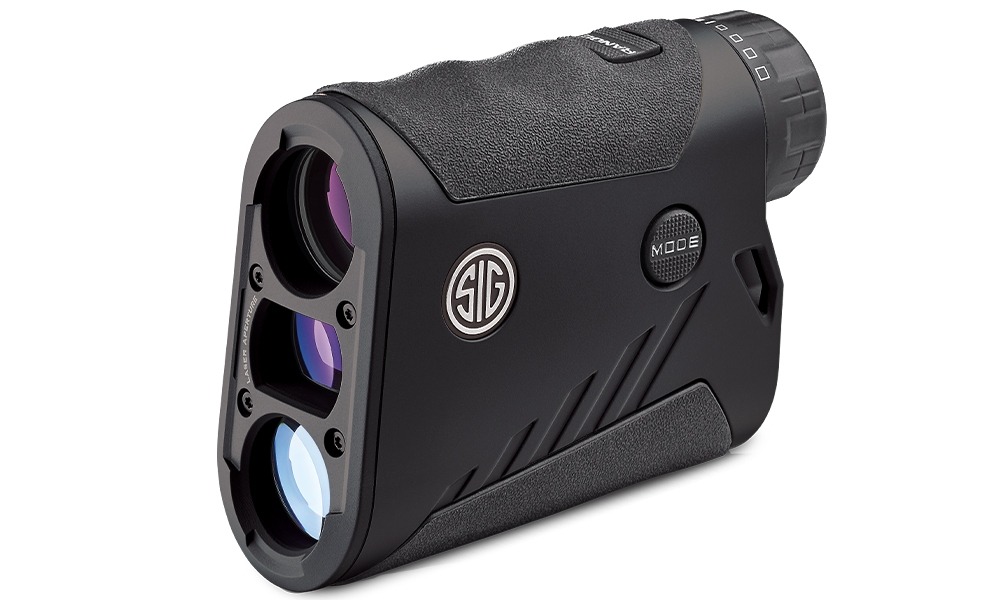
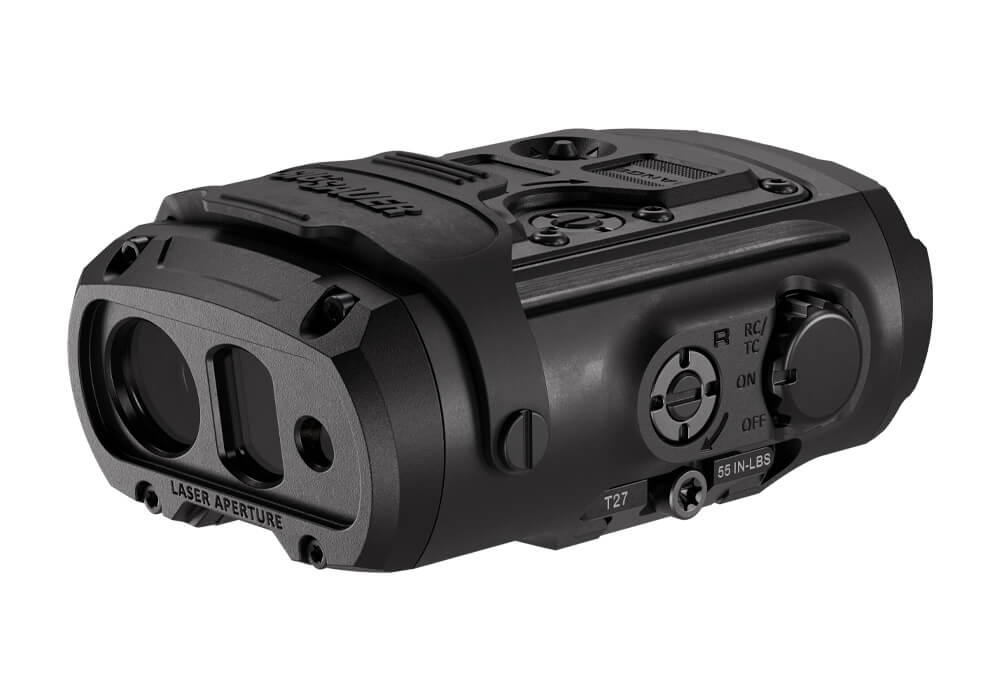
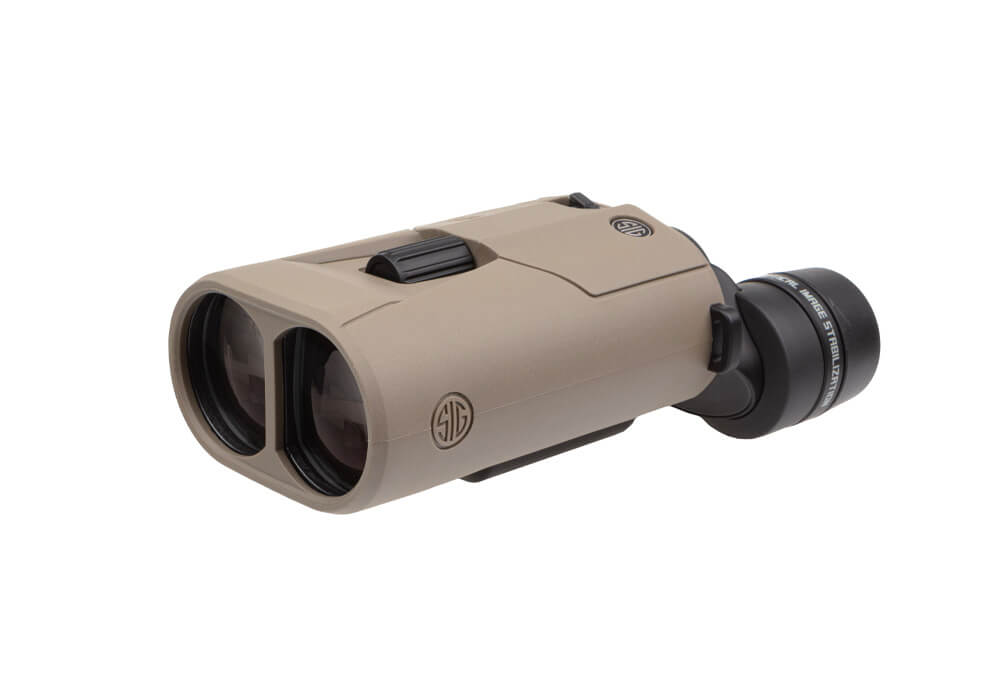
Optical clarity rangefinders combine a viewing optic with laser distance-measuring technology to help users identify a target and obtain a fast, useful distance reading in the field. The rangefinder sends a low-power laser pulse toward the selected object, measures the time it takes for the reflected light to return, and calculates the distance. Clear glass and effective lens coatings make this process easier to use because they help the target stand out against brush, rock, timber, open ground, or a changing skyline. When comparing optical clarity rangefinders, consider the quality of the glass, the brightness of the image, edge-to-edge sharpness, color rendition, and how well the lenses perform when light begins to fade. Anti-reflective coatings can improve light transmission and reduce distracting glare, while durable exterior lens coatings help protect against scratches, dust, moisture, and the everyday contact that comes with carrying optics outdoors. Magnification also deserves attention: moderate magnification can provide a steady, wide field of view for quickly locating a target, while greater magnification may help with distant objects when the user has time to establish a stable hold. A clear image is particularly valuable when judging a small or partially obscured target, and a crisp internal display can make the measurement easier to read without forcing the user to shift attention away from the scene.
The best optical clarity rangefinder depends on how it will be carried and used. Hunters may value a compact, weather-resistant unit that can be operated quietly with gloved hands and used to check the distance across a canyon, along a timberline, or through a break in the vegetation. Archery hunters often appreciate a simple, quick-reading design for confirming ranges where a few extra yards can influence shot placement and equipment selection. Hunters pursuing game during the cooler months may encounter low-angle sunlight, overcast skies, mist, or shaded terrain, making brightness and contrast just as important as maximum advertised distance. Shooters working at a range or evaluating a distant target can benefit from a model with a stable view, a readable display, and a range appropriate to the distances they actually practice. Golfers, hikers, land managers, and outdoor observers may also use a rangefinder to estimate the distance to a flag, trail feature, ridge, structure, or other prominent object. Advertised ranging distances are generally measured under favorable conditions and may vary with target size, surface reflectivity, atmospheric conditions, angle, and lighting. Reflective targets usually return a stronger signal than dark or irregular surfaces, so practical performance should be considered alongside the maximum listed range. A ranging mode that accounts for incline or decline can be helpful in steep country, although users should understand what the measurement represents and confirm that their intended application is supported. As with any optical device, steady technique matters; bracing against a pack, trekking pole, or nearby support can make it easier to hold the reticle on a small target long enough to receive a dependable reading.
Display design is another important purchase consideration. A black or subdued readout may be comfortable in bright conditions, while an illuminated display can improve visibility against dark timber, shaded slopes, and other low-contrast backgrounds. Users who regularly move between bright open ground and dense cover may prefer adjustable brightness or multiple display settings; options in this category can be explored with Illuminated Display Rangefinders. Pay attention to the controls, battery access, automatic shutoff, water resistance, weight, and the shape of the housing, since these details affect how naturally the rangefinder fits into a hunt or range session. A lanyard point, belt pouch, or compatible chest pack can keep the optic close at hand without adding unnecessary bulk. For a gift, an optical clarity rangefinder is a practical choice for a hunter preparing for a new season, a recreational shooter building a field kit, or an outdoorsperson who enjoys learning the terrain in greater detail. It is worth matching the gift to the recipient’s habits: a lightweight model may suit someone who covers long distances on foot, while a larger optic with enhanced viewing comfort may be better for someone who spends extended periods glassing from a fixed position. Before using any rangefinder, read the instructions, inspect the lenses and battery compartment, and follow the manufacturer’s laser-safety guidance. Never aim a laser at people, vehicles, aircraft, or reflective surfaces where the beam could create a hazard. Stored in a protective case and wiped with proper lens-cleaning materials, a well-chosen rangefinder can provide a clear view and reliable distance information through bright autumn afternoons, damp mornings, and the changing light of the colder season.