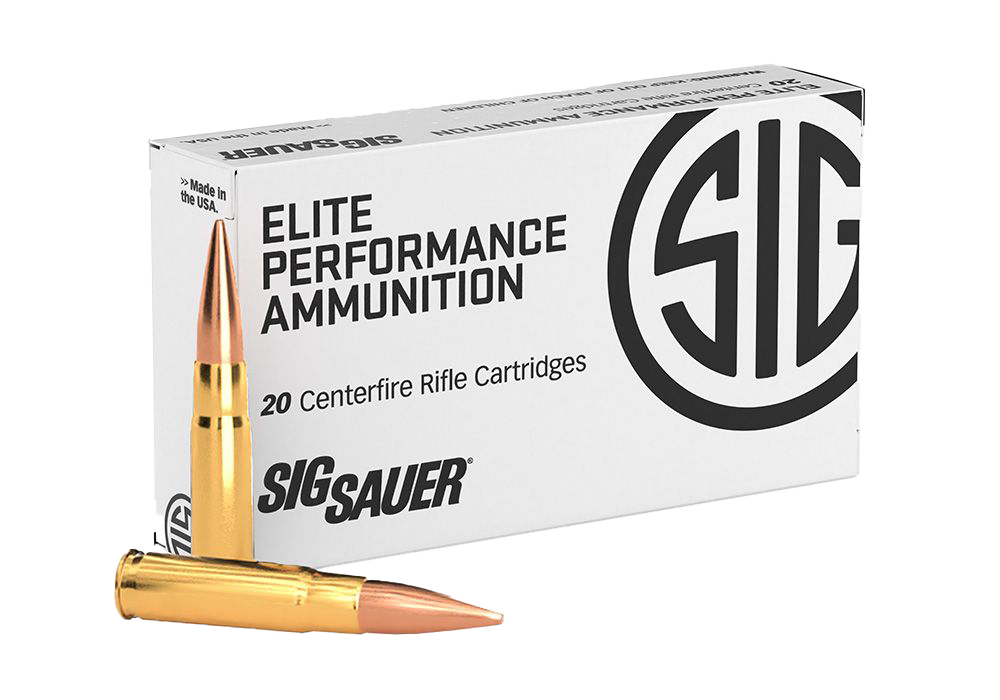
Open Tip Match (OTM) rounds are rifle cartridges associated with precision shooting, consistent grouping, and carefully controlled performance at extended distances. The open tip is a small opening at the front of the projectile, but it should not be confused with a traditional hollow-point design intended to promote reliable expansion. In many OTM projectiles, the opening is a byproduct of the jacket-forming process: the jacket closes near the nose while the bullet is formed from the base upward, leaving a small meplat aperture. The primary benefit is typically consistency rather than expansion. A uniform base, evenly distributed core, and carefully controlled projectile profile can help reduce variation as the bullet exits the barrel and travels downrange. That consistency is one reason OTM ammunition is often selected for competitive rifle matches, precision practice, sight-in sessions, and other applications where repeatable shot placement matters. Shooters who spend time refining a rifle setup may appreciate how ammunition selection affects group size, trajectory, recoil feel, and point of impact. Even a well-tuned rifle can respond differently to different bullet weights or load specifications, so OTM rounds are best considered alongside the rifle’s chambering, barrel twist rate, optic settings, and intended distance. Always confirm that the cartridge designation matches the firearm and follow the firearm owner’s manual, range rules, and applicable laws before use.
When choosing OTM rounds, start with the caliber and bullet weight recommended for the rifle, then consider the distance and style of shooting involved. Common chamberings associated with OTM ammunition include 5.56x45mm NATO, .223 Remington, .308 Winchester, and 6.5 Creedmoor, although availability and load details can vary. Heavier projectiles are often selected by precision-focused shooters seeking a stable flight profile, while other shooters may prefer a lighter loading that aligns with a rifle’s twist rate and established zero. Muzzle velocity, ballistic coefficient, lot consistency, packaging, and storage history can all influence practical results. For a serious practice session, it is useful to keep notes on the ammunition, weather, distance, group size, and optic adjustments; those details can reveal which loading performs most consistently in a particular rifle. OTM rounds may suit competitive shooters preparing for a match, recreational marksmen working on fundamentals, instructors conducting structured range sessions, or experienced rifle owners building confidence through repeatable practice. They can also be a thoughtful gift for a qualified adult who already owns a compatible firearm and follows safe storage and transport practices. Ammunition is not a universal gift, however, since caliber, bullet weight, local regulations, and the recipient’s intended use all matter. For shoppers comparing rifle ammunition with other choices, reviewing the firearm’s chamber marking is essential. A pistol cartridge such as 10mm Auto Rounds belongs to a different category and should never be substituted for a rifle cartridge simply because the names or packaging appear familiar.
OTM ammunition is generally selected for precision-oriented range use, not because the small opening at the nose guarantees expansion on impact. The tip is usually too small and inconsistent to serve as a dependable expansion mechanism, and performance can vary with the specific loading, target material, distance, and barrel. For hunting or personal protection, shoppers should select ammunition specifically designed and legally appropriate for that purpose rather than assuming an OTM round will perform like a purpose-built expanding projectile. Rules can differ by state, locality, range, competition organization, and type of use, so reviewing current requirements is part of responsible purchasing. Safe handling remains central in every season: store cartridges in a cool, dry location away from unauthorized users, keep ammunition in its original packaging or clearly identified containers, inspect rounds for corrosion or damage, and use eye and hearing protection on the range. During the cooler months, temperature changes between storage and the firing line can affect equipment and comfort, making a deliberate inspection and a careful zero check worthwhile. Whether used for a calm morning of benchrest practice, a structured competition session, or regular rifle training, OTM rounds offer a precision-focused option for shooters who value consistency and want ammunition selected with their rifle, distance, and goals in mind.