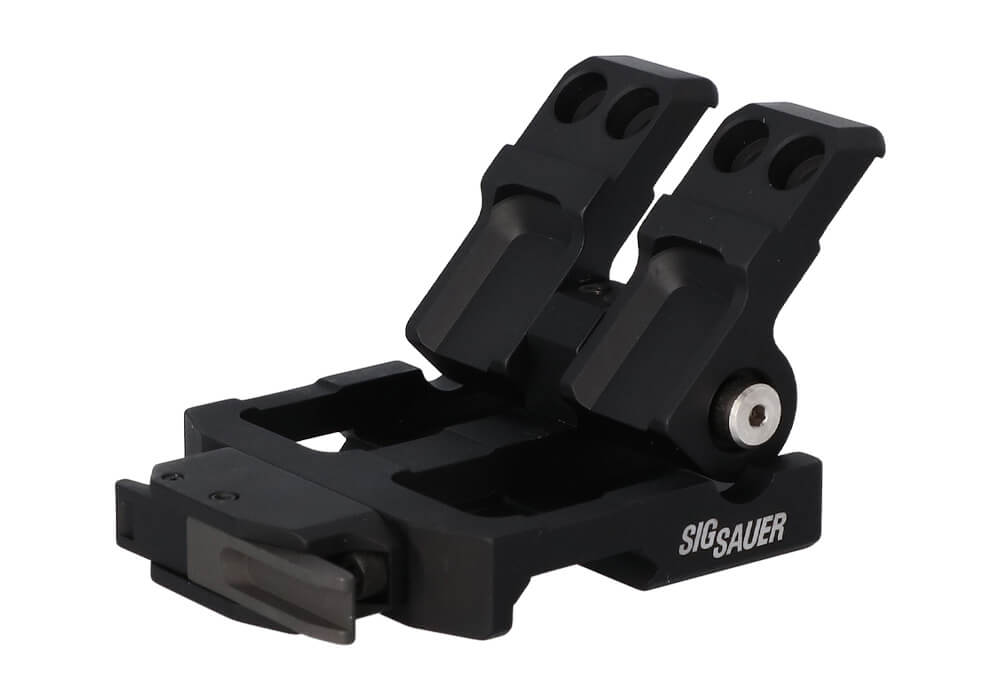
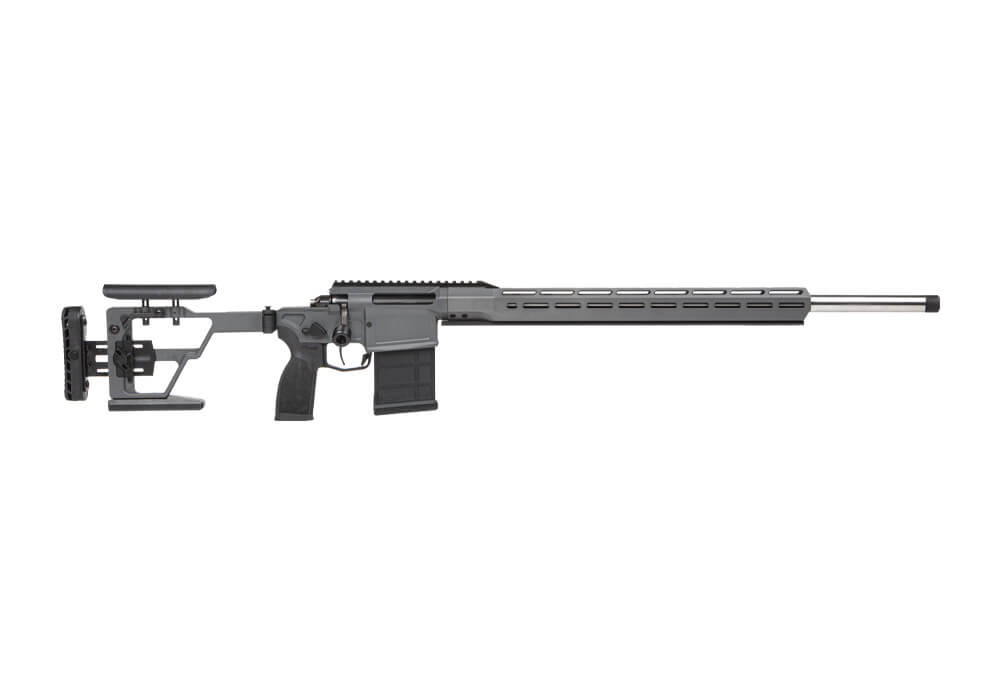
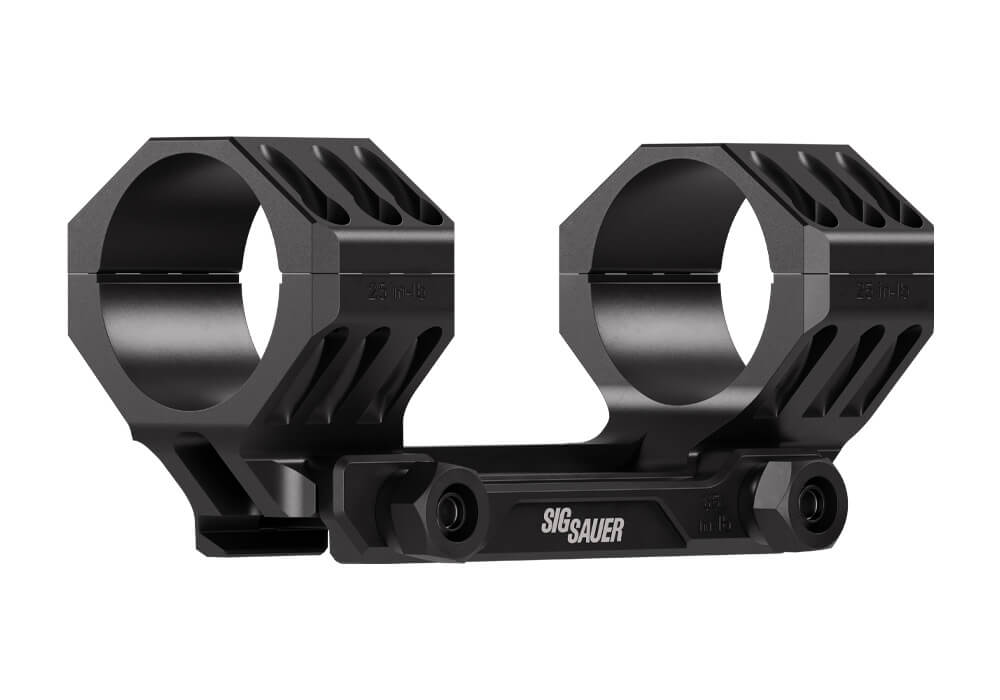
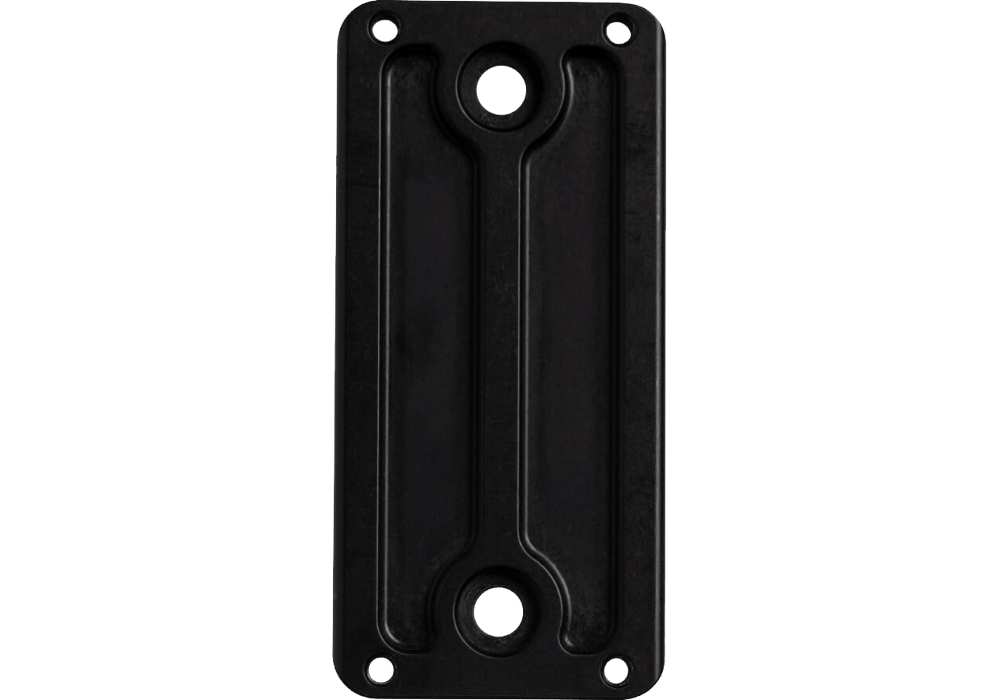
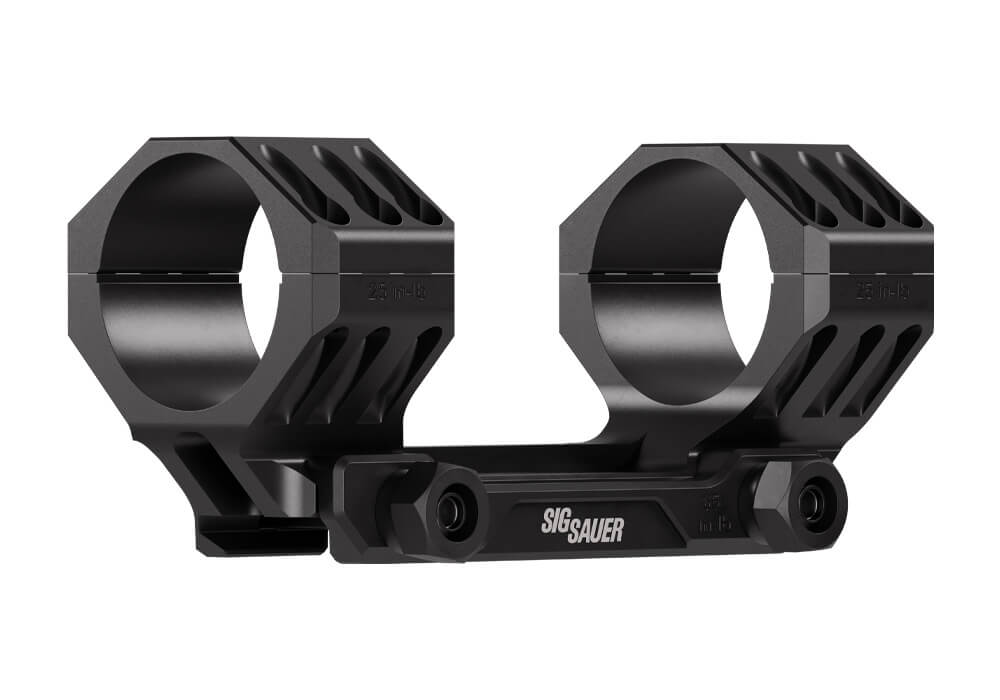
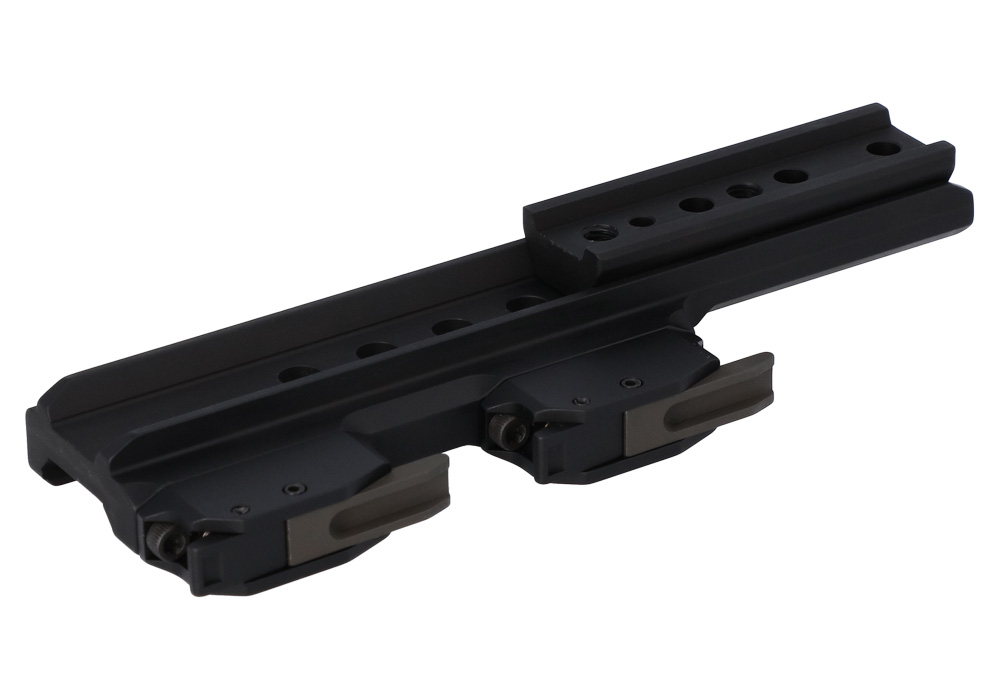
Precision rails provide a dependable mounting interface for firearms, helping users position optics, lights, lasers, grips, bipods, and other compatible accessories with greater consistency. In this context, “precision” refers to the careful fit, alignment, dimensional control, and repeatable attachment that support a stable setup—not to industrial linear guide rails used in CNC equipment or 3D printers. A well-chosen rail can make an accessory feel like a natural extension of the firearm, whether it is being used on a range bench, carried for field applications, or included in a carefully assembled home-defense setup. The right rail also preserves flexibility: an owner can adjust accessory placement to suit a preferred shooting position, eye relief, hand placement, or equipment configuration without permanently altering the firearm. When comparing options, begin with the firearm’s exact model and the mounting area available. Confirm whether the rail is intended for the receiver, handguard, frame, or another specific interface, and check the accessory standard it supports. Common considerations include 1913-style slots, modular mounting patterns, direct-mount interfaces, and rail sections designed for a particular handguard system. Compatibility is more than a matter of appearance; the mounting pattern, screw size, hole spacing, clearance, and available surface area all affect whether an accessory will install securely and function as intended. A rail that looks close to the correct size may still interfere with controls, block a sight picture, or leave insufficient room for proper hardware engagement. Reviewing manufacturer specifications and the firearm’s owner documentation before purchase helps avoid those problems and makes installation more straightforward.
Construction and design are equally important when selecting a precision rail. Aluminum options can offer a practical balance of strength and weight for many sporting and range configurations, while steel designs may be preferred where a particularly robust mounting surface is needed. A low-profile rail can preserve a clean silhouette and reduce unnecessary bulk, while an extended rail may provide more room for positioning multiple accessories or accommodating different shooting stances. Surface treatment, edge finishing, slot dimensions, and fastener quality can all influence long-term usability, especially when equipment is handled frequently, transported in a case, or exposed to dust, moisture, and changing temperatures during the cooler months. Weight deserves attention as well. A rail is only one part of the overall setup, and adding several accessories can change balance, handling, and the way the firearm fits in a case or sling. For optics, look closely at height and clearance so the sight line remains comfortable and the optic does not contact the rail, handguard, or rear sight. For lights and lasers, consider activation access, cable management, and whether the selected position keeps the support hand clear of heat and moving parts. For bipods and grips, think about leverage and how pressure applied during shooting may affect the mounting surface. A rail should remain secure without shifting, rocking, or loosening under ordinary use, but installation should always follow the supplied instructions and recommended torque values. The firearm must be unloaded before installation, and a qualified gunsmith can be a wise choice when fitment is uncertain or permanent modification may be required.
Precision rails are useful for experienced shooters refining a familiar setup, new firearm owners building a versatile configuration, and outdoor enthusiasts who want a reliable way to add task-specific equipment. They can also be a thoughtful gift for a shooting partner, hunter, competitive participant, or range regular who enjoys fine-tuning equipment, although the giver should confirm the recipient’s firearm model and preferred mounting standard before purchasing. A rail is rarely a universal accessory, and a small detail—such as receiver length, handguard profile, operating system, or accessory clearance—can determine whether it is the correct choice. For someone who already has a preferred optic or illumination device, matching the rail to that equipment is often more useful than selecting by appearance alone. Shooters who value a streamlined setup may prefer a short section placed exactly where needed, while those who move accessories between positions may appreciate a longer continuous mounting surface. Pairing a stable rail with a carefully selected optic and a clean trigger interface, such as Precision Triggers, can contribute to a more consistent and comfortable shooting experience, provided every component is compatible and installed correctly. Before heading to the range, inspect the rail and fasteners, confirm that accessories are locked in place, verify that controls remain unobstructed, and check the point of aim after any configuration change. During field use, a quick inspection after transport or heavy handling can catch loosened hardware before it affects performance. Store the firearm and accessories securely, follow all applicable laws and range rules, and rely on formal training for safe handling. With the right fit and thoughtful placement, a precision rail offers a practical foundation for a dependable, adaptable firearm setup.