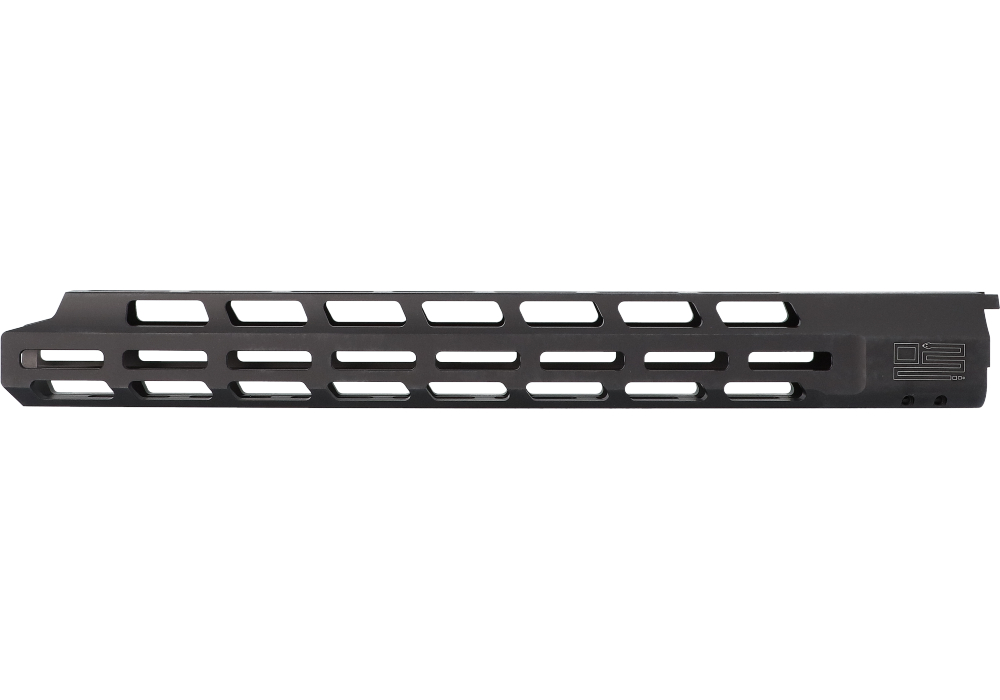
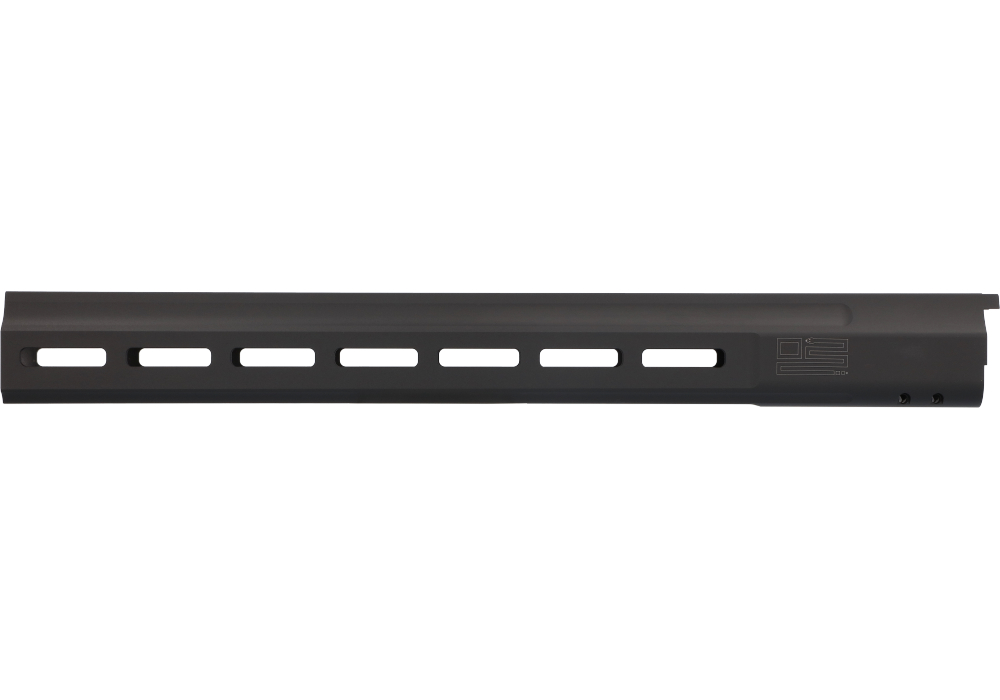
Replacement rails provide a practical way to restore, update, or refine the accessory-mounting capability of a compatible firearm. Whether an original rail has become worn, damaged, misplaced, or no longer suits a preferred setup, the right replacement can help create a secure foundation for attaching compatible optics, lights, grips, bipods, sling hardware, or other accessories. These components are commonly considered by recreational shooters, hunters, competitors, professionals, collectors, and firearms enthusiasts who maintain their equipment carefully and prefer a setup that reflects the way they train or operate. A replacement rail may also be useful when adapting a firearm for a different role, such as moving from a lightweight range configuration to a field-ready arrangement during the cooler months. Before choosing one, identify the firearm platform and the exact location where the rail will be installed. Receiver rails, handguard rails, and accessory sections can differ substantially in length, profile, mounting pattern, and intended placement, even when they appear similar at a glance. Reviewing compatible Rail Sections can help narrow the search when a full-length replacement is unnecessary or when a smaller mounting area better fits the intended accessory layout. Compatibility should always take priority over appearance, price, or the number of available slots, since a rail must interface correctly with the firearm and provide a stable mounting surface for the selected accessory.
Accurate measurements are among the most important considerations when shopping for replacement rails. Compare the length and width of the existing component, note the spacing and position of mounting holes, and check the available clearance around the receiver, handguard, barrel, sights, controls, and other nearby parts. The mounting method matters as well: some rails are designed for direct attachment to a threaded interface, while others depend on a particular handguard pattern, fastener arrangement, or dedicated mounting surface. Confirm the required screws, nuts, washers, backing components, and torque specifications rather than assuming that existing hardware will transfer to the new rail. A rail that is only slightly different in thickness or hole spacing may sit incorrectly, interfere with adjacent controls, or fail to provide the intended fit. Material and finish can also influence the selection. Shooters who spend time outdoors may appreciate a durable rail that stands up to handling, transport, changing weather, and repeated accessory installation, while a range-focused setup may place greater emphasis on weight, profile, and ease of reconfiguration. Consider the accessories that will be mounted and where they need to sit. An optic may require a continuous, precisely aligned surface, while a light or sling attachment may need only a short section positioned within comfortable reach. Keeping the layout purposeful helps avoid unnecessary bulk and leaves room for a natural grip and safe control of the firearm.
Replacement rails can be a thoughtful gift for a knowledgeable shooter, gunsmith, hunter, or range enthusiast, particularly when the recipient enjoys maintaining equipment and customizing a familiar platform. Because fitment is highly specific, a gift card, accessory budget, or carefully confirmed compatible part may be more useful than selecting a rail based only on appearance. When buying for someone else, discreetly confirm the firearm model, configuration, mounting interface, and preferred accessory standard before placing an order. Firearms and accessories should be purchased, transferred, installed, and used in accordance with all applicable federal, state, and local laws, and the recipient should be legally eligible to possess and use them. Installation should be performed with the firearm completely unloaded, with the action open and ammunition stored separately from the work area. Follow the manufacturer’s instructions, use the recommended tools, and verify that the rail is seated correctly and that all fasteners are tightened to the specified values. After installation, inspect the setup before adding accessories, checking that controls move freely, sights and optics have adequate clearance, and nothing contacts the barrel or obstructs safe operation. A careful installation and a measured accessory layout can make a noticeable difference at the range, where a secure rail helps an optic hold its position, a light remains accessible, or a sling attachment sits naturally against the body. During the cooler months, when equipment may move between a warm vehicle, an outdoor range, and a padded case, routine inspection is especially worthwhile. Look for loose hardware, damaged threads, unusual movement, or signs of wear before each use, and make adjustments only when the firearm is unloaded and pointed in a safe direction. With the right measurements, mounting interface, and intended use in mind, replacement rails offer a straightforward way to keep a trusted firearm functional, adaptable, and ready for the next range session or field outing.