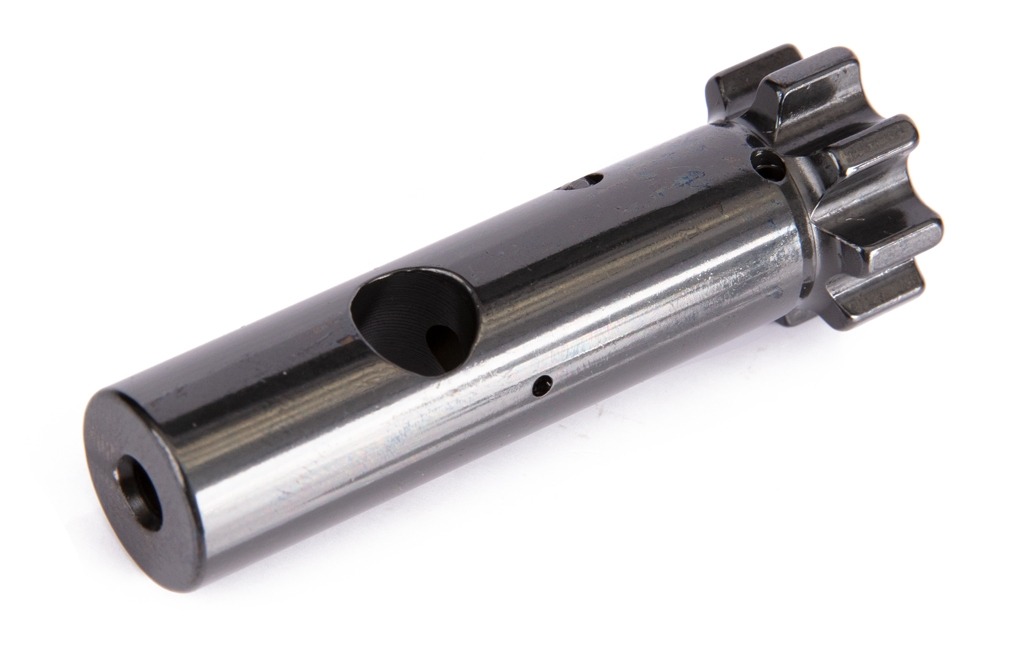
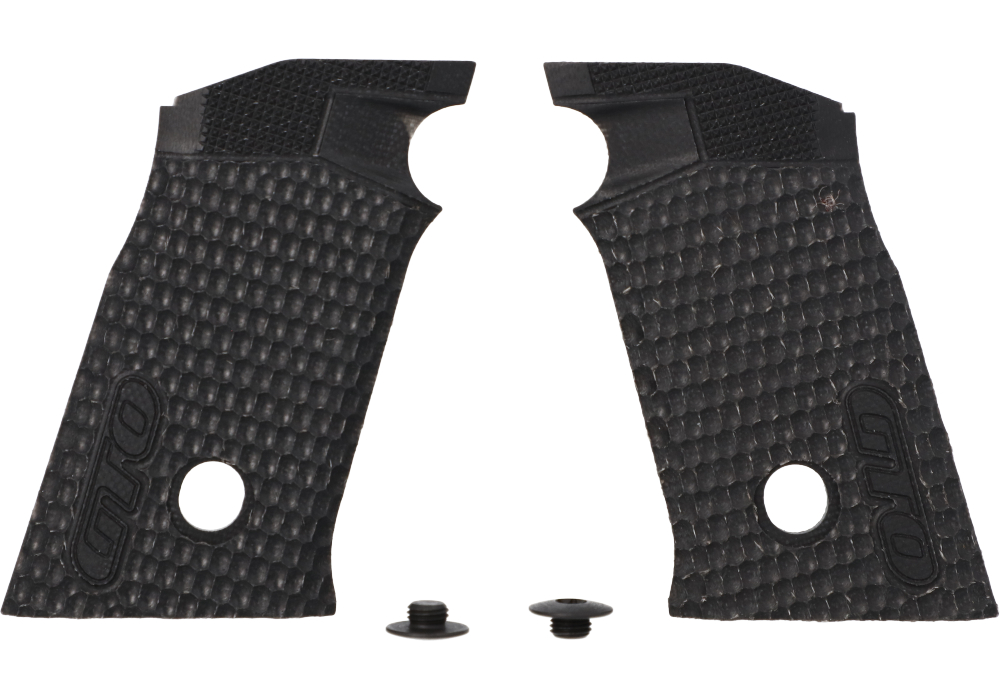
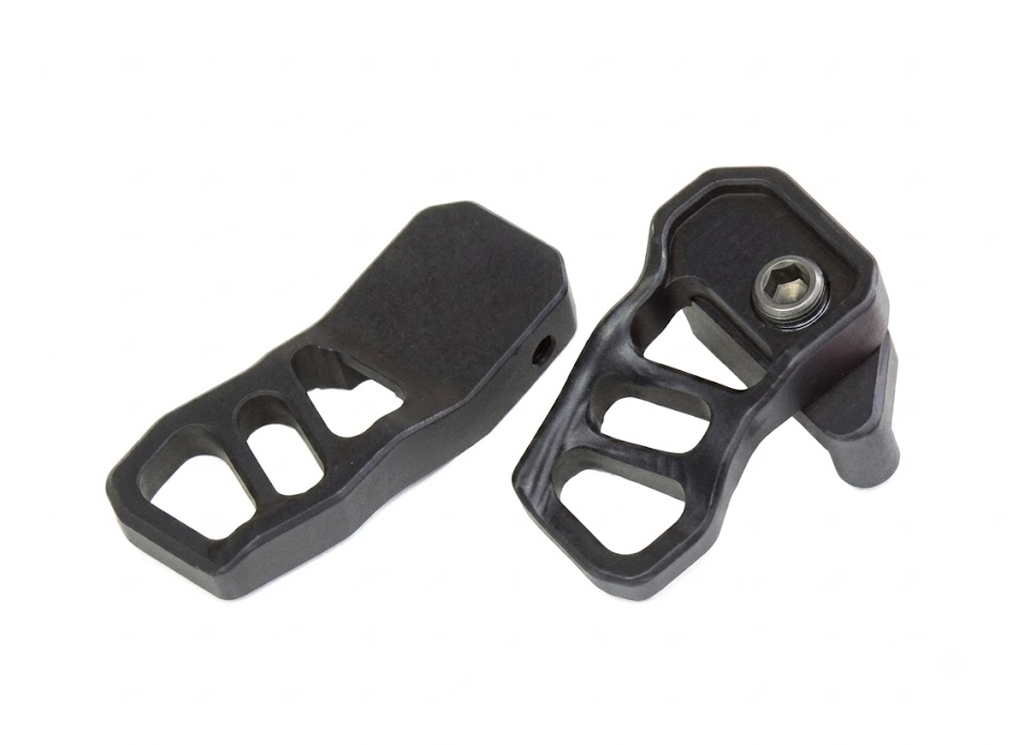
Replacement hardware provides a practical way to keep a firearm in dependable working condition when an original component is worn, misplaced, or no longer suited to a particular setup. This category may include replacement bolts, pins, screws, springs, plates, retainers, and other small components that support the fit and function of a firearm or accessory. These parts are often easy to overlook because of their size, yet a single mismatched fastener or worn interface can affect alignment, secure attachment, or the smooth operation of a larger assembly. Whether you are refreshing a frequently used firearm, organizing spare components for a range bag, or restoring an older platform for occasional use, begin by identifying the exact firearm model, configuration, and component required. Keep the original part nearby when possible, and compare its overall length, diameter, head style, thread pattern, finish, and contact points with the replacement hardware. A part that looks similar at a glance may not have the same dimensions or fit, so relying on appearance alone can lead to unnecessary delays. Product descriptions, diagrams, and manufacturer specifications are useful starting points, while a qualified gunsmith can help confirm compatibility when markings are difficult to read or the original component is unavailable. For shoppers seeking a critical locking component, explore Replacement Bolts as part of a careful search for the appropriate replacement.
The best replacement hardware choice depends on more than a general description. Confirm the firearm’s exact model and generation, as small design changes can affect thread pitch, hole spacing, head height, finish, and the relationship between adjoining parts. If the hardware secures an optic, stock, grip, handguard, sling attachment, or other accessory, verify both sides of the connection and check whether the assembly requires a particular screw length, washer, spacer, or retaining element. Measuring the existing component with a ruler or caliper can provide helpful information, but measurements should be paired with official specifications whenever possible. It is also useful to inspect neighboring parts for damaged threads, burrs, unusual wear, corrosion, or deformation; replacing only the visible fastener may not address an underlying fit issue. Choose components intended for the correct application rather than treating a generic screw or pin as a universal substitute. Keep replacement hardware sorted in labeled containers, especially when several firearms share similar-looking parts, and preserve installation instructions for future reference. During the cooler months, a little organization before a range trip can save time when gloves, low light, or changing conditions make tiny components harder to handle. A compact parts pouch with clearly marked sections can also be a thoughtful gift for a new firearm owner, an experienced hobbyist, or anyone who enjoys maintaining a carefully organized collection.
Before installing replacement hardware, place the firearm in a safe direction, remove all ammunition from the work area, and verify that it is unloaded according to the owner’s manual. Work on a clear, stable surface with good lighting, and use the correct screwdriver, hex key, torque tool, punch, or other fitting tool for the fastener. The right tool helps protect both the hardware and the surrounding finish, while excessive force can damage threads or distort a small component. Follow the firearm and component instructions closely, including any torque values, thread treatment, orientation notes, or sequence requirements. If a part does not align easily, stop and reassess rather than forcing it into position. After installation, inspect the assembly for even seating, secure retention, unobstructed movement, and proper alignment; then complete any function checks specified by the owner’s manual in a controlled and safe setting. When the repair involves a locking mechanism, internal assembly, fire-control component, or any part whose function is uncertain, seek assistance from a qualified gunsmith before returning the firearm to use. Keeping a few verified replacement components on hand can support routine maintenance and reduce downtime, but careful identification remains the most important step. With accurate measurements, attention to compatibility, and a methodical installation process, replacement hardware can help preserve the fit, finish, and dependable service of the firearm over many seasons.