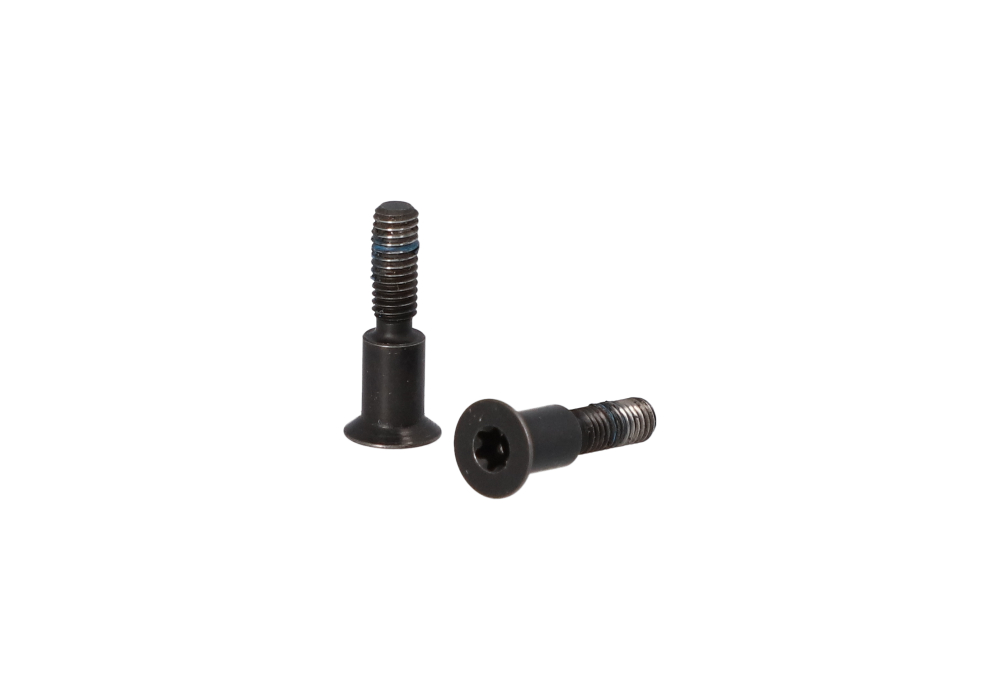
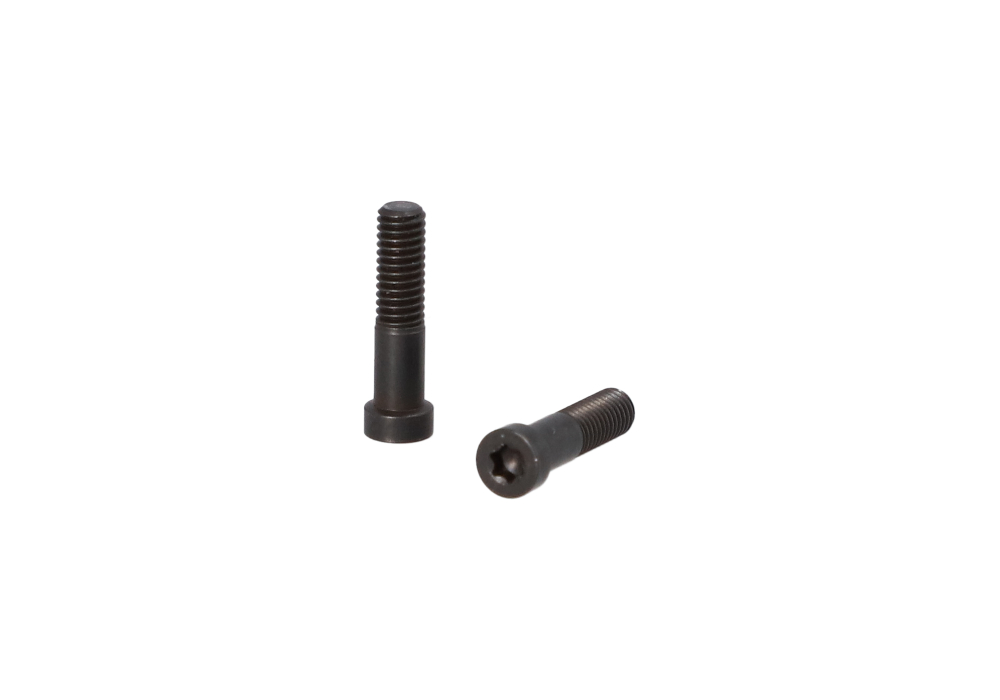
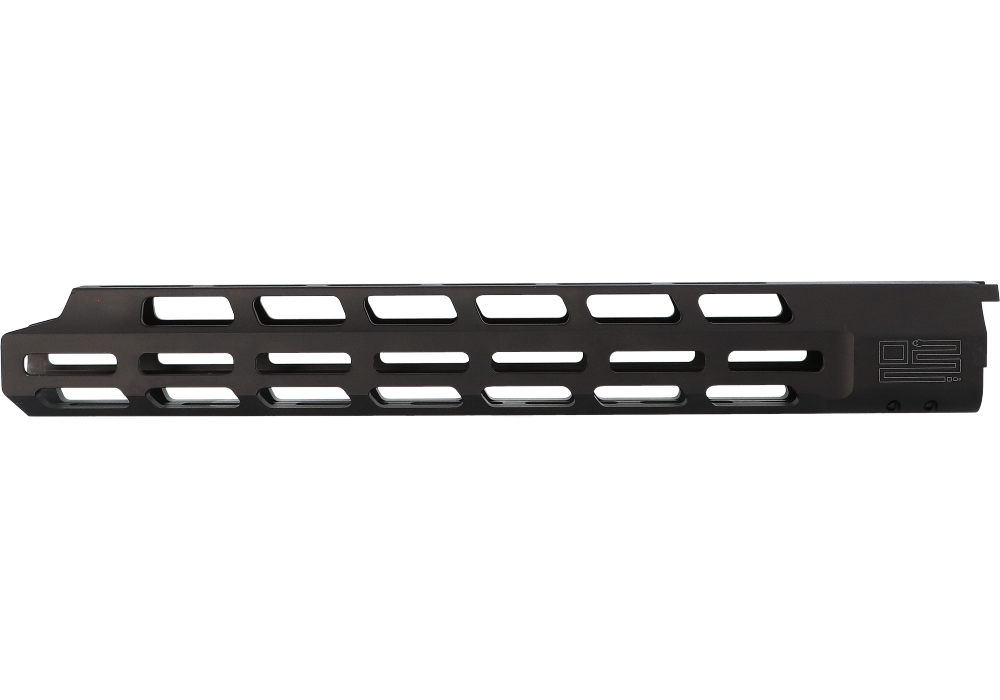
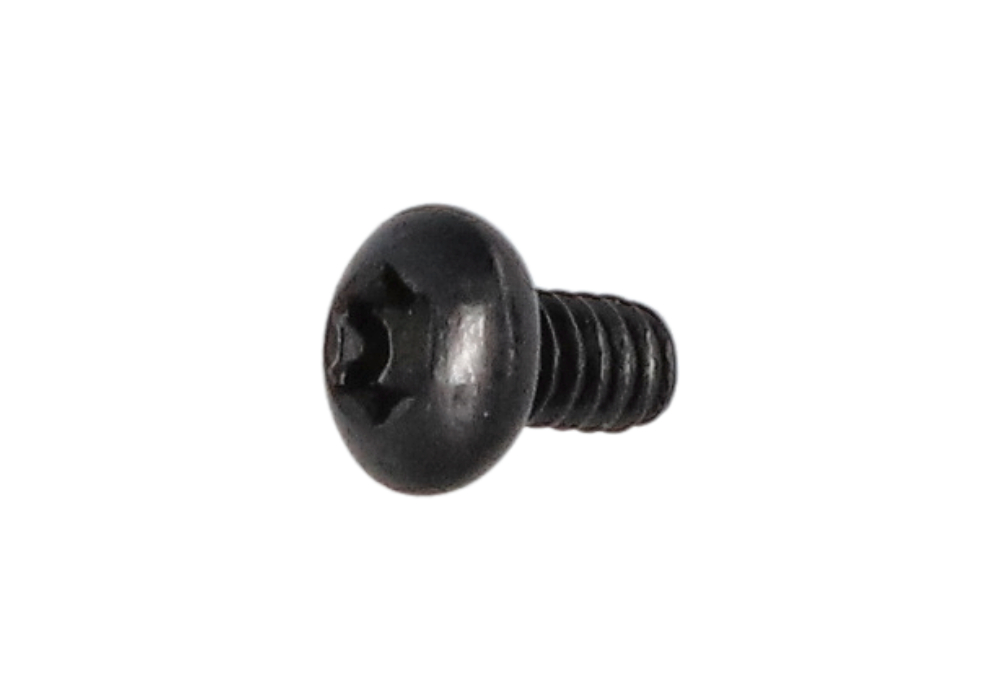
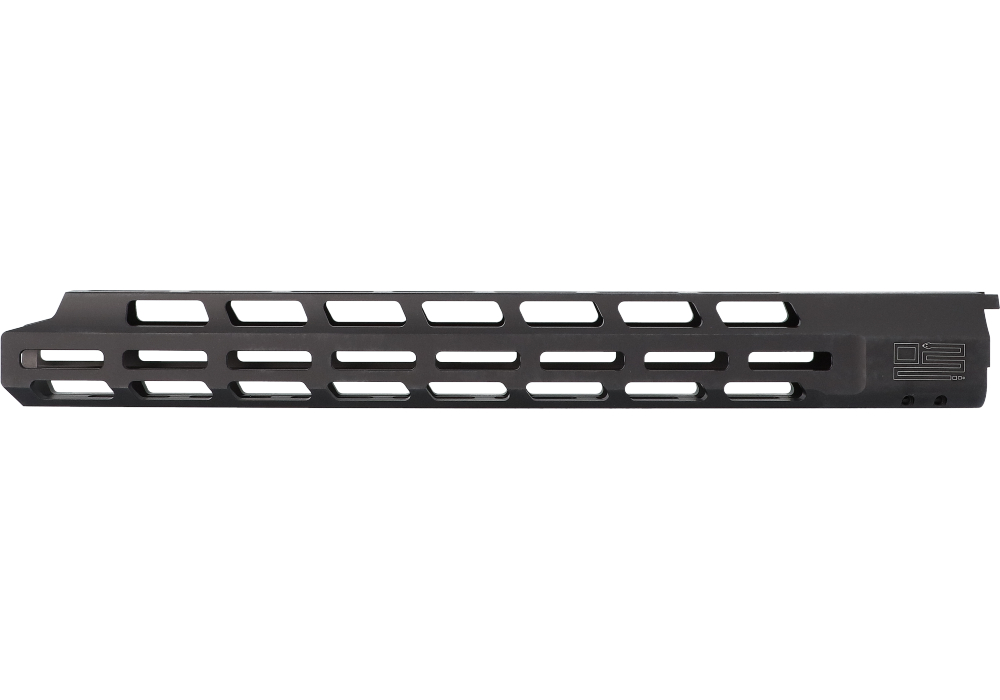
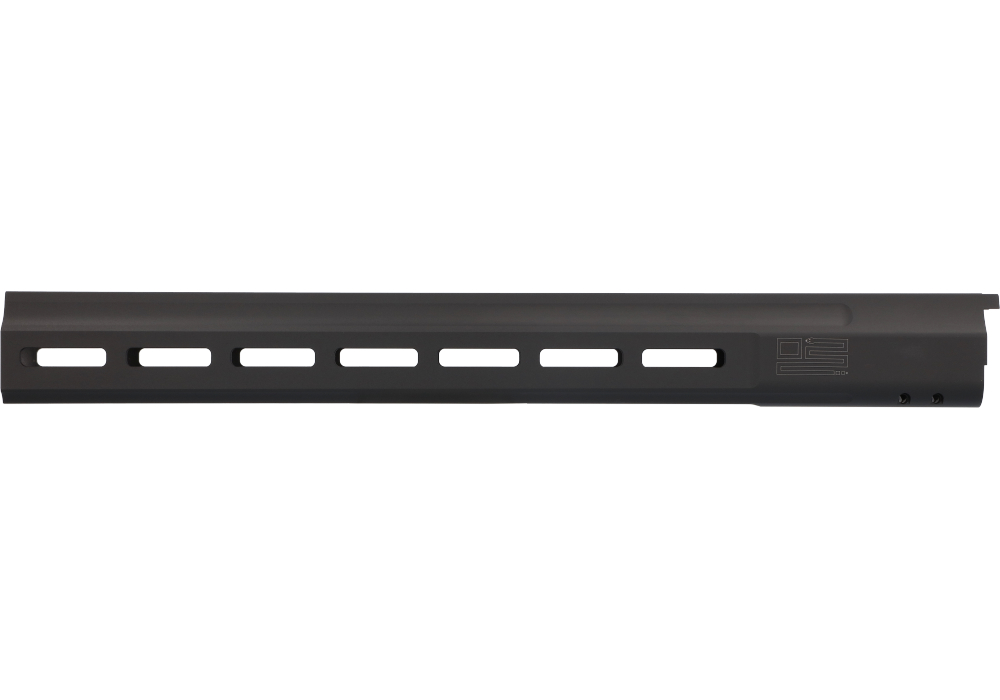
Replacement screws are small components that play an important role in maintaining the fit, finish, and dependable function of compatible firearm parts and accessories. Over time, a screw may become worn, misplaced, damaged during disassembly, or unsuitable after repeated installation and removal. Having the correct replacement on hand helps preserve the original fit without relying on improvised hardware that may have the wrong dimensions, thread pattern, head style, or material. These products may be useful for firearm owners who perform routine maintenance, replace worn furniture or accessory components, or keep a carefully organized parts kit for range days, training sessions, and seasonal cleaning. They can also be a thoughtful addition to a practical gift for a shooting enthusiast, gunsmith, collector, or hobbyist who appreciates having the right small parts available when a repair or adjustment is needed. Before ordering, identify the exact firearm, component, and screw location, then compare the replacement specifications with the manufacturer’s requirements. Important details may include diameter, length, thread pitch, head shape, drive type, finish, and whether the screw is intended for a particular mounting surface. A screw that appears similar can still be incompatible if it bottoms out before the part is secure, protrudes into an internal area, strips easily, or fails to engage the proper threads. When an original screw is available, keep it beside the replacement for a visual comparison, but do not assume that appearance alone confirms compatibility. Measurements taken with a caliper or checked against an official parts diagram are more dependable than estimating by eye. If the original hardware is missing, consult the applicable owner’s manual or contact a qualified gunsmith or the manufacturer for guidance rather than forcing a close substitute into place.
Choosing the right replacement screws also involves considering how and where the firearm or accessory will be used. Parts exposed to moisture, perspiration, cleaning solvents, dust, or changing temperatures benefit from appropriate corrosion-resistant finishes and careful storage, while components used in a controlled indoor environment may have different finish requirements. The correct drive interface matters as well: a properly fitting driver helps reduce the chance of damaging the screw head during installation, especially when working with small fasteners that require controlled pressure. Use the appropriate tool, keep the driver aligned with the screw, and tighten only to the torque value specified for that assembly. Over-tightening can damage threads, deform a component, or make future maintenance unnecessarily difficult; under-tightening can allow movement, looseness, or loss of the fastener during handling. Thread-locking products should be used only when approved for the specific application, since some formulas can make later removal difficult or affect finishes and polymer components. Firearms should always be completely unloaded before inspection or maintenance, with the action open and ammunition stored separately from the work area. A clean, well-lit bench with a tray or magnetic parts dish can prevent tiny screws from disappearing into carpet, grass, or the gaps around a workbench. During the cooler months, many owners bring equipment indoors for detailed inspection after outdoor use, making it a practical time to check for loose hardware, damaged heads, thread wear, and signs of corrosion. Replacement screws can help restore a clean, finished appearance, but they should never be treated as universal hardware. For compatible grip-related applications, browse Factory Grip Screws and confirm the listed fit before purchase.
A thoughtful replacement-screw selection begins with accurate identification and ends with a careful function check. Review the product description for compatible models or assemblies, quantity, dimensions, finish, and included hardware, and compare those details with the part being serviced. Buying a small assortment may be convenient for a workshop, but a purpose-matched replacement is generally the better choice when the screw contributes to the alignment or retention of a firearm component. Keep spare fasteners labeled in separate compartments, especially when several assemblies use screws that look nearly identical. A simple note with the firearm model, component location, thread information, and torque specification can save considerable time during future maintenance. It is also wise to inspect the mating threads before installing anything new; damaged or cross-threaded threads may require professional attention, and a replacement screw cannot correct an underlying problem. After installation, verify that the component sits flush, moves as intended when applicable, and shows no unusual looseness, interference, or contact with nearby parts. Do not continue using a firearm if a critical component does not fit correctly or if you are uncertain about the repair. Set the firearm aside and seek assistance from a qualified gunsmith or the appropriate manufacturer support channel. Whether kept in a range bag, workshop drawer, or maintenance kit, properly selected replacement screws provide a straightforward way to support routine upkeep and preserve the dependable fit of compatible equipment. Careful measurements, correct specifications, suitable tools, and safe handling make the process more efficient while helping protect both the firearm and the person maintaining it.